Safety systems for industrial equipment and how to evaluate them
What safety systems need to accomplish
For industrial equipment, a safety system is not a single device added at the end of a project. It is a planned combination of guarding, controls, procedures, verification, and maintenance practices that reduces the chance of a person being exposed to hazardous motion, energy, heat, pressure, chemicals, or other machine-related hazards. A useful system starts with risk assessment, then connects each identified hazard to a defined risk-reduction measure. In practice, a conveyor, press, robot cell, mixer, packaging line, or process skid may need several layers at once: physical guarding, interlocked access, emergency stopping, safety-rated controls, lockout/tagout procedures, inspection routines, and operator training. For more industrial coverage on this topic, visit our safety systems section.
The system should be evaluated by the hazards it controls, not by the number of devices installed. A light curtain, emergency stop, or safety PLC has limited value if the machine can restart unexpectedly, if stored energy is not controlled, or if routine cleaning pushes workers to bypass protection. A sound program combines engineering design with disciplined operating procedures.

Start with risk assessment, not components
A reliable safety-system decision starts before hardware selection. ISO 12100:2010 describes principles for machinery risk assessment and risk reduction, including hazard identification, risk estimation, risk evaluation, and documentation across relevant phases of the machine life cycle. The standard is often treated as a foundation document because it helps teams move from a general concern, such as a pinch point or crushing hazard, to a structured decision about the risk-reduction measures needed. (iso.org)
For industrial equipment, the assessment should look beyond normal production. Many serious exposures occur during setup, jam clearing, sanitation, tool changes, inspection, troubleshooting, and maintenance. These tasks may place hands, arms, or the entire body closer to hazardous zones than ordinary operation. If the assessment only studies steady-state production, the resulting safety system may protect the operator during normal cycles but fail the mechanic, cleaner, or technician who interacts with the equipment in a different way.
Define hazards by task
A practical assessment lists the task, the person performing it, the energy sources present, the possible hazardous event, and the existing safeguards. A packaging machine, for example, may have rotating shafts, pneumatic cylinders, heated sealing jaws, and stored air pressure. A mixer may combine rotating blades with electrical, hydraulic, and chemical exposure. A robotic palletizer may require separate evaluation for teaching mode, automatic operation, conveyor interface, and cell entry.
Use the hierarchy of risk reduction
Engineering controls should normally be considered before administrative controls. If a hazard can be eliminated through design, such as by reducing access to a nip point or enclosing a transmission component, that approach is generally more robust than relying only on warnings. When elimination is not feasible, teams may use guards, interlocks, presence-sensing devices, safe-speed functions, two-hand controls, emergency stop devices, and safe operating procedures. Personal protective equipment may still be necessary, but it should not be used to excuse weak machine design.
Core layers of an industrial safety system
Most industrial safety systems work as a set of layers. Each layer covers a different part of the risk picture. A machine with strong guarding but poor lockout practice still has a major gap. A line with advanced safety controls but undocumented bypasses can also be unsafe. The following layers are common in manufacturing, material handling, processing, and packaging environments.
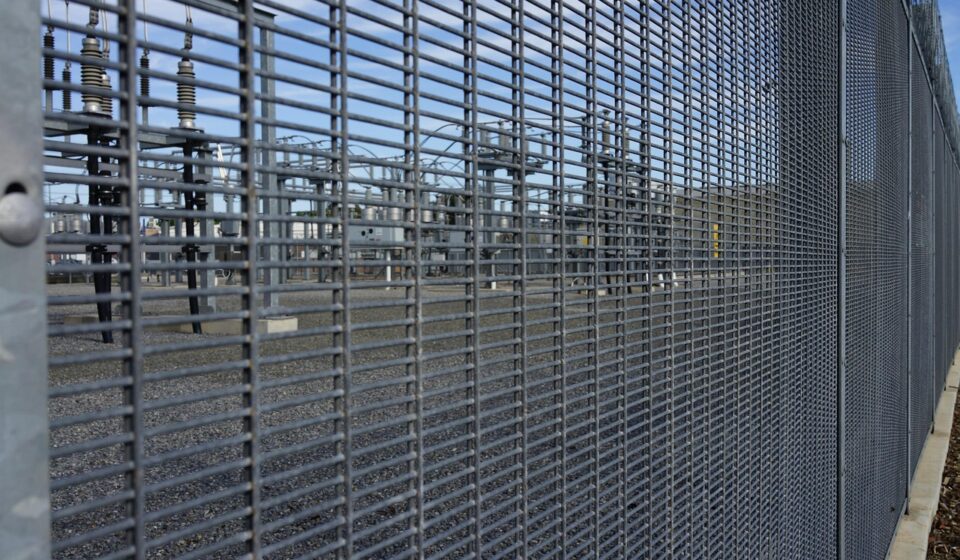
Physical guards and controlled access
Fixed guards, adjustable guards, tunnels, fences, and covers keep people away from hazardous points of operation, rotating parts, and power-transmission equipment. OSHA Subpart O addresses machinery and machine guarding in U.S. general industry, including general machine requirements, woodworking machinery, abrasive wheels, mills and calenders, mechanical power presses, forging machines, and mechanical power-transmission apparatus. (osha.gov)
Physical guarding is often the most visible part of a system, but it has to fit the real workflow. If a guard prevents required access for cleaning or adjustment, workers may remove or defeat it. Good design considers visibility, tool access, sanitation, ergonomics, and maintainability so that protection does not conflict with necessary work.
Interlocks, presence sensing, and safety-rated controls
Interlocked doors, trapped-key systems, light curtains, laser scanners, safety mats, enabling devices, and safety controllers can reduce risk when workers need controlled access to a hazardous area. These devices should be selected and integrated according to the required safety function. For example, opening an access gate may need to stop hazardous motion before a person can reach the danger zone. A light curtain may need a calculated safety distance based on approach speed and stopping time.
ISO 13849-1:2023 provides a methodology and requirements for designing and integrating safety-related parts of control systems that perform safety functions, including software. Its scope includes high-demand and continuous modes of operation and covers subsystems regardless of technology or energy type, such as electrical, hydraulic, pneumatic, or mechanical systems. (iso.org)
Emergency stop and protective stop functions
Emergency stop devices are important, but they should not be treated as the primary safeguard for predictable exposure. An emergency stop is a last-resort action taken after a hazardous situation has been noticed. It cannot replace guarding, safe access design, or lockout/tagout where those measures are required. A well-designed system clarifies what stops immediately, what remains energized, how the system resets, and whether a reset could create unexpected motion.
Lockout/tagout and hazardous energy control
Many machines contain energy that is not obvious after the main power switch is turned off. Pneumatic pressure, hydraulic pressure, gravity-loaded parts, springs, capacitors, thermal energy, chemical energy, and residual motion can all create exposure during maintenance or service. OSHA 29 CFR 1910.147 establishes minimum performance requirements for controlling hazardous energy during servicing and maintenance, and it requires lockout when an energy-isolating device can be locked out unless a tagout system provides full employee protection under the rule. (osha.gov)
ANSI/ASSP Z244.1-2024 addresses control of hazardous energy through lockout, tagout, and alternative methods. It is a consensus standard rather than the same thing as an OSHA regulation, but it is useful for understanding modern hazardous-energy-control practices, especially where production, service, and minor servicing tasks overlap. (webstore.ansi.org)
Standards that shape safety-system decisions
Standards and regulations do not all serve the same purpose. Some define legal obligations in a jurisdiction. Others provide design methodology or consensus guidance. The practical value is knowing which source answers which question.
| Source | Where it is commonly relevant | Practical takeaway |
|---|---|---|
| OSHA 29 CFR 1910 Subpart O | Machine guarding in U.S. general industry | Use it to understand baseline guarding requirements for many machine types. |
| OSHA 29 CFR 1910.147 | Servicing and maintenance involving hazardous energy | Use it to evaluate lockout/tagout procedures, energy isolation, verification, shift transfer, and employee protection. |
| ISO 12100:2010 | Machinery design and risk assessment | Use it to structure hazard identification, risk estimation, risk reduction, and documentation. |
| ISO 13849-1:2023 | Safety-related parts of machinery control systems | Use it to specify and validate safety functions and required performance levels. |
| IEC 61508 | Electrical, electronic, and programmable electronic safety-related systems | Use it as a functional safety framework, especially when programmable safety systems are involved. |
| ANSI/ASSP Z244.1-2024 | Hazardous-energy control programs and alternative methods | Use it to compare lockout/tagout practices with consensus guidance for modern equipment and tasks. |
IEC 61508 is widely described as an international functional safety standard for electrical, electronic, and programmable electronic safety-related systems. It is especially relevant when a safety function depends on sensors, logic, and final control elements operating correctly in response to a hazardous condition. (61508.org)
How to evaluate whether a safety system is fit for purpose
Evaluating a safety system means checking whether the selected measures actually reduce the identified risks under real operating conditions. A document review is not enough. Teams should compare the risk assessment, circuit design, equipment layout, operator tasks, maintenance procedures, and field behavior of the machine. See also: production equipment.
Confirm the safety function
Every engineered safeguard should have a defined safety function. Examples include stopping hazardous motion when a guard door opens, preventing restart while a person is inside a cell, limiting speed during teach mode, or removing power from a motor during access. If the function is not clearly stated, it is difficult to verify the design or train workers on its limits.
Check response time and reach distance
Presence-sensing devices only work when they are installed with the correct safety distance. The machine must stop before a person can reach the hazard. The evaluation should therefore include actual stopping time, approach direction, detection height, possible bypass paths, and the worst credible operating condition. A light curtain mounted too close to a hazard can create a false sense of protection.
Validate lockout and reset behavior
For maintenance and servicing, the system should identify every energy source and the method used to isolate, lock, release, block, or verify it. Reset behavior also matters. After a guard is closed or a safety device is reset, hazardous motion should not restart unexpectedly just because the circuit is restored. Restart should require a deliberate action where appropriate.
Review bypasses and alternative modes
Industrial equipment often needs bypass modes for setup, testing, troubleshooting, or sanitation. These modes should be documented, controlled, limited, and visible to supervisors and maintenance leaders. A bypass that is easy to activate, difficult to detect, or left in place after work is complete can defeat the entire safety concept.
Common gaps in installed equipment
Many safety-system weaknesses appear after equipment has been modified, relocated, integrated into a larger line, or used for tasks that were not part of the original design. A machine may arrive with guarding that looked adequate as a standalone unit but becomes insufficient when connected to conveyors, robots, hoppers, elevators, or upstream and downstream equipment.
- Uncontrolled stored energy: Air pressure, hydraulic pressure, elevated loads, and residual heat remain after electrical isolation.
- Incomplete hazard mapping: The assessment covers production but not cleaning, jam clearing, blade changes, lubrication, or troubleshooting.
- Guarding that conflicts with work: Workers remove guards because routine access was not designed into the equipment.
- Ambiguous reset logic: Closing a door or pressing reset creates movement before the area is confirmed clear.
- Unverified stopping performance: Safety-distance calculations are based on assumptions rather than measured stopping time.
- Weak change management: New tooling, higher speed, added robots, or different materials change the risk profile without a fresh review.
- Training that stops at rules: Operators know not to bypass a guard but do not understand the hazard the guard controls.
These gaps are not only technical. They often come from poor communication between engineering, operations, maintenance, safety, and procurement. A safety system should therefore be reviewed whenever equipment is purchased, modified, repurposed, integrated, or affected by recurring maintenance problems.
Procurement questions for safer equipment projects
Safety decisions become more expensive when they are postponed until installation. Buyers and project teams can reduce rework by asking safety-system questions before issuing a purchase order or accepting a machine.
- Has a documented risk assessment been completed for the intended use and foreseeable tasks?
- Which hazards are controlled by fixed guards, interlocked guards, presence sensing, procedures, or lockout/tagout?
- What safety functions are defined, and what performance levels or integrity requirements are claimed?
- How are stopping times measured, and where are safety distances documented?
- What happens during reset, restart, power loss, air loss, and fault recovery?
- Which tasks require hazardous-energy isolation, and where are isolation points located?
- How will the system be validated after installation and after future modifications?
- Are bypass, teach, maintenance, and cleaning modes controlled and logged?
The goal is not paperwork for its own sake. The goal is to connect the design basis with the actual machine that workers will use. Clear procurement requirements also help avoid disputes between equipment builders, integrators, and end users.
Frequently asked questions
Are safety systems the same as machine guarding?
No. Machine guarding is one important part of a safety system, but the full system may also include interlocks, safety-rated controls, emergency stops, energy isolation, procedures, training, inspections, and change management. Treating guarding as the entire system can leave maintenance and nonstandard tasks underprotected.
Can an emergency stop replace lockout/tagout?
Usually, no. An emergency stop is a control function, not an energy-isolating method. When servicing or maintenance exposes workers to hazardous energy, OSHA 29 CFR 1910.147 should be considered for U.S. workplaces. Emergency stops may reduce risk during operation, but they do not necessarily remove or control stored energy.
When should ISO 13849-1 be considered?
ISO 13849-1 should be considered when a machinery safety function depends on safety-related parts of a control system, such as interlock switches, safety relays, safety PLCs, valves, sensors, or software logic. It helps teams design and evaluate whether the control system can achieve the required level of risk reduction.
What is the most useful first step for an older machine?
Start with a task-based risk assessment. Older equipment may have missing guards, undocumented modifications, unclear energy-isolation points, or controls that no longer match current use. A structured assessment helps separate urgent exposure issues from longer-term upgrades and prevents teams from buying devices before defining the safety function.
How often should safety systems be reviewed?
They should be reviewed after any significant change, including speed increases, tooling changes, new materials, added automation, layout changes, guarding modifications, control-system updates, or recurring near misses. Periodic inspections are also useful because wear, adjustment, and informal bypasses can reduce protection over time.