Cat heavy machinery buying guide for construction and earthmoving fleets
What to decide before you compare models
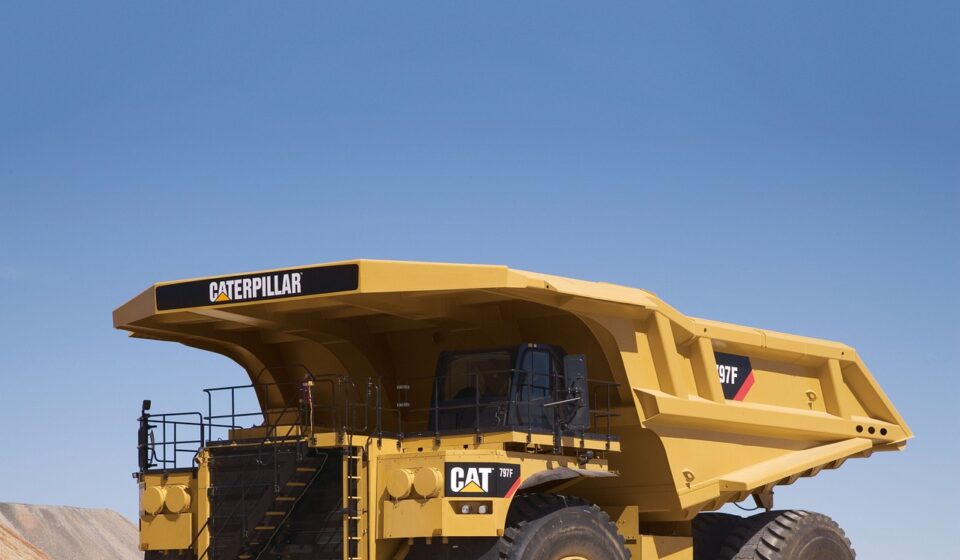
Buying Cat heavy machinery should start with the work, not the nameplate. For construction and earthmoving fleets, the right machine depends on material type, cycle time, ground conditions, transport limits, operator skill, fuel use, service access and the likely resale path. Caterpillar’s current construction lineup includes excavators, dozers, wheel loaders, compact loaders, backhoe loaders, articulated trucks, motor graders, soil compactors and related work tools. The useful question is not simply which Cat machine is popular. It is which size, configuration and ownership structure will complete the job with the lowest practical risk.
This guide outlines the checks buyers should make before requesting quotes or inspecting used units. For more equipment selection topics, see the buying guides section.
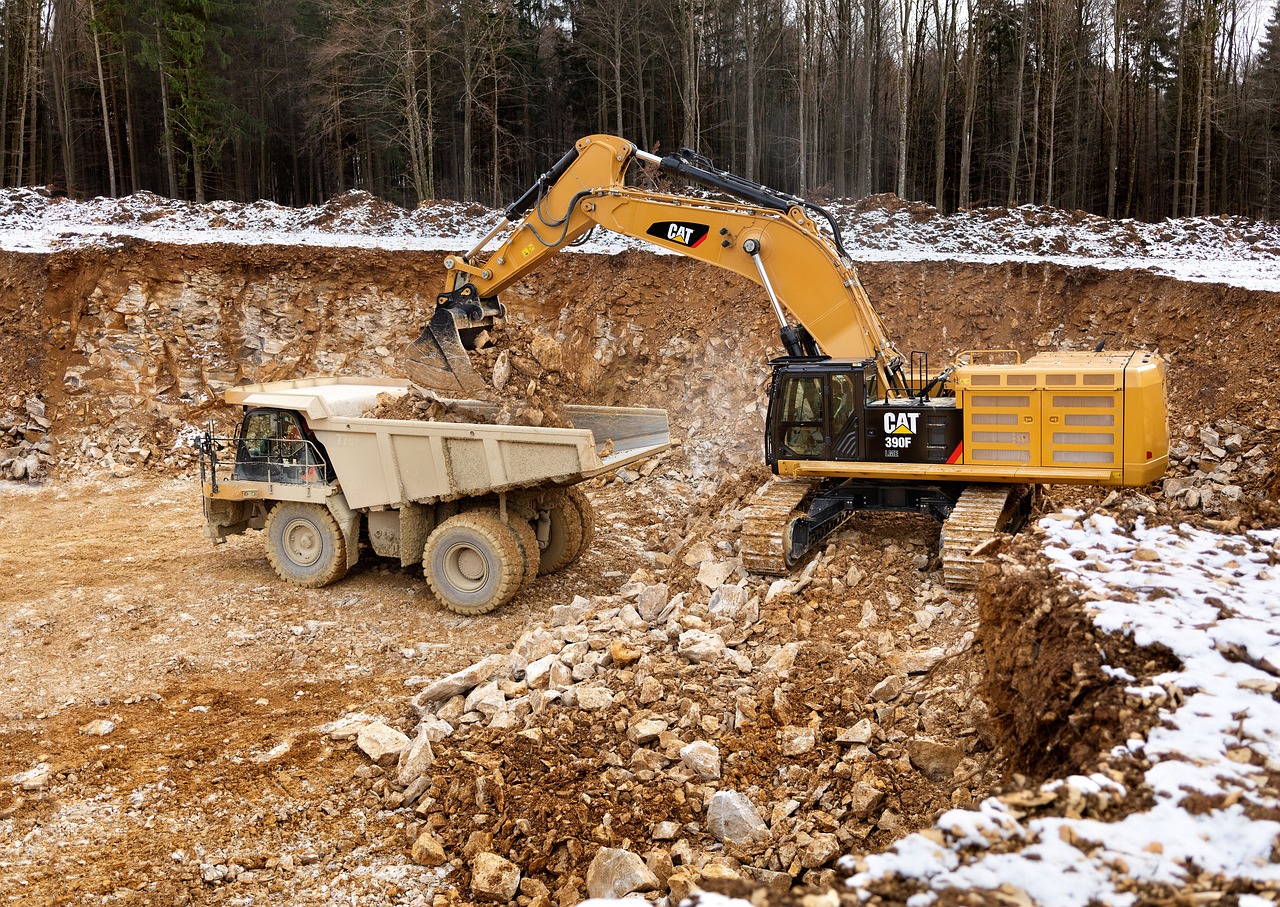
Match the machine category to the actual work
Cat heavy machinery is usually purchased for a defined production role: digging, loading, grading, compacting, hauling, trenching, demolition, site preparation or roadbuilding. A machine that performs well in one role can become costly in another if it is oversized, underpowered, difficult to move between sites or matched with the wrong attachment system.
Excavators are commonly selected for trenching, mass excavation, utility work, demolition and material handling. Buyers should compare digging depth, reach, bucket breakout force, lift capacity, tail-swing profile and hydraulic flow. Compact or mini excavators help on restricted sites. Larger excavators make sense when production volume, truck loading height and site access justify the higher transport and operating cost.
Dozers are selected for pushing, ripping, rough grading and site clearing. Key variables include blade type, undercarriage design, ground pressure, visibility to the blade, grade-control compatibility and the cost of undercarriage wear. Wheel loaders are better suited to load-and-carry work, stockpile management, aggregate yards and truck loading. For loaders, compare bucket capacity, tipping load, lift height, axle condition, tire cost and attachment coupler options.
Motor graders, compactors and articulated trucks can become production bottlenecks if they are chosen too late in the fleet plan. A grader that cannot hold the required finish tolerance, a compactor that needs too many passes or a truck fleet that is mismatched to excavator cycle time can reduce jobsite output even when the primary machine is powerful. A practical fleet plan compares the whole production chain, not one machine in isolation.
New, used, certified used or rental
The best acquisition route depends on utilization. New equipment may suit fleets with high annual hours, long project backlogs, strict uptime needs or a requirement for the latest control, safety and emissions features. Used equipment may be a better fit when utilization is moderate, project duration is uncertain or capital needs to be preserved for several machines.
Cat Financial describes several acquisition routes, including loans, finance leases, operating leases and rental. In general, a loan is associated with ownership and equity buildup, while leases and rental can reduce long-term commitment or help match payments to project needs. The right structure depends on tax treatment, balance-sheet preferences, expected machine life, maintenance responsibility and how quickly the contractor may need to change fleet size.
Buyers should not compare only the monthly payment. A lower payment can hide higher costs if the machine lacks needed attachments, has limited warranty protection, requires near-term repairs or carries end-of-term conditions that do not match expected use. A complete comparison should include freight, dealer preparation, taxes, attachments, work tools, technology subscriptions, insurance, maintenance plans, protection plans and expected residual value.
Rental deserves consideration when the job is short, the application is seasonal or the fleet lacks operators and technicians for a specialized machine. Renting can also confirm the right size class before a purchase. The tradeoff is that rental payments do not create ownership value, and availability may tighten during busy construction periods.
How to inspect used Cat heavy machinery
Used equipment can be a strong purchase when inspection discipline is high. Caterpillar’s Cat Certified Used inspection information is a useful benchmark because it shows the areas a buyer should review, even when the machine is not being purchased through that program. Caterpillar says its certified inspection process reviews configuration, additions, service history, repair history and fluid sampling results before the walkaround and operating checks.
Start with identity and records. Verify the serial number, model year, hour meter reading, ownership documents, service history, attachment history and any available oil or fluid analysis. Compare the hour meter with wear on pedals, seat, pins, bucket, undercarriage, tires and control surfaces. Inconsistent wear does not prove a problem by itself, but it should lead to deeper questioning.
Next, inspect structural and wear items. Look for welds, cracks, plate repairs, bent guards, loose pins, leaking cylinders, damaged hose routing, worn cutting edges, bucket wear, track chain stretch, sprocket wear, roller condition, tire cuts and rim damage. Caterpillar’s certified used standard indicates that undercarriage or tires and ground engaging tools should have at least 50 percent life remaining for that certification level. Even outside the certification program, remaining wear life is a major cost variable.
Operate the machine under load when possible. Check cold start behavior, smoke, engine response, hydraulic speed, steering, braking, transmission shifting, swing performance, travel motors, warning lights, fault codes, abnormal noises and excessive play. Electronic control module data, inspection reports and fluid analysis can reveal issues that a short visual inspection may miss.
| Inspection area | What to check | Why it matters |
|---|---|---|
| Powertrain | Cold start, leaks, smoke, shifting, fault codes | Major repairs can quickly erase used-equipment savings |
| Hydraulics | Cylinder scoring, hose condition, pump noise, drift | Hydraulic weakness reduces productivity and attachment performance |
| Undercarriage or tires | Wear percentage, alignment, cuts, roller and sprocket condition | Wear components are predictable but often expensive |
| Frame and boom | Cracks, welds, distortion, pin and bushing play | Structural damage can affect safety, resale and repair feasibility |
| Cab and controls | ROPS condition, gauges, switches, seat, visibility, HVAC | Operator comfort and safety affect daily production |
Calculate total ownership cost instead of sticker price
Caterpillar’s online pricing notes make an important point for buyers: displayed prices may exclude taxes, shipping, handling, surcharges, assembly, destination, freight, dealer installation, attachments and protection plans. Actual prices and sale terms are set by the selling authorized Cat dealer. A realistic budget should therefore be built from the delivered, work-ready machine cost rather than a headline number.
Total cost of ownership should include acquisition cost, finance cost, fuel, DEF where applicable, lubricants, filters, planned maintenance, repairs, wear parts, tires or undercarriage, attachments, telematics subscriptions, insurance, storage, transport, operator training, downtime exposure and resale value. The most important cost driver is not always the largest line item. A slightly cheaper excavator, for example, can become more expensive if it burns more fuel per yard moved, lacks the hydraulic flow for a required attachment or needs a major undercarriage rebuild soon after purchase. See also: production equipment.
Utilization changes the calculation. A high-hour machine can justify stronger dealer support, a maintenance agreement and newer technology because small productivity improvements repeat thousands of times. A low-hour support machine may justify a simpler used unit if it passes inspection and parts are available. Buyers should estimate annual hours, expected project revenue, standby time and the cost of a breakdown during critical work windows.
Resale value also matters, but it should not be treated as guaranteed. Brand reputation, condition, documented maintenance, emissions configuration, attachment package, local demand and the market cycle all influence the exit price. Good records are not paperwork for their own sake; they are evidence that can support resale confidence.
Technology, emissions and support are part of the purchase
Modern heavy equipment purchases increasingly include software and data decisions. Caterpillar’s VisionLink material describes a cloud-based fleet management platform that can track location, operating hours, fuel levels, utilization, health data, fault codes, fluid analysis information and inspection due dates. It is also presented as a mixed-fleet tool, which matters for contractors that operate Cat machines alongside other brands.
Telematics should be evaluated for daily usefulness, not novelty. Ask who will review alerts, how fault codes will trigger maintenance decisions, whether the data integrates with existing fleet systems and whether site managers will act on idle time, utilization and fuel reports. A subscription that nobody uses is overhead. A system that helps prevent avoidable downtime can become a practical operating tool.
Emissions compliance is another purchase factor, especially in the United States and other regulated markets. The U.S. Environmental Protection Agency has adopted multiple tiers of standards for nonroad diesel engines, with Tier 4 standards introduced through the 2004 nonroad diesel rule. Buyers should verify the engine emissions tier, aftertreatment condition, local project requirements and any restrictions for public-sector, urban or environmentally sensitive work.
Support capacity may be the most underestimated issue in 2026. The AED Foundation’s September 11, 2026 technician shortage report said agriculture and construction equipment dealers in North America face a shortage of about 10,000 diesel technicians annually, with significant cost and demand impacts across the industry. For buyers, this does not mean avoiding heavy equipment purchases. It means confirming service response, parts availability, maintenance scheduling and internal technician capacity before the machine is needed on a deadline.
A practical buyer checklist
Before committing to Cat heavy machinery, build a short written decision file. It should be simple enough for field managers to review and detailed enough to prevent emotional buying.
- Define the primary application, material type, production target and expected annual hours.
- Confirm the right machine class, size, attachment package and transport requirements.
- Compare new, used, certified used, lease and rental options using delivered work-ready cost.
- Request service history, inspection reports, fluid analysis and electronic fault-code information for used machines.
- Estimate fuel, maintenance, undercarriage or tire wear, repairs, downtime risk and resale value.
- Verify emissions tier, project compliance requirements and aftertreatment condition.
- Confirm dealer support, parts availability, technician access and maintenance plan options.
- Assign responsibility for telematics review, inspection follow-up and preventive maintenance scheduling.
The strongest purchase is usually not the biggest machine or the lowest-priced listing. It is the machine that fits the job, can be maintained predictably and still has a clear role in the fleet after the first project ends.
Frequently asked questions
Is Cat heavy machinery better to buy new or used?
New equipment is often easier to justify for high-hour, production-critical work where warranty coverage, current technology and predictable configuration matter. Used equipment can be more cost-effective for moderate utilization or budget-limited fleets, but only when inspection results, service history and near-term repair exposure are understood.
What should I check first on a used Cat excavator or loader?
Start with serial number verification, service records, hour meter consistency and visible wear. Then inspect the powertrain, hydraulics, pins, bushings, cylinders, undercarriage or tires, frame, cab safety structure and electronic fault codes. If the machine will carry a production role, operate it under realistic load before purchase.
How important is telematics when buying heavy equipment?
Telematics is valuable when the fleet has a process for using the data. Location, hours, fuel use, fault codes and maintenance alerts can support better scheduling and lower downtime risk. Without assigned responsibility and follow-up, telematics becomes less useful.
Do emissions standards affect used equipment purchases?
Yes. Engine emissions tier and aftertreatment condition can affect where the machine may work, especially on public projects or regulated jobsites. Buyers should confirm the machine’s emissions configuration and local project requirements before purchase.