Construction equipment trends shaping fleet decisions in 2026
What changed for construction equipment in 2026
Construction equipment is no longer judged only by horsepower, bucket capacity, lift height or purchase price. In 2026, the more useful question is how each machine fits into a connected, cost-controlled jobsite where labor is tight and project requirements vary. Public updates from the Association of Equipment Manufacturers, the American Rental Association, Associated Builders and Contractors, the U.S. Environmental Protection Agency and ISO all point to the same broad shift: fleet planning is becoming more data-driven, more rental-aware and more sensitive to emissions, safety and workforce limits. For readers following industrial machinery and production equipment, the change is important because construction machines are increasingly managed like mobile production assets, not isolated pieces of iron.
The practical takeaway is straightforward. Contractors do not need to replace every machine to keep pace with the market. They do need a clearer method for deciding which assets should be owned, rented, upgraded with digital systems or retired.
Demand is not uniform across jobsites
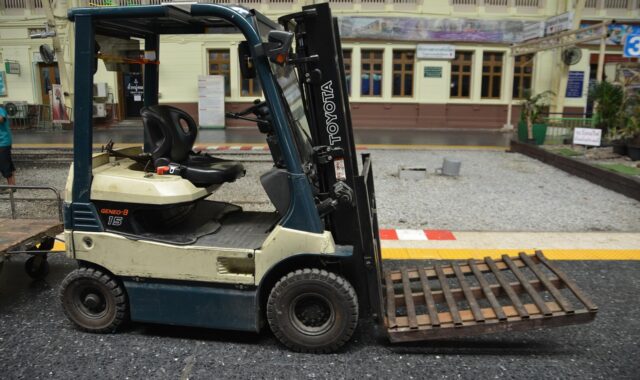
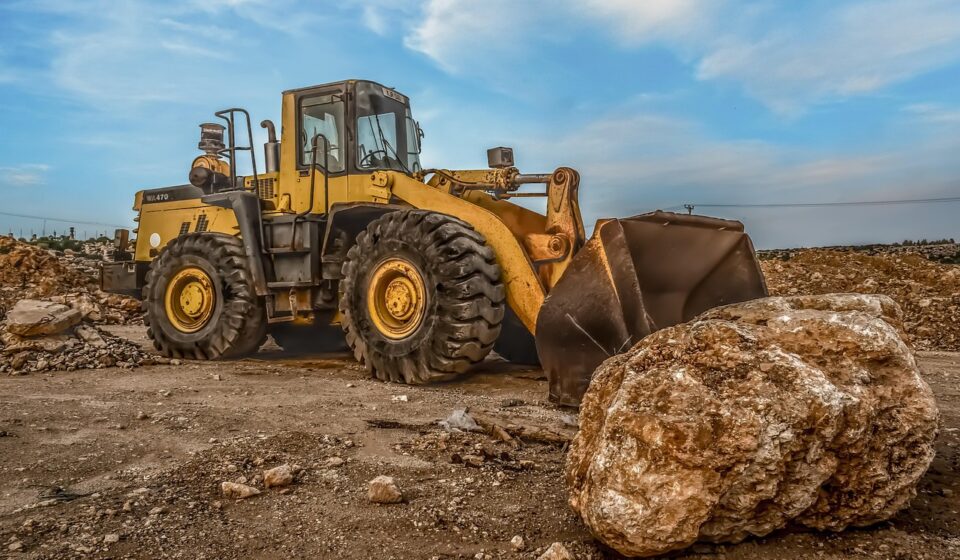
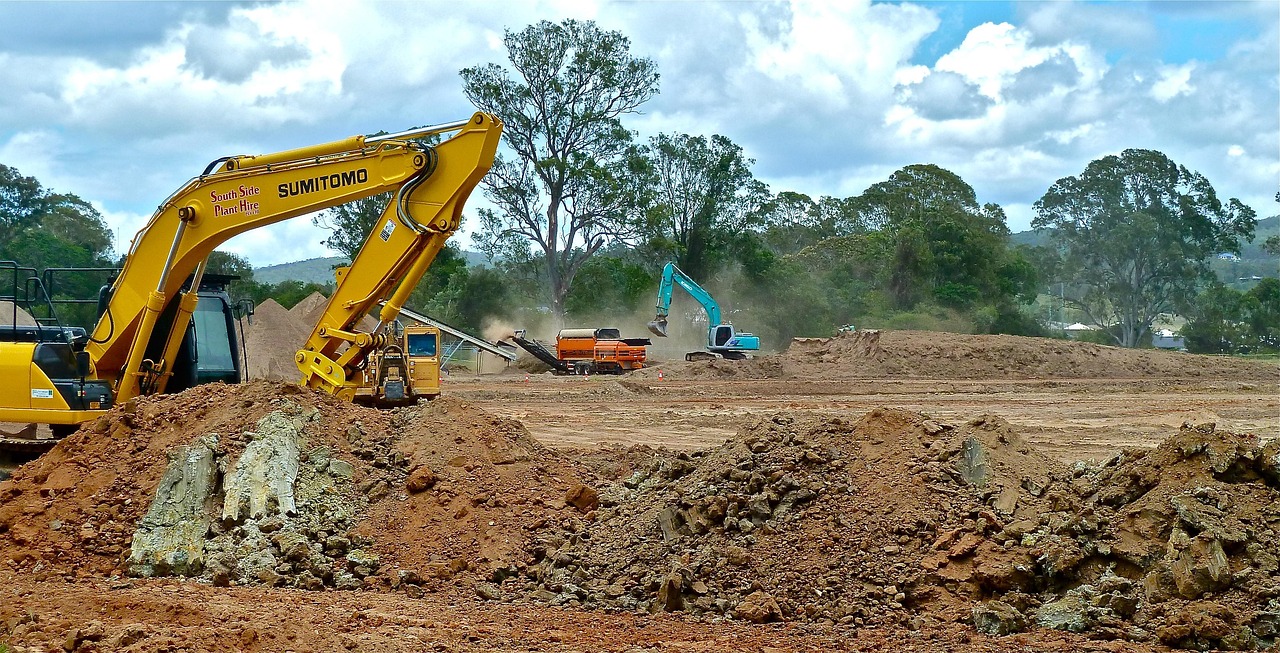
The term construction equipment covers a wide range of machines: excavators, wheel loaders, dozers, graders, compact track loaders, telehandlers, aerial lifts, paving equipment, compactors, cranes, compressors and site power units. Demand for those categories does not move as one block. Highway work tends to favor earthmoving, grading, compaction and paving machines. Data centers and manufacturing projects can increase demand for lifting, access, power, trenching and material handling equipment. Utility and infrastructure projects may require compact machines that can work in restricted urban or roadside spaces.
That uneven demand is why broad market numbers need careful interpretation. The U.S. Census Bureau’s Value of Construction Put in Place program provides monthly estimates of the dollar value of construction work done in the United States, covering new structures and improvements across private and public sectors. Those figures help show where construction activity is flowing, but they do not automatically tell a fleet manager which size class, attachment or support machine will be tight next month.
AEM’s 2026 midyear equipment market update described North American equipment conditions as being shaped by economic conditions, customer demand, infrastructure investment, supply chain developments and wider industry shifts. For fleet planning, the useful conclusion is not that every category is rising or falling together. It is that equipment strategy should be tied to the actual project mix: civil infrastructure, commercial buildings, energy, utilities, warehousing, data centers or residential work.
Mixed-fleet data is becoming an operating layer
Telematics is not new, but its role is changing. Earlier systems often focused on location, basic machine health and hours. In 2026, equipment owners are looking for more integrated data: utilization, idle time, fuel consumption, fault alerts, maintenance intervals, operating modes, geofence events and machine availability across several brands.
AEM’s January 2026 trend analysis highlighted mixed-fleet data as a force shaping construction operations, with connectivity moving closer to the machine’s operating system. ISO/TS 15143-3:2020 is important in this context because it defines a worksite data exchange specification for earth-moving machinery and mobile road construction machinery. ISO describes the standard as a communications schema that allows machine status data from telematics providers to be made available to customer applications through the internet. The current edition was published in January 2020 and later confirmed by ISO review.
The operating value comes from reducing blind spots. A machine that sits idle for three days, runs with repeated fault codes or burns fuel during long idle cycles is not just an equipment issue; it affects schedule, cost and maintenance planning. Better data can support dispatching, preventive maintenance and ownership decisions. It can also show when a contractor owns too many of one machine type and rents too much of another.
There are limits. Older equipment may provide incomplete data. Mixed fleets may still require multiple portals or integrations. Telematics data can be inconsistent if machines are shared across sites without disciplined job coding. For that reason, the first step is not buying another dashboard. It is defining the decisions the data must support.
Rental and ownership are being recalculated
The rental market is one of the clearest signals that contractors want flexibility. In an August 25, 2026 industry report based on the American Rental Association’s latest quarterly forecast, combined U.S. construction and industrial equipment plus general tool rental revenue was projected to grow 3.4% in 2026 to $83.5 billion. The same forecast called for continued growth in 2027 and 2028. These are forecasts, not guarantees, but they reflect a structural preference many contractors already understand: renting can reduce balance-sheet risk when project timing, interest rates, utilization and equipment availability are uncertain.
Ownership still makes sense when a machine is essential, heavily utilized, specialized to the company’s work and supported by in-house maintenance. Rental fits better when a machine is needed for a short project, a seasonal peak, a specialized lift, an uncertain bid pipeline or a technology trial. Leasing and rental-purchase structures sit between those choices.
| Decision point | Ownership may fit when | Rental may fit when |
|---|---|---|
| Utilization | The machine is used consistently across projects. | Use is intermittent, seasonal or project-specific. |
| Technology risk | The machine type is mature and familiar. | The contractor wants to test new guidance, power or safety systems. |
| Maintenance capacity | The company has technicians, parts access and service discipline. | Maintenance responsibility is better shifted to a rental provider. |
| Capital planning | Long-term work supports predictable ownership cost. | Cash preservation and schedule flexibility are higher priorities. |
The strongest fleets usually combine both models. Core machines are owned and standardized; peak-demand, low-utilization and highly specialized machines are rented. The dividing line should be reviewed regularly, especially when the project mix changes.
Workforce pressure is influencing machine selection
Construction equipment trends cannot be separated from labor availability. Associated Builders and Contractors reported on January 15, 2026 that the U.S. construction industry would need an estimated 349,000 net new workers in 2026 to meet demand for construction services. Its model used relationships between construction spending, payroll employment, job openings, unemployment and retirements. The organization also projected a larger need in 2027 if construction spending growth resumed.
Separately, the Associated General Contractors of America and NCCER conducted a workforce survey in July and August 2026 with 1,830 respondents across firm types and sizes. The survey materials described workforce shortages as acute despite softer market conditions and noted pressure from data-center construction. These workforce signals explain why contractors are paying closer attention to operator-assist technology, machine control, semi-automated functions, simpler interfaces and training support.
Grade control is a good example. On the right job, a guidance or control system can reduce rework, improve consistency and help less experienced operators reach acceptable production faster. Compact equipment with intuitive controls can make small crews more productive in tight spaces. Attachments can reduce the number of separate machines needed on site. None of these tools eliminates the need for skilled people, but they can help scarce labor work more effectively.
The risk is overestimating automation. A semi-automated feature still depends on setup, site control, calibration, maintenance and operator judgment. Fleet buyers should ask how quickly a new feature can be trained, how it performs in poor weather or difficult ground conditions, and whether service technicians can diagnose problems without long downtime.
Emissions and power choices remain site-specific
Diesel remains central to heavy construction equipment, but emissions compliance and alternative power are now part of more fleet discussions. The EPA’s heavy equipment emissions page, last updated on March 11, 2026, explains that nonroad compression-ignition engines include excavators and other construction equipment. It also describes multiple tiers of emission standards, including Tier 4, and notes that ultra-low sulfur diesel has a maximum sulfur concentration of 15 parts per million. See also: automation systems.
For contractors, the regulatory point is straightforward: engine tier, aftertreatment condition, fuel quality and maintenance records can affect where and how a machine is used. Large public projects, urban jobsites and owners with sustainability requirements may ask more questions about emissions than smaller private projects. Older equipment may still be usable, but it can carry higher compliance, maintenance or access risk depending on location and contract terms.
Battery-electric and hybrid equipment are most practical where their strengths match the job. Compact electric machines can be useful for indoor work, night work, low-noise areas or sites with charging access. High-hour earthmoving in remote locations remains harder to electrify because uptime, charging logistics and energy density matter. Alternative fuels may reduce certain emissions profiles, but availability, engine approval and total cost must be checked before adoption.
The right approach is not to treat one power source as universally superior. Instead, classify machines by duty cycle, load factor, hours per day, refueling or charging access, indoor exposure, noise sensitivity and project specifications.
Safety expectations are becoming more equipment-centric
Construction safety programs have long focused on training, traffic control and personal protective equipment. Equipment design and data now play a larger role. OSHA construction materials continue to emphasize Focus Four hazard categories, including struck-by and caught-in or caught-between hazards. Heavy machines are directly connected to both categories through backing incidents, swing-radius conflicts, blind spots, rolling equipment, unsecured loads, maintenance points and trench or excavation work.
Modern equipment can help reduce risk through cameras, proximity alerts, object detection, geofencing, better lighting, seat-belt monitoring, rollover protective structures and clearer service access. Telematics can support safety reviews by showing speed, unauthorized movement, operating hours or location exceptions. Digital inspection records can make defects more visible before a machine is sent into service.
Still, technology is not a substitute for jobsite controls. A camera does not replace a spotter plan. A geofence does not replace worker separation. A proximity alert does not make it safe to ignore blind zones. The better safety strategy is layered: machine design, operator training, site traffic planning, maintenance lockout, attachment checks and documented inspections.
A practical framework for 2026 fleet planning
Fleet decisions are easier when equipment is treated as a production system. The goal is not to own the newest possible machine. It is to match capacity, uptime, compliance and operator skill to the work ahead.
- Start with project mix. Separate civil, building, utility, industrial, energy and specialty work because each creates different equipment demand.
- Measure utilization honestly. Hours alone are not enough. Track idle time, standby days, transport time, fuel burn and maintenance events.
- Segment machines by role. Identify core assets, peak-demand assets, specialty assets and aging machines that may be better rented, sold or replaced.
- Check data readiness. Make sure telematics supports the decisions you need, not just location dots on a map.
- Review labor impact. A machine that improves operator productivity or reduces rework may be valuable even if its purchase price is higher.
- Plan for emissions and contract access. Keep engine-tier documentation, maintenance history and fuel records organized for projects that require them.
- Build safety into the specification. Visibility, access, guarding, alerts and inspection workflow should be evaluated before purchase or rental.
The most useful view comes from comparing three factors at once: financial cost, production output and operational risk. A low-cost machine that is frequently down, difficult to staff or excluded from certain projects may be more expensive than it appears. A high-cost machine with strong utilization, reliable data and broad project access may be the better asset.
Frequently asked questions
What types of machines are included in construction equipment?
Construction equipment usually includes earthmoving machines, lifting and access equipment, roadbuilding machines, compact equipment, material handling units, compressors, generators and specialized attachments. The exact category depends on the project and market definition.
Is buying construction equipment better than renting in 2026?
Neither option is always better. Buying fits high-utilization core machines with predictable work. Renting fits short-term, specialized or uncertain needs. Many contractors use a blended strategy to control capital risk while keeping access to machines required for peak demand.
Why is telematics important for construction fleets?
Telematics helps fleet managers track utilization, location, fuel use, maintenance needs and fault alerts. Its value is highest when data supports decisions such as dispatching, preventive maintenance, rental replacement and machine retirement.
Will electric construction equipment replace diesel equipment soon?
Electric machines are gaining use in selected applications, especially compact, indoor, low-noise or emissions-sensitive work. Diesel equipment remains important for heavy-duty, remote and high-hour applications where refueling speed, power density and uptime are critical.
What should contractors prioritize when updating a fleet?
Contractors should prioritize utilization, uptime, project fit, operator availability, safety features, emissions requirements and data compatibility. The strongest fleet update is usually targeted rather than broad, replacing or renting machines where the business case is clear.