Heavy equipment machinery trends reshaping production equipment decisions in 2026
What heavy equipment machinery means for production equipment buyers in 2026
Heavy equipment machinery remains central to construction, mining, quarrying, utilities, agriculture, logistics and large-scale industrial production. For 2026 procurement teams, the question is no longer simply which excavator, loader, crane, truck or material-handling machine can move the most material. The better question is which machine can work safely, meet emissions requirements, connect to fleet systems, support the available operator base and deliver predictable cost over its full service life. For readers following production equipment, the shift is clear: heavy machines are increasingly treated as data-enabled production assets, not isolated pieces of iron.
Public information from OSHA, the U.S. EPA, the U.S. Bureau of Labor Statistics, the Association of Equipment Manufacturers and manufacturer annual reports points in the same direction. The next phase of equipment decisions will combine mechanical performance with software, safety systems, energy strategy and workforce planning.
The market is broad, but the buying logic is becoming more disciplined
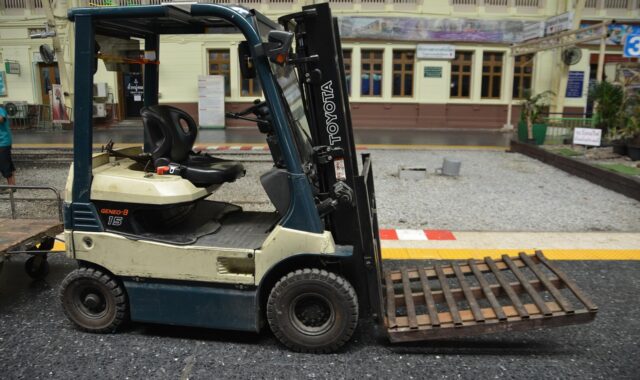
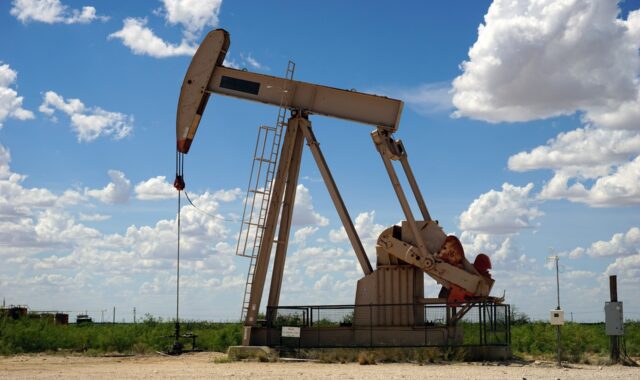
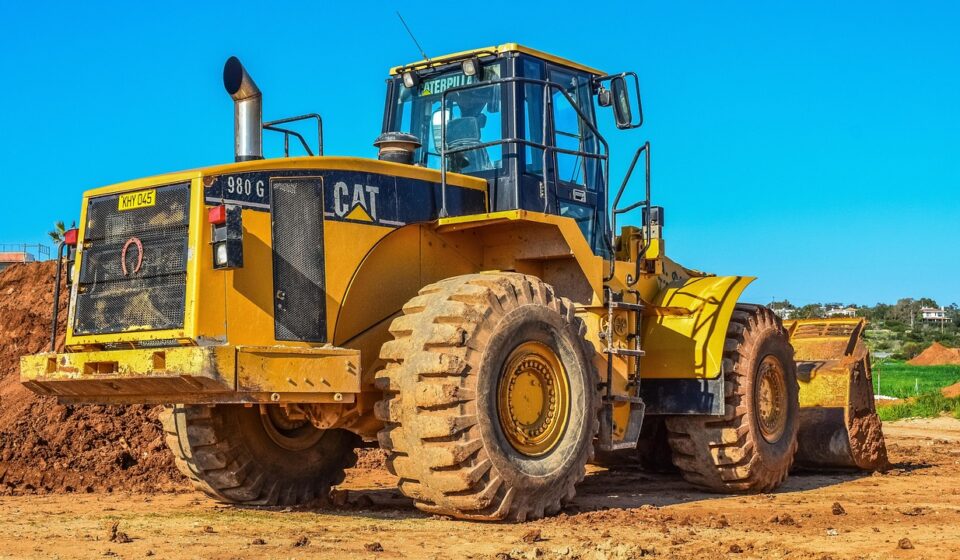
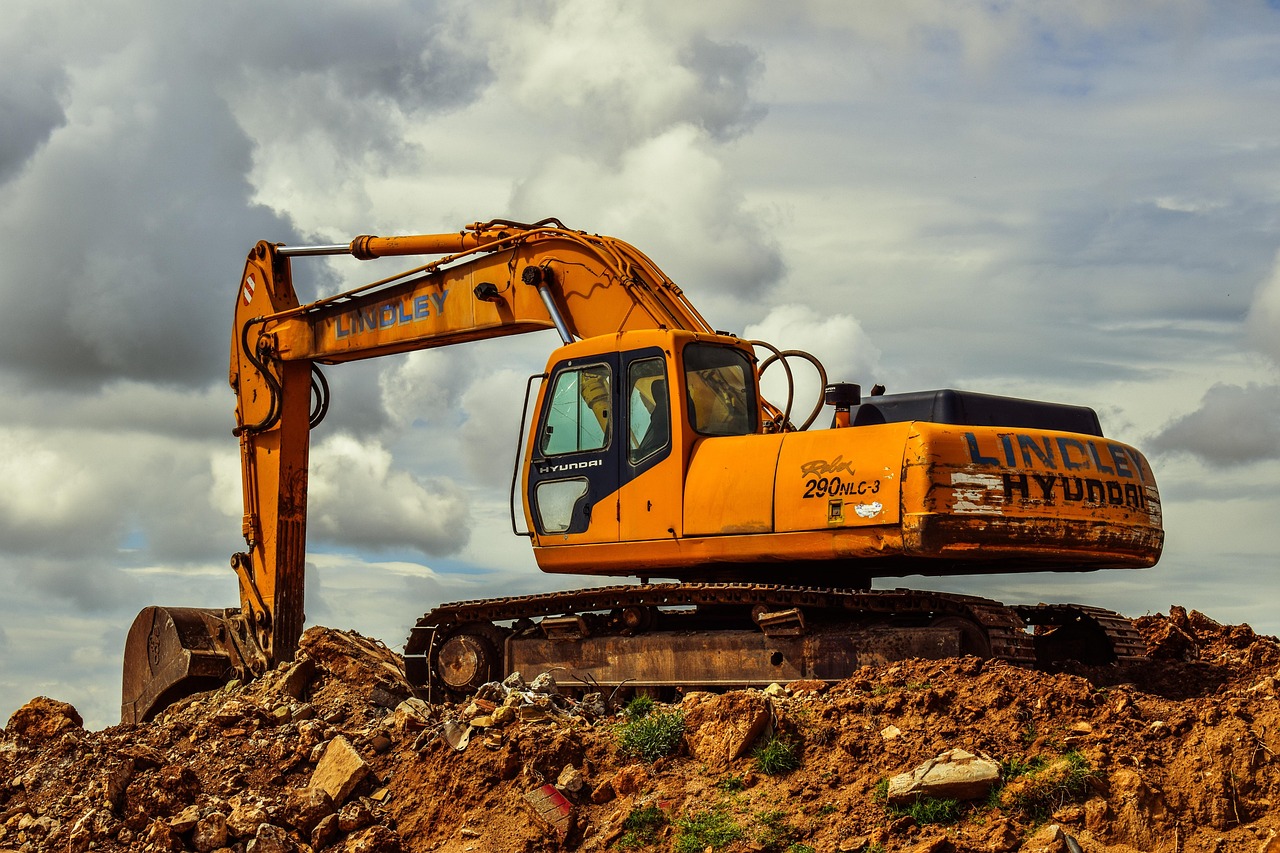
The term heavy equipment machinery covers a wide group of machines. Earthmoving equipment includes excavators, bulldozers, wheel loaders, graders and compactors. Lifting and handling equipment includes cranes, forklifts, telehandlers and reach stackers. Mining and quarry equipment includes haul trucks, drills, crushers and loaders. Roadbuilding machinery includes pavers, milling machines and rollers. Many industrial sites also rely on generators, pumps, compressors and other heavy nonroad machines that support production even when they do not directly move earth or materials.
Because these machines serve different jobs, buyers should avoid comparing them by purchase price alone. A low acquisition cost can be offset by high fuel consumption, weak parts availability, poor utilization, operator fatigue, downtime or limited compatibility with digital fleet systems. For a production site, the more useful comparison is total equipment productivity: how much useful output the machine can support per shift, per operator and per maintenance cycle.
In practical terms, that means evaluating five connected factors before purchase or rental:
- Application fit: soil, rock, payload, duty cycle, lift radius, travel distance and site layout.
- Utilization: expected hours per year, seasonal demand, idle time and rental-versus-own economics.
- Support network: parts availability, technician access, service intervals and warranty terms.
- Compliance: emissions rules, jobsite safety rules, noise restrictions and customer requirements.
- Data capability: telematics, diagnostics, fuel reporting, maintenance alerts and integration with fleet software.
Connectivity is turning machinery into measurable production capacity
Telematics and connected fleet management have moved from optional features to common decision criteria. Connected machines can report location, operating hours, fault codes, fuel use, idle time and maintenance status. For large fleets, this data helps managers identify underused assets, schedule preventive maintenance and reduce unplanned downtime. For smaller fleets, it can expose simple but costly patterns, such as excessive idling, poor dispatching or machines being assigned to tasks outside their most efficient operating range.
The Association of Equipment Manufacturers identified interoperability, data and connected equipment as important issues for equipment manufacturers in 2025. In May 2025, AEM also announced member-developed guidance documents intended to create more consistent language around autonomy, cybersecurity and data in the non-road equipment sector. That matters because a connected fleet is useful only when machine data can be trusted, protected and shared in formats that contractors, site owners and service teams can actually use.
For buyers, the key issue is not simply whether a machine has a telematics module. The key issue is whether the data can support decisions. A production manager should ask whether the system can export usable reports, whether fault alerts are timely, whether the dealer can use remote diagnostics, who owns the operating data and how cybersecurity responsibilities are divided among the manufacturer, dealer and fleet owner.
Electrification is growing, but diesel will remain part of mixed fleets
Electric heavy equipment is attracting more attention because it can reduce local exhaust emissions, lower noise and support projects with strict environmental requirements. Battery-electric compact excavators, loaders, forklifts and some underground mining machines are already suitable for defined duty cycles where charging can be planned. Larger machines are more complex because they require high energy density, long operating hours, demanding thermal management and reliable charging infrastructure.
As a result, the practical 2026 fleet is usually mixed rather than fully electric. Diesel engines remain central for high-load, long-shift and remote applications. Hybrid systems, alternative fuels, battery-electric machines and grid-connected charging will expand where the operating profile supports them. The decision should be based on duty cycle, not trend language. A compact loader working indoors or in an urban noise-sensitive area may be a strong electric candidate. A remote mining truck or heavy earthmoving machine working long shifts may still require diesel or another high-energy solution until infrastructure and machine economics improve.
Emissions compliance remains a major factor for diesel-powered nonroad machinery. The U.S. EPA states that its heavy equipment compression-ignition engine regulations apply to machines such as excavators, construction equipment, farm tractors, forklifts, generators, pumps and compressors. EPA’s Tier 4 program combined engine emission standards with cleaner fuel requirements, including a reduction in sulfur levels for nonroad diesel fuel by more than 99 percent to protect advanced emission-control systems. For buyers, the takeaway is straightforward: engine tier, aftertreatment condition, fuel quality and maintenance discipline are not administrative details. They directly affect compliance, uptime and resale value.
Autonomy and machine control are changing the operator’s role
Automation in heavy equipment machinery is advancing in layers. At one end are operator-assist tools such as grade control, payload weighing, lift limits, proximity alerts and automatic traction control. These functions help less-experienced operators work more consistently and help experienced operators maintain accuracy over long shifts. At the other end are autonomous haulage systems and controlled-site automation, especially in mining, quarrying and repetitive material movement.
Manufacturer reporting shows that autonomy is moving beyond demonstration projects in some controlled environments. Caterpillar’s 2025 annual report discussed an autonomous haul truck fleet and quarry applications, including a reported deployment at Luck Stone’s Bull Run Quarry that had hauled more than two million tons autonomously. This does not mean every jobsite is ready for autonomous machines. It does show that autonomy is becoming a production-planning topic where routes, traffic separation, communications networks and maintenance routines can be tightly controlled.
For many companies, the most realistic near-term value will come from semi-automated functions rather than full autonomy. Grade control can reduce rework. Payload monitoring can prevent overloads and improve truck matching. Remote diagnostics can shorten troubleshooting time. Collision-avoidance and object-detection systems can support safer operations, although they do not replace training, spotters, traffic plans or site supervision.
Safety must be designed into fleet planning, not added later
Heavy machinery can create severe hazards because of mass, blind spots, swing radius, stored energy, moving attachments and interaction with workers on foot. OSHA’s construction materials identify struck-by hazards as a major risk and state that a large share of struck-by fatalities involve heavy equipment such as trucks or cranes. OSHA also warns that workers can be exposed to hazards from unguarded machinery, being struck by heavy construction equipment, caught-between incidents and other construction-site dangers.
A strong safety program for heavy equipment machinery should combine technology with work procedures. Cameras, sensors, alarms and proximity detection can help, but they are not enough if traffic routes are unclear or workers regularly enter blind spots. The basics remain important: pre-operation inspections, seat belt use where required, maintained backup alarms, clear communication signals, exclusion zones, spotter training, lockout/tagout procedures and documented maintenance.
For production sites, safety should also be considered during machine selection. Visibility from the cab, access steps, handrails, lighting, service-point location, noise levels and ease of maintenance all affect risk. A machine that is difficult to inspect or service may encourage shortcuts. A machine with poor visibility may require additional site controls. The safest purchase is not always the machine with the longest feature list; it is the machine whose design, support and operating environment work together. See also: automation systems.
Workforce pressure makes usability and training more valuable
Heavy equipment machinery depends on skilled operators, technicians and supervisors. The U.S. Bureau of Labor Statistics describes construction equipment operators as workers who drive, maneuver or control heavy machinery used to build roads, buildings and other structures. BLS Occupational Outlook Handbook data reports a May 2025 median annual wage of $59,600 for construction equipment operators, 534,100 jobs and projected employment growth of 4 percent from 2025 to 2035, with about 42,500 openings per year on average.
Those numbers point to a practical challenge: even as machines become more automated, companies still need people who understand machine behavior, jobsite conditions, maintenance requirements and digital tools. Operator-assist systems can reduce the learning curve, but they do not remove the need for training. In some cases, advanced machines require more technical knowledge because operators must interpret warnings, calibrate systems and work with data-driven maintenance processes.
Training should therefore be tied to the actual machine and site conditions. A generic safety briefing is not enough for a new telehandler, crane, dozer or autonomous-support environment. Effective programs include machine walkarounds, attachment-specific procedures, load charts where relevant, blind-spot awareness, emergency shutdown steps, daily inspection records and refresher training after incidents or near misses.
A practical evaluation framework for heavy equipment machinery
When comparing machines, a structured checklist helps avoid decisions based only on horsepower, brand familiarity or short-term price. The following framework can be used for purchase, rental renewal or fleet standardization reviews.
| Decision area | Why it matters in 2026 | Questions to ask |
|---|---|---|
| Duty cycle | Determines fuel use, wear, charging needs and machine size | How many hours per shift will the machine work, and at what load? |
| Site conditions | Ground, weather, slope and traffic affect safety and productivity | Will the machine operate indoors, in dust, on slopes or near workers on foot? |
| Energy and emissions | Diesel tier, electric charging and fuel quality affect compliance | Does the machine meet applicable emissions and customer requirements? |
| Connectivity | Data supports maintenance, utilization and cost control | Can telematics data be exported and used by fleet managers? |
| Service support | Downtime can cost more than the price difference between models | Are parts, technicians and diagnostic tools available locally? |
| Operator readiness | Advanced features add value only when crews can use them correctly | What training is needed before the machine enters production? |
| Resale and lifecycle cost | Residual value depends on condition, hours, compliance and records | Can maintenance history and usage data support future resale? |
This framework also helps decide whether to buy, lease or rent. High-utilization core machines may justify ownership because maintenance, customization and operator familiarity create long-term value. Specialized machines with uncertain demand may be better rented, especially when technology is changing quickly or when a project requires a machine for only a limited period.
What this means for industrial and production equipment planning
The most important change in heavy equipment machinery is the shift from equipment as a standalone asset to equipment as part of a production system. A loader affects truck cycles. A crane affects installation speed and site layout. A generator affects uptime for temporary operations. A connected excavator affects estimating, maintenance and documentation. Decisions made at purchase can shape safety, emissions performance and productivity for years.
In 2026, stronger equipment planning should involve maintenance teams, operators, safety managers, finance staff and digital systems managers before a machine is specified. This cross-functional approach reduces the risk of buying a technically capable machine that does not fit the site, the workforce or the data environment. It also encourages companies to treat training, charging or fueling, spare parts and software access as part of the equipment package rather than after-purchase problems.
The outlook is not a simple replacement of old machinery with electric or autonomous machines. It is a gradual move toward mixed fleets that combine proven diesel assets, cleaner engines, targeted electrification, connected diagnostics, operator-assist technology and stronger safety systems. Companies that evaluate machinery through that wider lens will be better prepared for cost pressure, compliance changes and workforce constraints.
Frequently asked questions
What is included in heavy equipment machinery?
Heavy equipment machinery includes large machines used for earthmoving, lifting, hauling, roadbuilding, mining, quarrying, material handling and industrial support. Common examples include excavators, loaders, bulldozers, cranes, graders, compactors, haul trucks, forklifts, generators, pumps and compressors.
Is electric heavy equipment ready for all applications?
No. Electric equipment is most practical where the duty cycle is predictable, charging access is reliable and noise or local emissions are important concerns. Diesel and hybrid machines still remain important for heavy loads, long shifts, remote sites and applications where charging infrastructure is not yet practical.
How does telematics improve heavy equipment operations?
Telematics can report operating hours, location, fuel use, idle time, fault codes and maintenance status. This helps fleet managers reduce downtime, improve utilization, schedule service and identify inefficient operating patterns.
Why is safety such a major factor in equipment selection?
Heavy machines create serious risks because of blind spots, machine weight, moving attachments and interaction with workers on foot. Selecting equipment with good visibility, safe access points, maintained alarms, serviceable components and suitable operator-assist systems can support a stronger safety program.
Should companies buy or rent heavy equipment machinery?
Ownership is often better for machines with high utilization, predictable long-term demand and strong maintenance support. Renting may be better for specialized tasks, short projects, uncertain workloads or situations where technology requirements may change quickly.