How to evaluate construction equipment suppliers for uptime and lifecycle value
What buyers should expect from construction equipment suppliers now
Construction equipment suppliers should be judged by how well they protect uptime, match equipment to actual jobsite conditions and support the machine after delivery. The lowest quoted price matters, but it does not show whether a supplier can keep a fleet working when schedules tighten or components fail.
That discipline is especially important in 2026 because the market picture is uneven. U.S. construction spending in July 2026 was estimated at a seasonally adjusted annual rate of $2,157.6 billion, 3.8% below July 2025, while private nonresidential construction still increased from June to July. (census.gov) Rental also remains a major sourcing option. The American Rental Association forecast, as reported by Crane Hot Line, projected U.S. construction and industrial equipment plus general tool rental revenue to reach $83.5 billion in 2026. (cranehotline.com)
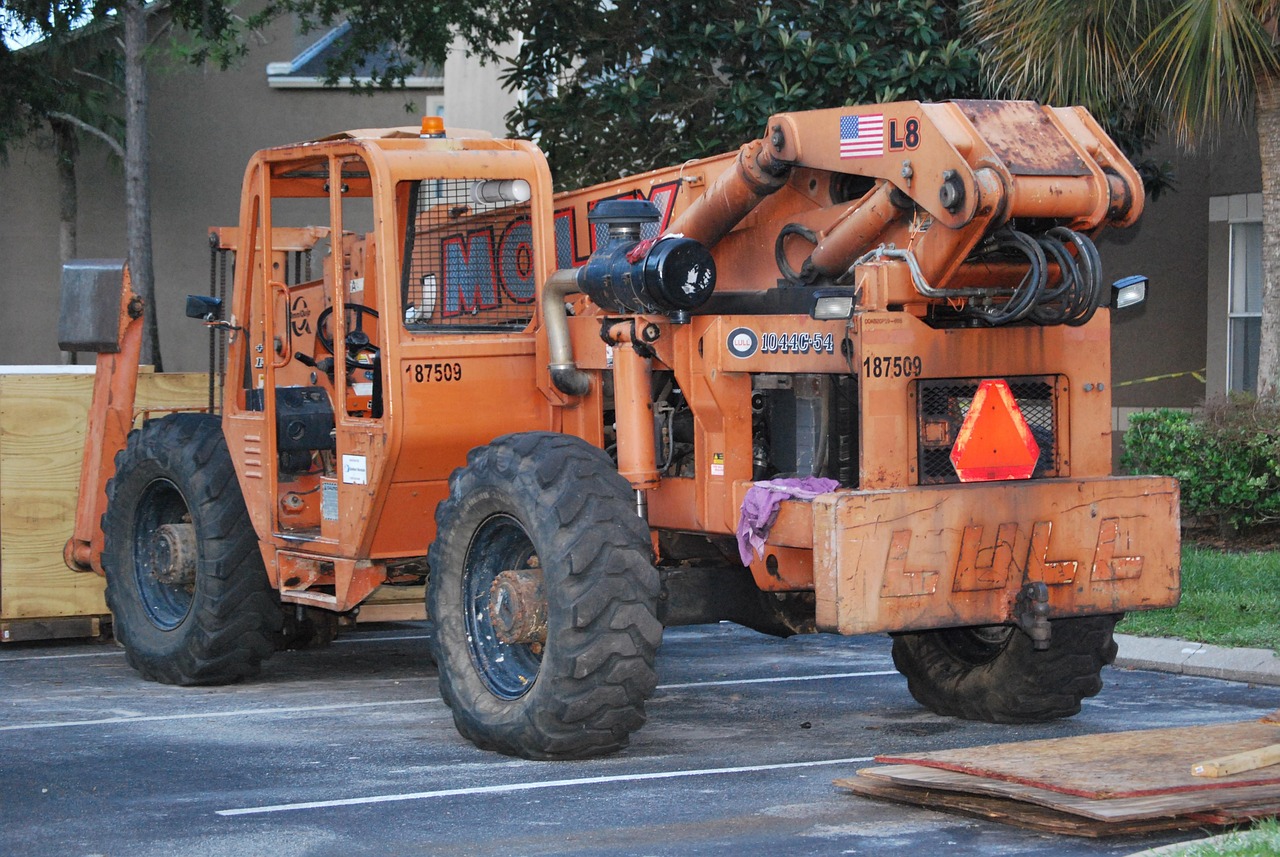
For contractors, plant owners, rental fleets and industrial buyers, the practical question is not simply whether to use a large dealer, a specialist supplier or a rental provider. The better question is which supplier can document machine fit, service response, parts access, compliance readiness and data visibility across the full operating life. For related industrial sourcing coverage, see the production equipment section.
Supplier types and where each model fits
Authorized OEM dealers
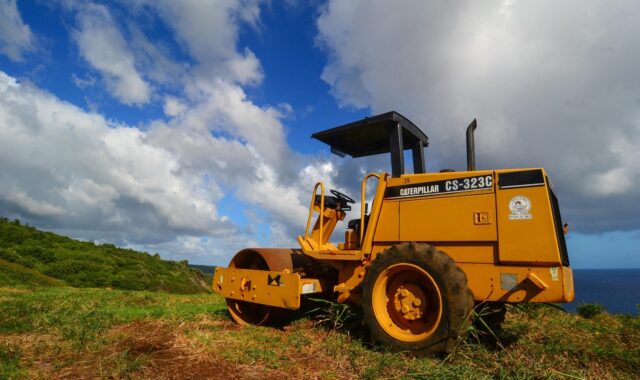
Authorized dealers are often the safest route when the buyer needs factory-backed warranty handling, certified technicians, model-specific diagnostics and dependable parts channels. They are especially useful for excavators, wheel loaders, compactors, cranes, paving equipment and other machines where electronic controls, emissions systems and hydraulic integration make informal support risky. The trade-off is that pricing may be less flexible, and lead times can still depend on manufacturer allocation.
Rental providers
Rental suppliers fit projects with uncertain duration, changing work scopes or machines that will not reach high annual utilization. Rental also gives buyers access to newer equipment without adding long-term debt or holding idle assets after a project ends. The main risk is availability during peak periods, so rental buyers should confirm reservation terms, substitution rules, delivery windows, damage policies and whether telematics reports or utilization records are available.
Used equipment dealers and auction channels
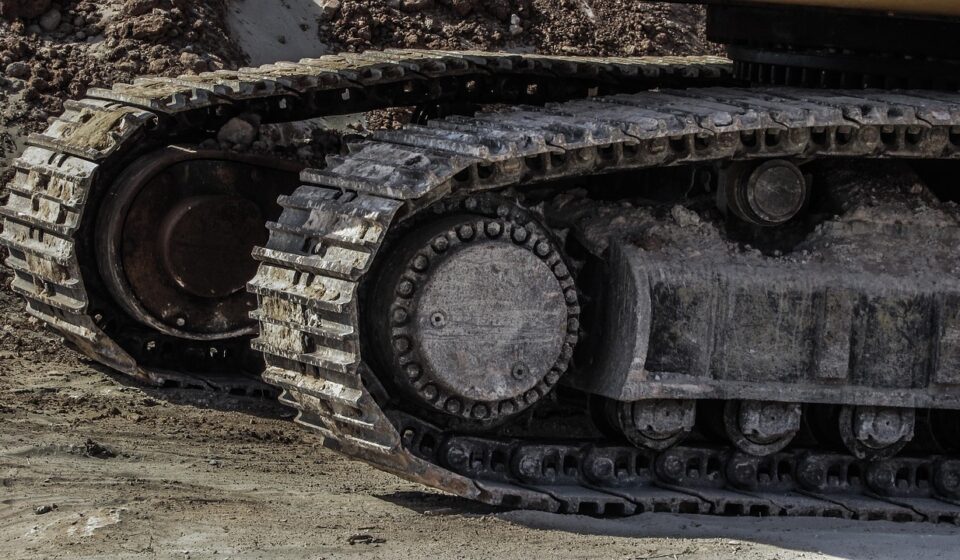
Used equipment can reduce upfront cost, but the supplier must provide enough documentation to make the risk measurable. Buyers should ask for service history, hour-meter validation, inspection reports, fluid analysis where available, emissions system status, attachment compatibility and any lien or title documentation required in the market. A lower purchase price can disappear quickly if the machine soon needs undercarriage work, hydraulic repair, software access or major components.
Specialty suppliers and attachment partners
Specialty suppliers are valuable when the job depends on attachments, power systems, lifting accessories, demolition tools, compaction systems or job-specific modifications. In these cases, the buyer should evaluate the complete working system rather than the base machine alone. Attachment flow rates, hydraulic pressure, coupler standards, lifting charts, guarding, operator training and replacement wear parts should be reviewed before signing the purchase or rental agreement.
Evaluation criteria that protect uptime and lifecycle cost
The strongest construction equipment suppliers can explain a machine recommendation in operational terms. They should connect horsepower, breakout force, lift capacity, ground pressure, emissions configuration, transport dimensions, fuel type, attachment interface and operator visibility to the actual work. A supplier that cannot discuss duty cycle and site constraints may be selling available inventory rather than solving an equipment problem.
Compliance support is also part of supplier quality. In the United States, EPA regulations for nonroad compression-ignition engines cover equipment such as excavators, construction machines, forklifts, generators and compressors. EPA states that Tier 4 standards rely on advanced emission control technologies and that ultra-low sulfur diesel fuel has a maximum sulfur concentration of 15 parts per million. (epa.gov) Buyers should therefore confirm engine tier, aftertreatment condition, diesel exhaust fluid requirements where applicable and whether the machine is suitable for the jurisdiction and project owner requirements.
Digital access is another differentiator. ISO/TS 15143-3:2020 defines a communication schema for mobile machinery status data from a telematics provider server to customer applications, and AEM describes Part 3 of the ISO 15143 series as covering common status and health data collected by OEMs or third-party telematics suppliers. (iso.org) This matters for mixed fleets because buyers may need operating hours, location, fuel use, fault codes and maintenance alerts in one fleet management system instead of several disconnected portals.
Safety documentation should be checked before delivery, not after a machine reaches the jobsite. OSHA requires, in certain circumstances, a reverse signal alarm or an observer when motor vehicle equipment with an obstructed rear view is backed up on construction sites. (osha.gov) A practical supplier should help verify alarms, mirrors, cameras, lights, manuals, inspection points and training materials as part of handover.
Due diligence matrix for comparing suppliers
A structured comparison keeps buyers from over-weighting purchase price. The following matrix can be adapted for purchasing, renting or leasing heavy construction equipment.
| Evaluation area | What to verify | Why it matters |
|---|---|---|
| Machine fit | Capacity, reach, hydraulic flow, dimensions, ground conditions and attachment match | Prevents underpowered equipment, unsafe improvisation and productivity losses |
| Availability | Confirmed delivery date, substitute model policy and peak-season capacity | Reduces schedule risk when project windows are tight |
| Service coverage | Technician locations, response targets, mobile service trucks and escalation process | Shortens downtime when failures occur |
| Parts support | Critical wear parts, filters, hoses, undercarriage, tires and long-lead components | Improves maintenance planning and repair predictability |
| Compliance | Engine tier, manuals, inspection records, safety devices and jurisdictional requirements | Helps avoid jobsite rejection, fines or operating restrictions |
| Data access | Telematics portal, API access, mixed-fleet compatibility and data ownership terms | Supports utilization tracking, preventive maintenance and theft recovery |
| Commercial terms | Warranty, rental damage rules, return conditions, freight, training and financing | Reveals the true cost beyond the headline machine price |
How market signals affect sourcing decisions
Market conditions should shape the supplier strategy. When overall construction spending softens, some buyers delay purchases and extend fleet life. That can make parts support, repair capability and used equipment inspection more important. At the same time, selective growth in nonresidential, infrastructure, energy, manufacturing or data-related projects can still create local shortages in specific categories such as generators, telehandlers, aerial work platforms, compact excavators, trenching equipment and power distribution assets. See also: automation systems.
Supplier resilience also deserves attention because equipment manufacturing supply chains are complex. AEM noted in its 2025 discussion of equipment manufacturing trends that the off-road equipment industry may involve supply chains more than 20 layers deep and products with more than 100,000 parts from many unique suppliers. (aem.org) The buyer cannot control that entire chain, but can ask direct questions: Which parts are stocked locally? Which components have long lead times? Are remanufactured components available? Can the supplier provide a preventive maintenance kit schedule? How are warranty claims handled when a component supplier is involved?
Rental growth also changes the negotiation. If a project is uncertain, renting first can test machine size, attachment selection and operator acceptance before a purchase. If utilization becomes consistent, the same supplier may offer a rent-to-purchase path. Buyers should compare the conversion formula, accumulated rental credit, maintenance responsibility and final warranty status before treating rent-to-purchase as equivalent to a standard sale.
Contract details, red flags and handover questions
A strong supplier agreement should define more than model number and price. It should identify included attachments, freight terms, commissioning support, warranty start date, response expectations, preventive maintenance intervals, operator orientation, telematics access and return or exchange conditions. For rental, the agreement should also clarify overtime meter rates, fuel and DEF requirements, cleaning charges, damage exclusions, tire or track wear rules and what happens if the supplied machine does not meet the reserved specification.
Red flags include vague delivery dates, missing serial numbers, unclear ownership documents, no written warranty, refusal to provide inspection records, no local parts plan, pressure to accept a machine that does not match the application and limited knowledge of emissions or safety requirements. A supplier that cannot explain service escalation before the sale is unlikely to manage downtime well after the sale.
Before delivery, ask these handover questions:
- What exact model, serial number, engine configuration and attachments will be delivered?
- Which inspections have been completed, and who signs the pre-delivery report?
- What are the first 50-hour, 250-hour and 500-hour service expectations?
- Who provides operator orientation, and what documentation is included?
- How are fault codes, telematics alerts and urgent service calls handled?
- Which wear items are stocked locally, and which require factory ordering?
- What conditions void warranty or create rental damage charges?
The practical goal is to turn supplier selection into a risk-control process. Good construction equipment suppliers reduce uncertainty around machine performance, downtime, compliance and total cost. Poor suppliers transfer hidden risk to the buyer through incomplete information, weak support and unclear terms.
Frequently asked questions
What should buyers ask construction equipment suppliers first?
Start with the application, not the machine. Ask how the supplier would size equipment for the soil conditions, lift requirements, duty cycle, transport limits, emissions rules, attachments and expected utilization. A credible supplier should explain trade-offs between models and provide written specifications.
Is renting better than buying construction equipment?
Renting is often better for short, uncertain or specialized projects. Buying can be stronger when utilization is high, maintenance capability is established and the machine will serve multiple projects. The right answer depends on annual hours, financing cost, resale value, service support and project risk.
How important is telematics when choosing a supplier?
Telematics is increasingly important for mixed fleets because it helps track hours, location, idle time, maintenance alerts and utilization. Buyers should confirm whether data can be exported, who controls access and whether the supplier supports mixed-brand fleet systems.
What is the biggest hidden cost in equipment sourcing?
Downtime is often the largest hidden cost. A low machine price can be outweighed by weak service response, unavailable parts, poor attachment fit, compliance problems or operator training gaps. Supplier evaluation should therefore include support capacity, not only acquisition cost.