Caterpillar construction equipment in 2026 and what fleet buyers should watch
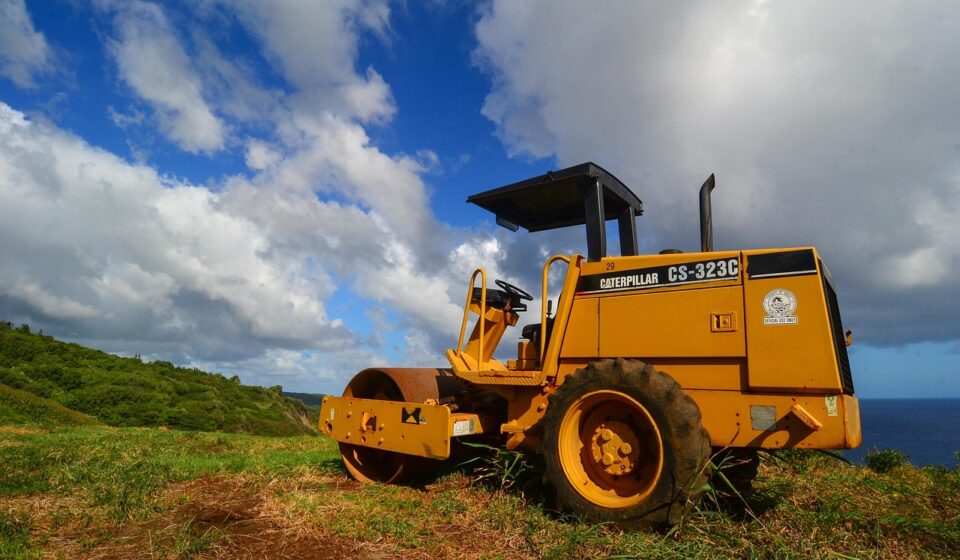
Caterpillar construction equipment remains a key benchmark for contractors comparing excavators, loaders, dozers, graders, paving machines, compact equipment and attachments. In 2026, the purchase decision is not limited to machine size, horsepower or bucket capacity. Fleet managers are also weighing dealer support, connected-machine data, operator-assist features, rental flexibility, service planning and total cost of ownership.
Caterpillar’s 2025 Annual Report and 2026 Construction Industries investor materials point in the same direction: the Cat equipment portfolio is being positioned as an integrated jobsite system that combines machines, services, financing, rental access and digital tools. For readers tracking broader machinery developments, the production equipment category provides related industry context.
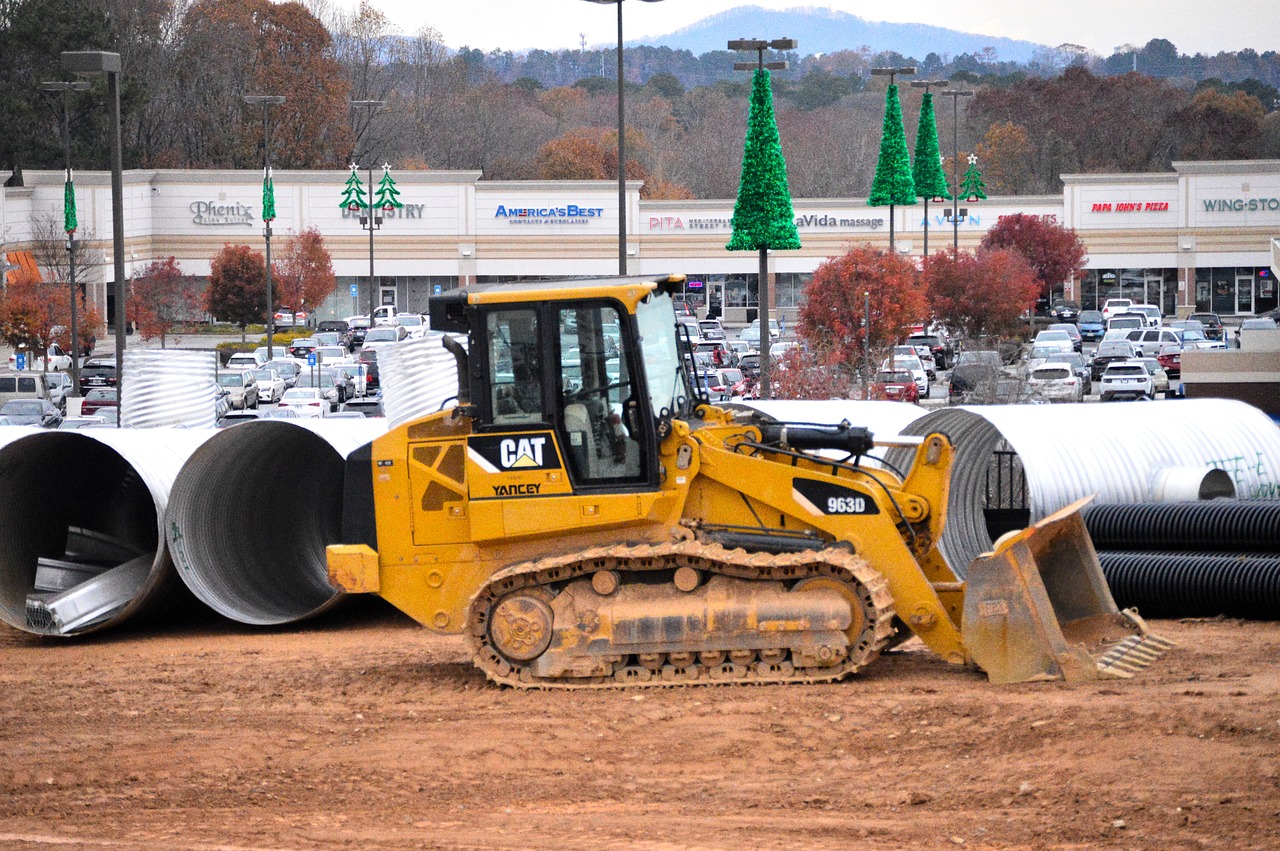
What counts as Caterpillar construction equipment
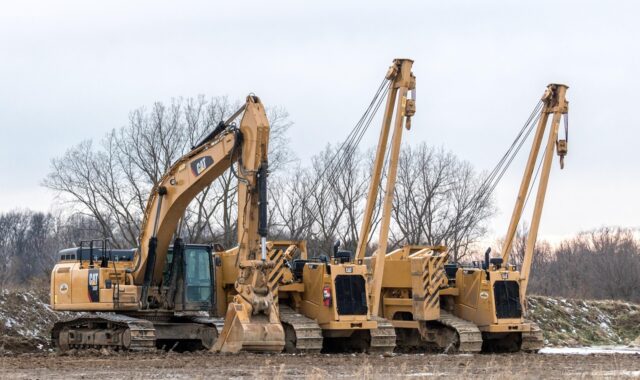
Caterpillar construction equipment covers machines used in earthmoving, site preparation, roadbuilding, material handling, grading, demolition support, utility work, landscaping and compact urban jobsites. The Cat brand is common on large civil projects and in smaller contractor fleets because the range runs from mini excavators and compact track loaders to large dozers and wheel loaders.
For buyers, the important point is that a Cat machine is often selected as part of a work system. An excavator may need buckets, thumbs, hammers or compaction attachments. A loader may need payload monitoring, different bucket profiles or quick couplers. A dozer may need grade control, slope assist or GPS-guided site control, depending on the work. The machine family matters, but so do the tools, software and support behind it.
| Equipment family | Typical construction role | Fleet question to ask |
|---|---|---|
| Hydraulic excavators | Digging, trenching, loading trucks, demolition support and site preparation | What reach, lift capacity, bucket package and grade technology are needed? |
| Wheel loaders | Loading aggregates, handling materials, feeding plants and general site cleanup | Is the priority production loading, fuel efficiency, visibility, payload accuracy or versatility? |
| Dozers | Cutting, pushing, spreading, grading and land clearing | Will the job benefit from assist features, grade control or electric-drive options? |
| Motor graders and paving machines | Roadbuilding, fine grading, asphalt placement and surface finishing | How important are surface accuracy, operator consistency and maintenance access? |
| Compact equipment | Landscaping, utilities, residential work, snow removal and tight-access jobsites | Will attachment flexibility and transportability matter more than raw production? |
The market story is shifting from machines to fleet outcomes
Caterpillar’s 2026 Construction Industries overview listed 2025 Construction Industries sales and revenues at $25.1 billion. The same investor materials described the segment through customer outcomes such as safety, productivity, labor, cash flow and ease of doing business. That framing helps explain why current fleet decisions increasingly include telematics, service agreements, rental access and dealer capacity alongside machine specifications.
In its 2025 Annual Report, Caterpillar said it had more than 1.6 million connected and reporting assets in 2025. That number matters because connected equipment changes how owners manage machines. Instead of relying only on hour meters and operator notes, owners can track utilization, idle time, location, fault codes, maintenance intervals and productivity indicators across a mixed fleet. For large contractors, that supports capital planning. For smaller contractors, it can help identify underused equipment before cash is committed to the wrong asset.
Cat’s official construction materials also emphasize the dealer network. Dealer support is not just a sales channel. It affects uptime, parts availability, planned maintenance, rebuild decisions, rental replacements and training. A machine with strong specifications can still underperform if local service capacity is limited during peak season.
Key technology layers around Cat construction machines
The most visible change in Caterpillar construction equipment is the shift from stand-alone mechanical performance to technology-supported operation. The main categories include grade, payload, detect, assist, remote monitoring and autonomy. These terms are not interchangeable, and buyers should avoid treating every technology label as a full automation claim.
Grade and assist features
Grade technologies help operators dig, cut or finish to a target surface with less rework. On excavators, this may involve depth and slope guidance. On dozers and graders, it may support more accurate blade control. Assist features can reduce repeated manual inputs and help less experienced operators work more consistently. The practical value is usually measured in fewer passes, less staking, lower rework and more predictable production.
Payload and productivity tracking
Payload systems help loaders, excavators and trucks understand how much material is being moved. For quarry, roadbuilding and site development work, payload visibility can reduce overloading, underloading and truck-cycle imbalance. It also gives managers a better view of actual production instead of relying on estimates alone.
VisionLink and connected fleet management
Caterpillar materials describe VisionLink as a fleet insight platform for equipment management and productivity tracking. The business case is strongest when managers use the data actively. A dashboard by itself does not lower cost. Value comes from acting on alerts, scheduling maintenance before failure, reducing excessive idle time, balancing fleet utilization and identifying machines that should be rented, redeployed or replaced.
Autonomy and remote control
Caterpillar has decades of autonomy experience in mining and is extending elements of that capability toward construction. Its construction autonomy pages identify loaders, dozers, haul trucks, excavators and soil compactors as categories where autonomous machines are expected to appear as testing and field learning progress. The important limitation is that construction jobsites are more variable than many controlled mining haul routes. People, utilities, subcontractors, traffic patterns and daily site changes make construction autonomy a gradual deployment path rather than a simple switch.
Notable 2026 developments to understand
Several 2026 Caterpillar announcements and investor materials show where the company is placing emphasis. These developments do not mean every contractor should immediately change buying plans, but they do help explain the direction of the product portfolio.
| Date or period | Development | Why it matters |
|---|---|---|
| January 2026 | Caterpillar highlighted autonomy solutions across remote control, process automation and autonomous fleets. | It shows continued movement from equipment-only sales toward machine intelligence and supervised automation. |
| March 1, 2026 | At CONEXPO-CON/AGG, Caterpillar previewed compact equipment and announced updates across attachments, pavers, graders and dozers. | Compact and attachment-led versatility remains a priority for contractors working across changing job types. |
| 2026 investor materials | Caterpillar identified Cat Compact, rental, services, digital and technology as growth platforms for Construction Industries. | The strategy points to easier access, lifecycle support and digital management as part of the equipment value proposition. |
| September 9, 2026 | Caterpillar announced the Cat D11 Xe electric-drive dozer for high-production applications. | Large-machine powertrain development remains important, even though many electrification steps are still application-specific. |
The practical takeaway is that Caterpillar is not moving in only one direction. It is developing compact machines for smaller jobsites, digital platforms for fleet management, rental pathways for flexible access, and advanced powertrain or autonomy projects for high-production environments. Buyers should connect those developments to their own job mix instead of assuming the newest technology is automatically the best fit. See also: automation systems.
How to evaluate Caterpillar construction equipment for a fleet
A practical evaluation should start with work requirements before brand preference. Caterpillar is a major equipment brand, but the right machine still depends on soil conditions, haul distance, duty cycle, operator skill, transport limits, attachment needs, financing structure and support coverage.
- Define the primary production task. A loader that spends most of its time stockpiling aggregate should be evaluated differently from one used for cleanup, snow work or pipe-yard handling.
- Match size to utilization. Oversizing can raise fuel, transport and ownership costs. Undersizing can slow production and shorten machine life through constant overload.
- Compare attachment needs early. Buckets, couplers, forks, grapples, breakers and grading tools may determine the real value of a compact loader or excavator.
- Check technology readiness. Grade, payload and fleet-management tools are useful only when the team can set them up, train operators and act on the data.
- Calculate uptime support. Ask how quickly parts, field service, rental replacements and planned maintenance can be handled in the region where the machine will work.
- Review ownership structure. New purchase, used purchase, lease and rental all have different cash-flow implications. Rental can be useful for uncertain project pipelines or seasonal peaks.
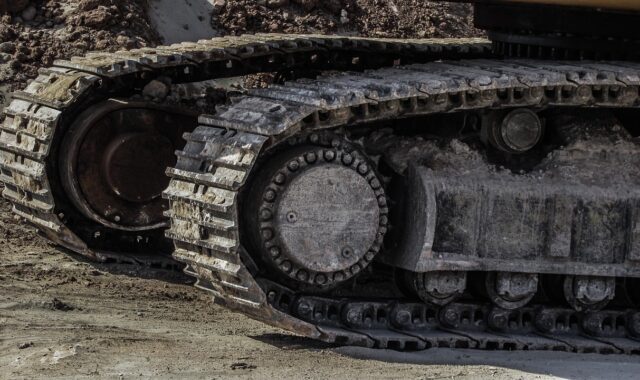
Total cost of ownership should include acquisition price, financing cost, fuel, wear parts, undercarriage or tire expense, maintenance, downtime, resale value, technology subscriptions, attachment costs and operator productivity. A lower purchase price can lose its advantage if the machine is often down for service or poorly matched to the job.
Limits and watch points
Contractors should be cautious with broad claims around automation, electrification and artificial intelligence. These technologies are real, but their readiness varies by machine category, application and site conditions. A quarry haul route, a highway project and a congested urban utility job are very different operating environments.
Pricing is another area where public information is limited. Cat equipment prices can vary by dealer, region, configuration, attachments, finance terms, taxes, transport and availability. Public web pages may show examples or local dealer pricing tools, but they should not be treated as universal price lists. For budgeting, comparable quotes should use the same machine configuration, warranty assumptions, service plan and delivery conditions.
Finally, the value of connected equipment depends on management discipline. If fault alerts are ignored, idle reports are not reviewed and preventive maintenance is delayed, telematics becomes a cost rather than a performance tool. The strongest results usually come from pairing the machine with clear operating procedures and accountable fleet management.
Frequently asked questions
Is Caterpillar construction equipment only for large contractors?
No. Caterpillar serves large civil contractors, quarry and infrastructure operators, rental fleets and smaller businesses. Compact track loaders, skid steer loaders, mini excavators and compact wheel loaders are aimed at tighter jobsites and smaller fleets, while large dozers, excavators and loaders support heavy production work.
What is the difference between Caterpillar and Cat equipment?
Caterpillar Inc. is the company, while Cat is the well-known equipment brand used across many machines, engines, parts, services and digital tools. In common jobsite language, contractors often say Cat equipment when referring to Caterpillar construction machines.
Are Cat construction machines autonomous now?
Some Caterpillar autonomy technologies are already established in mining, and Caterpillar has publicly discussed expanding autonomy into construction categories such as loaders, dozers, haul trucks, excavators and compactors. However, availability and capability depend on the application, machine type, dealer offering and site readiness. Buyers should verify exact functionality before specifying a machine.
Should a contractor buy or rent Caterpillar construction equipment?
Buying can make sense when utilization is high, work is predictable and long-term ownership cost is favorable. Rental can be better for short projects, specialized tasks, seasonal peaks or uncertain workloads. A mixed strategy is common: own core machines and rent specialty or peak-demand equipment.
What is the main trend in Caterpillar construction equipment?
The main trend is integration. Caterpillar construction equipment is increasingly tied to connected fleet data, operator-assist systems, planned services, rental channels, attachments and dealer support. The machine still matters, but the surrounding system now plays a larger role in productivity and ownership cost.