How Do You Choose the Best GMAW Welding Machine for Industrial Work?
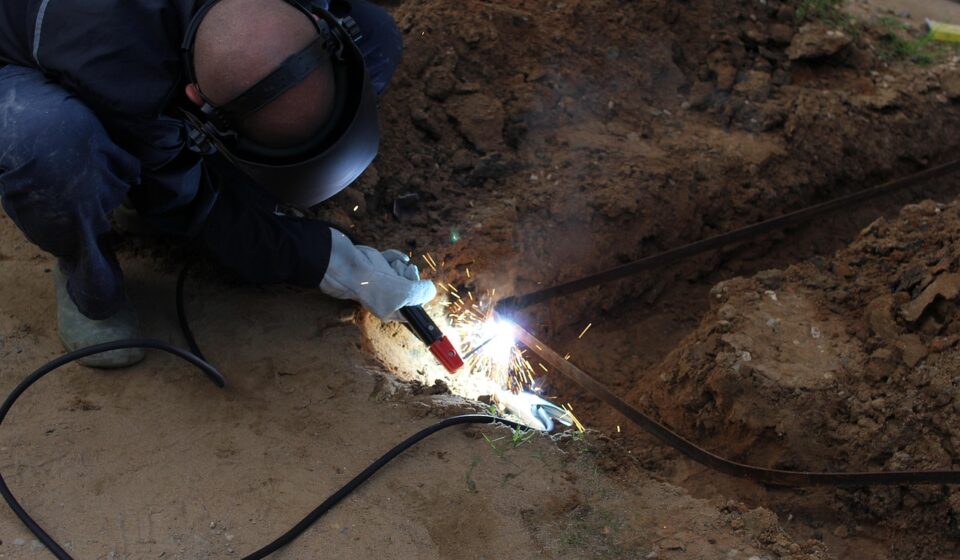
What Is a GMAW Welding Machine and Why Does It Matter?
A GMAW welding machine is worth looking at when your shop needs quick, repeatable welds on steel, stainless steel, or aluminum parts. If you are checking industrial equipment for a workshop, production cell, or maintenance bench, this guide sits well with other buying guides used for machine selection.
Gas metal arc welding, often called MIG or MAG in normal shop talk, uses a continuously fed wire electrode and shielding gas to join metal. The American Welding Society described GMAW in June 2025 as a process used for speed and flexibility in automotive, aerospace, energy, and manufacturing work. Buyers like it for a simple reason: it keeps the arc running and reduces stops. A good machine also helps control wire feed, arc voltage, heat input, and gas coverage as one working system. (aws.org)
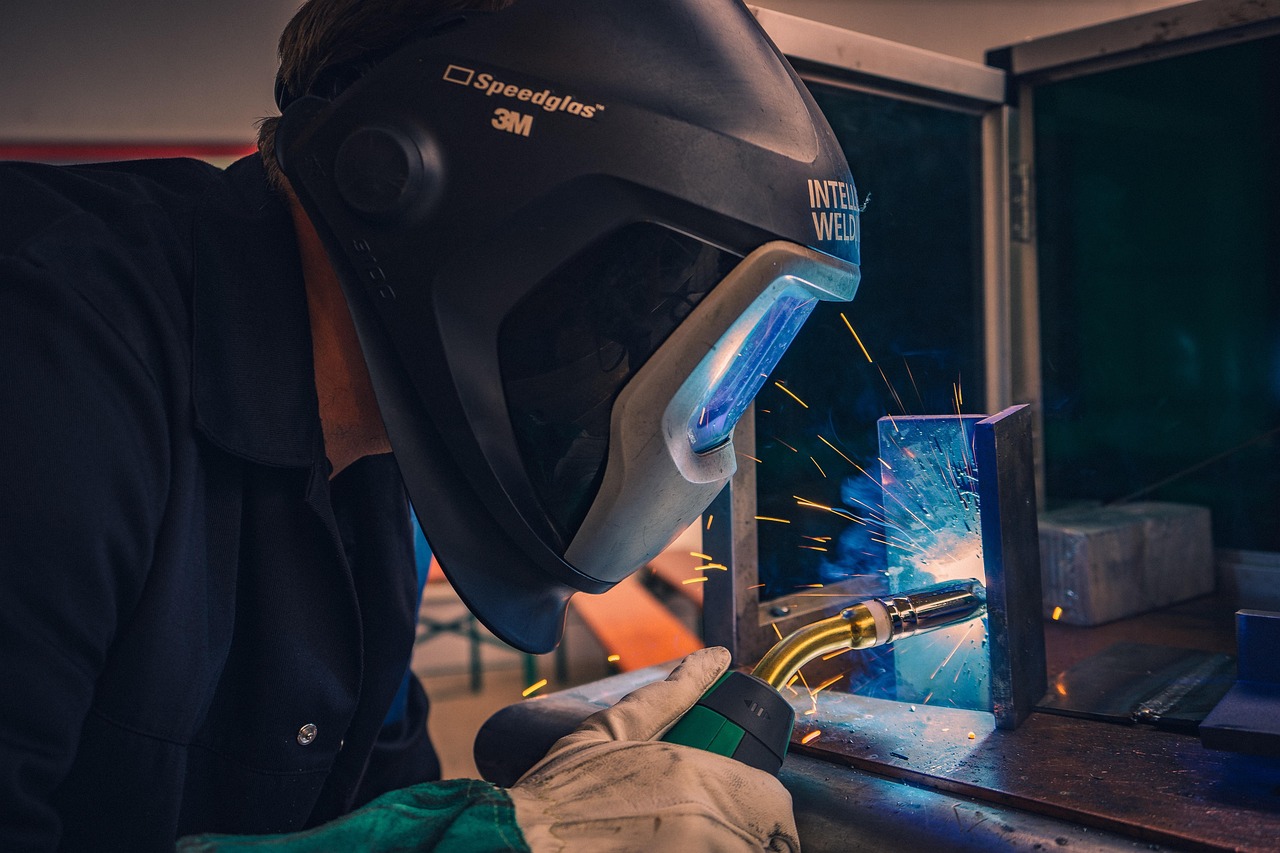
Continuous Wire Feed and Shielding Gas
The basic working idea of GMAW is easy to understand. Wire comes through the gun, current makes the arc, and shielding gas keeps air away from the molten pool. For carbon steel, many shops use solid ER70S-6 wire with an argon and CO2 mix, often called C25 in North America. For aluminum, 100% argon is common. The machine has to feed wire evenly, because a small slip in feed can cause spatter, burnback, or an uneven bead.
Fast Welds for Production Lines
GMAW often works faster than stick welding on repeat parts because the operator does not stop every few inches to change electrodes. That extra arc-on time matters on a trailer frame line, cabinet plant, or conveyor shop. The machine still has to fit the real pace of the work. A 180 amp unit may handle brackets all day, but it will struggle on thick frames with long fillet welds.
MIG, MAG, and GMAW Naming
MIG uses inert gas, while MAG uses active gas. In many shops, people still say MIG for both, especially when they are talking about wire welding. GMAW is the wider technical term. When you send a purchase request, use GMAW and list the gas, wire, base metal, and weld position so the supplier knows you mean an industrial setup, not a small hobby MIG machine.
How Do You Match Output Power to Real Shop Work?
Do not choose a welder only by the largest number printed on the front panel. Rated output, duty cycle, input power, and material thickness all need to be checked together. A machine may look fine in a brochure, then slow the line when operators weld long beads at high amperage in a hot workshop.
Amperage Range for Material Thickness
Thin sheet work needs a low arc that stays steady. Heavy plate needs enough current for fusion without forcing the operator to travel too slowly. For general fabrication, a 250 to 350 amp class machine is often a practical middle choice. For structural beams, tanks, thick agricultural parts, or robotic cells, 400 to 500 amp machines are more suitable. List the thinnest and thickest materials before you ask for a quote.
Duty Cycle for Arc-on Time
Duty cycle is not a flashy spec, but it affects daily output. MillerWelds explains duty cycle as a percentage of a 10 minute period. A 30% duty cycle at a stated output means three minutes of welding and seven minutes for cooling. For maintenance work, that may be acceptable. For a production line, those cooling stops can turn into lost hours. (millerwelds.com)
Input Power and Plug Planning
Check whether the shop has single phase or three phase power, then check the voltage. Many industrial machines need 380V, 400V, 415V, 460V, or 575V, depending on the market. Multi-voltage input helps if the same equipment may move between plants. Also ask about breaker size, extension cable limits, and generator use. A welder is not only a box on the floor; it is part of the shop electrical system.
Which Transfer Mode Should You Choose?
Transfer mode means the way molten metal moves from the wire to the weld pool. It affects bead shape, spatter, heat input, and welding position. If the transfer mode is wrong for the job, even a good machine can feel rough, especially on thin sheet or out-of-position welds.
Short-Circuit Transfer for Thin Parts
Short-circuit transfer is a common choice for thin steel and repair work. The wire touches the work, the arc cycles fast, and heat input stays fairly low. It is useful for tacking frames, welding sheet, or dealing with fit-up that is not perfect. The downside is more spatter and lower deposition compared with spray transfer. If your shop mainly builds 1.5 mm to 5 mm parts, test short-circuit stability before buying.
Spray Transfer for Thick Clean Steel
Spray transfer gives a smoother arc and higher deposition on thicker steel. It needs enough amperage, voltage, and the right gas mix to run well. It is usually better for flat and horizontal welds. A machine that holds a steady spray arc can reduce cleanup on repeat heavy welds. MillerWelds notes that short-circuit, globular, and spray transfer can run on conventional MIG power sources with the same wire, while the actual mode depends on shielding gas, voltage, and amperage. (prod.millerwelds.com)
Pulsed GMAW for Heat Control
Pulsed GMAW is useful when you want spray-like metal transfer with better heat control. It helps on stainless, aluminum, thinner material, and some vertical work. The main issue is cost. Pulsed welding needs a power source made for pulsed output, not a standard transformer machine with a new nameplate. Ask the supplier to weld your material samples, not only a clean factory demo plate.
What Features Separate a Shop Welder from an Industrial Machine?
An industrial GMAW package should include the power source, feeder, torch, ground cable, gas system, cooling option, consumable path, and service plan. A low-cost machine may make a decent bead on the first day. The real question is whether it can repeat that bead after months of dust, heat, hurried operators, and changing part batches.
Stable Wire Feed and Four-Roll Drive
Wire feed quality shows up right away in the sound of the arc. Check the feeder, drive rolls, tension setting, and liner size before you focus on the front panel. For aluminum, a push-pull gun or spool gun may be needed. For long steel cables, a four-roll feeder is usually better than a small two-roll setup. This looks like a small detail until feed problems start stopping the job.
Digital Programs and Memory Channels
Digital panels are not only there to make the machine look modern. Memory channels let supervisors save common settings for repeat parts. Synergic controls can help newer operators reach workable parameters faster, but experienced welders still need to make the final call. If you run several part numbers in one shift, saved programs reduce guessing and keep people from turning the settings up without a reason.
Torch Cooling and Cable Reach
Air-cooled torches are lighter and cost less. Water-cooled torches handle higher amperage and long welds better, but they add a cooler, hoses, coolant, and more maintenance. Cable length also matters in real fabrication work. A good power source with a short torch can still force poor body positions around large parts. Test the full work area, not just the machine face.
Which Safety and Compliance Points Should Be Checked?
Choosing welding equipment is also a safety decision. Heat, fumes, UV light, electrical shock, sparks, noise, and gas cylinders can all be around the same bench. A lower purchase price is not worth much if the setup creates risk or fails a customer audit.
Ventilation and Fume Control
OSHA states that welding, cutting, brazing, and grinding can expose workers to fumes, shielding gases, carbon monoxide from cutting, UV light, sparks, noise, and skin injury. Its 2013 welding fume fact sheet also lists metals such as chromium, nickel, manganese, and zinc as possible fume components, depending on the material and process. This is why the buyer should plan local exhaust, general ventilation, and respirator rules before the machine arrives. It is much easier to build fume control into the layout than to fix it after the line is running. (osha.gov) See also: maintenance tips.
Electrical and Fire Protection
Ask for overload protection, thermal shutdown, proper grounding instructions, and clear labels. In hot work areas, keep flammable material away from sparks and set a fire watch when the job requires it. If the shop uses long ground cables or temporary power, inspect the connections often. Loose clamps waste power and can get hot enough to damage parts or burn skin.
Standards and Nameplate Data
Before purchase, check the nameplate for rated output, duty cycle, input voltage, protection class, and serial number. For export orders, ask which test reports and certificates match your destination market. CE, UKCA, CSA, UL, or local electrical approval may matter more than another front-panel function. If a supplier cannot provide documents, treat it as a warning sign.
How Can You Judge Total Cost Before Buying?
The machine price is only the first cost. Wire, gas, tips, nozzles, liners, drive rolls, labor time, training, and downtime all come after it. A useful comparison is based on real welds and normal operator habits, not perfect lab settings.
Consumables and Shielding Gas
Solid wire is usually cost-effective, but shielding gas costs change by region and cylinder plan. Contact tips and nozzles are small parts, yet poor consumables can cause burnback and unstable arcs. Build a simple monthly estimate for wire spools, gas bottles, tips, nozzles, anti-spatter, liners, and gloves. The number will not be exact, but it is still better than guessing.
Rework Time and Operator Skill
Labor data shows why productivity needs attention. The U.S. Bureau of Labor Statistics reported 457,300 welders, cutters, solderers, and brazers employed in 2024, with about 45,600 projected openings per year from 2024 to 2034. Skilled people are not easy to replace. A machine that cuts rework and setup confusion helps protect the time of good operators. (bls.gov)
Spare Parts and Service Support
Ask how quickly you can get torches, boards, drive motors, fans, and displays. A machine down for two weeks during peak season is costly, even if the original invoice looked attractive. For imported equipment, confirm manuals in your language, wiring diagrams, warranty terms, and remote support. Good service is easy to ignore when the machine runs. It becomes very important when the feeder stops on Friday afternoon.
How Should You Compare GMAW Machines Before Purchase?
A good buying process is plain and a little firm. Write down the work, test the work, and compare the results. Do not let a catalog photo make the choice for you.
Workpiece List and Weld Positions
Make a short list of common jobs, including material grade, thickness, joint type, weld length, position, and daily volume. Add the troublesome parts too, such as rusty repair brackets or tight inside corners. If a machine only performs well on the easy sample, it may not suit your shop. The list also helps the supplier quote the right feeder, torch, and power source.
Sample Welding and Acceptance Checks
Ask for sample welds using your wire size, gas, and material. Check bead shape, spatter, penetration, porosity, and heat distortion. If your customers need bend tests, macro etch, or procedure qualification, tell the supplier early. For safety-sensitive work, appearance alone is not enough.
Supplier Questions and Documentation
Use a written checklist before signing. Keep the answers with the quotation so there is no confusion after the order is placed.
- What output and duty cycle apply at your required amperage?
- Which transfer modes are supported?
- Can the feeder handle your wire type and spool size?
- What gas mix does the supplier recommend for your welds?
- Which certificates, manuals, and spare parts are included?
- What happens if the main board fails during warranty?
One health point also belongs in a buying guide. IARC classified welding fumes as carcinogenic to humans for lung cancer in its World Cancer Report table, and listed ultraviolet radiation from welding as linked with melanoma of the eye. That does not mean every weld causes disease. It means machine buying should be handled together with ventilation, PPE, training, and shop discipline. (ncbi.nlm.nih.gov)
FAQ
Q1: Is a GMAW Welding Machine the Same as a MIG Welder? A: In most shop conversations, yes. MIG is the common name, while GMAW is the wider technical term that includes metal inert gas and metal active gas welding.
Q2: What Size GMAW Welding Machine Is Best for General Fabrication? A: Many general fabrication shops check 250 to 350 amp machines first, but the right size depends on material thickness, duty cycle, weld length, and power supply.
Q3: Do You Need Pulsed GMAW? A: You need it if heat control, aluminum work, stainless work, or out-of-position weld quality is important enough to justify the higher price. For simple mild steel brackets, standard short-circuit GMAW may be enough.
Q4: Why Does Duty Cycle Matter So Much? A: Duty cycle tells you how long the machine can weld at a rated output during a 10 minute period. Low duty cycle can slow production when operators run long beads.
Q5: What Should You Ask a Supplier Before Ordering? A: Ask for rated output, duty cycle at your amperage, supported transfer modes, feeder details, torch type, certificates, spare parts list, warranty terms, and sample welds on your material.