Small pond maintenance tips for cleaner water and fewer equipment problems
Quick answer for keeping a small pond stable
Effective small pond maintenance tips are mostly preventive: keep excess nutrients out, remove debris before it decays, maintain circulation, clean filters and pump intakes, and respond to algae early without overcorrecting. A small pond can shift quickly because it has less water volume to buffer heat, runoff, fish waste, leaves, and equipment failures. Clear water is not the only target. A better maintenance goal is stable oxygen, controlled plant growth, reliable water movement, and safe conditions for people, pets, fish, and wildlife.
For most small ornamental, farm, landscape, or facility ponds, a simple weekly inspection plus seasonal service is more useful than occasional heavy cleaning. This guide focuses on practical upkeep, equipment checks, and risk signs. For related upkeep topics, browse the maintenance tips archive.
Understand the pond before changing it
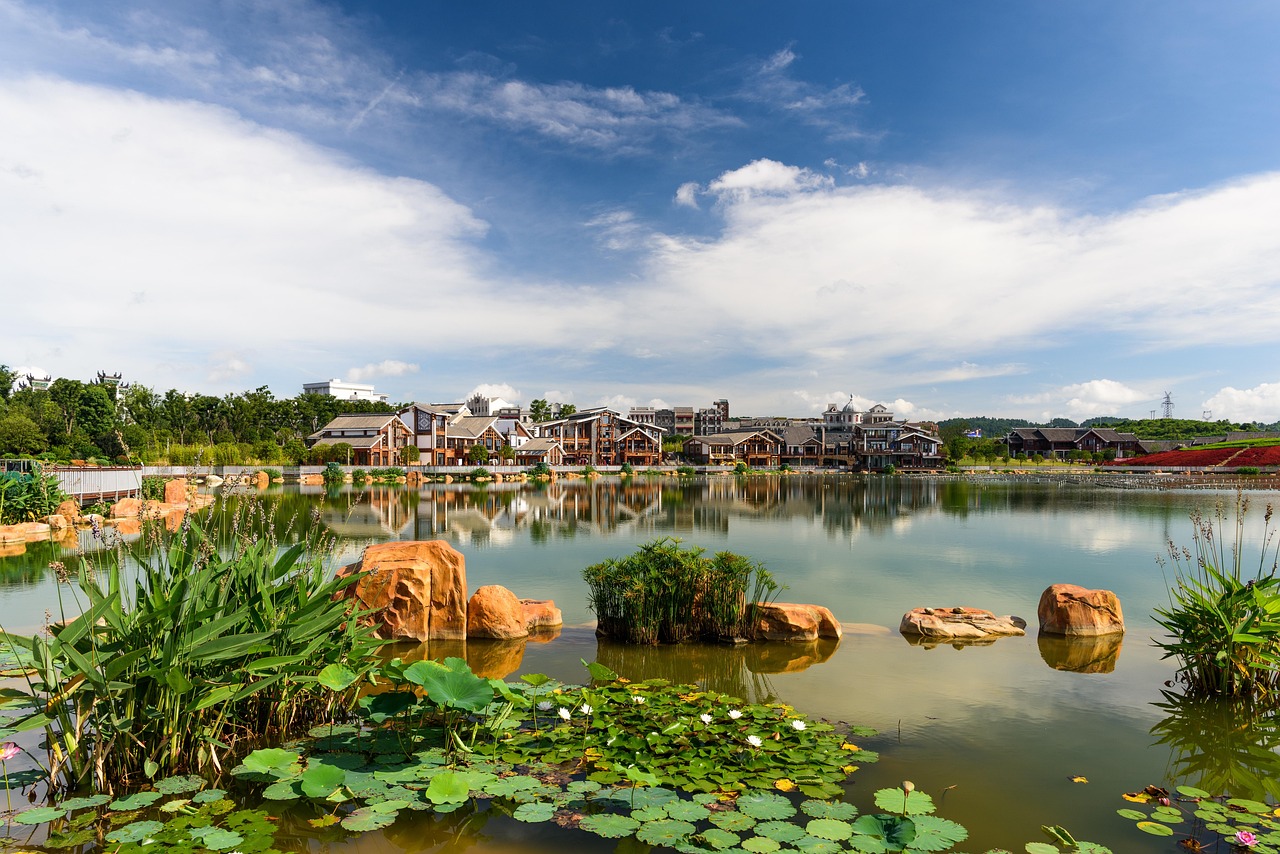
A small pond is not just a basin of water. It is a compact system affected by sunlight, temperature, inflow, soil, aquatic plants, fish, pumps, filters, aerators, and the surrounding land. Before adding treatments or replacing equipment, define the pond’s main purpose. A decorative courtyard pond, a koi pond, a stormwater pond, a small farm pond, and a wildlife pond all call for different levels of intervention.
Start by recording four basic details: approximate surface area, average and maximum depth, water source, and whether fish are present. Depth matters because shallow ponds warm quickly and allow more sunlight to reach the bottom, which can encourage plant and algae growth. Fish matter because they increase oxygen demand and add waste. Runoff matters because fertilizer, soil, leaves, pet waste, and grass clippings can feed algae and reduce water quality.
A useful maintenance log does not need to be complicated. Note water color, odors, visible algae coverage, pump flow, filter condition, fish behavior, recent rainfall, fertilizer use nearby, and any unusual scum. Over several months, the pattern often points to the cause of a recurring problem. Cloudy water after storms may indicate runoff or bank erosion, while falling pump flow after leaf drop often points to intake clogging.
Weekly maintenance that prevents bigger repairs
Weekly pond care should be light, consistent, and focused on early warning signs. Walk the pond edge and look for floating debris, dead plant material, blocked skimmers, damaged hoses, exposed liner edges, burrows, erosion, unusual odors, oily films, and fish gasping near the surface. Early morning is a useful observation time because dissolved oxygen is often lowest before photosynthesis resumes during the day.
Remove leaves, cuttings, and floating debris with a net before they sink. Decaying organic material consumes oxygen and releases nutrients back into the water. If the pond has a skimmer basket, empty it before water flow drops. If it has a submersible pump, check the intake screen and prefilter. Always disconnect electrical equipment before handling a pump, filter, or aerator in or near water.
Do not turn every weekly visit into a deep-cleaning project. Scrubbing all surfaces, replacing all filter media, or draining the pond too often can remove beneficial organisms that help process waste. A better routine is to remove visible excess debris, rinse mechanical filter pads when flow declines, leave some biofilm undisturbed, and keep water movement steady.
- Net out leaves, twigs, dead flowers, and floating plant fragments.
- Confirm that water is moving through pumps, filters, fountains, or aerators.
- Check for new algae mats before they spread across the surface.
- Look for fish stress, especially gasping, lethargy, or crowding near inflows.
- Inspect the pond edge for erosion, runoff channels, or exposed liner.
Water quality and oxygen need practical limits
Dissolved oxygen is one of the most important pond health factors. Extension guidance from Penn State notes that warm water holds less oxygen than cold water and that low dissolved oxygen is a common cause of fish kills in ponds. Oxygen can drop when algae or aquatic plants die and decompose, when organic debris accumulates, or when hot, dry weather reduces water movement.
This is why aggressive algae treatment can be risky. Killing a large amount of algae at once may look like a quick fix, but the decay process can reduce oxygen and stress fish. If chemical control is used, it should be limited, label-compliant, and appropriate for the pond’s uses. In many cases, prevention, manual removal, improved circulation, and nutrient reduction are safer first steps.
Basic test kits can help track pH, ammonia, nitrite, nitrate, alkalinity, and dissolved oxygen where fish are present. A single reading is less useful than a trend. If readings change sharply after rain, heavy feeding, fertilizer application, or equipment failure, the likely cause is easier to identify. For ponds with repeated fish stress or unclear contamination, a qualified water testing lab or local extension office can provide more reliable interpretation.
| Warning sign | Likely maintenance issue | First response |
|---|---|---|
| Fish gasping near the surface | Low dissolved oxygen or water quality stress | Increase aeration, reduce feeding, remove decaying material, and seek testing if it continues |
| Green water after rain or lawn work | Nutrient runoff | Reduce fertilizer entry, improve buffer planting, and clean mechanical filters |
| Rotten or stagnant odor | Organic buildup and poor circulation | Remove sludge in stages and restore water movement |
| Sudden pump flow loss | Clogged intake, filter, hose, or impeller | Disconnect power, clean the intake and filter, then inspect the impeller |
| Paint-like scum or bright surface streaks | Possible harmful algal bloom | Keep people and pets away and contact a local water or health authority |
Control algae by reducing the causes, not just the symptoms
Some algae is normal and useful. It supports aquatic food webs and can provide oxygen during daylight. The maintenance problem begins when growth becomes excessive, blocks sunlight unevenly, traps debris, creates odors, or covers a large portion of the pond surface. Clemson Extension guidance treats excessive filamentous algae as a management issue when mats expand significantly, and it recommends reducing nutrient inputs as the only durable prevention for chronic regrowth.
For a small pond, the most practical algae plan is staged. First, identify what is growing. Filamentous algae looks stringy or mat-like. Planktonic algae can turn water green. Duckweed and watermeal are floating plants, not algae, and often require different management. Cyanobacteria can resemble spilled paint, surface scum, or dense discoloration and may create health risks. Identification matters because the wrong treatment wastes money and may make oxygen problems worse.
Second, remove manageable growth physically. Raking or netting filamentous algae can provide fast relief in small ponds, especially before mats cover the surface. Do not pile removed algae on the bank where rainfall can wash nutrients back into the pond. Compost or dispose of it away from the water edge according to local rules.
Third, address the nutrient source. Keep grass clippings, fertilizer, soil, and pet waste away from the pond. Direct roof drains, wash water, and muddy runoff away from the pond where possible. A vegetated buffer around the shoreline can slow runoff, trap sediment, and reduce nutrient movement into the water. The wider and denser the buffer, the more useful it becomes, especially on sloped sites.
Fourth, balance shade and plants. Aquatic plants compete with algae for nutrients and can shade parts of the pond, but too much plant coverage can interfere with oxygen exchange and equipment. Several extension and conservation sources use practical plant-coverage benchmarks rather than a single universal rule. The useful lesson is not to eliminate all plants; it is to maintain enough desirable vegetation to support the pond while preventing surface coverage from becoming excessive.
Maintain pumps, filters, aerators, and electrical components
Equipment problems often show up as water quality problems. A weak pump reduces circulation, a clogged prefilter traps decaying debris, and a blocked aerator diffuser may fail during warm conditions when oxygen support is most important. Regular equipment maintenance should be part of pond care, not a separate emergency task. See also: production equipment.
Check pump flow visually each week. If a waterfall, fountain, or return line weakens, do not assume the pump is failing. Many flow problems come from clogged intake screens, dirty filter pads, kinked hoses, blocked nozzles, or an impeller wrapped with string algae. Clean these parts in order before replacing the pump. For biological filters, avoid rinsing all media with chlorinated tap water unless the manufacturer instructs it, because chlorine can damage beneficial microbial communities.
Aerators need attention too. Confirm that air stones or diffusers are bubbling evenly. Uneven bubbling can indicate mineral buildup, clogged diffusers, cracked airline, or a failing compressor diaphragm. In cold climates, winter aeration should be planned carefully so it maintains a gas-exchange opening without supercooling the entire pond. In warm climates, aeration can be especially useful during hot weather, after large plant die-offs, or in ponds with fish.
Electrical safety is non-negotiable. Outdoor pond equipment should be protected by proper weather-rated connections and ground-fault protection where required. Cords should not be pinched, buried casually, or stretched across walkways. If a breaker trips repeatedly or a pump housing is cracked, stop using the equipment until it is inspected or replaced.
Use a seasonal maintenance schedule
Small ponds respond strongly to seasonal changes. A yearly schedule helps separate normal seasonal growth from warning signs, reducing the chance of overreaction. The exact timing depends on climate, pond depth, fish load, and local weather, but the maintenance pattern is consistent.
| Season | Main maintenance focus | Practical tasks |
|---|---|---|
| Spring | Restart and prevention | Inspect pumps, clean winter debris, divide overgrown plants, test water, and begin algae prevention before growth accelerates |
| Summer | Oxygen and algae control | Watch early-morning fish behavior, keep aeration reliable, remove algae in stages, reduce feeding during heat stress, and prevent fertilizer runoff |
| Fall | Debris reduction | Net falling leaves, trim dying aquatic plants, clean skimmers more often, and remove sludge gradually before winter |
| Winter | Protection and safe gas exchange | Protect equipment from freezing, avoid breaking ice violently, maintain an opening where appropriate, and inspect after storms |
Spring is the best time to prevent many summer problems. Clean enough debris to restore circulation, but avoid sterilizing the pond. Summer is the season for observation and restraint. If algae blooms during hot weather, reduce the causes and remove growth in stages rather than shocking the whole pond. Fall is the time to keep leaves from becoming sludge. Winter work is mostly about equipment protection and safe gas exchange, especially for fish ponds.
Know when maintenance becomes a safety issue
Some pond problems should not be treated as ordinary cleaning tasks. The U.S. Environmental Protection Agency and Centers for Disease Control and Prevention warn that harmful algal blooms can affect people, pets, livestock, wildlife, and fish. If water looks like paint, has dense scum, smells unusually foul, or is associated with sick animals, keep people and pets away until the risk is assessed.
Pets are a particular concern because they may drink pond water or lick algae from their fur. If a suspicious bloom is present, do not allow pets to swim or drink from the pond. Rinse animals with clean water if they contact suspect water, and seek veterinary advice quickly if symptoms appear after exposure.
Other safety triggers include repeated fish kills, unexplained oily films, chemical spills nearby, severe bank erosion, sinkholes, failing dams or embankments, and exposed electrical equipment. In these cases, ordinary maintenance is not enough. Contact a qualified pond professional, electrician, local extension service, or relevant local authority depending on the risk.
Frequently asked questions
How often should a small pond be maintained?
Most small ponds benefit from a weekly visual inspection and light debris removal. Filters, pumps, and skimmers should be cleaned when flow drops, not only on a fixed calendar. Seasonal service in spring and fall prevents many summer algae and winter debris problems.
Should I drain a small pond to clean it?
Usually, no. Full draining can stress fish, remove beneficial organisms, damage liners, and restart the pond’s biology from zero. Partial cleaning is safer for routine maintenance. Full draining may be justified for major repairs, contamination, severe sludge removal, or redesign, but it should be planned carefully.
How much algae is normal in a small pond?
A small amount of algae is normal. It becomes a maintenance issue when mats spread rapidly, cover a large surface area, create odors, clog equipment, or coincide with fish stress. The best long-term response is to reduce nutrients, improve circulation, and remove excess growth in stages.
Do small ponds need aeration?
Not every small pond needs mechanical aeration, but many benefit from it. Aeration is especially useful in warm weather, stocked fish ponds, shallow ponds, nutrient-rich ponds, and ponds with recurring low-oxygen symptoms. The equipment still needs maintenance because clogged diffusers or weak compressors can fail when oxygen demand is highest.
What is the biggest maintenance mistake?
The biggest mistake is trying to force instant clarity without fixing the cause. Heavy chemical treatment, full scrubbing, or sudden plant removal can destabilize the pond. A steadier approach—nutrient control, debris removal, reliable circulation, balanced plants, and timely equipment care—usually produces better long-term results.