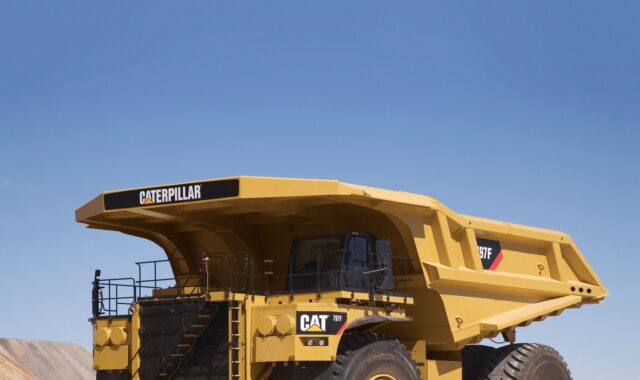
Truck buying guide for commercial and industrial buyers
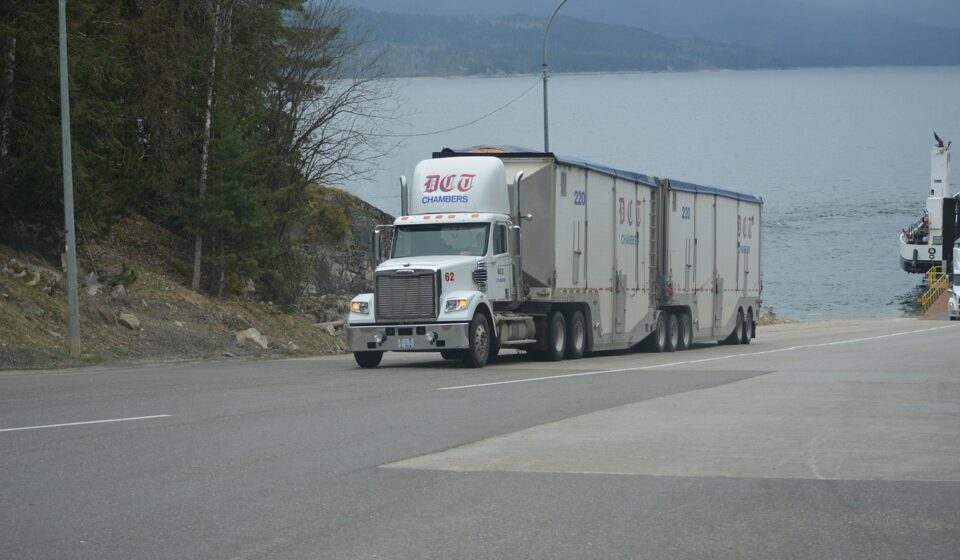
A useful truck buying guide starts with the work the vehicle has to do, not with the badge on the grille. For commercial and industrial buyers, the right truck is the one that can carry the required payload legally, accept the body or equipment, complete the route without excessive downtime, and be maintained at a predictable cost. This guide covers truck classes, body styles, payload, powertrain choices, compliance items, and used-truck risks before you request quotes or inspect a unit. For related equipment procurement topics, visit our buying guides.
Define the job before comparing models
The most expensive truck is not always the one with the highest purchase price. In daily operation, the costly unit is often under-specified, overloaded, hard to service, or poorly matched to its route. Before comparing brands, describe the operating profile in practical terms.
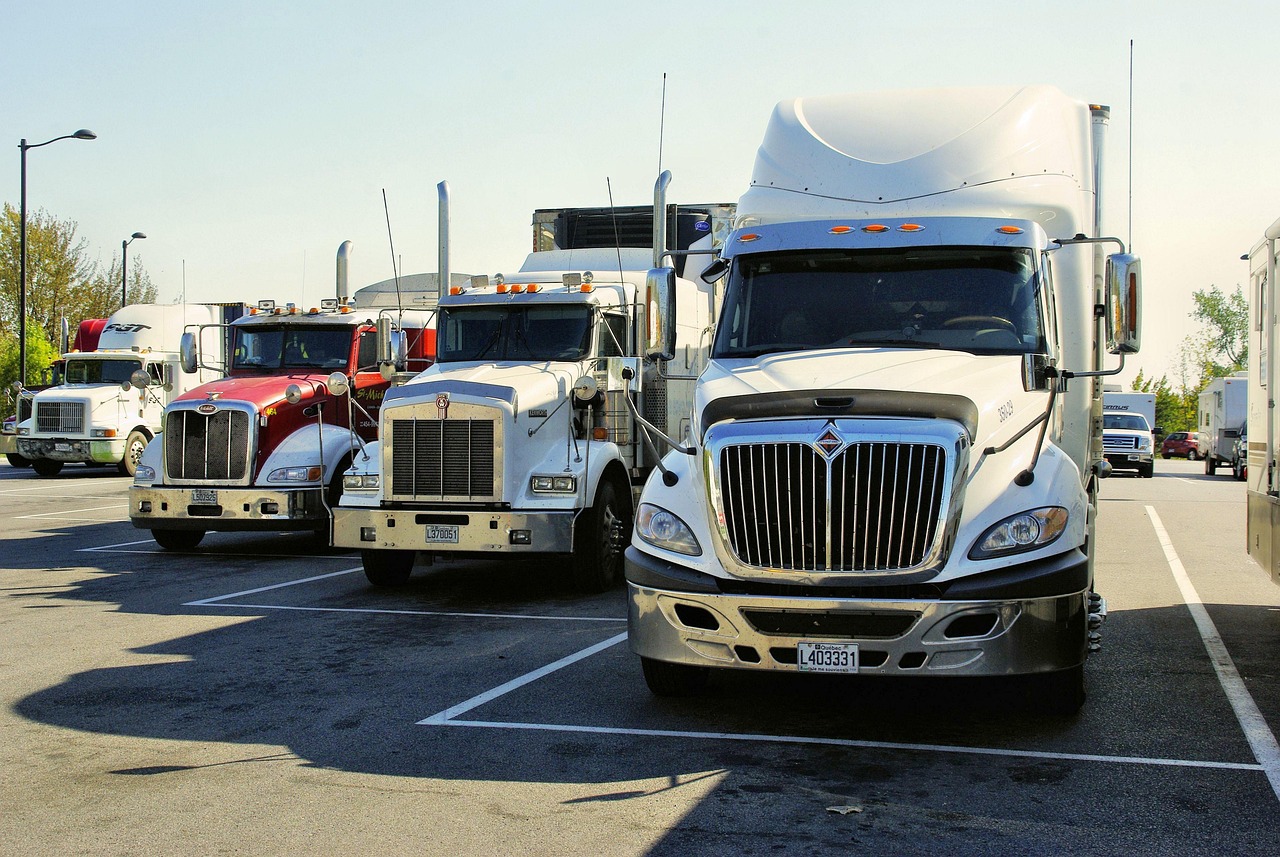
- Primary task: linehaul freight, local delivery, construction hauling, utility service, towing, municipal work, refrigerated distribution, or yard movement.
- Load profile: average payload, maximum payload, load shape, center of gravity, loading method, and whether the truck needs a liftgate, crane, dump body, reefer body, or fifth wheel.
- Route: city stop-start driving, highway operation, off-road access, grades, bridge or height restrictions, and daily mileage.
- Operating hours: single shift, double shift, seasonal peaks, idling time, and required uptime.
- Driver requirements: license class, endorsements, cab size, visibility, driver-assistance features, and ergonomics.
According to recent Federal Highway Administration freight data, trucks carry the largest share of domestic freight by weight in the United States. That makes truck selection a cost and reliability decision for many industries. It does not mean every buyer needs a heavier truck; it means payload discipline and duty-cycle matching matter.
Match truck class, configuration, and body type
Truck classes are commonly discussed by gross vehicle weight rating, or GVWR. GVWR is the maximum loaded weight specified by the manufacturer for the vehicle itself. It is not the same as payload. Payload is the capacity left after accounting for the truck, body, fuel, driver, passengers, tools, upfits, and cargo.
| Use case | Common truck choice | Key buying checks |
|---|---|---|
| Local parcel, tools, light service | Pickup, cargo van, cutaway, or light-duty cab chassis | Payload after shelving or service body, turning radius, fuel economy, driver comfort |
| Urban delivery and warehouse routes | Box truck or step van | Interior cube, dock height, liftgate capacity, route clearance, door design |
| Building materials and equipment support | Flatbed, stake body, or medium-duty cab chassis | Frame strength, axle ratings, tie-down points, crane or forklift loading needs |
| Aggregates, demolition, landscaping | Dump truck | Body volume versus payload, hoist specification, axle spread, suspension, off-road traction |
| Regional or long-haul freight | Day cab or sleeper tractor | GCWR, engine torque, transmission, aerodynamics, sleeper size, fuel strategy |
| Cold chain | Refrigerated box truck or reefer trailer combination | Temperature range, insulation condition, reefer hours, standby power, door seals |
For industrial buyers, the body and upfit can be as important as the chassis. A service body, dump body, crane, compressor, tank, reefer unit, or liftgate adds weight and changes vehicle handling. Ask the body builder or dealer for a completed-vehicle weight estimate before committing to a chassis.
Calculate payload, towing, and legal weight with care
Three ratings need close review: GVWR, gross combined weight rating, and axle ratings. Gross combined weight rating, or GCWR, applies when the truck tows a trailer. Axle ratings matter because a truck can be under GVWR but still overloaded on the front or rear axle due to cargo placement, a heavy liftgate, a crane, or a concentrated load.
Use this basic payload calculation:
Available payload = GVWR minus curb weight minus body or upfit weight minus fuel, driver, passengers, tools, and installed equipment.
Do not rely only on a sales brochure payload number when the truck will be upfitted. Brochure figures may refer to a base configuration. A real work truck may have heavier wheels, a longer wheelbase, auxiliary fuel tanks, steel bodies, or specialized equipment.
For U.S. buyers, compliance can also influence the purchase. FMCSA materials define commercial driver license classes around weight thresholds and combination vehicles, including the familiar 26,001-pound threshold for many Class A and Class B situations. IRS guidance also identifies heavy highway vehicle use tax rules for highway vehicles with taxable gross weight of 55,000 pounds or more. Verify these items for the specific operation, state, registration, and vehicle configuration before purchase.
Choose a powertrain for the route, not the trend
Diesel remains common in heavy-duty and long-distance applications because of torque, fueling speed, and established service networks. Gasoline engines may fit lighter-duty local work where purchase price, simpler maintenance, and lower annual mileage matter more than maximum torque. Natural gas can make sense in specific return-to-base fleets with fueling access. Battery-electric trucks are strongest where routes are predictable, vehicles return to base, charging can be scheduled, and payload loss from battery weight is acceptable.
Emissions rules belong in the planning window. The U.S. Environmental Protection Agency finalized Phase 3 greenhouse gas standards for heavy-duty vehicles covering model years 2027 through 2032. The rule is aimed at manufacturers, but buyers may still see effects in vehicle availability, technology choices, aftertreatment design, electric options, and resale assumptions. It should not be treated as a single mandate to buy one powertrain type. The practical question is whether the truck you buy today will remain serviceable, compliant, and economically useful during your ownership period.
When evaluating any powertrain, compare these factors together:
- Expected annual mileage and fuel or energy cost
- Route predictability and maximum daily range
- Idling time and power take-off demand
- Local emissions rules and customer site requirements
- Maintenance skills available in your area
- Warranty coverage for engine, battery, aftertreatment, and drivetrain components
- Resale market depth for that truck type
Inspect safety, maintenance, and serviceability
Safety equipment and service access should be part of the buying decision, not a final check after pricing. NHTSA established Federal Motor Vehicle Safety Standard No. 136 for electronic stability control on truck tractors and certain large buses with GVWR above 26,000 pounds. For buyers comparing newer and older heavy vehicles, stability control, braking condition, tire age, lighting, mirrors, camera systems, and driver visibility can affect both safety and insurance discussions.
Commercial vehicles also need disciplined maintenance records. FMCSA inspection and maintenance rules require commercial motor vehicles to be kept in safe operating condition, and annual inspection requirements apply in covered operations. Even if a vehicle looks clean, missing records should reduce confidence in the asking price. See also: production equipment.
New truck inspection points
- Confirm completed-vehicle weight after all upfits.
- Check whether the body, liftgate, crane, or auxiliary equipment is covered by a separate warranty.
- Review lead time for replacement parts and local dealer support.
- Verify axle ratio, transmission, PTO provisions, frame reinforcement, and electrical capacity.
- Ask for written confirmation of payload, towing limits, and any derating caused by the upfit.
Used truck inspection points
- Review title history, accident history, odometer consistency, engine hours, idle hours, and maintenance invoices.
- Inspect frame rails, crossmembers, suspension mounts, fifth wheel, dump hoist, body subframe, and corrosion-prone areas.
- Scan for diagnostic trouble codes and check emissions aftertreatment history on diesel trucks.
- Look at tire date codes, tread patterns, brake wear, wheel seals, steering play, and suspension bushings.
- For refrigerated trucks, compare reefer hours with vehicle mileage and test temperature pull-down.
A pre-purchase inspection by a qualified commercial truck technician is usually cheaper than one major repair surprise. For specialized bodies, involve both a chassis technician and an equipment specialist.
Compare total cost of ownership instead of sticker price
Purchase price is only one part of the truck budget. Total cost of ownership should include financing, taxes, insurance, fuel or electricity, preventive maintenance, tires, repairs, downtime, registration, permits, driver training, body equipment, telematics, and resale value.
A simple comparison table can prevent a false bargain:
| Cost item | Why it matters | Buyer action |
|---|---|---|
| Fuel or energy | Often one of the largest variable costs | Estimate by route, load, idle time, and local prices |
| Tires and brakes | Heavy loads and stop-start routes accelerate wear | Check tire size cost, brake type, and service intervals |
| Downtime | A cheaper truck can be costly if parts are slow | Confirm local service network and parts availability |
| Upfit | Bodies and equipment can change payload and warranty | Quote chassis and body as one working system |
| Compliance | Weight, tax, inspection, and licensing rules can add cost | Verify federal, state, and operating-area requirements |
| Resale | Unusual specs can limit the buyer pool | Choose specs that match common industry demand when possible |
For fleet purchases, calculate cost per mile or cost per operating hour. For seasonal construction or municipal work, cost per productive day may be more useful. The right metric is the one that reflects how the truck earns or supports revenue.
A practical buying checklist
Use this checklist before signing a purchase order or bill of sale:
- Define the heaviest real payload and the most demanding route.
- Confirm GVWR, GCWR, front axle rating, rear axle rating, and tire ratings.
- Get completed-vehicle weight after body and equipment installation.
- Verify license, registration, inspection, tax, and operating requirements.
- Compare at least two suitable configurations, not just two brands.
- Review warranty terms for the chassis, engine, transmission, battery, aftertreatment, body, and auxiliary equipment.
- Confirm service locations, mobile service options, parts lead times, and technician capability.
- For used trucks, require maintenance records and a professional inspection.
- Estimate total cost of ownership over the intended holding period.
- Make sure the written quote lists all installed equipment, delivery timing, and exclusions.
A sound truck purchase is usually a balanced specification: enough capacity for peak loads, not so much excess weight that the truck becomes inefficient, and enough service support to keep the unit working when demand is high.
Frequently asked questions
Should I buy a new or used commercial truck?
Buy new when uptime, warranty coverage, exact specifications, and financing predictability are more important than the lowest initial cost. Consider used when the duty cycle is lighter, the truck has complete records, and inspection confirms that the chassis, drivetrain, and body are in good condition. For specialized applications, a well-specified used truck can be better than a new truck that needs costly modification.
How much payload capacity should I leave as a margin?
Avoid specifying a truck that operates at its maximum rating every day. A practical reserve helps account for driver, tools, fuel, seasonal load variation, packaging, and scale differences. The exact margin depends on the application, but frequent maximum-load work is a sign that the next higher class or a different axle configuration should be evaluated.
Is an electric truck a good choice for industrial operations?
It can be, especially for return-to-base routes with predictable mileage, depot charging, urban delivery, and lower daily range requirements. It may be less suitable where payload is extremely sensitive, charging time is hard to schedule, routes vary widely, or remote service support is limited. The decision should be based on route data and charging planning, not only on fuel savings claims.
What documents should I request when buying a used truck?
Request title documents, maintenance records, inspection reports, engine-hour data, odometer history, emissions-system repair history, body-equipment records, warranty transfer information, and any accident or rebuild documentation. If the seller cannot provide records, price the truck as a higher-risk asset.
What is the biggest mistake in buying a work truck?
The most common mistake is buying for appearance or advertised capacity without calculating the real completed-vehicle payload. Body equipment, liftgates, cranes, tanks, tool storage, and auxiliary systems can consume capacity quickly. Always verify the finished truck weight and axle loading before the vehicle enters service.