How to choose a GMAW welding machine for industrial work
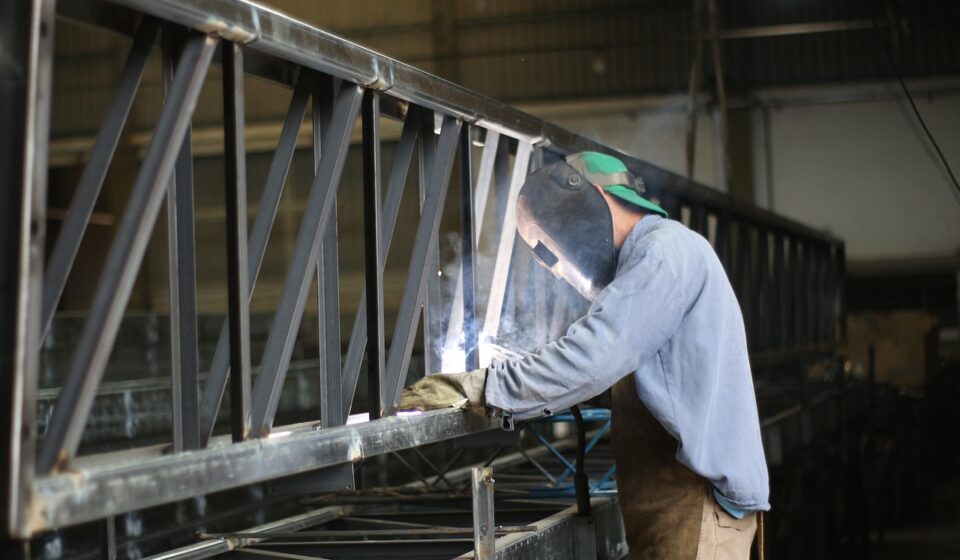
A GMAW welding machine should be selected for the work it must repeat every day, not for the largest amp number printed on the front panel. Gas metal arc welding uses a continuously fed wire electrode and shielding gas, so the right machine needs stable output, dependable wire feeding, compatible gas support, an appropriate duty cycle, and safe electrical installation. For industrial buyers, the key checks are material type, thickness range, production arc time, input power, transfer mode, feeder design, gun rating, and consumable availability. This buying guide explains how to read the specifications before committing budget.
What a GMAW welding machine actually needs to deliver
GMAW is often called MIG welding in everyday shop language, but the buying decision should be more precise. According to American Welding Society process descriptions, GMAW joins metals with an electric arc between the workpiece and a continuously fed consumable electrode, while shielding gas protects the molten weld pool from contamination. A complete GMAW setup is therefore more than a power source. It also includes a wire feeder, drive rolls, welding gun, work lead, gas regulator, shielding gas cylinder or manifold, contact tips, nozzles, liners, and the correct wire.
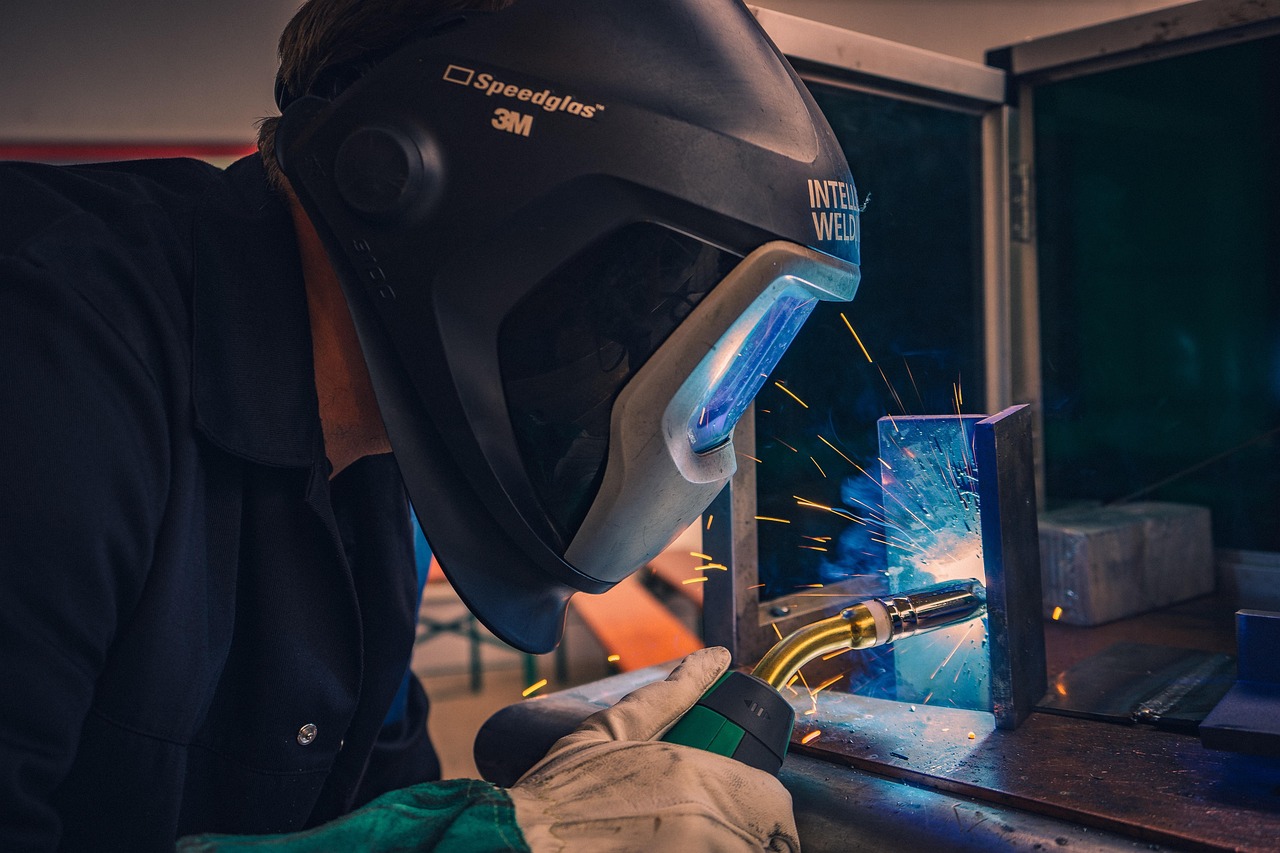
The process is widely used because it can support fast travel speed, relatively simple operator training, and repeatable results in fabrication, repair, automotive, farm, manufacturing, and production environments. However, a machine that works well on thin sheet metal may not survive shift-long production use. A compact 120 V unit may be convenient for maintenance work, but it should not be treated as equivalent to a 230 V or three-phase industrial power source with higher rated output and duty cycle.
It is also important to separate true GMAW from flux-cored arc welding. Many machines are marketed as MIG or MIG/flux-cored units. One machine may be able to run solid wire with external shielding gas for GMAW and flux-cored wire for FCAW, but the two processes involve different wire, polarity, shielding, fume, and procedure considerations. If the purchase requirement is specifically a GMAW welding machine, confirm that the package supports gas-shielded solid wire operation, not only self-shielded flux-cored wire.
Match output to material, thickness and production pattern
Start with the work: what materials and thicknesses will be welded most often? Carbon steel, stainless steel, and aluminum can all be welded with GMAW, but they do not place the same demands on the machine. Carbon steel repair and fabrication can often be handled with conventional short-circuit transfer or spray transfer, depending on thickness and position. Stainless steel normally requires careful shielding gas selection and heat input control. Aluminum often benefits from pulsed capability, a spool gun, a push-pull gun, or a feeder designed to reduce birdnesting with soft wire.
Use the table below as a planning filter. It is not a welding procedure specification, and it does not replace qualification testing for code work, but it helps buyers avoid undersizing or overspending.
| Typical work | Machine features to prioritize | Buying caution |
|---|---|---|
| Light sheet metal, brackets, small repairs | Low-end arc stability, fine voltage control, smooth starts, 120 V or 120/240 V input | Do not assume maximum amperage tells you how well the machine handles thin material. |
| General fabrication and maintenance | 230 V input, broad output range, good duty cycle, reliable feeder, common wire sizes | Check rated output at duty cycle, not only peak amperage. |
| Stainless steel fabrication | Stable low-spatter arc, compatible shielding gas options, stainless wire support, good heat control | Gas selection and cleanup needs can affect the real operating cost. |
| Aluminum work | Spool gun or push-pull capability, pulsed MIG if appropriate, 100% argon support, soft-wire feed control | A standard short gun and basic feeder may struggle with soft aluminum wire. |
| Production welding | High duty cycle, industrial feeder, heavy gun, thermal protection, service support, parts availability | A hobby-class machine may weld the sample joint but fail the uptime requirement. |
Thickness capacity claims should be treated as starting points, not guarantees. Manufacturers usually publish them under specific conditions, including wire size, shielding gas, joint design, and operator assumptions. If the work involves structural joints, pressure parts, lifting devices, transportation equipment, or customer-specified codes, the machine must support the approved welding procedure, not just the brochure thickness range.
Read duty cycle, input power and rated output together
Duty cycle is one of the easiest specifications to misread. Major welding equipment manuals from Miller and Lincoln Electric define duty cycle as the percentage of a 10-minute period that the machine can operate at a rated load before it needs cooling time. A 60% duty cycle at a stated amperage means six minutes of welding and four minutes of rest in that 10-minute interval. A 30% duty cycle means three minutes of welding and seven minutes of rest at that rated output.
The key phrase is “at that rated output.” A machine may advertise a high maximum output but deliver it only at a low duty cycle. For occasional repair, that may be acceptable. For long beads, fixtures, repetitive parts, or automation support, low duty cycle can become lost time, thermal shutdown, and operator frustration.
| Specification on quote sheet | What to ask before buying |
|---|---|
| Maximum amperage | At what duty cycle and input voltage is that output available? |
| Rated output | Is the rating enough for the most common weld, not only the rare maximum weld? |
| Input voltage | Is the shop wired for 120 V, 208 V, 230 V, 460 V, or three-phase service? |
| Generator compatible | What minimum generator output is required for full welding output? |
| Thermal overload protection | Does the machine stop output safely when airflow is blocked or duty cycle is exceeded? |
Input power deserves the same attention. A 120 V machine can be attractive for portability, but it may be limited in output and duty cycle. A 120/240 V dual-voltage unit can be useful for maintenance teams moving between sites. Industrial 230 V or three-phase machines are often better suited to higher output, longer arc time, and production work. Before purchase, involve a qualified electrician or facilities engineer to confirm branch circuit capacity, plug type, grounding, extension cord limits, and compliance with local electrical rules.
Choose controls, transfer modes and wire feed hardware
For GMAW, wire feed quality is weld quality. A stable power source cannot compensate for a poor feeder, damaged liner, wrong drive roll, or undersized gun. When comparing machines, look beyond the front panel and inspect the wire path: spool capacity, drive-roll design, number of drive rolls, tension adjustment, quick-change roll availability, gun connection, liner type, and whether the feeder is built into the machine or remote.
Controls matter as well. Basic transformer-style or inverter machines may provide manual voltage and wire feed speed controls. More advanced units may include digital meters, memory programs, synergic settings, inductance control, run-in adjustment, crater control, preflow, postflow, and pulsed GMAW programs. These features are not automatically necessary, but they can reduce setup variation when several operators weld the same parts.
Transfer mode should be tied to the application. Short-circuit transfer is widely used for thinner materials and out-of-position welding because heat input can be lower. Globular transfer is generally less desirable where spatter and appearance are important. Spray transfer can provide high deposition and good fusion on thicker material, but it usually requires suitable amperage, voltage, shielding gas, and position control. Pulsed spray transfer alternates between higher and lower current levels to control droplet transfer and can help on aluminum, stainless steel, and applications where heat input and spatter must be managed.
The right choice is not simply the machine with more modes. A repair shop may prefer straightforward manual controls that technicians can troubleshoot quickly. A production fabricator may benefit from stored programs, pulsed capability, and closed-loop feeder performance. For aluminum, confirm whether the machine supports a spool gun or push-pull system, and include that cost in the purchase comparison. See also: production equipment.
Plan shielding gas, consumables and accessories
Shielding gas selection changes penetration profile, spatter, bead shape, arc stability, cleanup, and cost. Lincoln Electric shielding gas guidance lists carbon steel GMAW options including 100% carbon dioxide for some short-circuit applications and argon-carbon dioxide blends for other transfer modes. For aluminum, 100% argon is commonly used, while helium blends may be used for specific applications. Stainless steel often uses specialized argon, helium, carbon dioxide, oxygen, or hydrogen-containing blends depending on base metal and transfer mode.
Because gas choice is application-specific, buyers should not purchase the machine first and solve the gas later. Confirm regulator type, hose connections, cylinder handling plan, gas supplier availability, and whether the shop already stocks the required blend. If multiple departments will share one welder, standardizing around common wire diameters and gas mixes may reduce downtime.
Consumables are another practical filter. Contact tips, nozzles, diffusers, liners, drive rolls, gun necks, trigger parts, and wire spools are recurring costs. A low purchase price can disappear if consumables are unusual, backordered, or proprietary in a way that does not fit the maintenance model. For industrial work, ask whether wear parts are available locally, whether the gun is compatible with common consumable families, and whether the feeder can handle the wire diameters used in your procedures.
- For carbon steel, confirm solid wire size, drive-roll groove type, and gas mix before setup.
- For stainless steel, confirm wire classification, shielding gas, cleaning requirements, and heat control needs.
- For aluminum, confirm spool gun or push-pull compatibility, U-groove rolls where appropriate, and liner suitability.
- For field repair, confirm portability, cable length, cylinder cart design, and generator requirements.
Safety, installation and total cost checks before purchase
A GMAW welding machine is an electrical and compressed-gas system, so the purchase decision should include safety and installation requirements. For U.S. workplaces, OSHA 29 CFR 1910.252 covers general welding, cutting, and brazing requirements, including personal protective equipment, protection from arc rays, ventilation, and precautions for confined spaces. OSHA rules also identify situations where mechanical ventilation is required, such as restricted spaces or rooms below specified size and ceiling-height thresholds, unless other approved controls are used. Construction cylinder handling rules in OSHA 1926.350 address storage in protected, ventilated, dry locations and keeping cylinders away from sparks, slag, flame, and highly combustible materials.
Electrical certification is another purchasing checkpoint. OSHA’s Nationally Recognized Testing Laboratory program explains that recognized laboratories certify certain products to applicable safety test standards. For workplace equipment, buyers should look for an appropriate NRTL mark where required by the authority having jurisdiction, company safety policy, insurer, or electrical code process. Common examples include marks associated with UL, CSA, ETL, or other OSHA-recognized laboratories, depending on the product and market.
Total cost includes more than the machine invoice. Add the cost of gas cylinders or manifold connection, regulator, carts, PPE, fume extraction, consumables, spare gun parts, electrical work, training, procedure qualification if needed, and downtime risk. If two machines have similar output, the one with better consumable availability, clearer manuals, local service, and higher usable duty cycle may be less expensive over a year of operation.
Frequently asked questions
Is a GMAW welding machine the same as a MIG welder?
In common shop language, yes. MIG welder often refers to a GMAW machine. Technically, GMAW is the formal process name. MIG and MAG are common subterms related to shielding gas type, while many retail machines also support flux-cored welding, which is a different process.
How much duty cycle is enough?
For occasional repair, a lower duty cycle may be acceptable if the welds are short. For fabrication, long beads, repetitive parts, or production, choose a machine with rated output and duty cycle that match the normal job, not just the maximum job. A 60% or 100% rating at the required amperage is far more meaningful than a high peak amperage with limited arc time.
Should industrial buyers choose a multiprocess machine?
A multiprocess unit can make sense for maintenance teams that need GMAW, stick, and sometimes TIG capability from one power source. For dedicated production GMAW, a specialized MIG/GMAW system with a stronger feeder, higher duty cycle, and process-specific controls may be the better investment.
What is the most common mistake when buying a GMAW welder?
The most common mistake is comparing maximum amperage without checking rated output, duty cycle, input power, feeder quality, gun rating, and gas requirements. A better approach is to list the most common welds first, then buy the machine that can repeat those welds comfortably and safely.
Do I need pulsed MIG capability?
Pulsed GMAW is useful for many aluminum, stainless steel, and controlled-heat applications, and it can reduce spatter in suitable procedures. It is not required for every shop. If your work is mostly basic carbon steel repair, conventional GMAW may be enough. If you weld aluminum or need repeatable appearance and heat control, evaluate pulsed capability seriously.