How to choose a welding supply near me for gas, consumables, and safety gear
Start with the job, not the nearest counter
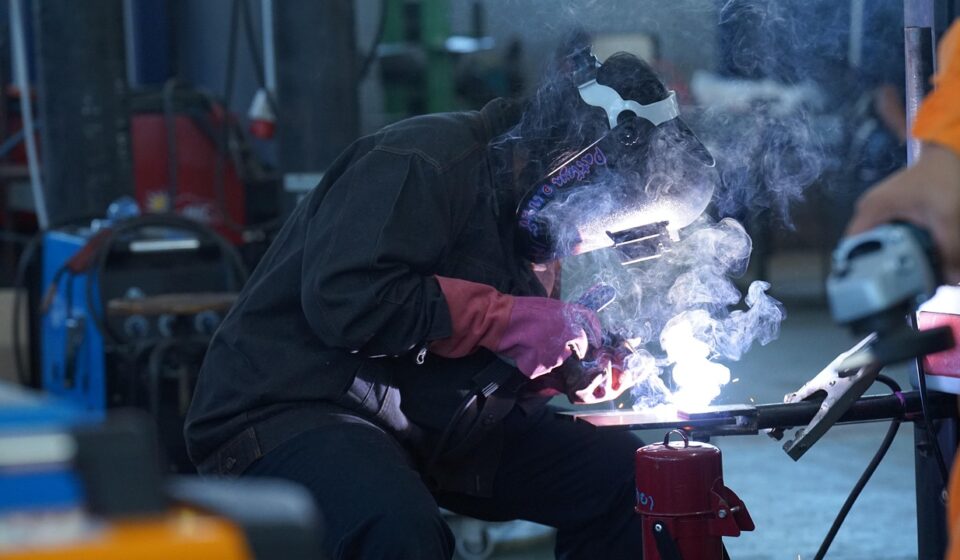
A search for welding supply near me often starts with distance, but the closest counter is not always the best fit. A capable local welding supplier should help you source the right shielding gas, filler metal, electrodes, PPE, torch parts, regulators, abrasives, and cylinder service for the work you actually do. If you only handle occasional repair work, quick pickup and basic stock may be enough. For a fabrication shop, fleet maintenance team, farm operation, or construction crew, the better measure is whether the supplier helps keep the process safe, consistent, and on schedule.
This guide explains how to compare nearby welding supply options without relying only on location, advertising, or shelf price. It focuses on practical checks: process fit, cylinder policies, safety documentation, delivery capability, inventory depth, and total cost. For more industrial purchasing checklists, visit our buying guides.
Match the supplier to your welding process
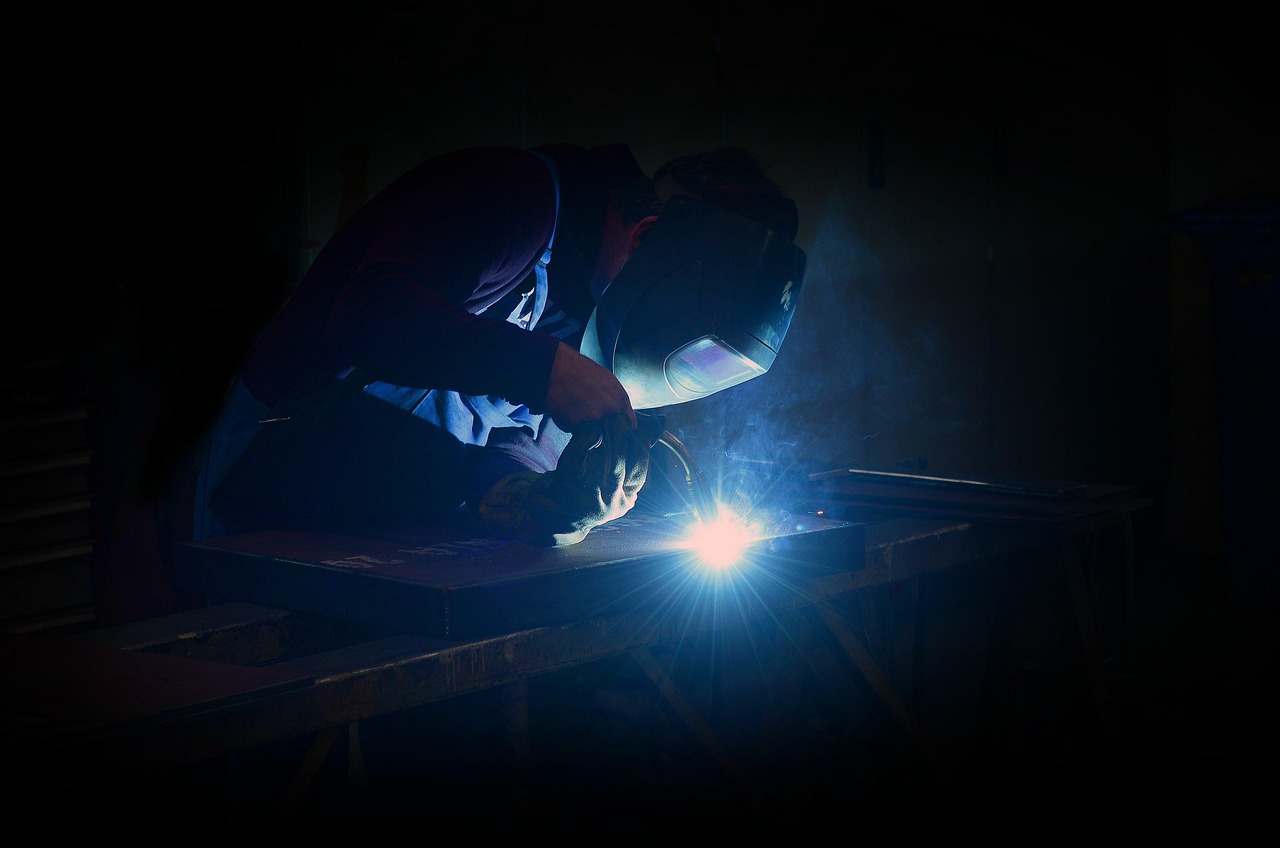
Before calling or visiting a welding supply counter, list the welding and cutting processes used in your shop. MIG welding, TIG welding, stick welding, flux-cored welding, plasma cutting, oxy-fuel cutting, and brazing can require very different gases, parts, and consumables. A supplier that is useful for hobby MIG wire and small cylinders may not be set up for industrial gas delivery, procedure-specific filler metals, or repeatable consumable lots.
For MIG and flux-cored work, ask about wire diameter, spool size, wire classification, liner compatibility, contact tips, drive rolls, nozzle styles, anti-spatter products, and shielding gas mixes. For TIG work, check tungsten types, cup sizes, collets, gas lenses, filler rod classifications, and high-purity argon availability. For stick welding, the supplier should understand electrode storage, common classifications, diameter selection, and the difference between general repair rods and code-sensitive work.
The point is not to make counter staff responsible for your weld procedure. It is to see whether the supplier understands enough about your process to prevent obvious purchasing errors. If staff cannot distinguish solid MIG wire from flux-cored wire, or cannot explain why one shielding gas mix differs from another, that store may still be useful for basic items but weak as a primary industrial supply partner.
Evaluate welding gases and cylinder policies carefully
Gas availability is often the main reason buyers choose a local welding supply store instead of a general hardware retailer. Common welding and cutting gases include argon, carbon dioxide, argon-carbon dioxide mixes, oxygen, acetylene, propane, and specialty blends. Availability varies by region and supplier, so confirm actual cylinder sizes, fill pressure practices, exchange rules, lease terms, deposits, and delivery schedules before you commit.
For U.S. workplaces, OSHA rules for oxygen-fuel gas welding and cutting appear in 29 CFR 1910.253. The rule addresses cylinder marking, storage, regulators, handling, and the requirement that oxygen and fuel-gas equipment be used with suitable pressure-reducing devices. OSHA also states that oxygen cylinders and apparatus should be kept free from oil and grease, and that cylinders should not be dropped or roughly handled. These are not just paperwork details; they should influence how you judge a gas supplier.
A well-run supplier should be able to explain cylinder identification, valve protection, transport expectations, damaged cylinder procedures, and what to do if a valve is difficult to open. The Compressed Gas Association publishes CGA P-1, Standard for Safe Handling of Compressed Gases in Containers, which is widely referenced in industrial gas safety programs. Ask whether the supplier follows recognized compressed gas handling practices and whether staff can provide safety data sheets for the gases you purchase.
Questions to ask about cylinders
- Do you exchange customer-owned cylinders, leased cylinders, or both?
- Which cylinder sizes are normally stocked for argon, oxygen, acetylene, and mixed gases?
- What identification is needed to exchange or refill a cylinder?
- Are hydrostatic test dates, valve condition, and labels checked during exchange?
- What is the procedure for a leaking, damaged, or questionable cylinder?
- Do delivery drivers secure cylinders and separate incompatible gases according to applicable rules?
Do not assume every store uses the same ownership model. Some suppliers lease cylinders, some exchange only their own branded cylinders, and some handle privately owned bottles with restrictions. Clarifying this early can prevent expensive surprises when you change suppliers, relocate a shop, or need a larger cylinder bank.
Check consumables beyond the sticker price
Consumables look simple until downtime exposes the real cost. A low-priced contact tip that burns back frequently, a cutting wheel that wears out too fast, or a filler metal that is not available in the same classification next month can cost more than the apparent savings. When comparing welding supply near me results, look at product continuity as well as price.
For filler metals, the supplier should be able to identify AWS classifications, package size, storage requirements, and manufacturer documentation when needed. For critical work, ask whether mill test reports, certificates of conformance, lot numbers, or safety data sheets are available. Not every repair job needs a document package, but a supplier serving industrial customers should understand the difference between casual repair supplies and traceable production consumables.
For torch and machine parts, bring part numbers or photos rather than relying on memory. Contact tips, diffusers, liners, nozzles, collets, cups, o-rings, cutting tips, plasma electrodes, and swirl rings can look similar while fitting different torches. A useful local supplier will help cross-reference parts without guessing. If a substitute is offered, ask whether it is manufacturer-approved or simply similar in appearance.
Consumable categories worth comparing
- MIG wire, flux-cored wire, TIG rod, stick electrodes, and brazing alloys
- Contact tips, liners, nozzles, diffusers, drive rolls, and gun parts
- Tungsten electrodes, collets, gas lenses, ceramic cups, and back caps
- Oxy-fuel cutting tips, hoses, flashback arrestors, check valves, and regulators
- Grinding wheels, flap discs, wire brushes, cut-off wheels, and surface prep tools
- Anti-spatter spray, nozzle gel, marking tools, clamps, magnets, and layout supplies
Inventory depth matters. A store with one small spool on the shelf may be fine for weekend work but risky for production. Ask whether common items are stocked at the local branch, transferred from another branch, or ordered only after purchase. For time-sensitive jobs, that answer changes the true cost.
Do not treat PPE and ventilation as add-ons
Welding PPE should be chosen for the process, environment, amperage, position, material, and exposure risk. Basic items include welding helmets, filter lenses, safety glasses, gloves, jackets, sleeves, aprons, boots, hearing protection, respirators, and face protection for grinding. The right supplier should help buyers avoid under-protection and overgeneralized advice.
OSHA 29 CFR 1910.252 addresses general requirements for welding, cutting, and brazing, including fire prevention, ventilation, confined spaces, and personal protective equipment. AWS/ANSI Z49.1:2021, Safety in Welding, Cutting, and Allied Processes, covers protection of personnel, ventilation, fire prevention, and confined space topics in the welding environment. NIOSH also identifies welding fumes as a chemical hazard category that can include symptoms such as metal fume fever, cough, breathing difficulty, fever, and chills depending on the fume components. See also: production equipment.
Those references do not mean a retail clerk can design your safety program. They do mean a professional supplier should know when a question belongs with a safety manager, industrial hygienist, or qualified safety professional. Be cautious if a supplier gives casual answers about respirators, confined spaces, galvanized material, stainless steel, painted surfaces, or ventilation without asking about the actual conditions.
Safety-related buying checks
- Confirm helmet shade range and lens standards for the process and amperage.
- Choose gloves and clothing for heat, sparks, dexterity, and welding position.
- Ask for safety data sheets for gases, filler metals, fluxes, and chemicals.
- Verify compatibility between respirators, filters, fit testing, and workplace requirements.
- Check whether hoses, regulators, flashback arrestors, and torches are rated for the gas used.
- Review fire watch, hot work, and confined space requirements with qualified personnel before work begins.
PPE purchases should not be reduced to helmet graphics or glove price. In industrial work, repeatability, documentation, fit, and replacement availability can be more important than the lowest initial cost.
Compare service, delivery, and total cost
The cheapest counter price can become expensive if the supplier cannot deliver on time, exchange cylinders consistently, answer technical questions, or keep records straight. For a business, compare total cost rather than unit price alone. Total cost includes delivery fees, cylinder rental or lease charges, hazmat or fuel surcharges, minimum order quantities, emergency fees, downtime, return rules, and the labor spent chasing missing items.
Ask whether the supplier offers scheduled gas delivery, route delivery, will-call pickup, after-hours emergency support, repair services, machine calibration support, rental equipment, or consignment inventory. Not every operation needs all of these services, but knowing what is available helps you plan growth. A small shop may start with counter pickup and later need bulk gas, larger cylinders, or recurring delivery.
Recordkeeping is another practical difference. If your company tracks job cost, safety compliance, or maintenance history, ask whether invoices show gas type, cylinder size, lot number, purchase order, department, or job number. For buyers managing multiple welders or service trucks, clean documentation can save time during audits and internal reviews.
| Selection factor | Why it matters | What to verify |
|---|---|---|
| Gas availability | Prevents process interruptions | Stocked gases, cylinder sizes, exchange rules, delivery days |
| Consumable continuity | Supports repeatable welding results | AWS classifications, brands, lot information, reorder lead time |
| Safety support | Reduces purchasing mistakes | SDS access, PPE guidance, regulator and hose compatibility |
| Technical knowledge | Improves part matching | Torch model cross-reference, machine consumables, gas mix explanation |
| Service model | Changes real cost | Delivery fees, cylinder lease terms, emergency support, return policy |
| Documentation | Helps business control and compliance | Invoices, purchase orders, cylinder tracking, certificates when needed |
A practical checklist before you choose a local welding supplier
Use a short checklist before choosing a primary supplier. First, define your core processes and the materials you weld most often. Second, list the gases, filler metals, and torch parts you use every month. Third, ask each supplier which of those items are normally stocked at the local branch. Fourth, compare cylinder terms in writing. Fifth, ask how safety data sheets and product documentation are provided. Sixth, review delivery schedules and charges. Finally, test the supplier with a small order before depending on them for a critical job.
For home users and small repair shops, convenience, friendly support, and basic gas exchange may be enough. For industrial buyers, the decision should be more structured. The best local fit is usually the supplier that combines reliable stock, clear cylinder policies, safe handling practices, knowledgeable staff, useful documentation, and predictable delivery. Distance still matters, but it should not be the only factor.
Frequently asked questions
Is a welding supply store better than a hardware store?
For simple projects, a hardware store may carry basic wire, electrodes, gloves, and small accessories. A dedicated welding supply store is usually more useful when you need shielding gas, cylinder exchange, process-specific consumables, torch parts, PPE options, or documentation for industrial work.
Should I buy or lease welding gas cylinders?
It depends on your usage, local supplier rules, cylinder size, and long-term plans. Buying may suit occasional users who want control over a small cylinder. Leasing or supplier-owned exchange programs may suit businesses that need larger cylinders, delivery, and easier replacement. Always ask for the terms in writing.
What should I bring when visiting a welding supply counter?
Bring your machine model, torch model, process type, material, thickness range, current gas, wire or electrode classification, and photos of parts you want to replace. Part numbers are better than visual descriptions, especially for torch consumables and regulators.
Can a welding supplier tell me which PPE is legally required?
A supplier can help identify available PPE, but workplace requirements should be confirmed through OSHA rules, your employer’s safety program, product instructions, and qualified safety professionals. Welding conditions vary too much for a one-size-fits-all answer.
What is the biggest mistake when searching for welding supply near me?
The biggest mistake is choosing only by distance or a single shelf price. For welding gases and consumables, supplier reliability, safety practices, cylinder terms, product continuity, and documentation can matter as much as location.