Oilfield equipment trends shaping drilling and production in 2026
Why oilfield equipment decisions look different in 2026
Oilfield equipment is no longer specified by horsepower, pressure rating, and purchase price alone. In 2026, operators are weighing production growth against tighter emissions expectations, safety rules, aging-field maintenance, data visibility, and cost discipline. Demand is strongest where equipment can reduce downtime, support higher-intensity wells, improve measurement, or help operators meet changing compliance requirements.
As of September 2026, the U.S. Energy Information Administration expected U.S. crude oil production to average 13.8 million barrels per day in 2026, above the 13.7 million barrels per day record set in 2025. Baker Hughes also reported 591 active U.S. rigs on September 11, 2026, up 52 from the comparable week in 2025. These figures point to an active drilling and production market, but equipment choices still depend heavily on basin conditions, well design, regulatory exposure, and life-cycle cost.
For more coverage of pumps, valves, processing systems, and related industrial assets, see our production equipment section.
The core equipment stack from drilling to production
The phrase oilfield equipment covers a wide range of assets used across the upstream value chain. Some equipment moves with the rig or service crew. Other assets remain on the well pad, platform, central facility, or pipeline interface for years. A practical way to evaluate the market is to separate equipment by operating stage and by the consequence of failure.
| Stage | Common equipment | Main performance concern | Why it matters |
|---|---|---|---|
| Drilling | Top drives, mud pumps, drill pipe, rotary equipment, hoisting systems | Reliability under continuous duty | Failure can stop rig operations and increase nonproductive time. |
| Well control | Blowout preventers, choke manifolds, control systems, diverter equipment | Pressure control and verified function | These systems are critical safety barriers during drilling, workover, and intervention. |
| Completion | Frac pumps, coiled tubing units, wireline tools, perforating systems, packers | High-pressure performance and serviceability | Modern completions place heavy cyclic loads on pressure pumping and downhole tools. |
| Production | Wellheads, Christmas trees, separators, heater-treaters, valves, tanks, meters | Flow assurance, containment, measurement | Production equipment affects uptime, safety, emissions, and revenue allocation. |
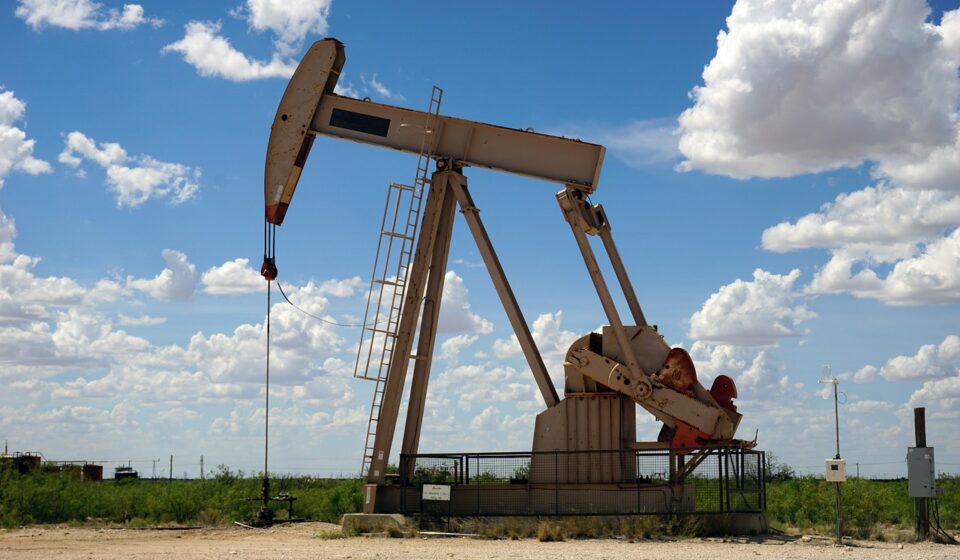
| Artificial lift | Rod lift systems, electric submersible pumps, gas lift systems, plunger lift equipment | Matching lift method to decline profile | Lift design becomes more important as reservoir pressure falls over time. |
| Water and injection | Produced water handling, injection pumps, filtration, chemical injection | Corrosion control and disposal capacity | Water management can constrain production in mature and high-water-cut fields. |
This equipment stack also explains why a single market signal, such as rig count, cannot describe the full outlook. A rig count increase may support drilling tools and mud systems, while production growth from existing wells may create stronger demand for artificial lift, separation, controls, valves, and maintenance services.
Activity signals point to selective demand rather than uniform growth
Several indicators show why 2026 is not a simple expansion cycle. The EIA reported that U.S. crude production averaged 13.7 million barrels per day in the first half of 2026, about 2% higher than the same period in 2025. The agency identified the Permian region and the Federal Gulf of America as major contributors to that increase.
At the same time, drilling efficiency is changing the relationship between rig count and equipment demand. In the EIA’s September 2026 Short-Term Energy Outlook data tables, the Permian averaged 248 active rigs in the second quarter of 2026, below the 302 average in the first quarter of 2025. Yet new wells drilled per rig in the Permian rose from 4.8 in the first quarter of 2025 to 5.5 in the second quarter of 2026. In practical terms, each rig may now support more well activity than older rules of thumb suggest.
For equipment planning, this creates three separate demand channels:
- New drilling demand for rig equipment, drill pipe, mud systems, pressure control assets, and drilling automation.
- Completion intensity demand for pressure pumping, high-pressure iron, coiled tubing, wireline, proppant handling, and flowback equipment.
- Production optimization demand for artificial lift, surface processing, emissions controls, power systems, sensors, and maintenance programs.
Operators and suppliers should therefore look beyond headline oil production. A basin with fewer rigs but longer laterals, faster pad development, or more demanding completions can still require robust equipment support. Conversely, a rising rig count may not immediately translate into production-equipment demand if wells are drilled but not yet completed or connected.
Standards and regulations are reshaping specifications
Oilfield equipment specifications are increasingly influenced by standards, documentation, and regulatory compliance. This does not mean every operator buys the most advanced product available. It means equipment often has to demonstrate fitness for pressure, temperature, materials, inspection, emissions, and data requirements before it can be accepted in the field.
API and ISO standards remain central to equipment acceptance
The American Petroleum Institute maintains a large standards program for exploration and production equipment, including wellhead and tree equipment, well control systems, pumping units, subsea systems, inspection, welding, and material qualification. API’s public standards plan in 2026 listed active work on documents related to wellhead and tree equipment, well control equipment systems, subsea production and processing control systems, frac iron inspections, fugitive emissions testing, and additive manufacturing qualification.
ISO/TC 67/SC 4 also focuses on standardization of drilling, production, and injection equipment for the oil and gas industries, including lower-carbon energy applications. Its working groups cover drilling equipment, drilling well control equipment, wellhead and Christmas tree equipment, production equipment, subsea equipment, water injection equipment, and digital wellbore monitoring and sensors. For international projects, buyers often need to check both API and ISO references in the purchase specification.
Methane rules increase attention on controllers, pumps, tanks, and monitoring
The U.S. Environmental Protection Agency’s oil and gas methane rule was published in the Federal Register on March 8, 2024, with later technical corrections and implementation updates. The rule targets methane and other air pollutants from new, modified, reconstructed, and existing oil and gas sources. It includes requirements affecting leak monitoring, process controllers, pumps, storage tanks, and routine flaring from new oil wells.
For equipment teams, the issue is not limited to regulatory paperwork. Emissions performance is moving into the equipment specification itself. Natural gas-driven pneumatic devices may be replaced or supplemented by instrument air, electric actuation, self-contained controllers, vapor recovery, improved tank controls, and more frequent leak detection. Equipment that cannot be documented, monitored, or repaired efficiently may carry higher operating risk even if its upfront price is lower.
Offshore safety rules keep well control equipment under scrutiny
For U.S. offshore operations, the Bureau of Safety and Environmental Enforcement finalized well control rule revisions in August 2023. Those revisions addressed blowout preventer systems, failure reporting, investigations, third-party qualifications, remotely operated vehicle capabilities, and test reporting. While these rules apply to a specific offshore context, they reflect a broader expectation for critical oilfield equipment: it should be verifiable, testable, and supported by strong documentation.
Technology priorities are moving from hardware alone to system performance
The next generation of oilfield equipment is not defined only by larger assets or higher ratings. In many fields, the more valuable improvement is better system performance: fewer unplanned shutdowns, better production surveillance, lower emissions, and faster troubleshooting. See also: automation systems.
Sensor-ready equipment supports predictive maintenance
Pumps, compressors, drives, valves, and rotating systems are increasingly expected to support condition monitoring. Useful measurements may include vibration, motor temperature, discharge pressure, flow rate, valve position, power draw, and seal performance. The goal is not to collect data for its own sake. It is to identify operating drift before it becomes a failure, especially where truck rolls, offshore access, or service crew shortages make reactive maintenance expensive.
Digital interoperability matters for production workflows
Production teams often use different software for historians, well surveillance, allocation, maintenance, and reporting. Energistics data standards such as WITSML and PRODML were designed to support data exchange across upstream workflows, including drilling, well-related operations, production volumes, surveillance, and production management. Equipment suppliers do not always need to implement a specific standard directly, but buyers increasingly value clear data tags, documented interfaces, and exportable records.
Electrification and cleaner actuation are becoming practical options
Electrification is not practical for every remote wellsite. Power availability, climate, hazardous-area classification, maintenance access, and backup requirements still matter. Where power is available, however, electric drives, instrument air systems, electric actuators, and remote monitoring can reduce fuel use, improve control, and support emissions compliance. For production equipment, the most realistic path is usually targeted electrification rather than a full redesign of the site.
A practical procurement checklist for oilfield equipment buyers
Because equipment failure can affect safety, production, compliance, and revenue, purchasing decisions should be based on more than catalog specifications. The following checklist can help buyers compare options consistently.
- Define the duty cycle. Confirm expected pressure, temperature, flow rate, solids loading, corrosive service, vibration, and start-stop frequency.
- Match the basin and well profile. A Permian shale pad, a mature rod-pumped field, and an offshore subsea tieback require different assumptions.
- Confirm applicable standards. Identify API, ISO, regulatory, company, and project-specific requirements before procurement.
- Review documentation quality. Check material traceability, test records, inspection procedures, pressure test certificates, and maintenance manuals.
- Evaluate maintainability. Consider spare parts availability, field repair time, modular replacement, technician skill requirements, and vendor support.
- Check data and control integration. Confirm sensor outputs, communication protocols, cybersecurity expectations, and historian compatibility.
- Assess emissions and safety exposure. Review whether the equipment can support leak monitoring, vapor control, low-bleed or zero-emission operation, and safe isolation.
- Model total cost of ownership. Include energy use, downtime, inspection, consumables, rebuild intervals, transport, and end-of-life handling.
Procurement teams should also avoid treating refurbished, remanufactured, and new equipment as simple price categories. Refurbished equipment can be suitable for some applications if inspection, testing, and service history are strong. In high-pressure, sour, subsea, or safety-critical service, documentation gaps can outweigh the savings.
Risks and limitations to watch in the 2026 equipment cycle
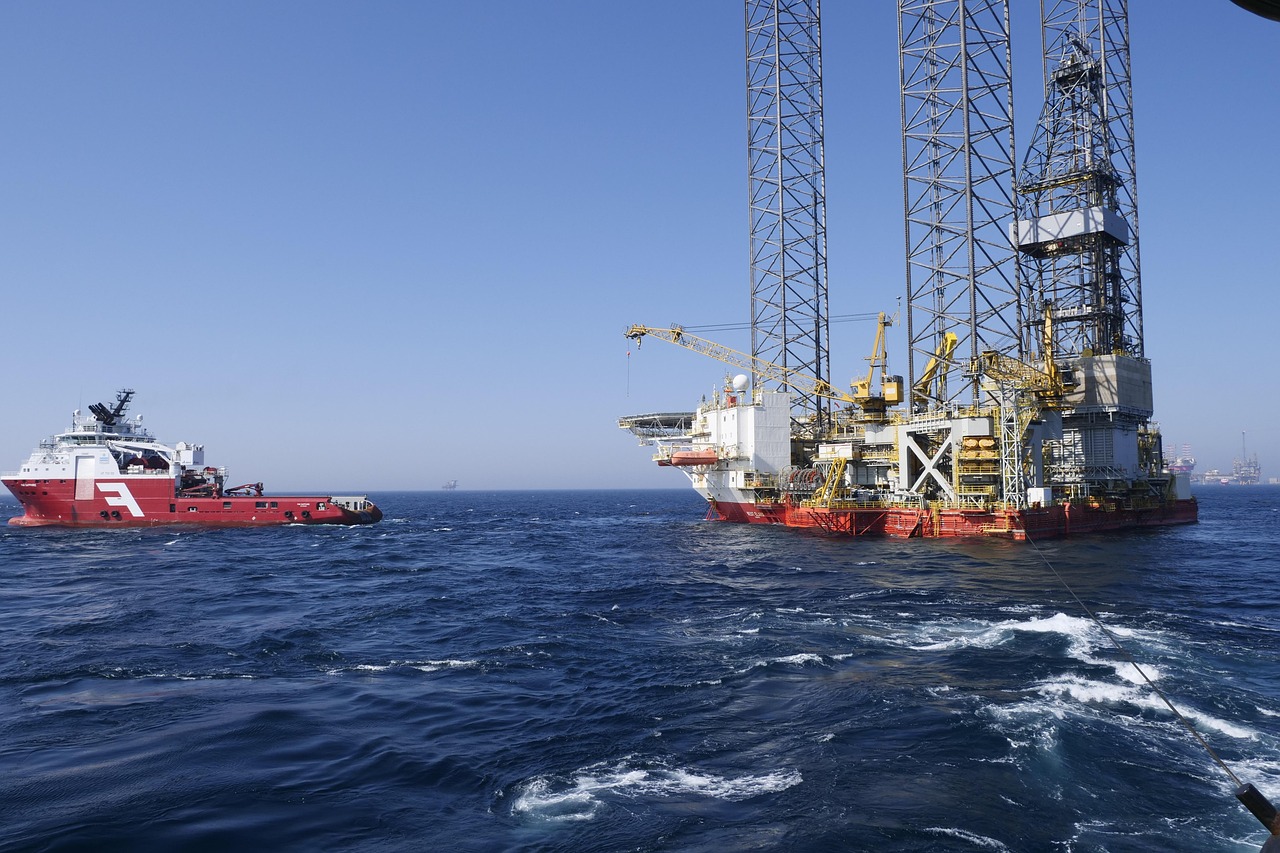
The main risk in 2026 is assuming that strong production automatically means broad equipment growth. Production can rise because of better well productivity, completion of prior projects, or offshore fields coming online, not only because operators are buying more rigs or surface packages. The EIA noted that several major Federal Gulf of America projects came online in 2025, contributing to 2026 output. Those projects support subsea, floating production, and maintenance demand, but they do not create the same equipment mix as onshore shale drilling.
Another limitation is cyclicality. Oilfield service and equipment spending remains sensitive to oil prices, capital discipline, and operator budgets. The EIA reported that West Texas Intermediate crude averaged $84 per barrel through August 2026, compared with $65 per barrel in 2025. Higher prices can support drilling, but they do not remove cost pressure. Operators still prefer equipment that improves uptime, reduces crew exposure, or lowers compliance risk.
Finally, regulations can create retrofit demand unevenly. Some sites have power and air systems that make controller replacement straightforward. Others require additional infrastructure before low-emission equipment can work reliably. That is why site surveys, not generic product claims, should guide emissions-related equipment upgrades.
Frequently asked questions
What counts as oilfield equipment?
Oilfield equipment includes drilling, completion, well control, production, artificial lift, water handling, power, measurement, and safety equipment used to explore, drill, complete, produce, and maintain oil and gas wells. The category includes both mobile service equipment and fixed production assets.
Is rig count the best indicator of equipment demand?
Rig count is useful, but it is not enough on its own. It is a leading indicator for drilling-related demand, while production equipment demand also depends on completions, field decline, workovers, artificial lift needs, offshore project timing, emissions upgrades, and maintenance cycles.
Which oilfield equipment categories are most affected by methane rules?
Process controllers, pneumatic pumps, storage tanks, vapor control systems, leak monitoring equipment, flares, valves, and measurement systems are among the categories most directly affected. The impact varies by site design, jurisdiction, source type, and implementation schedule.
Why are API and ISO standards important for oilfield equipment?
API and ISO standards help define accepted requirements for design, materials, manufacturing, inspection, testing, repair, and documentation. They are especially important for pressure-containing equipment, well control systems, wellheads, subsea equipment, and components used in severe service.
How should buyers compare new and refurbished oilfield equipment?
Buyers should compare total risk, not only purchase price. For noncritical service, refurbished equipment with strong documentation may be economical. For safety-critical, high-pressure, sour, offshore, or regulatory-sensitive applications, traceability, testing, and compliance records are often more important than initial savings.