Wood floor maintenance tips for cleaner, longer-lasting facility floors

Start with the real goal of wood floor maintenance
Good wood floor maintenance tips are not about making a facility floor look freshly polished every morning. The priority is to control the conditions that shorten service life: grit, water, unsuitable cleaners, unstable humidity and avoidable impact damage. For facility teams, office managers and building owners, an effective routine is usually straightforward: remove abrasive soil often, clean with minimal liquid, match cleaning products to the floor finish, keep moisture conditions stable and inspect traffic lanes before small defects turn into refinishing work.
This guide is written for wood floors in commercial offices, showrooms, reception areas, shops, workshops with clean zones and other light-duty spaces. It does not replace the flooring manufacturer’s warranty or finish-specific instructions. It does, however, provide a practical maintenance framework consistent with common guidance from the National Wood Flooring Association, the U.S. Environmental Protection Agency and major wood floor care manufacturers.
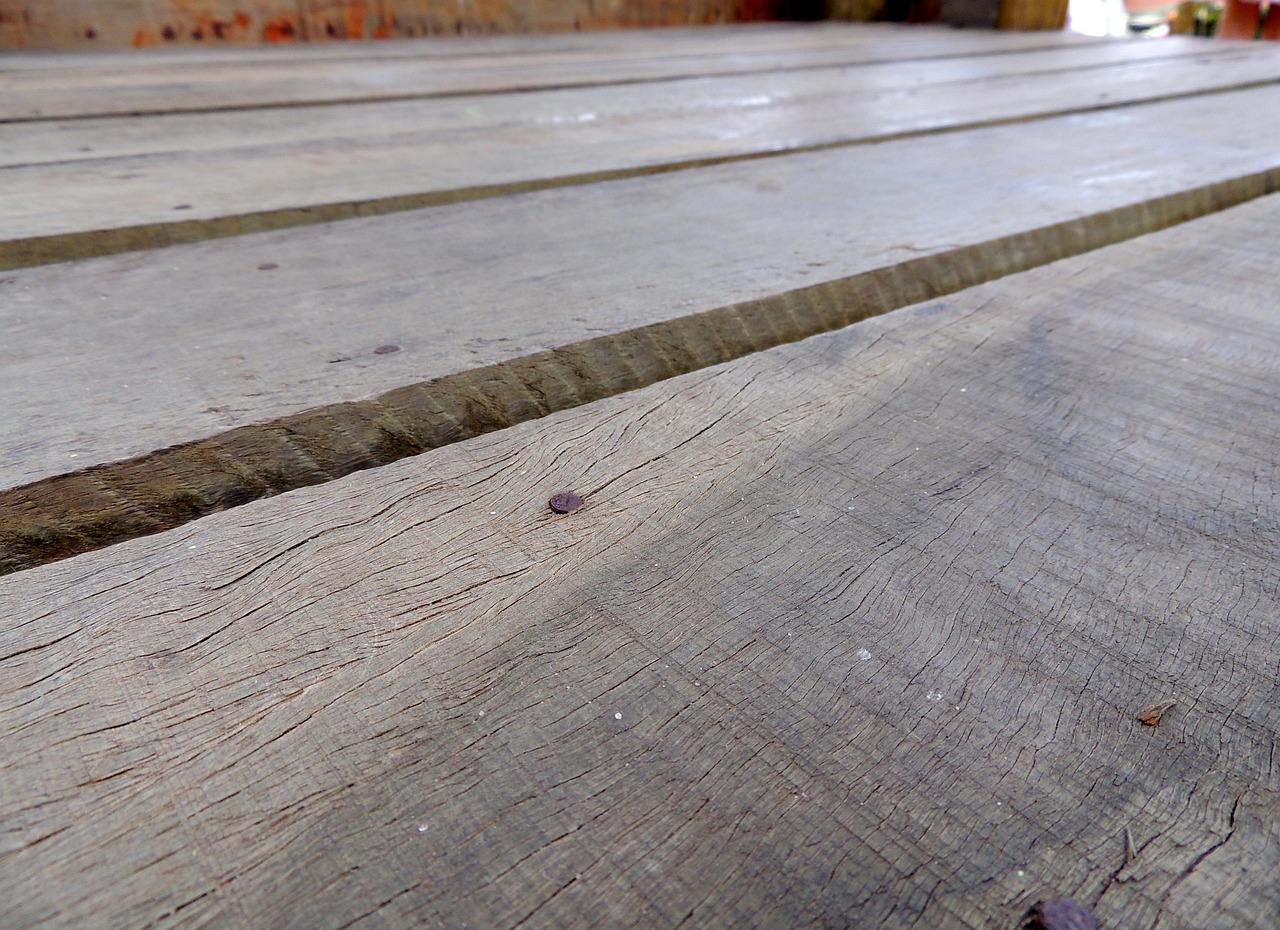
For more facility care articles, see our maintenance tips section.
Know the floor before choosing a maintenance routine
Many maintenance problems start when all wood floors are treated as if they have the same surface. They do not. A cleaning method that is safe for a modern factory-finished polyurethane floor may not be suitable for an oiled, waxed or older site-finished floor. Before setting a cleaning schedule, confirm three details: the flooring construction, the surface finish and any warranty limits.
Solid, engineered or wood-look flooring
Solid hardwood is wood through its full thickness. Engineered wood has a real wood wear layer over a layered core. Both can be sensitive to moisture, although engineered construction may respond differently to seasonal movement. Wood-look vinyl or laminate is not maintained like real wood, even when it looks similar. If the floor type is uncertain, check installation documents, spare planks, invoices or manufacturer markings before selecting cleaning chemicals.
Surface finish type
Most contemporary commercial wood floors use a film-forming finish, such as polyurethane or an aluminum oxide factory finish. These floors are typically cleaned with a neutral wood floor cleaner and a barely damp microfiber pad. Oil-finished floors may require cleaner and maintenance oil systems made for that finish. Waxed floors need a different approach and can be damaged by water-based cleaners or incompatible polishes.
Warranty and maintenance limits
Manufacturers often define which cleaners, pads and machines may be used. Steam cleaning, wet mopping and abrasive pads are commonly restricted because they can drive moisture into seams or dull the protective finish. When warranty instructions are available, they should take priority over generic maintenance advice.
Control grit before it becomes abrasion
Dust and grit are small, but under shoes, rolling chairs and carts they act like sandpaper. In commercial spaces, this is often the main reason a finish becomes dull in traffic lanes while the rest of the floor still looks acceptable.
The first line of defense is walk-off matting. Use exterior scraper mats where people enter from parking lots, sidewalks or production areas, and absorbent interior mats where wet shoes are common. Mats should be large enough for several footsteps, not just decorative coverage. They also need routine cleaning; a dirty mat becomes a grit reservoir instead of a barrier.
Dry cleaning should usually happen more often than wet cleaning. Sweep, dust mop or vacuum with a hard-floor setting before damp mopping. Do not use an aggressive rotating beater bar on wood. Microfiber dust mops are useful because they capture fine particles instead of pushing them across the floor.
| Area type | Main risk | Suggested routine |
|---|---|---|
| Entrances and reception zones | Grit, water and salt tracked in from outside | Check mats daily, dry mop daily and spot clean spills immediately |
| Open offices and meeting rooms | Chair movement, dust and food spills | Dry clean several times per week and damp clean as needed |
| Showrooms | High visibility traffic lanes | Dry clean daily, inspect finish dulling weekly and rotate rugs or displays where possible |
| Clean workshop walkways | Fine particles and occasional equipment marks | Vacuum with hard-floor setting and use protective routes for carts |
The schedule should change with weather, traffic and soil load. A rainy week, road-salt season or a facility project that brings dust indoors may require temporary daily cleaning even when the normal routine is lighter.
Use moisture carefully and avoid steam
Wood is hygroscopic, meaning it responds to moisture in the surrounding environment. Too much liquid during cleaning can enter seams, edges and scratches. Over time, this may contribute to cupping, swelling, finish whitening, edge damage or staining. The safe operating principle is simple: damp, not wet.
Use a microfiber mop that is lightly misted or paired with a spray cleaner made for the finish. The pad should move across the surface without leaving puddles or a visible wet film that remains for several minutes. If the floor looks wet after mopping, too much liquid is being used. Dry the area with a clean pad or towel, then reduce the amount next time.
Steam mops are a particular concern. Even when the surface appears sealed, heat and vapor can be forced into joints, cracks or worn areas. Many wood flooring and floor care sources advise against steam on wood floors because the risk is not limited to visible standing water. For commercial maintenance programs, it is safer to remove steam cleaning from approved procedures unless the flooring manufacturer specifically allows it in writing.
Spills should be handled immediately, especially around sinks, beverage stations, planters, doorways and snow-season entrances. Place trays under plants, avoid rubber-backed mats that may trap moisture or discolor finishes, and do not leave wet cleaning pads sitting on the floor.
Choose cleaners by finish, not by fragrance or shine
A wood floor cleaner should remove soil without attacking the finish or leaving a residue that attracts more dirt. For many sealed wood floors, a pH-neutral cleaner formulated for hardwood is the conservative choice. Strong alkaline degreasers, acidic vinegar mixtures, bleach, ammonia and general-purpose cleaners can dull finishes or create compatibility problems for future recoating.
More shine is not always better. Some polishes and wax-like products create temporary gloss but may complicate later maintenance if they are not compatible with the original finish. In a facility setting, residue can also make appearance less consistent because traffic lanes wear differently from protected areas.
When selecting a cleaner, document the product name, dilution if applicable, approved mop pad type and the floor areas where it may be used. Do not allow casual product substitutions. A small bottle stored in a janitorial closet can create a large refinishing problem if it contains oil soap, acrylic polish or a heavy degreaser that is not intended for the floor.
Test when the floor history is unknown
If the floor finish is unknown, test a small inconspicuous area before broad cleaning. After the area dries, look for finish softening, cloudiness, tackiness, color transfer or residue. If any of these occur, stop and consult a flooring professional. Older floors, waxed floors and floors with previous aftermarket polish layers can react unpredictably. See also: production equipment.
Prevent dents, scratches and equipment damage
Cleaning will not protect a wood floor if furniture, carts and equipment are damaging the finish every day. Preventive protection is usually cheaper than repair.
- Install felt pads or suitable glides under chairs, tables, cabinets and display fixtures.
- Replace worn pads before exposed fasteners or trapped grit scratch the floor.
- Use chair mats that are compatible with wood floor finishes in desk areas with rolling chairs.
- Lift heavy furniture instead of dragging it across the surface.
- Use plywood sheets, protective panels or designated routes when moving equipment.
- Avoid narrow metal wheels or damaged casters that concentrate weight in a small contact area.
- Keep pet nails, sharp shoe debris and loose screws or metal shavings away from finished wood areas.
Industrial and mixed-use buildings need special attention at transitions. If a wood-finished office or showroom connects to a workshop, warehouse or loading area, install cleaning zones between the spaces. Fine metal particles, silica dust, packaging staples and small stones can all mark a wood finish quickly under foot traffic.
Manage humidity and seasonal movement
Wood floors expand and contract as indoor conditions change. Slight seasonal movement can be normal, but large swings in moisture increase the risk of gaps, cupping or crowning. Public moisture guidance from the U.S. EPA often recommends keeping indoor relative humidity below 60 percent, with 30 to 50 percent commonly cited as an ideal range for moisture and mold control. Flooring manufacturers may provide their own recommended range, and that floor-specific range should be followed when available.
In dry heating seasons, gaps between boards may become more visible. In humid seasons, boards may swell or edges may rise if the floor absorbs too much moisture. Facilities with HVAC setbacks, unused rooms, slab moisture issues or frequent door openings should monitor humidity rather than relying on occupant comfort alone.
A simple digital hygrometer can help building teams spot trends. If readings are consistently outside the flooring manufacturer’s recommended range, investigate HVAC settings, humidification, dehumidification, air leaks, wet basements, slab vapor issues or exterior drainage. For wood floors installed over concrete or near grade level, moisture control is not just a cleaning issue; it is part of building maintenance.
Set a realistic inspection and maintenance calendar
A written schedule prevents two common mistakes: cleaning too aggressively after the floor already looks bad, or ignoring small changes until refinishing is the only practical option. The calendar should separate daily care, periodic cleaning and condition inspection.
| Interval | Maintenance task | What to look for |
|---|---|---|
| Daily or high-traffic days | Dry mop entrances and main traffic lanes | Grit, water, salt, loose debris and mat saturation |
| Weekly | Damp clean with approved wood floor cleaner where needed | Streaking, residue, sticky spots and dull traffic paths |
| Monthly | Inspect furniture pads, chair areas and transition zones | Scratches, dents, worn glides and caster marks |
| Seasonally | Review humidity data and entry mat performance | Gapping, cupping, swelling near doors and weather-related soil |
| Annually | Assess finish wear with a flooring professional if traffic is heavy | Bare wood exposure, deep scratches and areas that may need recoating |
The right time to consider screening and recoating is before the protective finish is worn through to bare wood. Once bare wood is exposed, cleaning moisture and soil can stain the surface, and full sanding may become more likely. The interval varies widely by finish type, traffic, cleaning quality and use conditions, so avoid fixed promises such as “recoat every five years” unless the manufacturer or flooring contractor has recommended that schedule for the specific floor.
Common mistakes that shorten wood floor life
Most wood floor problems in maintained buildings come from repeated small errors rather than one major accident. The following mistakes are especially common in shared or commercial spaces.
- Wet mopping with a bucket: Too much water can enter seams and worn areas.
- Using vinegar as a routine cleaner: Acidic mixtures may dull some finishes over time.
- Applying polish without checking compatibility: Residue can interfere with appearance and future recoating.
- Skipping dry soil removal: Damp mopping over grit can spread abrasion across the finish.
- Leaving mats dirty or wet: Mats must be maintained to protect the floor.
- Using steam for convenience: Heat and vapor create unnecessary risk for many wood floors.
- Ignoring humidity: Cleaning cannot compensate for moisture imbalance in the building.
The practical rule is to use the least aggressive method that achieves a clean surface. If a stronger process seems necessary, identify the soil first. Grease, adhesive residue, paint, salt, ink and food spills may each require a different response, and using the wrong chemical can make the problem harder to correct.
Frequently asked questions
How often should wood floors be mopped?
They should be dry cleaned more often than they are damp mopped. In many offices, dry mopping several times per week and damp cleaning only when soil or spots are visible is enough. Entrances and high-traffic areas may need more frequent attention.
Can I use a regular all-purpose cleaner on wood floors?
It is safer to use a cleaner made for the floor’s finish. All-purpose cleaners can be too alkaline, too acidic or residue-forming. If the product is not approved by the flooring or finish manufacturer, test carefully or avoid it.
What is the best way to remove scuff marks?
Start with a clean microfiber pad and an approved wood floor cleaner. Avoid abrasive pads unless the flooring manufacturer allows them. If scuffs remain, ask a flooring professional before using solvents or aggressive spot removers.
Are rugs and mats safe on wood floors?
They can be helpful, especially at entrances, but they should be breathable, clean and compatible with the finish. Avoid wet mats and be cautious with rubber or latex backings, which may discolor some finishes.
When should a wood floor be professionally recoated?
Recoating should be considered when the finish shows consistent dulling, fine scratches or traffic wear but before bare wood is exposed. The timing depends on traffic, finish type and cleaning history, so a site inspection is more reliable than a universal calendar rule.
Key takeaway for facility maintenance teams
The most effective wood floor maintenance program is not complicated. Keep grit outside, remove dry soil frequently, use only lightly damp microfiber cleaning with an approved product, control humidity and protect the floor from furniture and equipment damage. These steps reduce avoidable wear while preserving the finish that protects the wood underneath.
For industrial buildings with offices, showrooms or customer-facing wood floor areas, the extra requirement is coordination. Cleaning staff, maintenance teams, movers and occupants should follow the same rules. A wood floor can tolerate normal use, but it needs consistent protection from the preventable risks that building operations create every day.