How to choose manufacturing machines for capacity, safety, and automation
Quick answer for buyers
Select manufacturing machines by working back from the process, not by starting with a catalog. The best purchase decision is based on the part, material, tolerance, cycle time, inspection method, labor model, utilities, and maintenance capability the plant can actually support. A low purchase price can become expensive if the machine requires custom tooling, frequent changeovers, special operators, proprietary software, or compressed air and power capacity that the facility does not have. The practical goal is not to buy the most advanced machine available. It is to buy the machine that can repeatedly make saleable parts at the required volume, with acceptable safety risk, uptime, and lifecycle cost.
This guide explains how industrial buyers can compare machine types, request quotations that are easier to evaluate, and avoid common specification gaps. For related equipment selection topics, see the buying guides section.
What counts as manufacturing machines in a modern plant
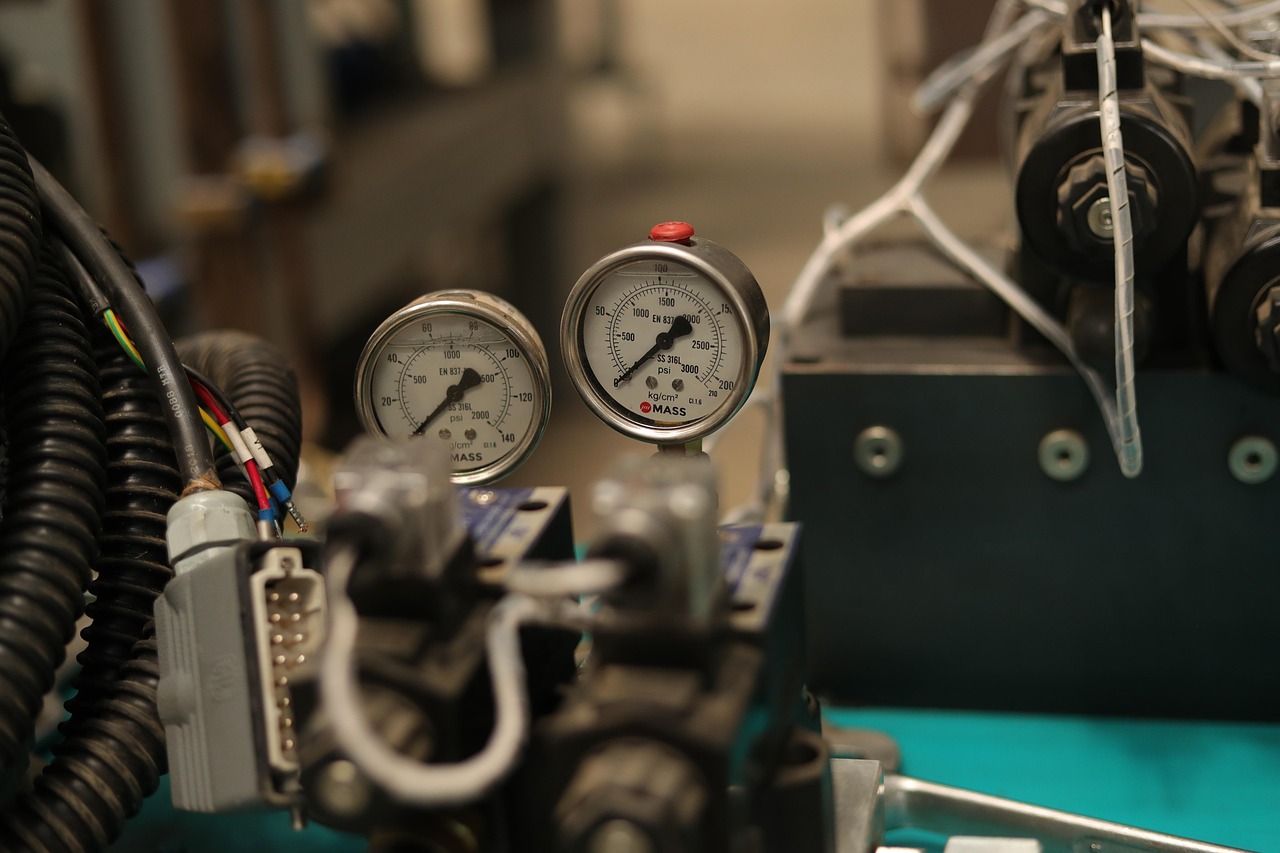
The term manufacturing machines covers a wide range of equipment used to transform, assemble, move, inspect, finish, package, or support products in a factory. It can include stand-alone machines such as CNC mills, presses, injection molding machines, packaging lines, laser cutters, welding cells, grinders, and industrial ovens. It can also include integrated systems such as robotic workcells, automated assembly stations, conveyors, machine vision inspection stations, and process skids.
For buying purposes, it is more useful to classify machines by the role they play in the production flow than by brand, model, or technology trend.
| Machine category | Typical examples | Main buying question |
|---|---|---|
| Material processing | CNC machines, presses, cutters, molding machines, furnaces | Can it meet tolerance, surface, material, and throughput requirements? |
| Joining and assembly | Welding cells, fastening systems, adhesive dispensing, automated assembly | Can it control repeatability, alignment, and joint quality? |
| Handling and flow | Conveyors, feeders, palletizers, lift tables, AGVs | Does it remove bottlenecks without creating new safety or layout problems? |
| Inspection and quality | Vision systems, gauges, leak testers, checkweighers | Can it detect the defects that matter at production speed? |
| Utilities and support | Compressors, chillers, dust collectors, vacuum pumps | Can the plant operate the main process reliably and efficiently? |
This classification helps prevent a common mistake: treating the main production machine as the entire investment. In many projects, feeders, guards, tooling, controls, dust extraction, cooling, compressed air, scrap handling, and inspection determine whether the equipment performs well after installation.
Build the specification from the process
A good machine specification describes the required production outcome in measurable terms. Start with the product family and process window, then move to equipment features. For example, a buyer should define material grade, blank size, finished dimensions, tolerance range, required surface finish, expected defect modes, and cleaning or traceability requirements before comparing machine quotations.
Capacity also needs precise language. Units per hour, parts per shift, takt time, batch size, and annual volume are related, but they are not interchangeable. A machine that produces a part quickly during a short demonstration may still fail to meet daily output if setup time, tool wear, inspection pauses, material loading, or operator breaks are ignored. Buyers should ask suppliers to separate theoretical cycle time from expected net output under realistic operating conditions.
The specification should also include constraints that suppliers may not see from a drawing alone:
- Available floor space, ceiling height, foundation limits, and access path for installation.
- Electrical supply, compressed air capacity, water, gas, cooling, extraction, and drainage requirements.
- Operator skill level and whether the plant can support programming, setup, calibration, and troubleshooting.
- Required changeover frequency and the acceptable time for each changeover.
- Inspection points, data recording needs, barcode or serialization requirements, and reject handling.
- Expected environment, including temperature, dust, humidity, washdown, or cleanroom constraints.
The clearest RFQs separate must-have requirements from preferences. That makes supplier responses easier to compare and reduces the risk that a quotation looks inexpensive only because important items were excluded.
Compare total cost of ownership, not only purchase price
The invoice price is only one part of machine economics. Total cost of ownership includes every cost needed to make the machine productive over its working life. This is especially important when comparing manual, semi-automatic, and fully automated options. Automation may reduce direct labor or scrap, but it can add costs for engineering, guarding, spare parts, programming, sensors, and specialist maintenance.
Energy and utilities should not be treated as minor details. The U.S. Department of Energy has noted that compressed air can represent about 10% of electricity use in a typical industrial facility and 30% or more in some facilities, which is why pneumatic demand, leaks, pressure requirements, and compressor sizing deserve attention during machine selection. (energystar.gov)
| Cost area | What to check before buying |
|---|---|
| Tooling and fixtures | Initial tooling, spare tools, wear parts, fixture changeover, and future product variants. |
| Installation | Rigging, foundation, electrical work, air lines, guarding, extraction, commissioning, and permits. |
| Operation | Labor, utilities, consumables, scrap, rework, cleaning, and required supervision. |
| Maintenance | Preventive maintenance hours, spare part lead times, diagnostic tools, and service contract terms. |
| Downtime risk | Single-source components, remote support availability, local technicians, and backup production plans. |
| Controls and software | Licenses, PLC access, data export, cybersecurity expectations, and integration with plant systems. |
A practical comparison model should use the same production assumptions for every supplier. If one quote assumes three shifts and another assumes one shift, or one includes tooling while another excludes it, the price comparison is misleading. Buyers should normalize quotations before presenting them to management.
Check safety, compliance, and integration early
Safety requirements should be part of the initial specification, not an add-on after the machine arrives. In the United States, OSHA machine-guarding guidance for general industry addresses hazards such as points of operation, ingoing nip points, rotating parts, flying chips, and sparks. OSHA also notes that guarding methods may include barrier guards, two-hand tripping devices, and electronic safety devices, depending on the hazard and application. (osha.gov)
For buyers, the key point is that a compliant and usable machine is more than a fast machine. Guard doors, interlocks, light curtains, emergency stops, lockout points, safe access for clearing jams, and maintenance positions all affect productivity. If operators regularly bypass guarding to keep production moving, the design has failed even if the equipment looked acceptable during a short demonstration.
Integration is equally important. NIST describes current smart manufacturing implementations as using information technology, sensor networks, computerized controls, and production management software to improve efficiency at the plant level. That means a new machine should be evaluated not only mechanically, but also as a data-producing asset that may need to communicate with quality, maintenance, scheduling, or traceability systems. (nist.gov)
Before purchase, ask which signals and data are available from the machine, whether the plant will have access to alarms and production counters, and how backups are handled. Also confirm who owns the PLC program, HMI screens, recipes, and machine data. A machine that cannot share basic status or fault information may become a blind spot in a factory that is trying to improve uptime.
Decide where automation and robotics add value
Automation should solve a defined production problem. It is most valuable when the task is repetitive, ergonomically difficult, quality-sensitive, hazardous, or constrained by labor availability. It is less attractive when product designs change constantly, volumes are uncertain, parts arrive inconsistently, or the process still requires frequent human judgment.
The scale of industrial automation continues to grow, but adoption varies by region and industry. The International Federation of Robotics reported in its World Robotics 2025 executive summary that 542,076 industrial robots were installed worldwide in 2024, while the operational stock reached 4,663,698 units. The same report identified electronics, automotive, and metal and machinery as major customer industries for robot installations in 2024. (ifr.org) See also: production equipment.
Those figures show that robotics is no longer limited to large automotive plants, but they do not mean every factory should automate every station. Buyers should calculate whether automation removes the real bottleneck. A robotic loader will not improve output if the downstream oven, inspection station, or packaging step is already capacity-limited. Likewise, a high-speed machine will disappoint if raw material feeding is unstable or quality checks are too slow.
When evaluating an automated cell, include the robot, end-of-arm tooling, guarding, sensors, feeders, conveyors, programming, safety validation, spare parts, and support. Also consider recovery from faults. A machine that runs well only when an engineer is present may not be suitable for a plant without that skill set on every shift.
Use acceptance tests before final payment
Acceptance testing is one of the most effective ways to reduce buying risk. A factory acceptance test, usually performed at the supplier site before shipment, should prove that the machine can run representative parts at agreed conditions. A site acceptance test, performed after installation, should confirm that the machine works in the buyer’s actual environment with the plant’s utilities, operators, material flow, and safety procedures.
Acceptance criteria should be written before the purchase order is signed. Vague language such as machine must run well is not enough. Better criteria include part dimensions, cycle time, scrap rate, uptime during a defined run, changeover time, alarm recovery, inspection correlation, noise limits, and documentation delivery.
A useful acceptance plan may include:
- Approved drawings, revision levels, and sample materials.
- Minimum run duration and number of good parts required.
- Measurement method, gauge responsibility, and inspection frequency.
- Allowed stops, fault categories, and restart expectations.
- Operator training requirements and maintenance documentation.
- Spare parts list, lubrication schedule, electrical drawings, and software backup procedure.
Payment terms should support this process. Many buyers use staged payments tied to order placement, mechanical completion, factory acceptance, delivery, installation, and site acceptance. The exact structure varies, but the principle is simple: keep enough leverage to ensure that open issues are resolved.
Common buying mistakes to avoid
The most common mistake is buying capacity that exists only in a brochure. Demonstration speed, maximum rated speed, and sustainable production speed are different. Always ask what conditions were used to calculate the quoted output and whether that output includes loading, unloading, inspection, scrap removal, changeover, and planned maintenance.
A second mistake is underestimating support. A specialized machine from a distant supplier may be technically excellent, but downtime becomes expensive if replacement parts take weeks or if remote support is limited by language, time zone, or access restrictions. Buyers should evaluate the supplier’s installed base, spare part availability, response time, documentation quality, and willingness to train local staff.
A third mistake is ignoring future product changes. If the product family is likely to change, a flexible machine, modular tooling, or slower but more adaptable system may be better than a dedicated high-speed line. Conversely, if the product is stable and high-volume, dedicated automation may be easier to justify.
Finally, buyers sometimes keep engineering, operations, maintenance, safety, and finance separate until too late. The best machine decisions bring these groups together early. Operators understand handling problems. Maintenance understands failure modes. Safety teams see access risks. Finance sees cash and depreciation. Engineering connects the machine to the process requirement. Leaving any of these views out can turn a promising purchase into a long-term constraint.
Frequently asked questions
What is the first thing to define before buying manufacturing machines?
Define the production requirement before discussing brands or features. The minimum specification should include product family, material, tolerance, throughput, quality checks, changeover expectations, available utilities, and required safety functions.
Is a fully automated machine always better than a semi-automatic machine?
No. Full automation can be valuable for repeatable, high-volume, labor-constrained, or hazardous tasks. Semi-automatic equipment may be better when demand changes often, product variants are still evolving, or the plant does not yet have the maintenance and programming capability to support a fully automated system.
How should buyers compare two machine quotations?
Normalize the assumptions. Confirm whether tooling, installation, guarding, training, software, spare parts, freight, taxes, commissioning, and acceptance testing are included. Then compare output, uptime assumptions, utility demand, service support, and lifecycle cost rather than purchase price alone.
Why does machine integration matter?
Integration affects scheduling, quality control, maintenance, traceability, and downtime response. A machine that can share alarms, counters, recipes, and inspection data is easier to manage than a machine that runs as an isolated black box.
When should acceptance testing be planned?
Acceptance testing should be planned before the purchase order is issued. The buyer and supplier should agree on test parts, cycle time, quality criteria, run duration, documentation, training, and what happens if the machine does not meet the agreed standard.