Work at height safety for industrial workplaces and equipment maintenance
Why work at height safety matters
Work at height safety is the planned control of any task where a person could fall and be injured. In industrial workplaces, that includes routine and non-routine work on tanks, silos, conveyors, roof-mounted equipment, mezzanines, pipe racks, loading bays, cranes, scaffolds, ladders, and mobile elevated work platforms. The first decision should not be which harness to issue. It should be whether the work can be avoided at height, then whether a fall can be prevented, and only after that how the distance and consequences of a fall can be reduced.
The risk remains significant even where formal safety programs are in place. The U.S. Bureau of Labor Statistics reported on February 19, 2026, that there were 5,070 fatal work injuries in the United States in 2024. Fatal falls, slips, and trips accounted for 844 deaths, down from 885 in 2023. Among construction and extraction workers, fatal falls, slips, and trips decreased to 370 in 2024 from 400 in 2023. The reduction is important, but the number is still high enough to show why elevated work needs specific planning rather than routine approval.
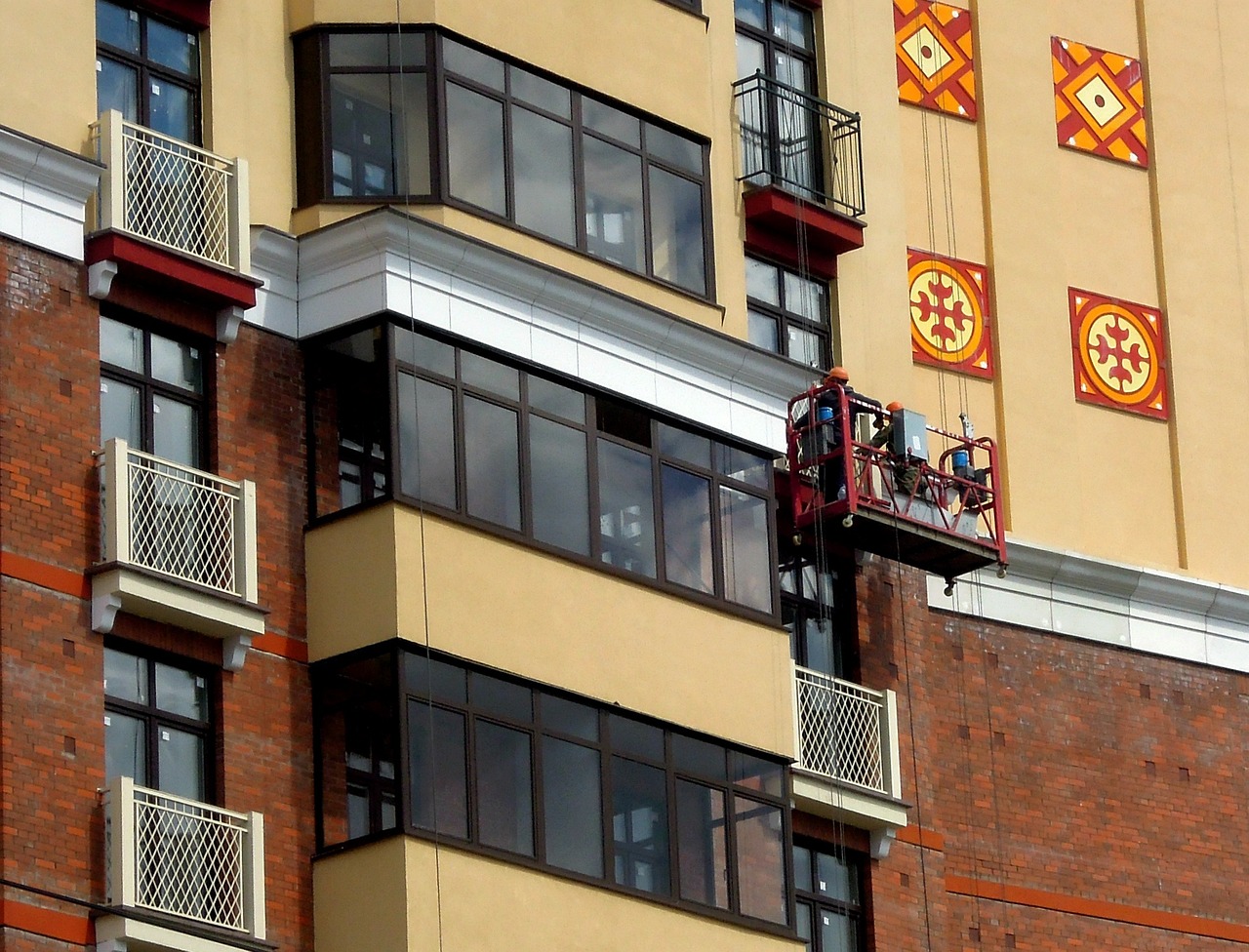
For industrial equipment owners and maintenance teams, exposure time is often underestimated. A worker may need only ten minutes to replace a sensor, inspect a vent, clear a jammed chute, or adjust a cable tray. Short duration does not remove the hazard. It can weaken planning because the job appears familiar, urgent, and simple. A sound safety system treats even brief elevated work as a controlled activity with defined access, edge protection, inspection, communication, and rescue arrangements. Related industrial safety topics can be found in the safety systems category.
What counts as work at height on industrial sites
Many regulators define work at height broadly. The UK Health and Safety Executive describes it as work in any place where, without precautions, a person could fall a distance liable to cause personal injury. U.S. OSHA rules use industry-specific standards and trigger heights, but the operating principle is similar: if a fall can cause serious injury, the employer must assess and control the exposure.
Industrial workplaces often contain fall hazards that are less obvious than an open roof edge. A protected platform may still have an unguarded gate, open hatch, fragile skylight, floor opening, temporarily removed guardrail, or awkward transition between a fixed ladder and a work surface. Work above dangerous equipment can also require protection even when the vertical distance is low, because falling into machinery, chemicals, rebar, or moving conveyors may have severe consequences.
For internal procedures, a practical definition is usually broader than a single height number. It should cover any task involving unprotected sides or edges, holes, fragile surfaces, portable ladders, scaffolds, aerial lifts, fixed ladders, elevated platforms, roof access, suspended work, or work above equipment that could worsen the injury. This helps supervisors identify real exposure instead of only checking whether a task crosses a regulatory threshold.
Regulations and standards to verify before work
Work at height requirements depend on jurisdiction, industry, task type, and equipment. The table below summarizes commonly referenced sources that safety managers should verify before approving a procedure. It is not a substitute for legal or engineering review, but it can help teams ask the right questions before work starts.
| Reference point | Key information to verify | How it affects planning |
|---|---|---|
| OSHA fall protection overview | OSHA generally requires fall protection at four feet in general industry, five feet in shipyards, six feet in construction, and eight feet in longshoring. Protection is also required over dangerous equipment regardless of fall distance. | Do not use one height trigger for every site. Confirm whether the task is general industry, construction, maritime, or another covered activity. |
| OSHA 29 CFR 1926 Subpart M | Construction rules include fall protection duties and criteria for guardrails, safety nets, personal fall arrest systems, holes, roofs, leading edges, and related situations. | For construction or construction-like activity, identify the specific work condition before choosing a control. |
| OSHA walking-working surfaces rules | General industry rules address walking-working surfaces and personal fall protection systems, including inspection and training requirements. | Industrial plants should treat platforms, ladders, stairs, floor openings, and roof access as part of the fall protection system. |
| ANSI/ASSP Z359 fall protection standards | The Z359 family addresses managed fall protection programs, fall restraint, fall arrest, positioning, rescue, evacuation, and related equipment requirements. | Consensus standards can support equipment selection, program design, and purchasing specifications, even where legal duties come from regulations. |
| HSE work at height hierarchy | The hierarchy is to avoid work at height where reasonably practicable, prevent falls where work cannot be avoided, and minimize the distance and consequences where risk remains. | This sequence is useful for industrial decision-making because it prevents teams from treating personal PPE as the first and only answer. |
A practical control sequence for work at height
Avoid the height when practicable
The most reliable fall protection is removing the need to climb. Industrial examples include installing sampling points at ground level, using hinged or lowering masts, placing grease points and valves within safe reach, prefabricating guardrails before lifting steelwork, using cameras or drones for visual checks where allowed, and designing equipment with permanent platforms for predictable maintenance. This step is easiest during procurement and design, but it can also be applied during modifications and shutdown planning.
Prevent the fall with collective protection
If the work must be done at height, collective protection should normally be considered before personal protection because it protects everyone in the area without relying on each person to connect correctly. Examples include fixed guardrails, temporary edge protection, scaffold platforms, tower scaffolds, mobile elevated work platforms, covers over openings, and guarded access stairs. These controls are especially useful for repetitive tasks, multiple-worker jobs, poor weather exposure, or work involving tools and materials.
Use restraint before arrest when suitable
Travel restraint systems are designed to stop the worker from reaching the fall edge. Fall arrest systems are designed to stop a fall after it has started. That difference matters. Restraint can reduce the need to calculate fall clearance and can avoid suspension after a fall, but it only works when anchorage, lanyard length, work area geometry, and supervision prevent the worker from entering a fall position. If the worker can still go over the edge, the system should be treated as fall arrest and planned accordingly.
Minimize fall distance and consequences when risk remains
Where a fall cannot be fully prevented, the system must limit both the distance fallen and the impact of the event. This may involve a properly designed personal fall arrest system, safety nets, high anchor points, self-retracting lifelines, reduced lanyard lengths, controlled access zones where permitted, and exclusion zones below the work. The calculation should include the worker’s height, connector length, deceleration distance, harness stretch, anchorage location, swing fall potential, and clearance to the lower level or obstruction.
Equipment decisions and inspection points
Equipment selection should follow the task, not the other way around. A portable ladder may be reasonable for a low-risk, short-duration inspection, but it is a poor platform for heavy, forceful, two-handed, or extended work. A scaffold may take longer to erect but provide a safer working surface for longer repairs. A mobile elevated work platform may be efficient where ground conditions, outreach, wind limits, operator competence, and rescue arrangements are suitable. A fixed platform may be the right investment where maintenance is predictable and recurring.
Guardrails and platforms should be checked for missing rails, damaged toe boards, unsecured gates, corrosion, loose fixings, floor openings, and changes created by maintenance work. Covers over holes should be secured, capable of supporting expected loads, and clearly identified so they are not removed or mistaken for scrap. Fragile roof materials and skylights need positive controls; visual warning alone is rarely enough where someone can step onto or fall through the surface.
Ladders require a separate decision. They should be the right type, length, duty rating, and condition for the job. NIOSH ladder guidance highlights several common causes of ladder incidents, including incorrect extension ladder angle, inappropriate ladder selection, insufficient inspection, and improper use such as overreaching or carrying objects while climbing. In practice, the ladder should be set on stable footing, secured where needed, positioned to avoid overreach, and used with three points of contact where practicable. See also: production equipment.
Personal fall protection requires more than issuing a harness. The system includes the anchorage, connector, body support, rescue method, training, inspection, and compatibility of components. OSHA construction criteria for personal fall arrest systems include performance requirements such as limiting arresting force when using a body harness and using suitable anchorages or qualified-person design. Industrial teams should avoid mixing components without checking manufacturer instructions, and damaged, deployed, or questionable equipment should be removed from service.
Training, supervision, and rescue planning
Training should be specific to the task and equipment. A worker who has watched a general fall protection video may still be unprepared to inspect a harness, select an anchor point, move through a roof access hatch, use a self-retracting lifeline, or respond to a fallen coworker. OSHA’s fall prevention materials emphasize planning ahead, providing the right equipment, and training workers to use that equipment safely. For industrial workplaces, this should translate into task briefings, equipment demonstrations, documented competence, and refresher training after changes or incidents.
Supervision matters because many failures occur at the boundary between the written procedure and field conditions. A permit or job safety analysis should confirm the work location, weather, lighting, access route, dropped-object controls, nearby process hazards, rescue communication, and who has authority to stop the job. If a guardrail must be removed temporarily, the alternative protection should be in place before removal, and the opening should not be left uncontrolled between shifts.
Rescue planning is often the weakest part of work at height safety. A personal fall arrest system can prevent impact with the ground while still leaving the worker suspended. OSHA materials on rescue warn that employers need a plan when personal fall arrest systems are used, and that rescue should be prompt. Relying only on public emergency services can create a dangerous delay, especially on roofs, towers, confined structures, or remote industrial sites. The plan should identify rescue equipment, trained responders, access routes, communication methods, and medical follow-up.
After a fall, near miss, equipment failure, or unexpected change, the procedure should be reviewed before similar work continues. Useful indicators include inspection findings, unauthorized work at height, repeated ladder use for tasks better suited to platforms, missing anchor identification, late rescue drills, and corrective actions that remain open after shutdowns. These leading indicators are more useful than waiting for injury statistics to reveal a problem.
Frequently asked questions
Is a harness always required for work at height?
No. A harness is only one possible control. Fixed guardrails, safe platforms, scaffolds, work restraint, safety nets, and redesigning the task from ground level may be safer or more appropriate. The correct choice depends on the task, fall exposure, regulations, equipment, and rescue capability.
What is the difference between fall restraint and fall arrest?
Fall restraint prevents the worker from reaching a place where a fall can occur. Fall arrest stops the worker after a fall has started. Restraint is generally preferred when it can be designed reliably, but it must be checked carefully because an incorrectly sized restraint system can become an unplanned fall arrest system.
Can ladders be used for industrial maintenance?
Yes, but only when the ladder is suitable for the task and the risk is controlled. Ladders are usually better for short, light tasks where the worker can maintain stability. They are not ideal for heavy work, long-duration work, forceful tasks, awkward access, or situations requiring both hands for extended periods.
How often should fall protection equipment be inspected?
Users should inspect personal fall protection equipment before use, and the organization should follow manufacturer instructions, applicable regulations, and any competent-person inspection schedule required by its program. Damaged, altered, deployed, or suspect equipment should be removed from service until a qualified decision is made.
What is the most common planning mistake?
The most common mistake is treating work at height as a PPE issue rather than a system issue. Effective planning considers whether the work can be avoided, how falls can be prevented, what equipment is suitable, how workers will be trained, how the area below will be protected, and how rescue will be performed if something goes wrong.