Pallet jack with scale buying guide for warehouse weighing
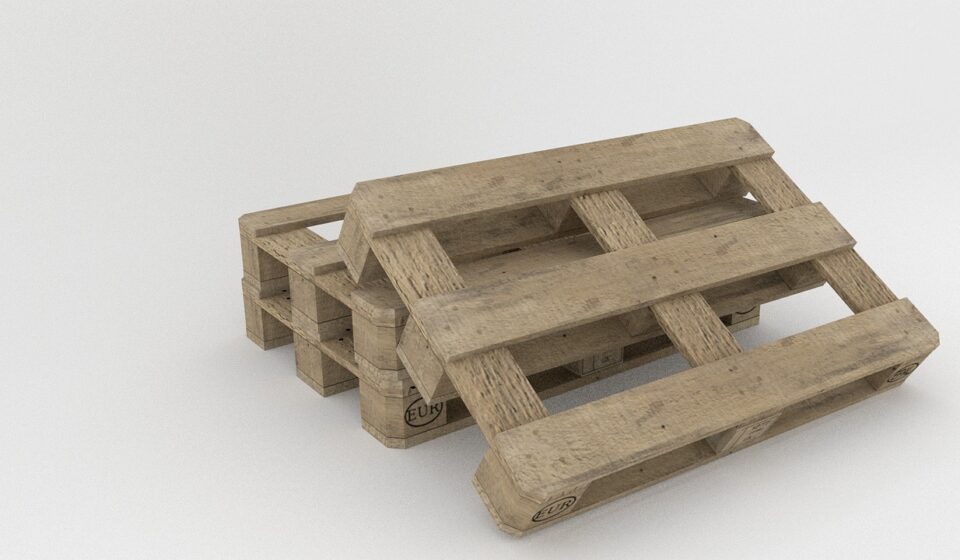
A pallet jack with scale is worth considering when pallets need to be weighed at receiving, staging, shipping, or inventory points, and the main delay is moving loads to a fixed floor scale. The right model is not selected by capacity alone. Buyers should confirm why the load is being weighed, what tolerance is acceptable, whether the weight will be used in trade, and whether a manual or powered truck fits the work area. For routine internal checks, a rugged mobile scale truck can reduce travel, extra handling, and double movement. For billing, sale by weight, regulated shipping documents, or customer disputes, legal-for-trade requirements become important. This buying guide explains how to evaluate specifications, compliance, workflow fit, and total cost before purchasing.
What a pallet jack with scale does
A pallet jack with scale combines a pallet truck with an integrated weighing system. The forks lift the pallet, while load cells and a digital indicator measure and display the load weight. Depending on the model, the indicator may show gross weight, net weight after tare, unit count, accumulated totals, or printed records.
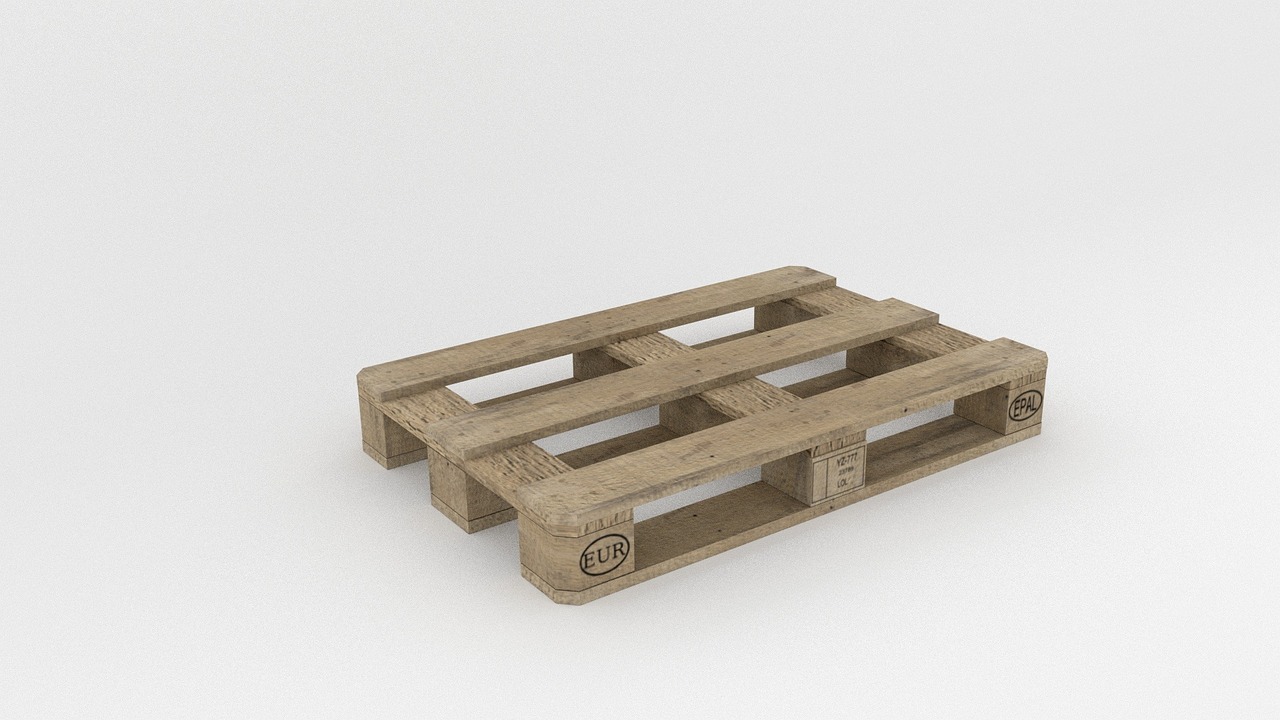
The main value is workflow efficiency. Instead of picking up a pallet, moving it to a fixed scale, setting it down, weighing it, and moving it again, the operator can weigh the load during the same handling step. This can help in receiving, outbound shipping, production staging, inventory cycle counting, waste handling, and internal material transfers.
A pallet jack scale is not automatically the best weighing tool for every job. It is a mobile device used on floors that may be uneven, dirty, wet, or congested. It may also see impacts that a protected bench scale or fixed floor scale avoids. Buyers should treat it as a material-handling tool with weighing capability, not simply as a standard pallet jack with a display attached.
When it fits better than a floor scale
A pallet jack with scale is most useful when the pallet is already being moved and the weight supports an operational decision. Common uses include checking inbound pallet weights against packing lists, supporting freight-class information, confirming batch movement, or verifying inventory by weight where laboratory-level precision is not required.
A floor scale is usually better when loads can be brought to one fixed weighing point, the environment is controlled, and repeatability matters more than mobility. A forklift scale may be a better fit when forklifts already handle most pallets and the operation needs higher throughput without adding another type of mobile equipment.
| Option | Best fit | Key limitation |
|---|---|---|
| Pallet jack with scale | Mobile pallet weighing during receiving, staging, or shipping | Accuracy depends on use conditions, floor condition, calibration, and operator habits |
| Floor scale | Static weighing where pallets can be brought to one location | Requires extra travel and space around the scale |
| Forklift scale | High-volume forklift workflows | Requires integration with forklift use, operator training, and maintenance planning |
| Bench or parcel scale | Small cartons, parts, and packages | Not suitable for full pallet loads |
Key specifications to compare before buying
Capacity and usable fork size
Capacity should match the heaviest loads the site actually handles, with some margin for unusual pallets. Many industrial pallet jack scales are sold in capacities around common warehouse pallet weights, but exact ratings vary by manufacturer. Do not assume that higher scale capacity makes the truck suitable for every pallet. The mechanical truck rating, fork length, fork width, lowered height, wheel arrangement, and pallet style all need to match the application.
Check whether the forks fit the standard pallets, closed-bottom pallets, skids, or containers used on site. Also confirm aisle width and turning radius. A scale-equipped unit can be heavier and more expensive than a basic pallet jack, so a poor fit becomes costly quickly.
Accuracy, resolution, and repeatability
Accuracy and resolution are different specifications. Resolution is the smallest displayed increment, such as 1 lb, 2 lb, 0.5 kg, or 1 kg. Accuracy describes how close the indicated value is to the true weight under specified conditions. Repeatability describes whether the same load gives the same result over repeated weighings.
For purchasing decisions, ask the supplier to state accuracy as a percentage of applied load or as an approved scale division under the relevant certification. Also ask what conditions apply to that performance. A clean test with a centered load on a level floor is not the same as weighing a damaged pallet on a sloped dock plate.
Legal-for-trade status
If the weight will be used to sell, buy, exchange, charge, settle claims, or establish service fees, legal metrology requirements may apply. In the United States, NIST Handbook 44 is the common technical reference used by many weights and measures authorities for weighing and measuring devices. The National Conference on Weights and Measures describes NTEP Certificates of Conformance as evidence that a device type has been evaluated against applicable Handbook 44 requirements. NIST also states that devices sold in the United States for legal-for-trade purposes must pass National Type Evaluation Program evaluations.
For buyers, this means a general product claim is not enough. Ask for the NTEP Certificate of Conformance number if the device is being represented as legal for trade. Then confirm whether your state or local weights and measures authority requires inspection, sealing, installation approval, or periodic testing. For international operations, ask whether the instrument is approved under the relevant local system, such as OIML-based requirements for non-automatic weighing instruments where applicable.
Power, display, and data features
Battery life matters because a dead indicator can turn an expensive scale truck into an ordinary pallet jack. Compare the charging method, battery type, operating time, low-battery warnings, and replacement cost. A removable battery can reduce downtime in multi-shift operations.
Display readability is also important in daily use. Backlit displays, large digits, keypad layout, tare functions, hold functions, and protected indicator housings can reduce mistakes and speed up routine weighing. If the scale will support shipping documentation or inventory systems, compare printers, USB export, Bluetooth, Wi-Fi, RS-232, or other data options. Do not pay for connectivity unless the warehouse system can actually use the data.
Construction and environment
Warehouses are hard on mobile equipment. Review fork construction, load cell protection, wheel material, steer wheel size, ingress protection claims for wet or dusty areas, and service access. Stainless or washdown designs may be necessary in food, chemical, pharmaceutical, or corrosive environments, but they usually cost more and may have different maintenance requirements.
Accuracy and calibration issues buyers often miss
The most common mistake is assuming that a pallet jack scale will perform like a stationary scale in any handling condition. Mobile weighing introduces more variables. Load placement, pallet condition, fork height, floor levelness, wheel contact, shock loading, and side forces can all affect results.
Before purchasing, ask the supplier these questions:
- What is the stated accuracy, and under what conditions was it measured?
- What is the display increment at the capacity you need?
- Is the model approved for trade use, non-trade use, or internal process control only?
- How often should it be calibrated in your operating environment?
- Can local scale service companies support this brand and indicator?
- Are replacement load cells, displays, batteries, chargers, wheels, and seals available?
Calibration should not be treated as a one-time setup. A mobile unit can be dropped off a dock edge, hit by forklifts, overloaded, exposed to water, or stored in extreme temperatures. For critical weights, set a documented calibration interval and include spot checks with known test weights or a certified reference scale. If the scale is legal for trade, follow the schedule and procedures required by the local authority. See also: production equipment.
Safety and compliance considerations
Safety requirements depend on whether the unit is manual or powered. A manually propelled pallet jack with an electronic scale is different from an electric walkie pallet truck with powered travel or powered lift. In the United States, OSHA powered industrial truck guidance includes powered pallet trucks and motorized hand trucks within the broader powered industrial truck framework. OSHA training guidance emphasizes operator competence, truck capacity, load composition, load stability, and workplace-specific conditions.
For powered models, buyers should plan for operator training, pre-shift inspection, battery charging procedures, maintenance records, and site traffic rules. OSHA’s sample powered industrial truck checklists also note that daily pre-shift inspection is required by OSHA standards for powered industrial trucks. If the truck is electric battery-powered, UL 583 is a relevant safety standard covering fire, electric shock, and explosion risks for electric battery-powered industrial trucks, although it does not cover every possible operational hazard.
For manual models, OSHA powered industrial truck rules may not apply in the same way, but that does not remove the need for site training. Operators still need to understand rated capacity, proper lifting height for weighing, safe travel speed, slopes, dock plates, pedestrian separation, and how to avoid foot and hand injuries.
International buyers should also pay attention to machinery and truck standards. ISO 3691-5 covers safety requirements for pedestrian-propelled trucks, including low-lift pallet trucks used on smooth, level, hard surfaces within stated lift-height and capacity limits. This does not replace local law, but it gives buyers a useful framework for comparing basic safety expectations.
Manual vs electric pallet jack with scale
A manual pallet jack with scale is usually simpler, less expensive, and easier to deploy. It can work well for occasional weighing, receiving checks, and low-to-medium movement distances. Maintenance typically focuses on hydraulics, wheels, load cells, indicator protection, and battery power for the scale electronics.
An electric pallet jack with scale is more appropriate when operators move heavier loads over longer distances, work multiple shifts, or need to reduce manual pushing and pulling. The tradeoff is complexity. Powered travel and lift add batteries, chargers, controllers, drive components, braking systems, and additional training requirements. If the operation weighs only a few pallets per day, the added cost may not be justified.
For many warehouses, the decision is not simply manual versus electric. It is whether the scale function belongs on a pallet jack at all. If weighing is frequent but pallet movement is minimal, a floor scale may be more stable. If pallet movement is constant and forklifts already handle the load, a forklift scale may provide better throughput. If the weighing requirement is occasional and non-critical, a basic pallet jack scale may be enough.
Total cost of ownership
The purchase price is only the first cost. A reliable comparison should include service, calibration, downtime, battery replacement, wheel replacement, indicator damage, load cell replacement, operator training, and documentation needs. A low-cost model may become expensive if parts are difficult to source or no local scale technician supports it.
Before approving a purchase, ask for the following documentation:
- Complete specification sheet with capacity, divisions, accuracy statement, and fork dimensions
- Legal-for-trade documents if the scale will be used in commerce
- Operator manual and maintenance manual
- Battery and charger information
- Warranty terms and exclusions for overload, impact, water ingress, and misuse
- Recommended calibration interval and service procedure
- Spare parts list for wheels, bearings, load cells, indicator, keypad, printer, and batteries
It is also useful to run a simple workflow calculation. Count how many pallets are weighed per shift, how far they travel to the existing scale, and how many times operators touch each pallet. If a pallet jack scale removes one or two handling steps from hundreds of weekly movements, the investment may be easy to justify. If it only replaces a short walk to a floor scale a few times per week, better calibration or a second stationary scale might deliver more value.
Practical buying checklist
- Define the purpose: internal check, inventory estimate, shipping support, or trade transaction.
- Confirm legal requirements before requesting quotes.
- Match capacity, fork size, lowered height, wheel type, and turning radius to real pallets and aisles.
- Ask for accuracy, resolution, and repeatability information in writing.
- Check whether the scale can be serviced by local technicians.
- Verify battery life, charging method, and display visibility for your shift pattern.
- Review operator training needs, especially for powered units.
- Plan calibration and inspection intervals before the unit enters service.
- Compare total ownership cost, not just purchase price.
Frequently asked questions
Is a pallet jack with scale accurate enough for shipping?
It can be accurate enough for many internal shipping checks, but it depends on the model, calibration, floor conditions, load placement, and required tolerance. If the weight affects billing, legal trade, or a customer dispute, verify whether a legal-for-trade approved device and local inspection are required.
Do I need an NTEP-approved pallet jack scale?
You may need one if the scale is used in commercial transactions in the United States. NTEP approval is not just a marketing feature; it relates to whether the device type has been evaluated against applicable Handbook 44 requirements. Local authorities may still require inspection, sealing, or approval before use.
Can a pallet jack scale replace a floor scale?
Sometimes, but not always. It can replace some workflow checks where mobility is more valuable than a fixed weighing station. A floor scale is often better for controlled, repeatable static weighing, especially when high confidence and frequent verification are required.
Should I buy a manual or electric model?
Choose manual when weighing is occasional, travel distances are short, and loads are manageable. Choose electric when operators move heavier pallets longer distances or use the equipment across multiple shifts. For powered units, include training, inspection, battery maintenance, and safety compliance in the decision.
How often should a pallet jack with scale be calibrated?
There is no universal interval that fits every site. The schedule should reflect usage intensity, impact risk, operating environment, quality requirements, and any legal-for-trade rules. High-use or regulated applications should have a documented calibration plan and periodic checks against a reliable reference.