How to evaluate industrial equipment suppliers before placing an order
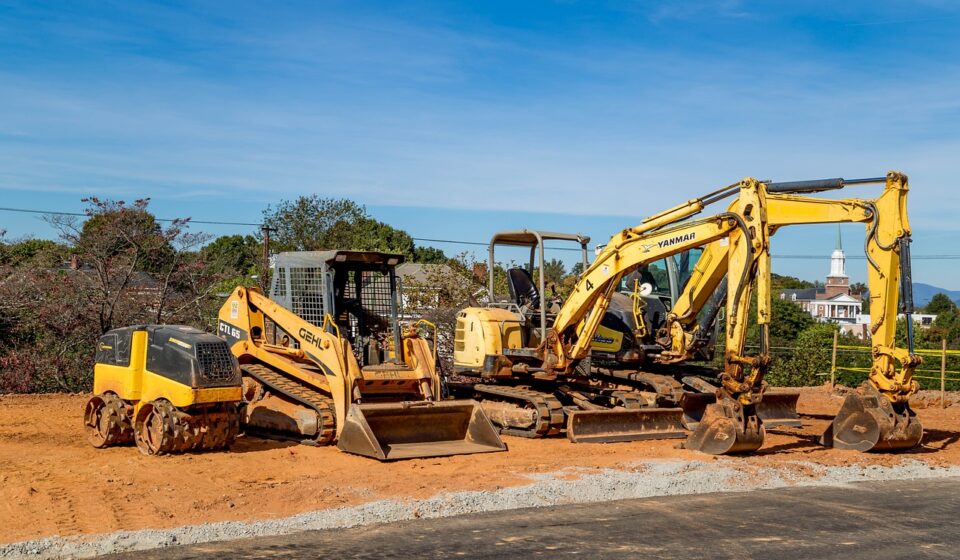
A practical way to shortlist industrial equipment suppliers
Choosing industrial equipment suppliers is a risk-control decision, not just a sourcing task. The choice affects uptime, worker safety, maintenance cost, spare-parts availability, and production flexibility long after the purchase order is issued. A useful shortlist starts with a clear equipment requirement, then filters suppliers by technical fit, documented safety evidence, quality controls, service capability, lead-time reliability, and total cost of ownership.
Price still matters, but it should be compared after the supplier has shown that the machine, integration scope, documentation, training, and support model fit the application. This guide outlines a practical process buyers can use before requesting a quote, during supplier comparison, and before signing a purchase order.
For more procurement-focused equipment content, visit the Hulumiao buying guides section.
Define the job before comparing quotes
A common mistake in industrial purchasing is asking several suppliers for a price before the internal requirement is stable. A short request such as “quote one conveyor,” “quote one press,” or “quote one compressor” leaves too much room for vendor assumptions. The resulting offers may look comparable on price while including different capacities, controls, guarding, electrical components, commissioning support, and warranty coverage.
Before contacting suppliers, define the operating problem in measurable terms. Useful inputs include target throughput, load range, duty cycle, required tolerances, acceptable downtime, available floor space, utility constraints, environmental conditions, interface points, product variations, and cleaning or maintenance requirements. For equipment used in regulated processes, also record any industry-specific documentation, validation, traceability, or inspection requirements.
The goal is not to over-design the purchase. It is to avoid hidden scope gaps. A supplier cannot responsibly size a machine or recommend alternatives without knowing how the equipment will be used, what failure would cost, and what constraints exist at the site.
Match supplier type to purchase risk
Not all industrial equipment suppliers perform the same role. Matching the supplier type to the risk level of the purchase helps buyers avoid overpaying for simple items or under-controlling critical projects.
- Original equipment manufacturers: OEMs are often the strongest fit when the equipment is mission-critical, customized, safety-sensitive, or tied to long-term spare parts and warranty support. They can usually provide deeper engineering input, although lead times and commercial terms may be less flexible.
- Authorized distributors: Distributors can be efficient for standard equipment, replacement units, and brands with local inventory. The buyer should confirm authorization status, warranty handling, and whether the distributor has application engineering capability or only sales coverage.
- Systems integrators: Integrators are useful when a project involves multiple machines, controls, robotics, conveyors, safety circuits, data collection, or line balancing. The contract should clearly define responsibility for interfaces, acceptance testing, and post-installation support.
- Used and refurbished equipment dealers: These suppliers can reduce capital cost and delivery time, but condition, remaining life, documentation, guarding, controls, and code compliance require closer inspection. A low purchase price can disappear quickly if rebuilding, retrofitting, or missing documentation delays commissioning.
- MRO and aftermarket suppliers: Maintenance, repair, and operations suppliers may be suitable for consumables, parts, tools, and standard accessories, but they are not always equipped to validate complex production equipment.
For high-risk purchases, a two-stage process is often useful: pre-qualify suppliers first, then request detailed commercial offers only from suppliers that pass the technical and support review.
Verify safety, quality and technical evidence
A credible supplier should support claims with documents, not only brochures. The evidence package will vary by equipment type, but it should be specific enough for engineering, maintenance, safety, and procurement teams to review before commitment.
Safety and compliance evidence
For U.S. general industry applications, OSHA’s machine guarding rule at 29 CFR 1910.212 is a useful reminder that guarding must protect operators and other employees from hazards such as the point of operation, ingoing nip points, rotating parts, and flying chips or sparks. This does not mean every equipment purchase needs the same guarding design, but buyers should ask how hazards are identified and controlled.
Useful supplier evidence may include risk assessments, guarding drawings, safety circuit descriptions, lockout points, electrical schematics, emergency-stop information, installation requirements, and maintenance access instructions. If electrical equipment is involved, buyers should confirm which codes, listing marks, panel standards, and local authority requirements apply at the installation site. The supplier should also state what is included, what is excluded, and what the buyer must provide before commissioning.
Quality system evidence
ISO 9001 is a quality management system standard, not a guarantee that a specific machine is right for a specific plant. Still, the ISO approach is useful because it emphasizes defined requirements, controlled processes, performance evaluation, and improvement. The 2026 edition continues to position ISO 9001 as a broad quality management framework for organizations of different sizes and sectors.
When a supplier provides an ISO 9001 certificate, review the scope, site location, certificate validity, and issuing certification body. A certificate for a sales office is not the same as a certificate covering design, manufacturing, assembly, or service. For critical equipment, ask for inspection plans, factory acceptance test procedures, calibration records where relevant, the nonconformance handling process, and examples of standard documentation packages.
Technical fit and data access
Technical fit should be proven with operating limits, not adjectives. Ask for rated capacity, continuous-duty assumptions, material compatibility, accuracy or repeatability data where relevant, energy requirements, noise or ventilation considerations, control architecture, and maintenance intervals. If the supplier proposes a substitute model, request a written comparison showing what changes in performance, footprint, controls, documentation, and spare parts.
Connected equipment adds another layer of review. Remote access, cloud dashboards, PLC backups, software licenses, passwords, patching responsibility, and data ownership should be settled before purchase. NIST supply chain risk guidance is aimed heavily at cybersecurity and supplier risk practices, and the same mindset is increasingly relevant to industrial equipment that contains networked controls or remote support tools.
Compare total cost, support and delivery risk
The quoted machine price is only one part of the cost. A practical total-cost review includes freight, rigging, foundations, utilities, installation labor, commissioning, guarding, validation, operator training, maintenance training, tooling, starter spare parts, consumables, software licenses, energy consumption, calibration, inspections, and downtime during changeover. See also: production equipment.
Service capability deserves separate attention. A supplier may offer an attractive purchase price but have limited field technicians, long spare-parts lead times, unclear warranty handling, or documentation that is difficult for maintenance teams to use. Ask where service technicians are located, what response options exist, which parts are stocked locally, which parts are proprietary, and whether the buyer can purchase critical spares at commissioning.
Delivery risk should be broken into milestones. Instead of accepting a single “12-week lead time,” ask for dates or durations for engineering approval, drawing release, material procurement, build, factory acceptance testing, packaging, shipping, customs if applicable, site installation, and site acceptance testing. This makes schedule risk visible and gives both sides a basis for escalation if a milestone slips.
Use a weighted scorecard and a clean RFQ
A weighted scorecard helps prevent a price-only decision when the purchase affects production reliability or worker safety. The weights below are a starting point. Buyers should adjust them based on equipment criticality, regulatory exposure, customization, and downtime cost.
| Evaluation area | Sample weight | Evidence to request |
|---|---|---|
| Technical fit | 25% | Capacity data, application review, drawings, utility requirements, performance limits |
| Safety and regulatory alignment | 20% | Risk assessment, guarding plan, electrical documentation, lockout points, installation duties |
| Delivery and project risk | 15% | Milestone schedule, production capacity, FAT plan, shipping and commissioning assumptions |
| Service and spare parts | 15% | Warranty terms, technician coverage, spare-parts list, recommended startup spares, response options |
| Quality system and documentation | 10% | Quality certificate scope, inspection plan, manuals, calibration records, change control process |
| Commercial terms and total cost | 10% | Itemized quote, exclusions, payment milestones, freight terms, lifecycle cost assumptions |
| Cyber and data controls | 5% | Remote access policy, software licensing, backup process, user access, patch responsibility |
For critical equipment, use mandatory gates before scoring. If a supplier cannot meet core safety requirements, demonstrate required throughput, support the installed region, or provide essential documentation, it should not win on price alone.
The request for quote should be clear and consistent. Include the application summary, required standards, site utilities, environmental conditions, deliverables, required documentation, acceptance test criteria, training expectations, warranty expectations, spare-parts requirements, delivery location, packaging requirements, and a clear list of assumptions the supplier must confirm or correct. A well-structured RFQ reduces ambiguity and makes supplier responses easier to compare.
Red flags to address before signing
Some warning signs do not automatically disqualify a supplier, but they should trigger deeper review. Be cautious when a supplier gives a firm price without asking process questions, refuses to document exclusions, cannot explain guarding or electrical responsibilities, provides certificates that do not match the quoted scope, or avoids naming the entity responsible for warranty service.
Used equipment requires special caution. Ask for serial numbers, year of manufacture when available, photos of nameplates, operating history if known, inspection results, missing components, rebuild scope, and what documentation will transfer with the equipment. If the machine needs a controls retrofit or new guarding, define responsibility before shipment.
Negotiation should focus on risk allocation, not only discounts. Important points include acceptance criteria, remedies for failed testing, documentation format, training hours, startup spare-parts pricing, warranty start date, field-service rates, software access, and how engineering changes will be approved. A slightly higher price may be justified if it reduces commissioning uncertainty and protects uptime.
Frequently asked questions
How many industrial equipment suppliers should be shortlisted?
For a standard purchase, three qualified suppliers are often enough to compare price, delivery, and support. For complex or custom equipment, start with a wider market scan, then narrow the field to three to five suppliers that can pass technical, safety, documentation, and service checks.
Is ISO 9001 certification enough to approve a supplier?
No. ISO 9001 can indicate that a supplier has a structured quality management system, but it does not prove that a specific machine fits your process, complies with local installation requirements, or has adequate service coverage. Treat certification as one input, not the final decision.
Should buyers choose an OEM or a distributor?
Choose based on risk and support needs. An OEM may be better for custom, safety-critical, or highly engineered equipment. A distributor may be better for standard equipment, local inventory, and faster parts access. The key is confirming who owns application review, warranty support, and technical documentation.
What documents should be requested before purchase?
Common requests include drawings, technical datasheets, manuals, electrical schematics, risk or guarding information, inspection and test plans, warranty terms, spare-parts lists, maintenance schedules, training scope, and clear installation requirements. For connected equipment, add remote access, software, backup, and data-control details.
How can buyers reduce risk when purchasing used equipment?
Use independent inspection where practical, confirm serial numbers and condition, identify missing documentation, price required repairs or retrofits, and define acceptance criteria before payment. The purchase should be evaluated by total installed cost, not the equipment price alone.