How to buy heavy equipment machinery without overpaying or under-specifying
Key takeaway for equipment buyers
Buying heavy equipment machinery should start with one practical question: what work must the machine perform reliably, safely and economically over its expected service life? The right answer is rarely the largest machine or the lowest-priced listing. Buyers need to match capacity, attachments, duty cycle, transport limits, emissions requirements, operator skill, financing and maintenance support.
That discipline matters when construction input costs and financing decisions put pressure on cash flow. In September 2026, Associated General Contractors of America reported that input costs for new nonresidential construction were 8.9% higher than a year earlier, reinforcing the need to evaluate total cost rather than sticker price alone. (agc.org)
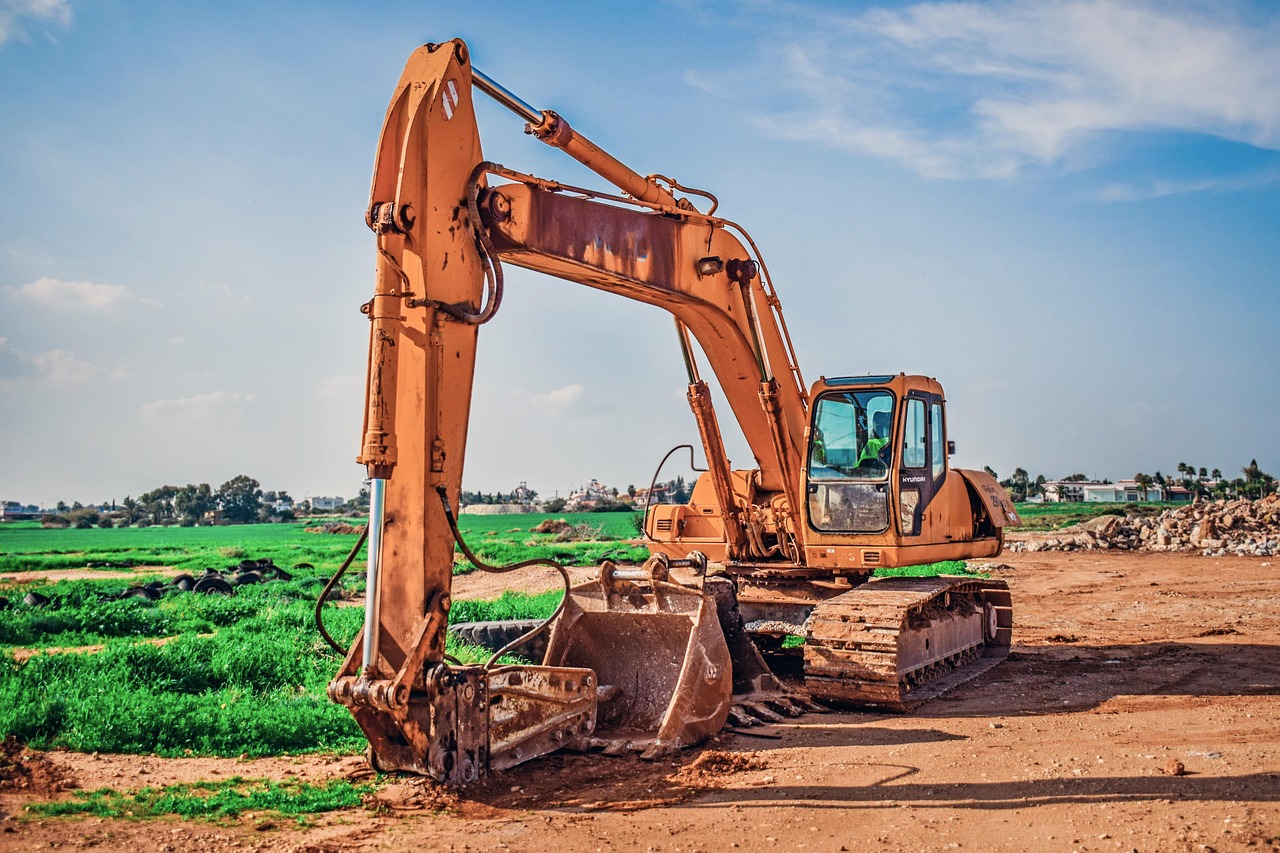
This guide gives contractors, plant managers, fleet owners and procurement teams a structured way to evaluate excavators, loaders, dozers, cranes, forklifts, compactors and similar industrial equipment. For related procurement topics, see our buying guides.
Start with the job before choosing the machine
A clear job definition prevents two common mistakes: buying an underpowered machine that slows production, or buying excess capacity that raises fuel, transport, tire, undercarriage and maintenance costs. Before comparing brands or listings, define the work in measurable terms.
Production requirement
Estimate the volume, weight, lift height, reach, cycle time and operating hours required per day or week. An excavator used for utility trenching, for example, has different priorities from one used for mass excavation. A loader feeding a crusher needs bucket capacity, breakout force and cycle speed. A telehandler serving a vertical jobsite needs reach, lift chart verification and attachment compatibility. The goal is to turn the work into specifications, not opinions.
Site limits
Site conditions can change the correct machine size. Soft ground may require lower ground pressure, wider tracks or mats. Congested sites may favor compact radius machines. Indoor or urban work may require electric, low-emission or low-noise equipment. Bridge limits, road permits, trailer capacity and loading dock height can also affect machine selection. A machine that looks productive on paper can become expensive if it needs special transport for every move.
Attachment and hydraulic needs
Attachments often determine whether one machine can replace several. Breakers, grapples, mulchers, sweepers, forks, buckets and quick couplers require the right flow, pressure, weight balance and control circuits. Confirm auxiliary hydraulics, coupler type, pin dimensions, rated operating capacity and software compatibility before purchase. Treat attachments as part of the machine system, not as accessories to be sorted out later.
Compare new, used and rental by total cost
The buying decision should compare ownership models, not just purchase prices. New equipment may reduce early repair uncertainty but ties up more capital. Used equipment can lower acquisition cost, but it demands stronger inspection discipline. Rental can be the right answer when utilization is uncertain, work is short term or the buyer needs immediate access without long-term ownership risk.
| Option | Best fit | Main advantage | Main risk |
|---|---|---|---|
| New equipment | High utilization, long-term fleet standardization, warranty-sensitive operations | Latest configuration, warranty coverage, predictable early-life service | Higher capital cost, depreciation exposure, financing pressure |
| Used equipment | Budget-limited buyers, backup machines, proven models with available parts | Lower upfront cost and wider sourcing options | Unknown service history, hidden wear, higher inspection burden |
| Rental | Short projects, peak workload, specialized work, uncertain backlog | Flexibility, access to newer units, reduced ownership commitment | Availability risk, usage limits, long-term cost if utilization becomes steady |
Rental deserves serious consideration when demand is uneven. EquipmentWatch reported that U.S. construction and industrial equipment rental penetration reached 57% in 2024 and continued a multi-year growth trend, while many categories saw modest rental rate increases in early 2025. That does not make rental automatically cheaper, but it shows why many fleets treat rental as part of procurement strategy rather than a last resort. (44583963.fs1.hubspotusercontent-na1.net)
For owned machines, build a simple total cost model. Include purchase price, financing, taxes, insurance, transport, fuel or charging, preventive maintenance, wear parts, tires or undercarriage, attachments, operator training, downtime risk and expected resale value. A cheaper machine can cost more if parts are scarce, dealer support is weak or fuel consumption is high. A more expensive machine may be justified if it increases daily production enough to reduce labor hours, schedule risk or backup rental.
Check emissions, compliance and safety requirements
Heavy equipment machinery is increasingly judged by whether it can work on a specific site, not only whether it can perform the task. Public projects, urban jobsites, industrial plants, ports and large private owners may impose emissions, noise, safety or documentation requirements that eliminate otherwise attractive machines.
Engine emissions and site acceptance
In the United States, the Environmental Protection Agency regulates emissions from heavy equipment with compression-ignition diesel engines, including equipment such as excavators, agricultural tractors, forklifts, airport ground support equipment, generators, pumps and compressors. Buyers should confirm engine family information, emissions tier, aftertreatment condition and any project-specific acceptance rules before purchasing. (epa.gov)
Older diesel machines may still be useful in some applications, but they can face restrictions on certain contracts or locations. Tier 4 machines may require diesel exhaust fluid, diesel particulate filters, sensors and aftertreatment maintenance. That is not a reason to avoid them; it is a reason to budget correctly and train operators and technicians. A machine that repeatedly idles, runs cold or ignores regeneration warnings can create avoidable downtime.
Safety features are buying criteria
Procurement should treat safety systems as specifications. OSHA’s construction struck-by guidance states that approximately 75% of struck-by fatalities involve heavy equipment such as trucks or cranes. Practical buying criteria include working cameras, mirrors, horns, backup alarms, lights, seat belts, rollover protection, falling object protection where needed, proximity awareness options and clear service access. (osha.gov)
Safety is also affected by visibility, controls and operator familiarity. A machine with poor sight lines or unfamiliar control patterns can increase risk even if it meets baseline specifications. Before purchase, verify operator training needs, manuals, warning labels and maintenance access. For cranes and lifting equipment, qualification, load charts and inspection records require additional discipline and should not be treated as general equipment paperwork.
Inspect condition like a risk manager
Used equipment can offer strong value, but only if inspection is systematic. The purpose is not to find cosmetic flaws; it is to estimate remaining economic life and identify costs that should affect price. If the machine is critical to production, use a qualified mechanic, dealer inspection, fluid analysis or third-party appraisal before final commitment. See also: production equipment.
| Area | What to verify | Why it matters |
|---|---|---|
| Identification | Serial number, model year, ownership documents, liens, import records | Prevents title, resale and parts-ordering problems |
| Hours and usage | Meter reading, telematics history, idle time, application type | High idle hours and severe duty can change wear expectations |
| Engine | Cold start, smoke, blow-by, leaks, service records, fault codes | Engine repairs can quickly erase purchase savings |
| Hydraulics | Cylinder rods, hoses, pumps, drift, response, contamination signs | Hydraulic problems affect productivity and attachment use |
| Undercarriage or tires | Track chains, rollers, sprockets, pads, tire cuts, wear pattern | Wear components can be among the largest near-term costs |
| Structure | Boom, stick, frame, welds, pins, bushings, articulation joints | Cracks and excessive play may indicate severe duty or poor maintenance |
| Cab and controls | Displays, joysticks, HVAC, seat, visibility, alarms, cameras | Operator comfort and control quality affect safety and production |
| Aftertreatment | DPF, SCR, DEF system, sensors, regeneration history | Neglected emissions systems can cause derates and downtime |
Price negotiation should be tied to documented findings. If an inspection reveals worn tracks, leaking cylinders or missing maintenance records, convert those issues into estimated repair costs and downtime risk. Avoid vague discounts. A disciplined buyer asks: what must be repaired immediately, what can be scheduled, and what risk remains even after repairs?
Evaluate dealer support, parts and technology
A machine is only as dependable as the support system behind it. Before choosing a model, verify local parts availability, mobile service coverage, technician familiarity, warranty process, diagnostic tool access and expected lead times for major components. This is especially important for imported, discontinued or niche machines. A low purchase price can become expensive if a sensor, controller or hydraulic part keeps the unit parked for weeks.
Telematics should also influence the decision. Location tracking, fault codes, fuel burn, idle time, utilization reports and service reminders can help fleet managers reduce misuse and schedule maintenance. The practical question is data access: who owns the data, what subscription is required, whether the platform integrates with existing fleet software, and whether the buyer can export records for resale or internal reporting.
Technology should solve operational problems, not add complexity. For small fleets, basic alerts and maintenance tracking may be enough. For large fleets, integrated telematics, operator identification, geofencing and utilization dashboards can support dispatching, billing and preventive maintenance. The right level depends on how the equipment will be managed after purchase.
Use a scorecard before approval
A scorecard reduces the chance that procurement is driven by a single attractive price. Assign weights to the criteria that matter most for the operation, then score each option consistently. A sample weighting might look like this:
- Job fit and productivity: 25%
- Total cost of ownership: 20%
- Condition and maintenance risk: 15%
- Dealer, parts and service support: 15%
- Safety and compliance: 10%
- Attachment compatibility: 10%
- Resale flexibility: 5%
The weighting should change by application. A quarry may emphasize uptime, fuel use and service support. A municipal buyer may prioritize emissions, safety documentation and long service life. A contractor bidding short-duration projects may give more weight to rental flexibility and transport cost. The important point is to compare options against the same job-specific assumptions.
Before issuing a purchase order, confirm five final items: the exact machine configuration, included attachments, warranty terms, delivery date, training or handover support, and what happens if inspection findings differ from the seller’s description. Written confirmation is safer than relying on listing language or verbal promises.
Frequently asked questions
Is it better to buy new or used heavy equipment machinery?
New equipment is usually stronger when uptime, warranty coverage, current technology and fleet standardization matter most. Used equipment can be better when the budget is limited, utilization is moderate or the buyer can verify condition thoroughly. The better choice depends on total cost, not age alone.
How many hours are too many on used heavy equipment?
There is no universal hour limit. Hours must be interpreted with application, maintenance history, component condition and machine type. A well-maintained machine with higher hours may be a better buy than a low-hour unit used harshly or serviced poorly. Inspect condition and records before relying on meter hours.
When should a company rent instead of buy?
Rental is often better for short projects, seasonal peaks, specialized tasks, uncertain backlog or machines that would sit idle after one contract. Buying becomes more attractive when utilization is consistent, support is available and the machine contributes directly to long-term production.
What is the most overlooked cost in equipment buying?
Downtime is often underestimated. Repair parts, technician delays, transport, operator learning curves and backup rental can exceed the apparent savings from a low purchase price. Buyers should price availability and support as seriously as horsepower, lift capacity or bucket size.
What documents should be checked before buying used equipment?
Check the serial number, ownership records, lien status, service history, inspection reports, emissions information, manuals, warranty transfer terms and any available telematics or fault-code history. For lifting equipment, load charts and inspection documentation are especially important.