How to choose a rubber tyred gantry crane for container yard operations

What a rubber tyred gantry crane is used for
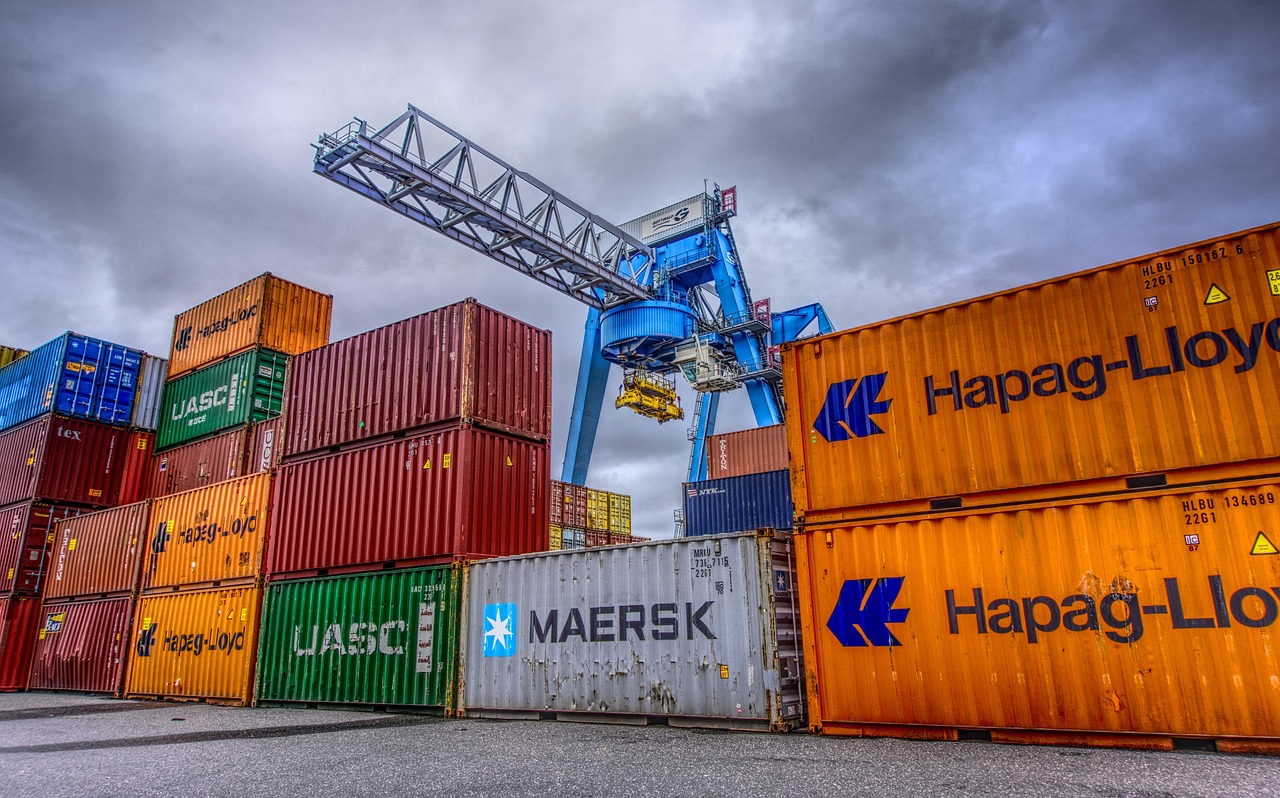
A rubber tyred gantry crane, often shortened to RTG, is a mobile gantry crane that travels on rubber tyres rather than fixed rails. In a container yard, it straddles container rows, lifts boxes with a spreader, stacks them in blocks and transfers them to road trucks, terminal tractors or other yard transport. For buyers, the decision is not limited to lifting capacity. The right RTG has to fit the yard block width, stacking height, pavement strength, traffic pattern, power strategy, safety rules and long-term maintenance plan.
RTGs are widely used in container terminals, inland intermodal depots and logistics yards where layout flexibility matters. Because the crane can move between blocks, it is useful where storage demand changes, expansion is phased or rail infrastructure is not practical. Smaller rubber-tyred gantry designs are also used in industrial yards for precast concrete, steel structures, wind power components and oversized materials, but this guide focuses mainly on container-yard RTG selection.
For more equipment selection articles, see the buying guides section.
Start with the operating requirement, not the crane model
A reliable specification starts with the work the crane must perform. Buyers sometimes compare supplier brochures first, but an RTG is part of a wider yard system. If the yard layout, truck interface and operating hours are not clear, the crane can end up over-specified in one area and under-specified in another.
Define the following before sending an enquiry:
- Container types: 20 ft, 40 ft, 45 ft, refrigerated containers, tank containers, empty containers or special cargo.
- Rated load: maximum container weight under spreader, including whether twin-lift operation is required.
- Stacking pattern: number of container rows, truck lane arrangement and target stacking height.
- Daily moves: average and peak moves per hour, not only annual throughput.
- Travel pattern: whether the RTG will remain in one block, move between adjacent blocks or travel longer distances across the yard.
- Power availability: diesel, grid power, hybrid storage, battery charging space or conductor/cable infrastructure.
- Site environment: wind, slope, drainage, pavement bearing capacity, temperature and corrosion exposure.
Public manufacturer data sheets show why this step matters. Published RTG ranges commonly cover spans from about five to ten container rows plus a truck lane and stacking heights from about 1-over-3 to 1-over-6. These figures are useful reference points, but they do not replace a project-specific load chart, wheel-load analysis and civil review.
Key specifications buyers should compare
The main RTG specifications are closely linked. A change in span, lifting height, speed or automation level can affect wheel loads, power demand, steel structure size and maintenance cost. The table below explains what each buying parameter means in practice.
| Specification | What it affects | Buying guidance |
|---|---|---|
| Safe working load under spreader | Maximum container weight and lifting margin | Match the heaviest expected loaded container and verify whether single-lift or twin-lift duty is required. |
| Span | Number of rows covered and truck lane position | Specify container rows plus truck lane clearly; do not quote only the overall span. |
| Lifting height | Stack height and clearance above the top container | Use the actual stacking policy, for example 1-over-5 or 1-over-6, including operational clearance. |
| Hoist, trolley and gantry speeds | Cycle time and peak productivity | Compare speeds under rated-load and no-load conditions; high nameplate speed does not always produce higher yard output. |
| Wheel configuration and wheel load | Pavement design, maintenance and turning behavior | Ask for maximum wheel loads in operating and out-of-service cases, including wind and dynamic effects. |
| Steering and positioning | Block transfer accuracy and tyre wear | Consider auto-steering, DGPS or local positioning aids when blocks are tight or traffic is heavy. |
| Spreader type | Container compatibility and maintenance | Confirm ISO container compatibility, hydraulic or electric design, rotation or trim needs, and spare-parts availability. |
Capacity should be specified under the spreader
When comparing proposals, confirm whether the rated capacity is stated under the spreader, below the headblock or at another reference point. A container-handling RTG is usually purchased around spreader duty, so the safe working load should reflect the actual payload the operator can lift. If the yard handles heavy export boxes, overweight special cargo or twin-lift operations, the supplier should state the structural, hoist and brake design basis for that duty.
Span and stacking height must match the yard block
A wider RTG can cover more rows, but it also affects turning space, wheel loads, travel path and cost. A higher RTG increases storage density, but it may slow operations if operators frequently reshuffle containers or if wind conditions limit high stacking. The practical question is not only “How high can the crane stack?” It is “What stack height improves yard capacity without creating excessive rehandles, delays or safety exposure?”
Diesel, hybrid or electric power
Power system choice is now one of the most important RTG buying decisions. Traditional diesel-electric RTGs remain common because they are mobile and require less fixed electrical infrastructure. At the same time, fuel cost, emissions policy and port decarbonization plans have pushed many terminals to consider hybrid and electric RTG options.
| Power option | Strengths | Limitations to check |
|---|---|---|
| Diesel-electric | High mobility, simpler yard infrastructure and familiar maintenance | Fuel use, engine emissions, noise, aftertreatment maintenance and local permit requirements. |
| Hybrid with energy storage | Can reduce fuel use by recovering or smoothing energy demand | Battery or ultracapacitor life, thermal management, replacement cost and supplier support. |
| Grid-connected eRTG | Lower local exhaust emissions and potentially lower energy cost where electricity supply is reliable | Cable reel or conductor system cost, transfer between blocks, electrical safety and yard construction work. |
| Battery-electric or battery-assisted | Useful where zero-emission operation is required or grid connection is planned | Charging time, peak power demand, battery replacement plan and emergency operating strategy. |
The Port Equipment Manufacturers Association has described RTG electrification as a way to reduce fuel use and emissions, while also noting that the correct system depends on the terminal’s operating pattern and infrastructure. Academic studies on electric RTGs have reported meaningful energy and emissions reductions, but results vary by electricity mix, utilization rate, travel pattern and assumptions. Treat claimed savings as project-specific estimates that must be verified with duty-cycle data.
For U.S. projects using diesel engines, buyers should also verify applicable nonroad diesel engine requirements. The U.S. Environmental Protection Agency finalized Tier 4 nonroad diesel standards in 2004, and engine compliance depends on engine category, production date and application. In procurement documents, request engine certificates, aftertreatment details, fuel requirements and maintenance intervals rather than accepting a general “low emission” claim.
RTG versus RMG and other yard equipment
A rubber tyred gantry crane is not always the best yard crane. Rail-mounted gantry cranes, reach stackers, straddle carriers and automated stacking cranes may be more suitable depending on volume, layout and capital plan. The RTG’s main advantage is flexibility: it can move between blocks and can be introduced into a yard without continuous rails. Its trade-offs include tyre and pavement wear, diesel or hybrid power complexity, and potentially lower automation potential than fixed rail systems in highly standardized terminals.
| Yard condition | RTG is usually attractive when | Consider alternatives when |
|---|---|---|
| Layout flexibility | Blocks may change, terminal expansion is phased or demand shifts by season. | The yard layout is fixed for decades and high-density automation is planned from the start. |
| Civil infrastructure | The buyer wants to avoid major rail construction or needs a staged investment. | The terminal can justify rail foundations and fixed electrical infrastructure. |
| Throughput | Medium to high throughput is needed with flexible deployment across blocks. | Very high, predictable throughput requires synchronized automated stacking blocks. |
| Energy strategy | Diesel, hybrid or selective electrification is acceptable. | Full electric operation with fixed routing is a core requirement. |
For a small inland depot, an RTG may provide a useful balance of storage density and mobility. For a large automated port, rail-mounted or automated stacking systems may deliver better long-term performance if the civil works and operating discipline are justified. The buying decision should compare total yard cost and throughput, not only the crane purchase price.
Safety, compliance and maintenance planning
An RTG procurement should include safety and compliance requirements from the first enquiry. In the United States, OSHA 29 CFR 1910.179 covers overhead and gantry cranes in general industry and defines a gantry crane as a crane with a bridge supported on legs running on fixed rails or another runway. The same OSHA standard includes inspection requirements for functional mechanisms, ropes, brakes, structural members, electrical apparatus and other safety-related components. Local rules, port authority requirements, ASME standards and the manufacturer’s instructions may add further obligations. See also: production equipment.
Important safety and maintenance items include:
- Anti-sway control: improves positioning accuracy and reduces load swing, especially in windy conditions.
- Overload and limit protection: including hoist limits, travel limits, emergency stops and interlocks.
- Wind management: operating wind limit, storm parking procedure and out-of-service securing method.
- Visibility and collision avoidance: cameras, lights, alarms, obstacle detection and traffic separation.
- Tyre and pavement management: tyre pressure, tyre wear, cornering loads and pavement rutting.
- Electrical safety: particularly for eRTG cable reels, conductor rails, plug-in points and grounding systems.
- Maintenance access: safe access to hoists, trolleys, engines, electrical rooms, platforms and ladders.
Maintenance cost is often underestimated. Tyres, brakes, wire ropes, spreader components, sensors, drives, engine aftertreatment and electrical cabinets should all be included in the lifecycle model. Ask suppliers for a recommended spare-parts list for the first two years, estimated major component replacement intervals and the response time for critical service support.
Commercial checks before placing an order
Price comparison should be based on a complete and consistent scope. Two RTG offers may look similar on capacity and span, yet differ significantly in spreader type, automation package, corrosion protection, operator cabin, drive system, spare parts, commissioning responsibility and warranty exclusions.
Request a complete technical proposal
A strong request for quotation should ask for:
- General arrangement drawings with key dimensions and turning envelope.
- Rated capacity, lifting height, span, outreach if any, speeds and duty classification.
- Wheel-load data for operating, travelling and storm conditions.
- Power system description, fuel or electricity consumption assumptions and emissions information.
- Spreader specification and container compatibility.
- Safety systems, operator interface and diagnostic functions.
- Applicable design standards and inspection documentation.
- Factory acceptance test, site acceptance test and commissioning plan.
- Training scope for operators, electricians and maintenance technicians.
- Warranty terms, spare parts, service response and software support.
Evaluate lifecycle cost instead of purchase price only
The lowest purchase price may not deliver the lowest-cost crane. A better comparison includes civil works, electrical infrastructure, fuel or energy cost, maintenance labor, tyre replacement, parts inventory, software licenses, downtime risk and resale value. For electric RTGs, include transformer capacity, cable trenches, conductor rails or reels, protection systems and charging infrastructure. For diesel and hybrid RTGs, include fuel storage, emissions aftertreatment, engine servicing and any local air-quality requirements.
Frequently asked questions
What is the difference between rubber tyred and rubber tired gantry crane?
They refer to the same type of crane. “Rubber tyred gantry crane” is common in British and international usage, while “rubber tired gantry crane” is common in U.S. English. RTG is the widely used abbreviation.
How high can an RTG stack containers?
Published RTG product ranges commonly include stacking heights from about 1-over-3 to 1-over-6, with some special configurations outside that range. The correct height depends on yard density targets, wind conditions, operator visibility, crane stability, pavement design and container rehandling strategy.
Is an electric RTG always better than a diesel RTG?
No. Electric RTGs can reduce local exhaust emissions and may lower energy cost, but they require suitable electrical infrastructure and may affect block-transfer operations. Diesel or hybrid RTGs may still be suitable where the yard layout changes frequently or grid infrastructure is limited. The decision should be based on duty cycle, energy price, emissions rules and terminal layout.
What information should be confirmed before buying an RTG?
Confirm container weights, stacking pattern, span, lifting height, move rate, pavement capacity, traffic flow, wind conditions, power system, inspection rules, spare-parts support and commissioning responsibility. If these inputs are missing, the quotation is likely to rely on assumptions that may not match the real yard.
How long should an RTG last?
Service life depends on duty, environment, maintenance quality and technology obsolescence. Many buyers plan RTG investments over a long operating horizon, so structural condition, drive support, electrical upgradeability and parts availability should be evaluated before purchase, not only at overhaul time.
Final buying guidance
A rubber tyred gantry crane is a strong choice when a yard needs container stacking density, block-to-block mobility and a practical path to staged investment. The best specification starts with yard operations, then defines capacity, span, stacking height, wheel loads, power system and safety requirements. Buyers should compare RTG proposals on lifecycle cost and operational fit, not headline capacity alone. A well-prepared specification reduces change orders, avoids infrastructure surprises and helps the crane deliver the productivity the yard actually needs.