How to choose rubber wheel chocks for industrial vehicles and loading docks

Why rubber wheel chocks are not a one-size purchase
Rubber wheel chocks are simple pieces of equipment, but specifying them is a safety decision, not just a low-cost maintenance order. The correct model depends on tire diameter, vehicle weight, grade, surface condition, exposure to oil or weather, and the procedure used at the site. At loading docks, OSHA’s powered industrial truck rules address chocking or blocking when trucks, trailers or railroad cars are loaded, unloaded or boarded by powered industrial trucks. SAE International’s SAE J348 is also widely referenced by manufacturers as a wheel chock design and manufacturing standard.
In practice, buyers should match the chock to the vehicle and the environment, then confirm that the product documentation supports the intended use. This guide focuses on industrial rubber wheel chocks used around warehouses, yards, service areas, construction sites, mines, maintenance bays and loading docks. It is written for purchasing teams, safety coordinators and equipment managers who need a usable specification rather than a generic product list.
What rubber wheel chocks are designed to do
A wheel chock is a wedge-shaped block placed closely against a wheel to help reduce unintended rolling. Rubber models are widely used because they are dense, relatively economical, resistant to everyday impact, and able to provide useful friction on many paved surfaces. Typical applications include delivery trucks, trailers, forklifts, service vehicles, utility carts, light construction equipment and parked industrial vehicles.
A chock should not be treated as a stand-alone control method. In most industrial settings, chocking works alongside parking brakes, dock procedures, trailer restraints, driver communication and site traffic rules. A chock also does not make an unstable vehicle safe for lifting, repair or entry unless the full lockout, support and maintenance procedure is followed.
- Loading docks: Used to help prevent trailer movement while forklifts or pallet trucks enter and exit.
- Vehicle parking: Used as an added control on grades, uneven yards or temporary stops.
- Maintenance areas: Used to stabilize vehicles before inspection or service, together with approved support equipment.
- Construction and utility work: Used with aerial lift trucks, service vehicles or mobile equipment where site rules require additional rolling prevention.
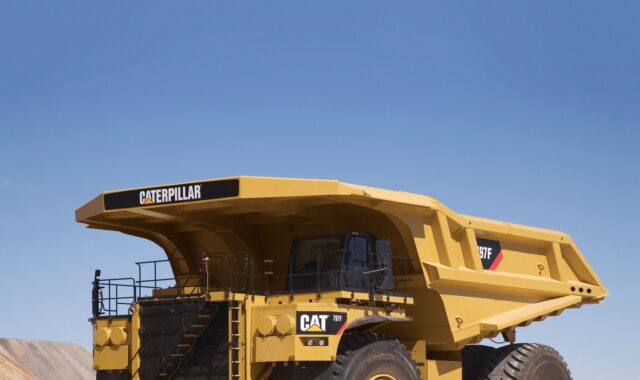
- Mining and quarry sites: Used where procedures require parking brakes and wheel chocking for certain mobile equipment conditions.
The main purchasing point is straightforward: the same rubber wedge may be acceptable for a light service truck but unsuitable for a heavy trailer, wet dock apron or large off-road tire. Application comes before price.
Standards and rules to check before buying
Regulations rarely tell a buyer to purchase one exact rubber chock. They usually define the condition that must be controlled: preventing vehicle movement. A purchasing specification should therefore connect three items: the relevant workplace rule, the product standard claimed by the manufacturer, and the site procedure employees will actually follow.
| Reference point | What it means for buyers | Practical purchasing action |
|---|---|---|
| OSHA 29 CFR 1910.178(k)(1) | Addresses setting brakes and placing wheel chocks under rear wheels of highway trucks when they are boarded by powered industrial trucks. | For dock operations, confirm whether chocks, dock locks or other positive restraints are required by the site procedure. |
| OSHA 29 CFR 1910.178(m)(7) | Addresses brakes and wheel blocks to prevent movement during loading or unloading of trucks, trailers and railroad cars. | Do not buy chocks by size alone; confirm that they support the loading and unloading procedure. |
| OSHA guidance on mechanical dock restraints | OSHA has recognized that mechanical means may provide equivalent protection in certain dock situations when installed and used properly. | If the site uses vehicle restraints, clarify when chocks are still required as backup or for exceptions. |
| SAE J348 | SAE J348 is a technical standard presenting basic information for wheel chock design and manufacture. | Ask suppliers whether the model is designed or tested to the relevant SAE J348 requirements for the intended tire size. |
| MSHA surface mobile equipment programs | Mine safety programs may include parking brake and wheel chocking procedures for mobile equipment. | For mining or quarry use, align the purchase with the written safety program and equipment categories. |
Because enforcement and site requirements can vary by operation, a purchasing team should not rely on catalog language alone. Ask for a specification sheet, rated application, compatible tire diameter range, material description, and any standard compliance statement. If a supplier cannot provide basic documentation, the chock may still be useful for light-duty nonregulated tasks, but it should not be assumed suitable for higher-risk industrial work.
How to size rubber wheel chocks
The most common buying mistake is choosing a chock because it “looks heavy.” Weight can help keep a chock in place, but it does not prove correct fit. A useful specification starts with the vehicle and the working condition.
Tire diameter and chock height
Manufacturers often publish a maximum compatible tire diameter or vehicle category for each chock model. This matters because a small chock can sit too low against a large tire and provide limited resistance. The chock should contact the tire securely and be tall enough for the application without becoming impractical to place, remove or store.
For mixed fleets, do not assume one size will cover everything. A warehouse may need smaller rubber chocks for light trucks and carts, medium chocks for delivery vehicles, and larger reinforced chocks for trailers or heavy service equipment.
Vehicle weight and axle loading
Gross vehicle weight is important, but the loading at the chocked wheel also matters. A loaded trailer, fuel truck or service vehicle with rear-mounted equipment may place very different forces on the chock than the same vehicle when empty. If the chock will be used for loaded trucks, specify that condition from the start.
A safe purchase request should include vehicle type, typical loaded weight, tire size, whether the vehicle is powered or towed, and whether employees or powered industrial trucks will enter the vehicle or trailer. These details help suppliers recommend a model instead of guessing.
Grade, floor condition and surface material
Chocks perform differently on level concrete, broom-finished dock aprons, wet asphalt, gravel, compacted soil, oily maintenance floors or icy yards. Rubber usually grips clean concrete and asphalt well, but contamination can reduce friction. On rough outdoor surfaces, a more aggressive base or heavier design may be needed. On polished floors, a flat rubber base may be useful, but it should still be checked against site conditions.
Where vehicles are parked on a grade, placement direction matters. The chock should be placed firmly against the tire on the downhill side unless the procedure calls for chocking both sides because of uncertainty, vibration, loading forces or site rules.
Rubber versus urethane, metal and wood chocks
Rubber wheel chocks are common because they balance cost, weight, durability and grip. They are not always the right choice, especially where extreme loads, chemical exposure or specialized fleet standards apply. Comparing material options helps avoid overbuying for light duty or underbuying for heavy duty. See also: production equipment.
| Material | Typical strengths | Common limitations | Where it often fits |
|---|---|---|---|
| Rubber | Good friction on many paved surfaces, impact resistant, widely available, often economical. | Can degrade with prolonged chemical, oil, UV or extreme temperature exposure depending on formulation. | Warehouses, delivery fleets, maintenance bays, loading areas and general industrial vehicles. |
| Urethane or polyurethane | Often lighter than comparable rubber designs and available in high-visibility colors; many models target industrial fleets. | Can cost more; performance depends heavily on design and base style. | Fleet operations, emergency vehicles, utility vehicles and sites needing high visibility. |
| Aluminum or steel | Strong, durable and suitable for some heavy-duty or specialty applications. | May slide on smooth surfaces without suitable traction features; can damage floors or tires if misused. | Heavy equipment, aviation, industrial yards and specialized vehicle control. |
| Wood | Low cost and easy to replace in some temporary settings. | Inconsistent quality, can split, absorb contaminants and lack documented performance. | Temporary low-risk use only where site rules permit it. |
For most buyers searching specifically for rubber wheel chocks, the decision is less about rubber versus every other material and more about rubber construction quality. Look for dense molded rubber, a stable base, visible handling features, and documentation that clearly matches the vehicle class.
Features to compare on a purchase sheet
A good buying guide should translate into a purchase sheet. Compare the following features before approving a rubber wheel chock model.
- Compatible tire diameter: The supplier should state the tire size or vehicle range the chock is intended to support.
- Overall dimensions: Height, length and width affect wheel contact, stability and storage.
- Weight: Heavier chocks may stay in place better, but employees must still be able to handle them safely.
- Base design: Ribbed, grooved or textured bases may improve grip on appropriate surfaces. Some models use metal cleats or rubber traction pads.
- Handle or rope: A molded handle, eye bolt, rope or chain can make retrieval safer and reduce awkward bending.
- Visibility: Black rubber can be hard to see in low light. Reflective tape, bright markings or a high-visibility storage station can reduce trip and traffic risks.
- Weather resistance: Outdoor storage calls for better resistance to sunlight, water, temperature swings and road chemicals.
- Oil and fuel exposure: Maintenance areas should consider whether the rubber compound is suitable for contact with oils, fuels or solvents.
- Storage bracket: Vehicle-mounted or wall-mounted brackets reduce loss and make inspections easier.
- Documentation: Keep the product sheet, standard statement and supplier recommendation with the safety file or purchasing record.
For more equipment selection topics, see the site’s buying guides.
How to use and inspect rubber wheel chocks after purchase
Buying the correct chock does not guarantee safe use. Operators need a simple procedure that states when chocks are required, where they are stored, who places them, who removes them, and how they are inspected. The procedure should also address exceptions, such as trailers already held by dock restraints or vehicles parked on unusual grades.
- Set the parking brake before placing chocks unless the site procedure states a different safe sequence.
- Place the chock snugly against the tire, not several inches away from it.
- Use the downhill side on grades, or follow the site’s two-direction chocking rule where applicable.
- Keep hands and feet clear of pinch points when placing or removing chocks.
- Remove chocks only when loading, servicing or parking control is complete and the vehicle is ready to move.
- Return chocks to their assigned bracket, cabinet or marked storage point.
Inspection should be routine. Replace a rubber chock if it is cracked through, badly chunked, oil-soaked, distorted, missing its handle, missing required cleats or pads, or no longer sits flat. Also replace it if the product marking is unreadable and the site cannot confirm what vehicle class it was purchased for.
Storage is often overlooked. Chocks left loose in yards are easy to lose, run over or contaminate. A chock station at the dock, a bracket on a service vehicle, or a numbered storage system makes it easier to verify that the right equipment is present before work starts.
Frequently asked questions
Are rubber wheel chocks required by OSHA?
OSHA does not require “rubber” specifically. OSHA’s powered industrial truck standard addresses brakes, wheel chocks and wheel blocks in certain loading, unloading and boarding situations. The material choice depends on whether the chock effectively prevents movement for the vehicle and conditions. Employers should also consider OSHA interpretations, state-plan requirements and their own written procedures.
How many wheel chocks should be used?
The answer depends on the operation, vehicle position, grade and written procedure. OSHA has issued interpretation guidance indicating that one chock may satisfy the intent in certain circumstances if it effectively prevents movement, but many worksites require two chocks for consistency, visibility or added control. Follow the stricter of the regulation, site rule, customer requirement and manufacturer guidance.
Can rubber chocks be used on wet or oily concrete?
They may be used only if the chock and procedure are suitable for that surface. Wet, oily or polished concrete can reduce traction. Buyers should specify the surface condition when selecting a model, and supervisors should remove damaged or contaminated chocks from service.
Do rubber wheel chocks expire?
There is no universal expiration date for all rubber wheel chocks. Service life depends on material quality, load exposure, sunlight, weather, chemicals, storage and frequency of use. A documented inspection and replacement rule is more reliable than waiting for a fixed age.
Are dock locks a replacement for wheel chocks?
Mechanical dock restraints may provide equivalent protection in some loading dock situations when properly installed, maintained and used. That does not mean wheel chocks are unnecessary everywhere. Many facilities still keep chocks for backup, nonstandard trailers, restraint failures, yard use or customer procedures.