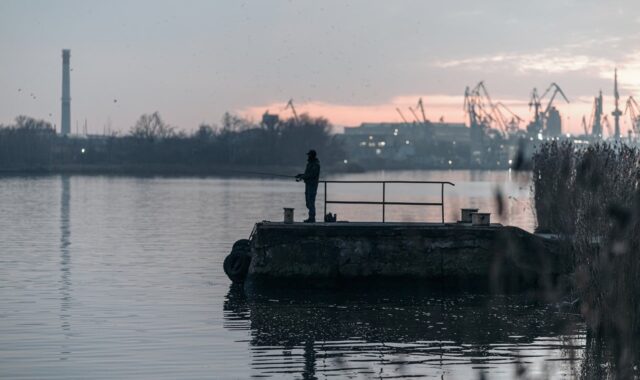
Pond care tips for safer, clearer facility ponds
A practical pond care routine for facilities
Effective pond care is not a once-a-year cleanup. It depends on controlling what enters the water, checking equipment before it fails, and responding early to algae, sediment, low oxygen, blocked flow, or bank damage. These pond care tips are written for facility, grounds, and maintenance teams responsible for stormwater basins, irrigation ponds, utility ponds, and managed landscape ponds.
A reliable routine starts with the pond’s purpose. From there, teams can build a practical program around visual inspections, runoff control, vegetation management, pump and aerator checks, and documented corrective actions. Public guidance from the U.S. Environmental Protection Agency, university extension programs, and fish and wildlife agencies points to a consistent maintenance principle: preventing nutrient, sediment, and debris problems is usually safer and less disruptive than trying to recover a pond after water quality has already declined.
For related facility upkeep topics, see the maintenance tips section.
Start by defining what the pond is supposed to do
A pond on a commercial, municipal, agricultural, or industrial property may look simple, but it can serve very different functions. Some ponds are built mainly to hold and treat stormwater. Others support irrigation, fire protection reserves, process water holding, wildlife habitat, aesthetics, or recreational fishing. Maintenance decisions should follow the pond’s purpose, because a treatment that helps one goal may create problems for another.
For example, a stormwater pond needs unobstructed inlets, outlets, emergency overflow areas, and enough storage capacity. A decorative pond may require clearer water, circulation, and visible plant control. A fish pond needs attention to dissolved oxygen, balanced vegetation, and sudden water quality changes. An irrigation pond is often judged by intake reliability, sediment accumulation, algae at screens, and compatibility with pumps and filters.
Before changing the maintenance program, create a basic pond profile. Record the pond’s approximate size, depth range, water sources, discharge points, nearby slopes, inflow pipes, outlet structures, pumps, electrical panels, aerators, fountains, drains, and access points. Note who owns each asset and who has authority to approve herbicide use, dredging, shoreline work, or discharge changes. This inventory helps prevent a common maintenance error: treating visible symptoms without understanding the system that produced them.
Control runoff before chasing algae
Algae and excessive aquatic plant growth are often symptoms of excess nutrients, sunlight, warm water, and stagnant conditions. The EPA identifies nitrogen and phosphorus pollution as major contributors to algal blooms in water bodies. Cornell Cooperative Extension and other extension programs also connect nutrient inputs with excess pond weeds and algae. For a facility team, the takeaway is practical: if fertilizer, soil, grass clippings, organic waste, wash water, or eroded sediment keep entering the pond, repeated surface treatments will have limited long-term value.
Start with the pond edge and the drainage area that feeds it. Keep grass clippings, leaves, pallets, packaging debris, and soil piles away from swales and inlets. Avoid overfertilizing turf near the water, especially before forecasted rain. Where operations allow, maintain a vegetated buffer around the shoreline so runoff slows before reaching the pond. A buffer does not have to look neglected; it can be managed as a defined maintenance strip with suitable native or site-appropriate plants, controlled access points, and periodic trimming.
Sediment needs particular attention because it reduces pond depth and can carry nutrients. Check construction areas, unpaved traffic routes, eroding banks, and storm drains that feed the pond. If the pond receives muddy water after ordinary storms, the source may be upstream erosion rather than a problem inside the pond itself. Stabilizing bare soil, cleaning catch basins, repairing rills, and protecting inlet aprons can reduce the load before it reaches the water.
- Keep fertilizer, compost, and landscape waste away from drainage paths.
- Inspect inlets after storms for sediment fans, trash, and grass clippings.
- Use a managed shoreline buffer where site operations allow it.
- Repair eroding banks early, before slope failures add more sediment.
- Separate washdown practices from storm drains unless the system is designed and permitted for that use.
Build inspections around equipment, flow, and warning signs
A pond maintenance checklist should cover more than water appearance. Clear water can still hide equipment, outlet, bank, or oxygen problems, while a green tint is not always an emergency. The most useful inspections combine visual checks with simple trend records: water level, odor, color, floating debris, plant coverage, fish behavior, equipment condition, and recent weather.
Teams responsible for industrial or facility ponds should treat pond equipment like other mechanical assets. Pumps, intake screens, valves, floats, fountains, aerators, control panels, and power supplies need scheduled inspection. Trash, weeds, fishing line, sediment, and algae can reduce flow, increase wear, or overload motors. Electrical equipment near water should only be serviced under proper lockout, qualified-person, and site safety procedures.
| Item to check | What to look for | Why it matters | Suggested interval |
|---|---|---|---|
| Inlets and outlets | Trash, sediment, blocked grates, erosion, damaged concrete, unusual flow | Blocked structures can reduce stormwater capacity and cause localized flooding | Monthly and after major storms |
| Shoreline and banks | Slumping, animal burrows, bare soil, ruts, undercut edges | Bank failure adds sediment and can create safety hazards | Monthly during growing season |
| Pumps and intake screens | Reduced flow, vibration, debris, algae buildup, damaged screens | Restricted intake increases mechanical stress and can interrupt water supply | Per equipment manual and during high-demand periods |
| Aerators and fountains | Uneven spray, tripped breakers, clogged nozzles, unusual noise, cable damage | Circulation equipment supports oxygen management and needs safe electrical operation | Weekly visual check in warm months |
| Water and aquatic life | Sudden color change, foul odor, fish gasping near sunrise, dead fish, rapid plant expansion | These may signal low oxygen, pollution, disease, or a harmful water quality shift | Weekly, with added checks during heat waves |
Manage plants, algae, and oxygen with measured steps
Aquatic plants are not automatically a problem. A moderate amount of vegetation can stabilize shorelines, provide habitat, and compete with algae for nutrients. Growth becomes a maintenance issue when it blocks intake structures, interferes with the pond’s purpose, covers a large portion of the surface, or dies back suddenly and consumes oxygen during decomposition.
Before applying any control method, identify what is growing. Filamentous algae, planktonic algae, duckweed, submerged plants, emergent shoreline plants, and invasive species require different responses. Misidentification can waste labor and create secondary problems. University extension programs commonly recommend identification before treatment because the right control method depends on the species, pond use, season, and local rules.
Manual removal can help when growth is localized and access is safe. Removed material should be taken away from the shoreline so nutrients do not wash back into the water. Avoid removing too much vegetation at once in warm weather, especially from fish ponds, because decomposing plant material can reduce dissolved oxygen. If herbicides or algaecides are considered, use licensed or qualified applicators where required, follow the product label, and confirm any restrictions for irrigation, livestock, fish, stormwater discharge, or downstream waters.
Aeration can be useful, but it is not a cure for every pond problem. UF/IFAS Extension explains that aeration supports dissolved oxygen management, yet starting or changing aeration in a stratified pond can disturb low-oxygen bottom water if done poorly. In practical terms, facility teams should not assume that more aeration is always better. Evaluate pond depth, temperature, fish presence, water quality history, and equipment placement before installation or major changes. In ponds with recurring fish stress, professional assessment is safer than guessing.
Watch fish behavior during hot, still weather. Mississippi State University Extension notes that fish at the surface near sunrise can be an early sign of low dissolved oxygen. That sign deserves prompt attention because oxygen is often lowest before daylight photosynthesis resumes. Emergency aeration may help in some cases, but the long-term correction should also address the cause, such as nutrient loading, excess decomposing vegetation, overstocking, or poor circulation.
Use seasonal pond care tips instead of one annual cleanup
Pond conditions change through the year. A schedule that works in spring may be inadequate during summer heat, and autumn leaf drop can undo months of preventive work. Seasonal planning helps teams reduce surprises and budget for labor, contractor support, and equipment maintenance. See also: production equipment.
Spring
Spring is the time to reset the pond before heat accelerates biological activity. Inspect banks for winter erosion, check inlets and outlets, remove accumulated trash, and verify that pumps, fountains, and aerators operate correctly. If the pond uses circulation equipment, review service manuals and electrical safety procedures before high-demand months. Spring is also a good time to identify early plant growth while it is still manageable.
Summer
Summer inspections should focus on algae, oxygen stress, water level changes, odors, and equipment reliability. Warm water holds less dissolved oxygen than cold water, and long hot periods can increase stress on fish and equipment. Keep intake screens clean, monitor vegetation near pumps, and check for fish surfacing around dawn. Avoid aggressive plant removal during the hottest periods unless guided by a qualified pond or fisheries professional.
Fall
Falling leaves and dying vegetation can add a heavy organic load. Remove debris from inlets, grates, and shallow edges before it decomposes in the pond. Inspect shorelines after late-season storms and repair small erosion problems before winter. Fall is also a practical time to review records from the year and decide whether sediment surveys, contractor inspections, or equipment upgrades are needed.
Winter
Winter maintenance depends on climate and pond use. In colder regions, check ice-related hazards only from safe locations and follow site safety rules. Do not send staff onto ice unless the task is necessary and controlled by a formal safety plan. In milder areas, winter can be useful for structural repairs, vegetation planning, and aeration review because biological activity is slower and access may be easier.
Keep safety, compliance, and documentation in the routine
Pond work can involve water hazards, steep slopes, electrical systems, confined drainage structures, wildlife, chemicals, and unstable banks. Treat it as planned maintenance, not casual groundskeeping. Use appropriate personal protective equipment, keep workers away from unsafe edges, control vehicle access on soft ground, and follow electrical lockout procedures for pumps, fountains, and aerators.
Compliance also matters. Stormwater ponds, wetlands, connected waterways, pesticide applications, dredging, and discharge changes may be regulated by local, state, or federal rules. Exact requirements depend on location and pond design, so teams should confirm obligations before chemical treatment, major sediment removal, shoreline reconstruction, or changes to outlet structures. When in doubt, consult the local stormwater authority, extension office, environmental consultant, or licensed applicator.
Record keeping is one of the simplest upgrades a facility can make. A useful log should capture inspection date, weather conditions, water appearance, equipment status, plant coverage, fish observations, maintenance completed, photos, contractor visits, and follow-up actions. Over time, those records reveal patterns. If algae appears after fertilizer applications, if an inlet clogs after every large storm, or if a pump overheats whenever duckweed reaches the intake, the log turns assumptions into evidence.
For ponds visited by outside contractors, anglers, or field crews, biosecurity is also part of maintenance. U.S. Fish and Wildlife Service guidance promotes the Clean, Drain, Dry approach to reduce the spread of aquatic invasive species on boats, boots, tools, and other gear. On facility sites, the same idea can be applied to borrowed pumps, nets, sampling gear, waders, and small boats that move between water bodies.
Frequently asked questions
How often should a facility pond be inspected?
Monthly inspections are a reasonable baseline for many managed ponds, with additional checks after major storms, during heat waves, and when equipment is under heavy use. Ponds with pumps, aerators, public access, regulatory obligations, or a history of algae and fish stress may need more frequent monitoring.
What is the first step when a pond turns green?
Do not start with chemicals. First identify whether the problem is planktonic algae, filamentous algae, duckweed, or another aquatic plant. Then check likely causes such as nutrient runoff, stagnant water, sediment, warm weather, and decaying organic material. Treatment should match the organism, pond use, and local rules.
Can aeration fix algae problems?
Aeration can improve circulation and support dissolved oxygen, but it does not remove the nutrient sources that feed algae. It may be part of a broader plan that includes runoff control, sediment management, plant identification, and equipment maintenance. Poorly planned aeration changes can also disturb pond layers, so deeper or fish-sensitive ponds deserve professional review.
Should all shoreline plants be removed?
No. A controlled shoreline buffer can slow runoff, trap sediment, and reduce direct nutrient entry. The goal is to manage vegetation so it supports the pond’s purpose without blocking access, hiding hazards, damaging structures, or allowing invasive species to spread.
When should a pond specialist be called?
Bring in a qualified specialist when there are repeated fish kills, suspected contamination, severe erosion, unknown aquatic plants, large-scale herbicide plans, dredging needs, structural damage, or uncertainty about permits. Specialist input is usually less costly than correcting a poorly chosen treatment after it affects water quality or infrastructure.