Material handling systems inc and safety due diligence for industrial buyers

The search term material handling systems inc can be misleading. It may point to more than one company name, a legacy automation brand, or the broader category of material handling system integrators. For industrial buyers, the safer first step is to confirm the exact legal entity, service region, equipment scope, and inspection capability. Only then should the team evaluate whether the proposed conveyors, cranes, hoists, forklifts, storage systems, robots, and controls fit current workplace safety obligations. OSHA, BLS, ASME, ANSI, and A3 guidance all reinforce a practical point: material movement projects should be specified around hazard control, maintenance access, traffic separation, and documented training, not only throughput. For related coverage, visit our safety systems section.
Why the search term can be confusing
Material handling is a broad industrial field. It covers the movement, storage, protection, and control of goods in factories, warehouses, distribution centers, ports, maintenance shops, and production lines. A buyer typing material handling systems inc may be looking for a specific supplier, but search results can include different organizations with similar names and very different scopes.
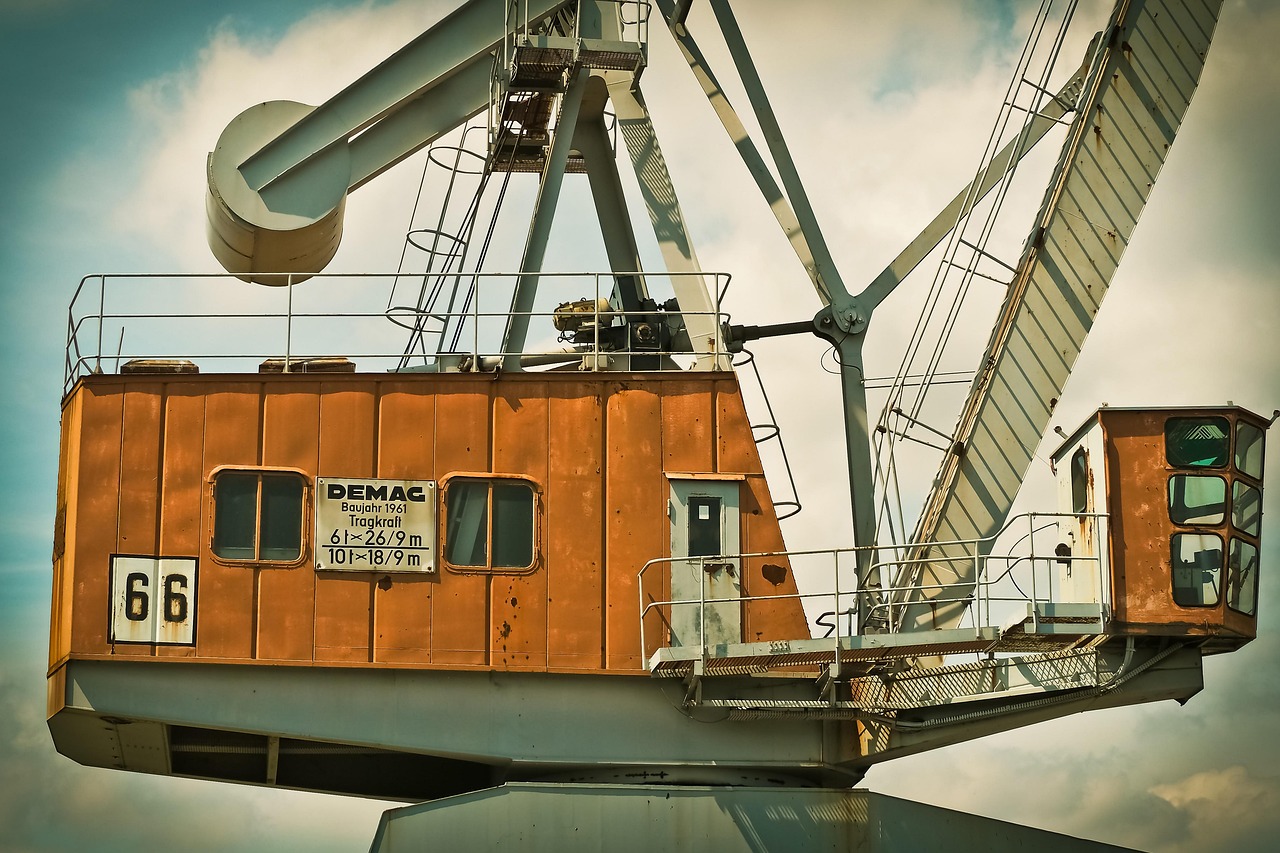
For example, public company information shows that MHS Global, historically associated with material handling automation and systems integration, announced a combination with Fortna on April 18, 2022. Fortna later announced on November 1, 2022 that the combined brands would operate under the Fortna name. That result is different from regional suppliers using names such as Materials Handling Systems, Inc. in Connecticut or Material Handling Systems, Inc. in Florida, which emphasize equipment such as cranes, hoists, lift tables, conveyors, racks, service, inspections, and training.
The distinction matters because safety responsibility depends on the actual equipment, workplace, contract scope, and employer obligations. A parcel sortation integrator, an overhead crane service company, and a storage equipment distributor may all appear relevant in search results, but they do not address the same hazards. Buyers should verify whether the supplier is designing a system, selling components, installing equipment, providing inspection services, modernizing existing machinery, or distributing hardware.
Safety issues should shape the shortlist before equipment features
Material handling projects are often justified by labor efficiency, throughput, space utilization, or order accuracy. Those are legitimate business drivers, but safety performance should be reviewed before the shortlist is finalized. OSHA identifies common warehousing hazards including powered industrial trucks, ergonomics, material handling, hazardous chemicals, slip and trip hazards, falls, and robotics. OSHA also notes that common injuries include musculoskeletal disorders from overexertion and incidents involving powered industrial trucks or other material handling equipment.
The most recent BLS industry profile available for warehousing and storage, NAICS 493, reported 32 fatalities in 2024, compared with 28 in 2023. BLS also reported a 2024 total recordable injury and illness rate of 4.8 cases per 100 full-time workers for the warehousing and storage industry, with a DART rate of 4.1. These figures do not describe every manufacturing or logistics site, but they show why material handling design should not be treated as a purely mechanical or productivity decision.
As of October 2026, OSHA’s current National Emphasis Program on Warehousing and Distribution Center Operations is especially relevant to warehouses, distribution centers, mail and parcel processing, and delivery operations. The current program replaced the July 13, 2023 version, and inspections under the current program began July 31, 2026. OSHA describes the inspections as comprehensive safety inspections focused on hazards such as powered industrial vehicle operations, material handling and storage, walking-working surfaces, means of egress, heat, ergonomics, and fire protection.
For buyers, the practical lesson is straightforward: ask safety questions before asking for final price. If a proposal does not address aisle clearance, maintenance lockout, emergency stops, pedestrian routes, guarding, load ratings, inspection frequency, and operator training, it is not yet a complete industrial safety proposal.
Core safety checkpoints by equipment type
Different material handling systems create different risk profiles. The table below is not a substitute for a site-specific risk assessment, but it gives buyers a practical way to compare proposals from companies found through a material handling systems inc search.
| Equipment area | What to verify | Why it matters |
|---|---|---|
| Storage and racks | Marked aisles, stable stacking, rack protection, load limits, damaged component controls, and housekeeping under OSHA 29 CFR 1910.176 principles. | Unstable storage, poor visibility, and blocked aisles can create struck-by, collapse, fire access, and trip hazards. |
| Forklifts and powered industrial trucks | Operator training, truck approval markings, load backrests where needed, trailer restraint procedures, travel rules, inspection records, and pedestrian separation. | Powered industrial trucks remain one of the most visible material handling hazards because they combine vehicle movement, elevated loads, blind spots, and shared work zones. |
| Overhead cranes and hoists | Rated load markings, clearance, runway conditions, qualified operators, inspection program, load testing when required, and engineering review for modifications or rerating. | Cranes can introduce high-consequence dropped-load, side-loading, impact, and structural hazards if design and inspection controls are weak. |
| Conveyors and sortation | Guarding at nip points, emergency stops, access platforms, lockout points, safe clearing procedures, fire protection coordination, and controls integration. | Conveyors reduce manual carrying but introduce continuous motion, stored energy, pinch points, and maintenance exposure. |
| Robotics and mobile automation | Risk assessment, mapped travel zones, sensing limits, speed controls, human interaction points, floor conditions, charging areas, and management of layout changes. | Automation changes how workers interact with equipment and may create new exposure during exception handling, cleaning, maintenance, and route changes. |
Regulatory and standards references buyers should recognize
Industrial buyers do not need to become standards engineers, but they should recognize the main references that a credible supplier should be able to discuss. OSHA 29 CFR 1910.176 addresses general material handling requirements such as clear aisles, secure storage, housekeeping, clearance signs, and guarding for open hazards. OSHA 29 CFR 1910.178 covers powered industrial trucks, including design, approval, maintenance, parking, travel, loading, and operating rules.
For cranes, OSHA 29 CFR 1910.179 addresses overhead and gantry cranes, including design references, rated load markings, clearance, operator restrictions, and requirements for modifications. For conveyors and other moving machinery, OSHA 29 CFR 1910.212 is central because it requires machine guarding to protect operators and other employees from hazards such as point of operation exposure, ingoing nip points, rotating parts, flying chips, and sparks.
Lockout and tagout should also be part of the discussion. OSHA 29 CFR 1910.147 applies to servicing and maintenance where unexpected energization, startup, or release of stored energy could injure employees. In material handling systems, this can involve electrical energy, gravity, hydraulic pressure, pneumatic pressure, stored spring force, suspended loads, or moving conveyor sections. A system that is easy to run but difficult to isolate safely can become a maintenance hazard.
Consensus standards add another layer. ASME B20.1 is a major safety reference for conveyors and related equipment, including design, construction, installation, maintenance, inspection, and operation. ANSI and A3 robotics standards are increasingly important as autonomous mobile robots, automated guided vehicles, robotic picking, and mixed human-machine work zones expand. ANSI/A3 R15.08 includes requirements for industrial mobile robots, systems, applications, and safe use. These standards are not simply paperwork; they shape risk assessment, safeguarding, acceptance testing, and change management. See also: production equipment.
How to evaluate an integrator or supplier safely
A company name is only the starting point for due diligence. Whether the search result is a regional crane company, a conveyor supplier, a warehouse automation integrator, or a legacy brand now operating under another name, buyers should request safety evidence in a structured way.
- Confirm identity and scope. Verify the legal name, location, service territory, manufacturer relationships, and whether the company is acting as designer, installer, distributor, inspector, or maintenance provider.
- Ask for equipment-specific safety deliverables. These may include layout drawings, load ratings, control philosophy, guarding plan, emergency stop locations, lockout points, operator manuals, inspection checklists, and training requirements.
- Separate compliance from good practice. OSHA rules set enforceable obligations, while consensus standards and manufacturer instructions may provide technical methods and industry practice. A proposal should explain both.
- Review integration boundaries. Many incidents occur where systems meet: forklift-to-rack, conveyor-to-manual picking, crane-to-workstation, robot-to-pedestrian, dock-to-trailer, or maintenance-to-production.
- Require management of change. A safe layout at commissioning may become unsafe after SKU changes, new pallet sizes, higher storage density, different traffic routes, or added automation.
- Plan inspections and training before startup. Startup should not be the first time operators, maintenance technicians, and supervisors learn how the system behaves under abnormal conditions.
Buyers should also value plain-language communication. A supplier that can explain hazards, limitations, maintenance access, and user responsibilities without relying on vague claims is usually more useful than one that only promotes speed or uptime. No supplier can remove the employer’s safety obligations, but a disciplined supplier can make those obligations easier to meet.
Automation changes the risk profile, not the safety duty
Automated material handling can reduce lifting, carrying, walking distance, and repetitive manual movement. That is a real safety advantage when the project is properly designed. However, automation can also add stored energy, complex controls, mobile robots, exception-handling tasks, elevated maintenance work, and more interfaces between people and machines.
A conveyor that reduces manual pallet movement may create pinch points. A robotic palletizer may reduce lifting but require guarding, interlocks, and controlled access. Autonomous mobile robots may reduce forklift travel but introduce mixed traffic and sensing limitations. High-density storage may improve cube utilization but make fire protection, rack damage inspection, and emergency access more demanding.
The buyer’s goal should be balanced risk reduction, not simply labor replacement. A strong specification describes normal production, foreseeable misuse, cleaning, jams, maintenance, power loss, restart, emergency retrieval, and temporary bypass conditions. It should also define who owns each safety task after commissioning: operations, maintenance, engineering, environmental health and safety, the integrator, the OEM, or a third-party inspector.
Frequently asked questions
Is material handling systems inc one company?
Not necessarily. The phrase can refer to different businesses with similar names, older or regional company names, or the general idea of a material handling systems company. Buyers should verify the exact legal entity, location, and service scope before relying on any search result.
What is the main safety risk in material handling projects?
There is no single risk across all projects. Common high-priority hazards include powered industrial truck traffic, unstable storage, manual overexertion, conveyor nip points, crane and hoist loads, inadequate lockout, poor pedestrian separation, and uncontrolled robot interaction zones.
Which OSHA standards are most relevant?
Commonly relevant OSHA standards include 29 CFR 1910.176 for general material handling and storage, 1910.178 for powered industrial trucks, 1910.179 for overhead and gantry cranes, 1910.212 for machine guarding, and 1910.147 for lockout and tagout. The exact set depends on the equipment and workplace.
Should buyers ask for standards compliance before purchase?
Yes. Buyers should ask how the supplier applies OSHA requirements, manufacturer instructions, and relevant consensus standards such as ASME B20.1 for conveyors or ANSI/A3 R15.08 for industrial mobile robots. The answer should be specific to the proposed equipment and site layout.
Can automation make a warehouse safer?
Automation can reduce some manual handling and traffic exposure, but it does not automatically make a workplace safe. Safety depends on risk assessment, guarding, controls, training, maintenance access, emergency procedures, and ongoing review when the operation changes.