Mining equipment trends shaping safer and more productive operations
Why mining equipment decisions are changing
Mining equipment is no longer assessed only by payload, engine power or purchase price. Mine operators now have to balance productivity, safety, emissions, data integration, maintenance access, operator exposure and the infrastructure required to support new technology. Several pressures are shaping those decisions at the same time: stronger demand for critical minerals, closer scrutiny of mobile equipment risk, the wider commercial use of autonomous haulage, and the gradual shift from diesel to battery-electric or trolley-assisted systems.
For buyers, engineers and site managers, the practical question is not whether every mine should adopt the newest machine. It is which equipment addresses the bottleneck that matters most at a specific site. A deep open pit, a narrow-vein underground mine, a quarry and a critical minerals project may all require different answers. This article focuses on the main mining equipment categories and the trends changing how those assets are selected, deployed and maintained.
For more articles on industrial and production machinery, visit the production equipment section.
The core equipment categories still define the mine plan
Even as software, automation and electrification receive more attention, the equipment foundation of a mine remains familiar. Production capacity still depends on how well drilling, blasting, loading, hauling, crushing, conveying and support systems work together. A high-spec haul truck fleet cannot compensate for poor fragmentation, and an advanced crusher will underperform if loading and haulage are inconsistent.
Drilling and blasting equipment
Drill rigs set the first mechanical step in most hard-rock production cycles. Their accuracy affects fragmentation, wall control, explosive use and downstream energy consumption. Modern rigs increasingly include automated drilling functions, hole navigation, digital drilling records and remote operating capability. The value is not just operator convenience; more consistent drilling can reduce rework and improve the predictability of blasting outcomes.
Loading and excavation equipment
Excavators, electric rope shovels, hydraulic shovels, wheel loaders and underground load-haul-dump machines turn broken rock into movable material. Selection depends on bench height, bucket size, truck match, rock density, required availability and maintenance access. In underground mines, machine dimensions and turning radius can be as important as rated power because drift size limits what can operate safely and efficiently.
Haulage and conveying systems
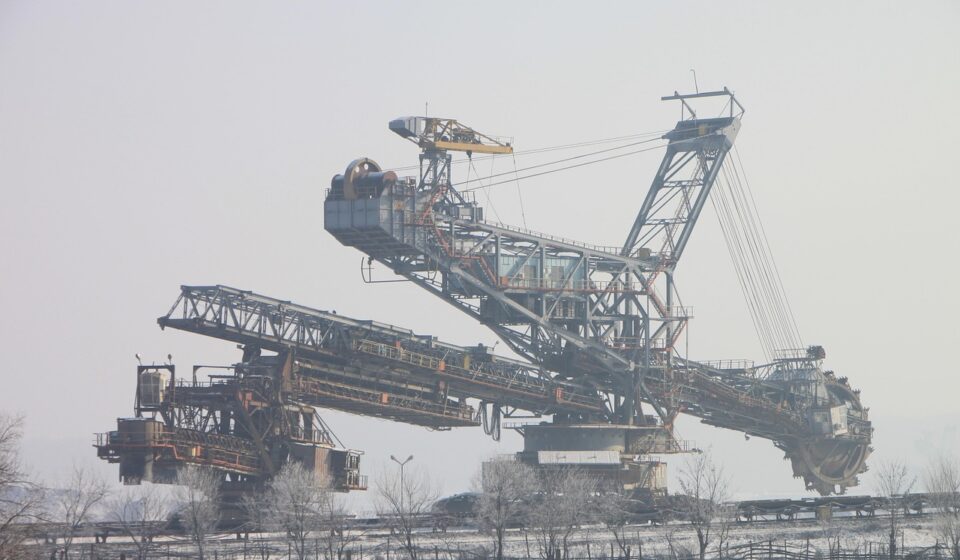
Haul trucks remain one of the most visible forms of mining equipment, but they are not the only haulage option. Conveyors, in-pit crushing and conveying systems, rail-based systems and electric trolley assist can all reduce diesel movement in the right application. The trade-off is flexibility. Trucks can respond to changing pit geometry, while conveyors usually require more fixed planning but can lower energy use per tonne on steady routes.
Crushing, screening and processing support
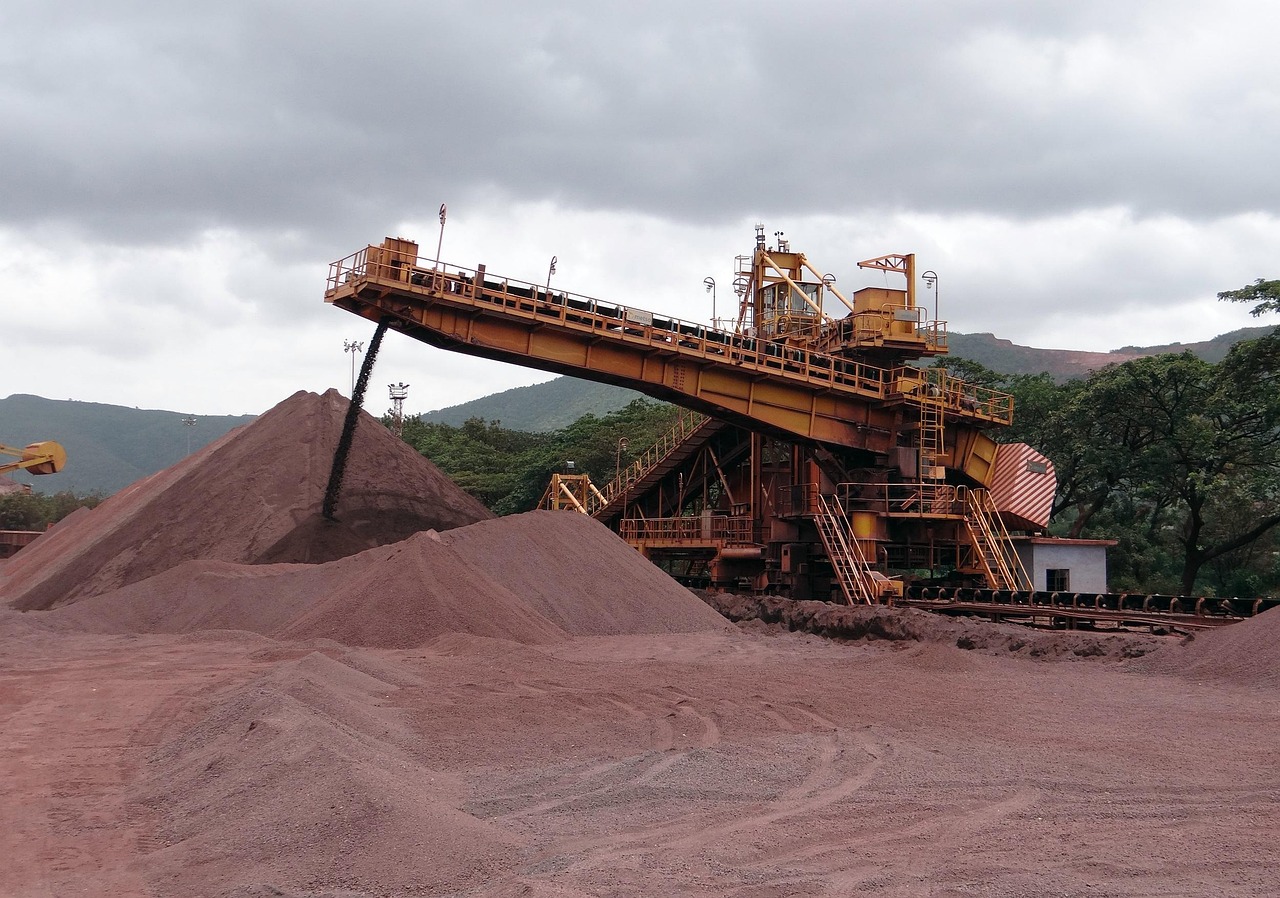
Primary crushers, mobile crushers, screens, feeders and conveyors connect the mine face to the plant. Their performance is closely tied to upstream fragmentation and downstream processing capacity. A common procurement mistake is to treat crushing equipment as a stand-alone purchase rather than part of the full material handling chain.
Automation is moving from pilot projects to fleet strategy
Autonomous haulage is one of the clearest signs that mining equipment is becoming a systems decision, not only a machine decision. Large OEMs have reported major fleet milestones in recent years. Komatsu announced in April 2026 that it had commissioned its 1,000th ultra-class autonomous haul truck using its FrontRunner system. Caterpillar reported in 2026 that nearly 700 Cat autonomous trucks were operating globally and had hauled more than 11 billion tonnes of material. These are manufacturer-reported figures, but they show that autonomy is no longer limited to isolated trials at a few mines.
The strongest business case for autonomy usually appears where haul roads are controlled, routes are repeatable, fleet size is large enough to justify integration, and the site can support high-quality dispatching, communications and maintenance discipline. Autonomous trucks need more than sensors on a vehicle. They depend on road design, traffic rules, geofencing, wireless networks, control rooms, trained technicians and procedures for mixed human-machine operations.
Automation is also expanding beyond ultra-class trucks. Drills, dozers, water carts, underground loaders and remote-controlled machines are increasingly part of staged automation programs. For many mines, the first step is not full autonomy but removing workers from high-risk zones through tele-remote loading, semi-autonomous drilling or remote dozing near unstable ground.
| Automation level | Typical equipment | Operational value | Main limitation |
|---|---|---|---|
| Assisted operation | Drills, loaders, dozers | Improves consistency and reduces operator workload | Still depends heavily on operator decisions |
| Remote operation | Underground loaders, dozers, drills | Moves workers away from hazardous areas | Requires reliable connectivity and new training |
| Autonomous operation | Haul trucks, drills and selected support machines | Can improve utilization and standardize operation | Requires strong site controls and integration discipline |
Electrification is about infrastructure, not only machines
Battery-electric mining equipment attracts attention because it can reduce tailpipe emissions at the point of use. In underground mines, the potential benefit is especially important because diesel equipment adds heat and diesel particulate matter that must be managed through ventilation. Industry guidance from the Global Mining Guidelines Group emphasizes that battery-electric vehicle planning must consider mine layout, charging infrastructure, ventilation, cooling, parking, maintenance, emergency response and fire risk, not only the vehicle itself.
The most realistic path is often phased. Underground mines may start with loaders, trucks, utility vehicles or drill rigs where charging or battery swapping can be built around the production cycle. Surface mines may test battery-electric haul trucks, trolley assist, cable-electric drills or hybrid power systems. For very large open pits, battery capacity, charging time, payload impact and haul profile remain major engineering constraints. This is why many projects compare multiple options rather than assuming one electric solution will fit every route.
Industry programs also show that electrification is tied to both safety and emissions. The International Council on Mining and Metals’ Innovation for Cleaner, Safer Vehicles program brings mining companies, OEMs and technology suppliers together around cleaner vehicle development and collision avoidance. Its stated direction includes enabling greenhouse-gas-free surface mining vehicles by 2040. That target does not mean every mine will be ready on the same schedule, but it reflects where major operators and manufacturers are directing development.
Mobile equipment safety is becoming a procurement issue
Safety performance is no longer something to review only after equipment is delivered. It is becoming part of the specification process. In the United States, the Mine Safety and Health Administration’s final rule on safety programs for surface mobile equipment became effective on January 19, 2024, with enforcement beginning on July 17, 2024. The rule requires written safety programs for surface mobile equipment at surface mines and surface areas of underground mines, excluding belt conveyors.
The reason is clear in injury and fatality data. NIOSH’s mine safety data for 2024 recorded 28 occupational mining fatalities, including 12 classified as powered haulage and 4 as machinery. NIOSH also states that more than 40% of the most serious mining injuries involve struck-by or caught-in accidents related to machinery and powered haulage equipment. These figures make blind spots, interaction controls, braking systems, access systems and maintenance procedures central to mining equipment decisions. See also: automation systems.
Standards and industry frameworks are also influencing equipment evaluation. ISO 19296:2018 addresses safety for mobile machines working underground. ISO 21815-1:2022 provides general requirements and terminology for collision warning and collision avoidance systems for earth-moving machinery and mobile underground mining machinery. EMESRT, the Earth Moving Equipment Safety Round Table, has promoted a layered approach to vehicle interaction controls, from mine design and traffic separation through operator awareness, advisory controls and machine intervention.
For equipment buyers, the takeaway is practical: safety features should be specified in context. Cameras, radar, proximity detection, automatic braking and fatigue monitoring can be useful, but they are not substitutes for haul road design, berms, separation of light vehicles and heavy equipment, clear maintenance lockout procedures and competent supervision.
Maintenance and data are changing total cost of ownership
The purchase price of mining equipment is only one part of its real cost. Availability, rebuild intervals, component life, fuel or power cost, tire performance, parts supply, technician skills and unplanned downtime often decide whether a machine creates value. As fleets become more digital, maintenance planning is shifting from calendar-based routines toward condition monitoring and predictive analysis.
Modern equipment can generate data from engines, hydraulics, electric drivetrains, brakes, payload systems, tires, batteries, chargers and operator behavior. The useful question is not how much data a machine can create. It is whether the site can turn that data into action: replacing a component before failure, correcting overload patterns, identifying haul road damage, reducing idle time or changing operator coaching.
Data quality also matters. A mixed fleet may include several OEM platforms, dispatch systems and maintenance tools. If the systems do not communicate well, the mine can end up with dashboards that look modern but do not improve decisions. Before investing in connected equipment, operators should define who owns the data, how it will be integrated, what alarms require action and which maintenance metrics will be reviewed weekly.
How to evaluate mining equipment for a specific operation
A useful equipment evaluation starts with the mine plan and works backward. The same machine can be a strong choice at one site and a poor fit at another. Production rate, orebody geometry, haul distance, grade, climate, altitude, power availability, workforce capability and regulatory requirements all affect the answer.
- Match equipment to the bottleneck. If the crusher is the constraint, larger trucks may only create queues. If drilling accuracy is poor, better fragmentation may outperform a downstream equipment upgrade.
- Model total cost per tonne. Include fuel or electricity, tires, ground engaging tools, maintenance labor, rebuilds, parts logistics, charging infrastructure, ventilation impact and expected availability.
- Check safety integration early. Review visibility, access, guarding, emergency stops, isolation points, collision avoidance readiness and maintenance ergonomics before purchase approval.
- Assess infrastructure readiness. Autonomous and electric fleets need roads, networks, power systems, chargers, workshops, control rooms and trained people.
- Plan for interoperability. Mines rarely operate a single-brand fleet forever, so dispatch, maintenance and safety systems should be assessed for integration risk.
- Validate claims at comparable sites. Manufacturer data is useful, but performance should be compared with mines that have similar material, climate, haul profiles and maintenance capability.
What this means for equipment strategy
The next phase of mining equipment development is not simply larger machines. It is more integrated machines. Automation, electrification, collision avoidance and condition monitoring all require mines to look beyond individual assets and consider the operating system around the fleet.
That creates a more demanding procurement process, but also a better one. A mine that defines its production bottleneck, safety exposure, energy constraints and maintenance capability can make more disciplined equipment choices. A mine that buys technology without changing infrastructure and work processes may see limited value, even from advanced machines.
The most practical strategy is staged adoption. Start with the equipment category that addresses a measurable problem, such as haulage interaction risk, underground diesel exposure, drilling inconsistency or unplanned downtime. Build the required training, data governance and maintenance support around that choice. Then scale only after the site can prove that the new equipment improves safety, cost per tonne or production reliability under real operating conditions.
Frequently asked questions
What are the main types of mining equipment?
The main categories include drill rigs, blasting support equipment, excavators, shovels, wheel loaders, underground loaders, haul trucks, conveyors, crushers, screens, feeders, pumps, ventilation systems and maintenance support equipment. The right mix depends on whether the mine is surface or underground, the material being mined and the production method.
Is electric mining equipment ready for full-scale use?
Some electric mining equipment is already in commercial use, especially underground loaders, trucks, drills and utility vehicles. Full-fleet electrification is more complex because it requires charging or trolley infrastructure, power supply planning, maintenance training and emergency procedures. Surface haulage remains more challenging because payload, distance, grade and charging time have a large effect on productivity.
Why is autonomous mining equipment expanding?
Autonomous equipment can reduce worker exposure in active mining areas, standardize operating behavior and improve fleet utilization where routes and controls are suitable. Its success depends on strong mine planning, communications, traffic management, maintenance discipline and a workforce trained to manage automated systems.
How should a mine compare equipment options?
The strongest comparison is based on total cost per tonne and risk reduction, not purchase price alone. Operators should model productivity, availability, maintenance, energy use, safety controls, infrastructure needs and integration with existing dispatch and maintenance systems.