How to choose lifting equipment for safer industrial material handling
Lifting equipment should not be selected by capacity alone. In industrial material handling, the right choice depends on load weight, center of gravity, lift height, travel path, duty cycle, operating environment, controls, inspection access, and the safety rules that apply to the site. A hoist may be rated for the load and still be the wrong choice if the load is awkward, hook approach is limited, the runway is not designed for the forces, or the work area cannot keep people clear of suspended loads.
This guide explains how to compare common lifting equipment types and build a practical selection checklist for production floors, maintenance bays, warehouses, and process equipment areas. For related industrial machinery topics, visit our production equipment section.
What lifting equipment includes in an industrial setting
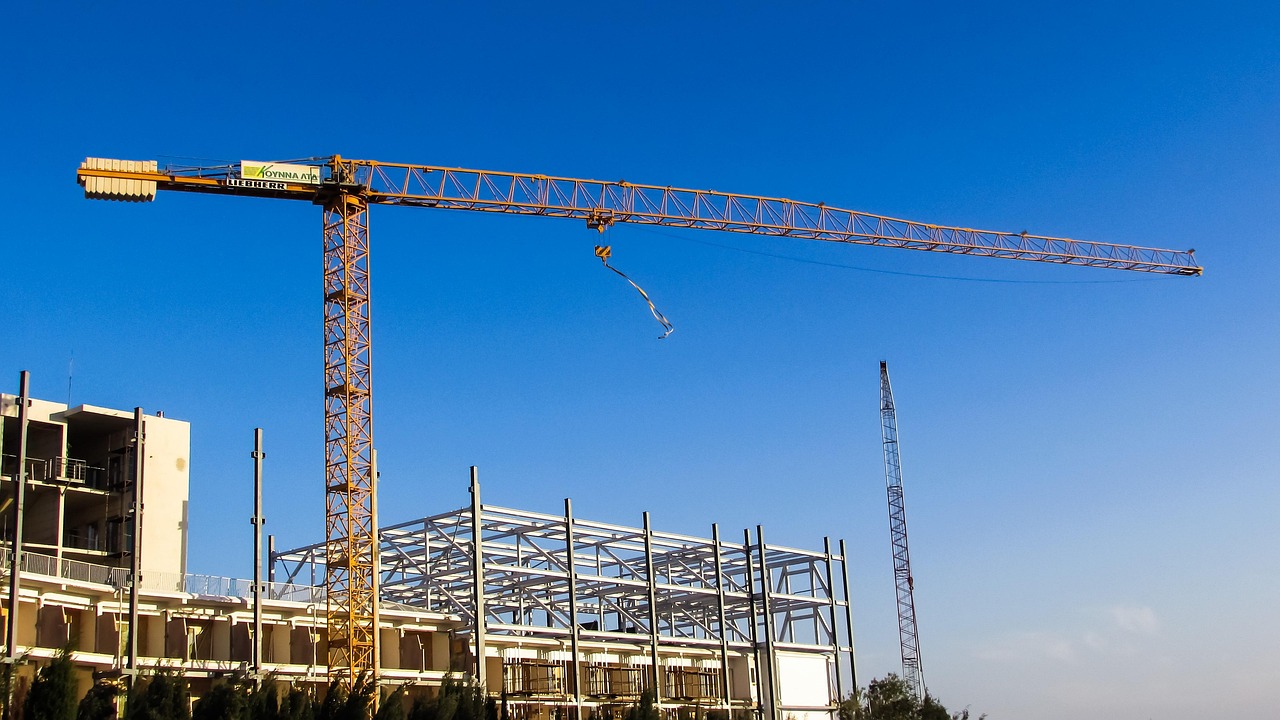
In everyday plant language, lifting equipment refers to machines and accessories used to raise, lower, suspend, position, or move a load. This can include overhead bridge cranes, gantry cranes, jib cranes, monorails, electric or manual hoists, winches, lift tables, forklifts, below-the-hook lifting devices, spreader beams, clamps, magnets, hooks, shackles, and slings.
A lifting system is rarely a single component. A safe lift may depend on the crane structure, hoist, trolley, runway, controls, rigging hardware, sling configuration, attachment point, floor condition, trained personnel, and lift plan working together. A weak link in any of these areas can reduce the practical safety margin of the entire operation.
For production facilities, lifting equipment is usually chosen to solve one of three problems: moving loads that people cannot handle manually, improving repeatability in a workflow, or positioning components accurately during assembly, repair, packaging, or loading. The best option is the one that fits the operation without creating avoidable risk or bottlenecks.
Main types of lifting equipment and where they fit
Many lifting devices overlap in capacity range, but they are not interchangeable. The table below compares typical industrial uses and selection limits.
| Equipment type | Common use | Key selection points | Common limitation |
|---|---|---|---|
| Overhead bridge crane | Repeated lifting across a bay or production line | Span, runway design, duty class, hook coverage, controls | Requires building or freestanding support structure |
| Gantry crane | Flexible lifting in maintenance, loading, or temporary work zones | Rated capacity, wheel type, floor condition, mobility, height | Travel path and floor quality can restrict safe use |
| Jib crane | Local workstation lifting beside a machine, bench, or dock | Arm length, rotation, mounting foundation, hoist type | Limited coverage area compared with bridge cranes |
| Monorail system | Linear movement along a defined process route | Track layout, curves, switches, trolley compatibility | Less flexible if the production layout changes |
| Electric chain or wire rope hoist | Vertical lifting with powered control | Capacity, lift speed, duty cycle, headroom, power supply | Needs compatible support and proper rigging below the hook |
| Manual hoist or lever hoist | Maintenance, positioning, and lower-frequency lifts | Pull effort, lift height, mounting point, operator access | Slow for high-volume production |
| Lift table | Height adjustment, ergonomic loading, pallet or fixture positioning | Platform size, stroke, load distribution, guarding | Usually not intended for suspended-load travel |
| Slings and rigging hardware | Connecting the load to the lifting device | Working load limit, angle, hitch type, material, inspection | Capacity changes with configuration and condition |
This comparison shows why capacity is only the first filter. A facility may need a high-capacity overhead crane for bay-wide handling, a jib crane for machine loading, and dedicated slings or lifting beams for loads that cannot be safely choked or basketed with general-purpose rigging.
Start with the load, not the crane
The first engineering question is simple: what exactly is being lifted? The answer should include more than maximum weight. Load dimensions, center of gravity, lifting points, surface finish, fragility, temperature, sharp edges, and the need for rotation or precise placement all affect equipment choice.
A compact steel block and a long welded frame may have the same weight but require very different rigging. The compact block may be lifted with a short sling assembly if approved lifting points are available. The frame may need a spreader beam to control sling angles and reduce compression or bending forces. A load with an offset center of gravity may tilt unexpectedly if the hook is not placed above the true balance point.
OSHA materials-handling rules in the United States emphasize rated capacities and safe sling use. ASME B30 standards provide widely used consensus guidance for cranes, hoists, slings, hooks, and related lifting devices. Together, these references support a practical rule: do not select lifting equipment from weight alone when geometry, attachment method, and operating conditions can change the actual load path.
Check working load limit and configuration
Rigging capacity depends on how the sling or device is used. Vertical, basket, and choker hitches can have different rated capacities, and sling angle can significantly increase the tension in each leg. A sling tag or manufacturer chart is useful only when the operator applies it to the actual configuration. Missing or illegible identification is a warning sign, not just a paperwork issue.
Account for dynamic effects
Lifting systems are designed for controlled movement. Shock loading, side loading, sudden starts, snagged loads, and dragging can create forces higher than the static weight. In production environments, the risk increases when operators are under time pressure or when equipment is used for pulling, aligning, or freeing stuck parts instead of vertical lifting.
Match equipment to workflow and facility constraints
After the load is understood, map the workflow. Where does the load start, where does it go, how often is it moved, who operates the equipment, and what other activity is nearby? A lifting device that works during a demonstration may still fail in daily operation if it blocks aisles, conflicts with forklifts, or slows a takt-time-driven assembly cell.
Key facility constraints include clear height, hook height, building column spacing, runway support, floor slab condition, door openings, nearby utilities, hazardous atmospheres, washdown areas, outdoor exposure, and temperature. In some plants, headroom is a tighter limit than crane capacity. Low-headroom hoists, double-girder bridge cranes, or custom below-the-hook devices may be considered when vertical clearance is limited.
Duty cycle is equally important. A hoist used for a few maintenance lifts per month has different requirements from a hoist cycling throughout a production shift. Frequent starts, long lifts, high ambient temperatures, or continuous use can affect motor heating, brake wear, rope or chain life, and maintenance intervals. Manufacturers often provide duty classifications or application guidance, and those details should be reviewed before purchase.
Standards and compliance questions to verify
Regulatory requirements vary by country, industry, and application, so the following points should be treated as a verification framework rather than legal advice. In the United States, OSHA has specific rules for overhead and gantry cranes, slings, construction rigging equipment, cranes, derricks, and material handling. OSHA requirements include visible rated-load markings for overhead and gantry cranes and inspection classifications such as frequent and periodic inspections.
For slings and rigging, OSHA rules address rated capacity, identification, condition, and inspection. In construction, rigging equipment for material handling is required to be inspected before use on each shift and as necessary during use. In general industry, OSHA sling rules define rated capacity and address markings and safe use requirements for different sling types.
ASME B30 is another important reference family for lifting equipment. It is not a single universal checklist; it is a group of standards covering different equipment categories, including overhead and gantry cranes, monorails and underhung cranes, slings, hooks, hoists, below-the-hook lifting devices, and rigging hardware. A facility should identify which volume applies to the equipment type and which edition is referenced by the authority, customer specification, insurer, or internal safety program. See also: automation systems.
Outside the United States, similar principles appear in other regulatory systems. For example, the UK Health and Safety Executive explains that lifting operations under LOLER must be properly planned, appropriately supervised, and carried out safely. Wording and inspection intervals may differ by jurisdiction, but the operational idea is consistent: planning, competence, equipment condition, and control of foreseeable risks matter as much as the machine itself.
Inspection and maintenance should be designed into the purchase
Inspection is often treated as an afterthought, but it should influence equipment selection from the beginning. If critical components are difficult to access, replacement parts are hard to source, or operators cannot easily see tags and wear points, the equipment is more likely to be neglected in real use.
A practical inspection program separates routine pre-use checks from more detailed periodic examinations. Operators may look for obvious defects such as damaged hooks, missing safety latches where required, cracked welds, deformed shackles, broken wires, chain stretch, damaged webbing, unusual noise, brake problems, pendant damage, warning light failures, and unreadable capacity markings. A competent person or qualified service provider may perform deeper inspections based on equipment type, service severity, manufacturer instructions, and applicable standards.
Maintenance planning should also include lubrication, brake adjustment, wire rope or load chain inspection, limit device checks, control testing, structural fastener review, runway alignment, wheel wear, electrical enclosures, battery or power supply condition, and documentation. For critical production equipment, the strongest maintenance plan is not simply annual service. It is a risk-based schedule that reflects actual use, environment, and the consequences of failure.
A practical selection checklist
Before buying or specifying lifting equipment, use a structured checklist. The purpose is not to replace engineering review, but to prevent common omissions during early planning.
- Define the load: maximum and typical weight, dimensions, center of gravity, approved lifting points, surface condition, temperature, and fragility.
- Define the movement: lift height, horizontal travel, rotation, placement accuracy, speed, frequency, and whether people or equipment may be nearby.
- Confirm rated capacity: include the load, below-the-hook device, rigging gear, and any special fixture weight.
- Review the support structure: building steel, runway, foundation, floor slab, anchorage, or portable frame capacity must match the intended lift.
- Check headroom and hook coverage: confirm that the hook can reach the pickup and set-down points without unsafe workarounds.
- Consider the environment: dust, moisture, chemicals, heat, cold, outdoor weather, explosive atmospheres, and washdown requirements may change equipment specifications.
- Match duty cycle: choose hoists, brakes, motors, wheels, and controls suitable for the actual number of lifts and operating hours.
- Plan controls and visibility: decide whether pendant, radio, cab, or automated control is appropriate, and keep the operator’s line of sight in mind.
- Verify standards: identify the OSHA, ASME, local, customer, or insurer requirements that apply to the equipment and operation.
- Design the inspection process: make tags, records, wear parts, lubrication points, and service access practical for the maintenance team.
If several options remain after this checklist, compare them by total operating value rather than purchase price alone. A slightly more expensive crane or hoist may be justified if it reduces handling time, lowers ergonomic strain, improves placement accuracy, simplifies inspection, or avoids repeated layout changes.
Common mistakes to avoid
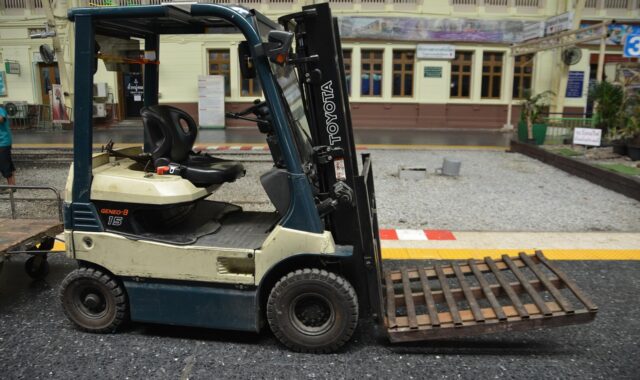
The most common mistake is choosing equipment based only on the heaviest expected load. Other frequent errors include ignoring rigging weight, assuming all lifting points are rated, using forklifts for suspended loads without proper attachments and procedures, allowing side pulls with hoists, failing to account for sling angles, and buying equipment before confirming that the building or floor can support it.
Another mistake is treating standards as a final-step paperwork exercise. Requirements for markings, inspections, qualified personnel, and safe operating practices affect equipment design and daily use. If those requirements are discovered after installation, the facility may face rework, downtime, retraining, or restrictions on how the equipment can be used.
Finally, avoid one-size-fits-all rigging kits for recurring production lifts. Standard slings and shackles are useful, but repeated lifts often benefit from engineered below-the-hook devices, dedicated lifting beams, custom fixtures, or purpose-built carts. These solutions can improve repeatability and reduce improvisation, provided they are designed, rated, marked, and inspected correctly.
Frequently asked questions
What is the difference between lifting equipment and rigging equipment?
Lifting equipment usually refers to the machine or device that raises and moves the load, such as a crane, hoist, gantry, lift table, or forklift attachment. Rigging equipment refers to the components that connect the load to the lifting device, such as slings, hooks, shackles, eyebolts, clamps, and spreader beams. In practice, they must be selected together.
How much capacity margin should lifting equipment have?
The rated capacity must never be exceeded, but the required margin is not a universal percentage. It depends on the load, duty cycle, environment, dynamic effects, applicable standards, manufacturer instructions, and engineering design. A qualified engineer, competent person, or equipment supplier should review lifts that approach capacity, involve unusual geometry, or create higher risk.
Can one crane handle all production lifting needs?
Sometimes, but not always. A bridge crane may cover a bay, while workstation jibs, monorails, lift tables, or dedicated fixtures may be better for local repetitive tasks. Combining equipment types can reduce travel time and prevent a high-value crane from becoming a bottleneck for small routine lifts.
How often should lifting equipment be inspected?
Inspection frequency depends on equipment type, jurisdiction, manufacturer instructions, service severity, and operating environment. Many programs combine pre-use or frequent visual checks with more detailed periodic inspections. High-cycle, corrosive, outdoor, hot, or critical-service applications usually need closer attention than occasional light-duty use.
What should be documented before a non-routine lift?
A non-routine lift should document the load weight, center of gravity, lifting points, equipment capacity, rigging configuration, sling angles, travel path, exclusion zone, personnel responsibilities, communication method, environmental limits, and contingency plan. The more unusual or consequential the lift, the more detailed the plan should be.