How to choose cleaning equipment for industrial production facilities
Cleaning equipment for an industrial production facility should be selected for the work it has to perform, not simply by machine size, pressure rating or purchase price. The task may involve removing dust, oil, chips, residues, biofilm, process soils or chemical spills while protecting surfaces, limiting production disruption and controlling worker exposure. A sound selection process compares the source of contamination, cleaning frequency, floor and equipment materials, operator skill level, ventilation, wastewater handling and maintenance capacity. In most facilities, the right answer is a combination of sweepers, scrubbers, industrial vacuums, parts washing systems and targeted high-pressure or specialty cleaning tools rather than one universal machine.
This guide is written for production managers, maintenance teams and equipment buyers evaluating cleaning systems as part of broader production equipment planning.
What industrial cleaning equipment needs to solve
Industrial cleaning differs from ordinary janitorial cleaning because the soils are linked to the production process. A warehouse aisle may need routine dust and tire-mark removal, while a machining area may require control of coolant, metal fines and oil. A food or pharmaceutical area may need validated sanitation procedures. A welding, woodworking or powder-processing area may need dust collection and housekeeping practices designed around fire and explosion risk.
Before comparing models, define the cleaning problem in operational terms. What is being removed? Where does it accumulate? How quickly does it return? What happens if it is not removed? The answer may be quality-related, such as avoiding contamination of finished goods; safety-related, such as preventing slips or hazardous dust buildup; or reliability-related, such as keeping residue out of bearings, sensors, guides and electrical cabinets.
It is also important to separate cleaning, sanitizing and disinfecting. Cleaning removes soil and makes later steps more effective. Sanitizing and disinfecting use chemical or thermal controls for microorganisms and are governed by product labels, facility procedures and sector-specific rules. General public health guidance from the CDC emphasizes safe storage, ventilation, PPE and avoiding chemical mixing, while manufacturing sites may have additional requirements depending on the process and product.
Main types of cleaning equipment used around production lines
Most plants use several categories of cleaning equipment. The right combination depends on soil load, surface area, hazard classification and tolerance for downtime.
| Equipment type | Common use | Selection factors | Key limitation |
|---|---|---|---|
| Industrial vacuums and dust collection tools | Dry dust, chips, powders and debris near machines, mezzanines and packaging areas | Filter efficiency, collection capacity, static control, hose reach and suitability for the dust hazard | Not every vacuum is suitable for combustible, conductive or hazardous dust |
| Walk-behind or ride-on sweepers | Large floor areas with dust, sand, shavings or loose debris | Aisle width, turning radius, brush type, hopper capacity and visibility | May not remove bonded films, oil or sticky residues |
| Automatic floor scrubbers | Routine floor washing in warehouses, assembly areas and clean traffic routes | Pad pressure, recovery performance, water use, battery runtime and operator ergonomics | Requires a floor surface and drainage plan that suit wet cleaning |
| Pressure washers and washdown systems | Equipment frames, outdoor machinery, containers and heavy soils | Pressure, flow rate, nozzle choice, temperature, splash control and wastewater capture | Can force water into bearings, controls or porous materials if misused |
| Parts washers and degreasing systems | Removing oil, grease, coolant and metal fines from components | Solvent or aqueous process, temperature, agitation, filtration, drying and part geometry | Chemical selection and waste handling can dominate total risk and cost |
| Specialty systems such as ultrasonic, steam or dry ice cleaning | Precision parts, molds, tooling, electrical-safe applications or reduced-residue cleaning | Surface compatibility, residue tolerance, ventilation and vendor process validation | May require tighter process control and trained operators |
The equipment list should be mapped to plant zones rather than purchased in isolation. An automatic scrubber may keep traffic lanes clean, but it will not replace point-source collection at a sanding station or a parts washer at a maintenance bench.
Match the equipment to soil, surface and process risk
The first technical filter is the soil. Dry particulate soils generally require capture and filtration, not just movement from one place to another. Oily soils need cleaning chemistry, mechanical action and recovery that do not spread a slick film across the floor. Sticky residues may need dwell time and controlled dilution. Fine powders may require equipment that prevents re-entrainment into the air.
The second filter is the surface. Polished concrete, epoxy coatings, stainless steel, painted machinery, aluminum, rubber seals and electrical enclosures respond differently to water, pressure, solvents, alkalinity, heat and abrasion. A pressure washer that works well on a steel frame may be the wrong choice near sensors or control cabinets. A brush that cleans textured flooring may damage a soft coating. A solvent that removes grease quickly may be incompatible with plastics, gaskets or environmental goals.
The third filter is process risk. In areas where combustible dust may be present, housekeeping is a safety control, not a cosmetic activity. OSHA identifies combustible dust hazards across several standards, and NFPA guidance is commonly used by facilities and authorities to evaluate housekeeping, dust collection and equipment suitability. The purchasing implication is straightforward: do not assume a general-purpose shop vacuum, broom or compressed air blow-off is acceptable in every production area. A documented dust hazard assessment should guide equipment choice.
Safety and compliance checks before purchase
Safety should be written into the buying specification, not added after delivery. OSHA guidance for workers using cleaning chemicals emphasizes hazard communication, training, Safety Data Sheets, correct dilution, PPE, safe storage and spill procedures. The same logic applies to machines: operators need to understand the hazards created by the equipment, the chemicals used with it and the waste stream it produces.
Useful pre-purchase questions include:
- Does the cleaning method introduce slip, splash, aerosol, noise, heat, pressure injection or electrical hazards?
- What PPE is required by the chemical label, Safety Data Sheet and task assessment?
- Does the process require ventilation, local exhaust or a respiratory protection program?
- Will the machine collect wastewater, slurry, metal fines, oil or chemical residue, and where will that waste go?
- Can operators dilute chemicals accurately, preferably through a controlled dispensing system?
- Are filters, brushes, batteries, squeegees, hoses and seals easy to inspect and replace?
- Is lockout, cleaning access or guarding needed when equipment is used around production machinery?
NIOSH describes the hierarchy of controls as a preferred order for managing workplace exposures, with elimination and substitution above engineering controls, administrative controls and PPE. Applied to cleaning equipment, this means a facility should first ask whether the soil can be reduced at the source, whether a less hazardous cleaner can be used, whether enclosure or capture is possible, and only then rely on PPE as the main defense.
Automation and connected features need a ready workflow
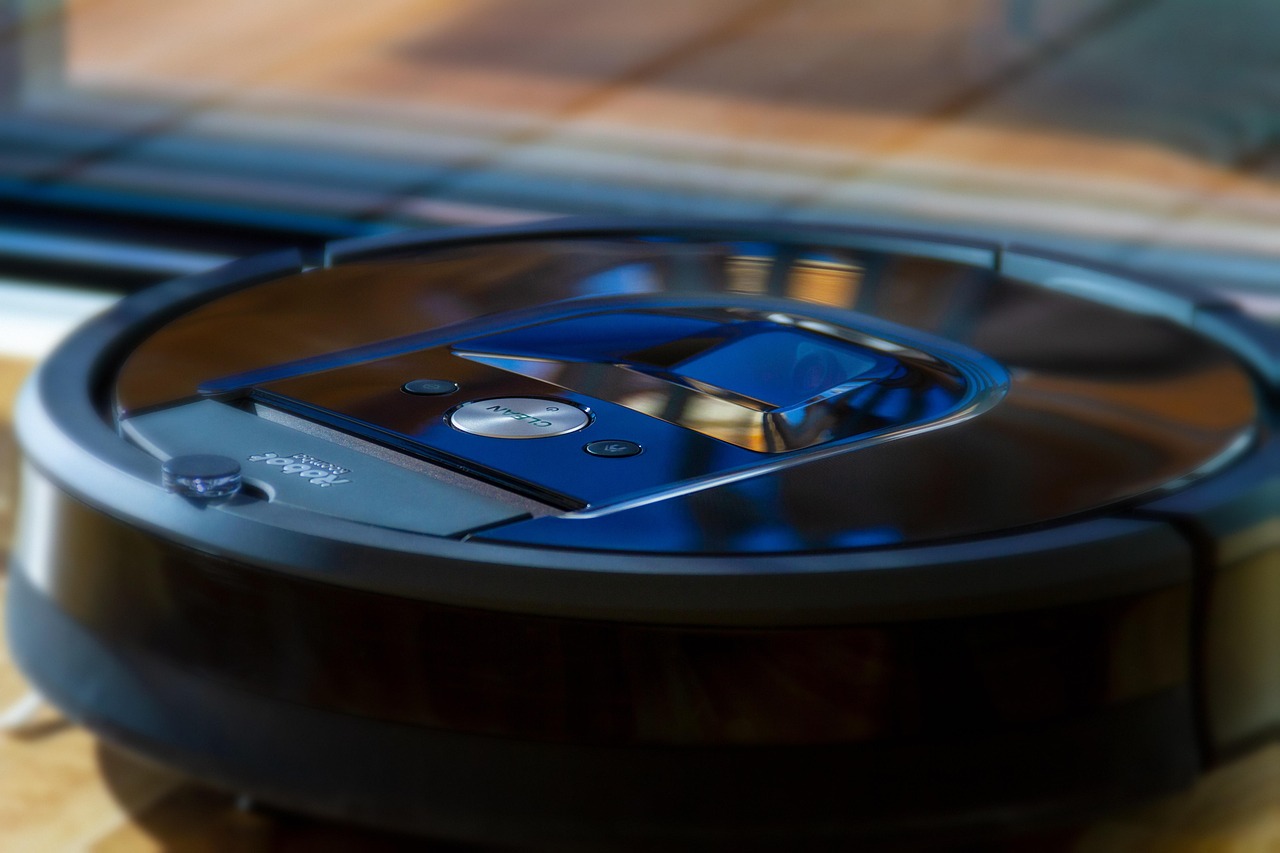
Autonomous scrubbers, sensor-assisted routing, connected batteries and usage dashboards are becoming more visible in facility cleaning. ISSA commentary in 2025 described smart cleaning equipment, autonomous scrubbers and cloud-connected sensors as part of the wider shift in professional cleaning. These tools can support consistency and labor planning, especially in large, repeatable floor areas.
Automation, however, is not the same as unattended cleaning. A robotic scrubber still needs mapped routes, obstacle control, water filling, solution management, recovery tank emptying, pad changes, inspection and exception handling. If aisles are frequently blocked, floors are uneven, pallets move unpredictably or spills require judgment, an autonomous unit may need more supervision than expected. See also: automation systems.
For production facilities, the strongest use case is usually a repeatable, low-variation route: long warehouse aisles, distribution areas, finished goods zones or wide corridors between production blocks. The weaker use case is a congested process area with hoses, temporary tooling, forklift crossings, drains, slopes and irregular contamination. Buyers should request a site demonstration using the real floor, real obstacles and normal shift conditions before assuming productivity gains.
Sustainability and total cost of ownership
The lowest purchase price rarely equals the lowest operating cost. Cleaning equipment consumes labor, water, energy, chemicals, pads, brushes, filters, batteries and maintenance time. It can also create wastewater, used solvent, sludge or contaminated filters. A total cost view should include consumables, downtime, training, waste disposal and expected equipment life.
Chemistry is a major part of sustainability. The EPA Safer Choice program evaluates cleaning product ingredients for human health and environmental characteristics, and Green Seal GS-37 covers industrial and institutional cleaning products such as general-purpose, restroom, glass and carpet cleaners used in offices, institutions, warehouses and industrial facilities. These programs do not replace a site-specific hazard review, but they give buyers a more structured way to compare cleaning chemicals than relying on vague green claims.
For parts cleaning and degreasing, the EPA describes cleaning solvents as being used to remove oil, grease, solder flux and other contaminants in applications such as vapor degreasing, cold batch cleaning and automated cleaning equipment. In many facilities, aqueous or semi-aqueous systems, closed-loop filtration and better soil prevention can reduce solvent use, but the choice depends on part material, cleanliness specification, drying requirements and downstream quality checks.
| Cost category | What to evaluate |
|---|---|
| Labor | Cleaning speed, setup time, training time and supervision needs |
| Consumables | Chemicals, pads, brushes, filters, bags, batteries and hoses |
| Utilities | Water, electricity, compressed air and heating requirements |
| Waste | Recovery water, sludge, solvent, oily residue and contaminated filters |
| Reliability | Parts availability, service intervals, downtime and operator damage risk |
A practical selection workflow for facility teams
A structured workflow reduces the risk of buying a machine that looks capable on paper but does not fit the plant.
- Map cleaning zones. Separate floors, production equipment, parts cleaning, dust collection, washdown areas and sensitive spaces.
- List soils and hazards. Identify oil, dust, chips, powders, residues, biological soils, chemical spills and combustible or toxic materials.
- Define cleanliness requirements. Clarify whether the goal is appearance, slip control, contamination prevention, sanitation, precision cleaning or regulatory compliance.
- Check surfaces and utilities. Review coatings, drains, power supply, water access, ventilation, compressed air and storage space.
- Screen safety requirements. Use Safety Data Sheets, PPE assessments, hazard communication obligations and dust hazard evaluations where relevant.
- Compare life-cycle cost. Include consumables, waste, maintenance, batteries, operator time and expected service support.
- Run a site trial. Test the shortlisted machine in the actual work area, on the actual soil, during normal production conditions.
The final specification should describe the task, not just the machine. Instead of asking for a high-pressure washer, specify the soil, surface, allowable moisture, wastewater handling, required cleaning time, operator limits and materials compatibility. This makes vendor proposals easier to compare and helps avoid underpowered, overpowered or unsafe solutions.
Frequently asked questions
What cleaning equipment is most important for a production facility?
Most facilities should start with equipment that controls the highest-risk or highest-frequency soil. That may be an industrial vacuum for dust, a scrubber for traffic lanes, a parts washer for maintenance or a washdown system for heavy residues. The most important machine is the one that reduces safety, quality or downtime risk most effectively.
Are autonomous scrubbers suitable for factories?
They can be suitable in wide, repeatable, well-managed areas such as warehouses and finished goods zones. They are less suitable where layouts change constantly, aisles are blocked, floors are uneven or contamination requires operator judgment. A site trial is essential.
Should a facility choose solvent or aqueous parts cleaning?
The answer depends on soil type, material compatibility, drying needs, cleanliness standard, worker exposure and waste handling. Aqueous systems can reduce some solvent-related concerns, but they still require process control, filtration, corrosion management and wastewater planning.
How often should industrial cleaning equipment be maintained?
Maintenance frequency should follow the manufacturer’s instructions and the severity of use. In heavy production environments, daily checks of hoses, filters, brushes, squeegees, tanks, batteries and visible damage are often more useful than waiting for a scheduled service interval.
What is the biggest mistake when buying cleaning equipment?
The biggest mistake is buying by headline specification alone. Pressure, tank size or automation features mean little unless the equipment matches the soil, surface, safety controls, operator workflow and waste-handling reality of the plant.