Johns Automation Systems and how buyers should evaluate automation partners

What the public information says about Johns Automation Systems
Johns Automation Systems is best viewed as a branded automation and electrical trading or integration presence associated with Johns Electric and Process & Machines Automation Systems, often referred to as PMAS. Public company pages describe a Jaipur, Rajasthan base, automation and electrical engineering work, and capabilities around PLCs, drives, SCADA, switchboards, industrial networks, IoT and commissioning. For industrial buyers, the key issue is not only the name on a supplier listing. The practical task is to verify scope, engineering responsibility, documentation, safety, cybersecurity and lifecycle support before choosing any automation partner. This article places Johns Automation Systems in that wider decision framework for readers following the automation systems sector.
Self-published pages for Johns Automation Systems state that Johns Electric Co Pvt Ltd was established in 1978 by Er. Shashi Bhargava and describe it as a control switchboard manufacturing company. The same public pages describe Process & Machines Automation Systems as an arm connected with electrical, automation and IoT solutions, including design, supply, manufacture and commissioning. The official contact page lists an address at G-695 RIICO Industrial Area, Sitapura, Jaipur, Rajasthan, India.
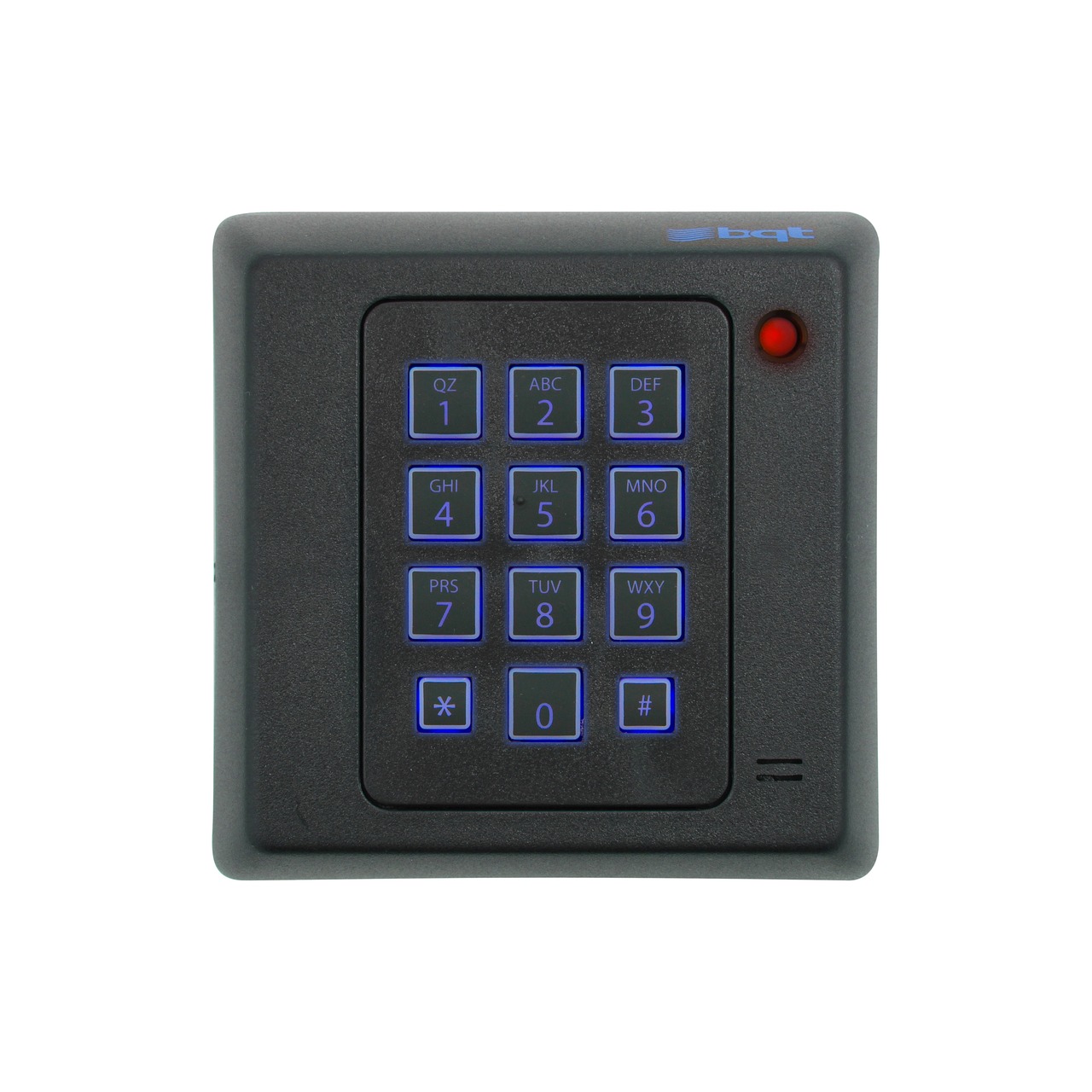
Separate public professional listings describe PMAS as an automation machinery manufacturing company in Jaipur, with work involving PLCs, drives, SCADA, DG synchronizing, wireless communications and industrial automation. Those listings should be treated as profile information, not independently audited performance data. For procurement, profile claims are a starting point. They do not replace technical review, references, drawings, acceptance tests and commercial due diligence.
Why a branded automation search needs more than a company profile
Searches for Johns Automation Systems may have several intentions. Some readers may want to identify the company, verify a location or check whether it supplies automation components. Others may be comparing automation system integrators for a project involving control panels, PLC migration, drive panels, SCADA screens, telemetry, machine automation or plant utilities. The second group needs a much deeper checklist.
Automation projects are rarely simple component purchases. A PLC panel can affect motor control, instrumentation, network segmentation, HMI graphics, alarm philosophy, safety interlocks, operator training, spare parts and remote support. A low component price can become costly if the program is poorly documented, the electrical drawings are incomplete, the enclosure is not suitable for the site environment, or the plant team cannot maintain the system after handover.
A practical supplier review separates three layers. The first is supplier identity: address, legal entity, business history, brand relationships and support contacts. The second is capability: which PLC platforms, drives, HMIs, SCADA packages, industrial protocols, panel standards and commissioning methods the team can actually deliver. The third is project governance: responsibility matrix, documentation, change control, testing, cybersecurity, safety validation and post-commissioning support.
Typical scope areas to confirm before procurement
Public information connected with Johns Automation Systems and PMAS mentions several common industrial automation scope areas. Before issuing a purchase order, buyers should turn those broad terms into measurable deliverables.
PLC, HMI and SCADA engineering
PLC and SCADA work should not be reduced to “programming.” A complete scope should define the PLC make and model, I/O count, spare capacity, network architecture, HMI or SCADA package, tag naming rules, alarm classes, historian requirements and backup procedure. The International Electrotechnical Commission’s IEC 61131-3 standard is widely referenced for programmable controller languages, and it explains why many industrial discussions focus on ladder logic, function block diagrams, structured text and related programming methods. In practice, vendor-specific implementation still matters, so buyers should ask for platform experience rather than accept generic software claims.
Control panels and switchboards
Because Johns-related public pages emphasize switchboard and electrical engineering roots, control panel review is especially relevant. Drawings should include general arrangement, power wiring, control wiring, terminal plans, bill of materials, heat dissipation assumptions, short-circuit rating considerations, earthing details and cable entry plans. Panel fabrication quality is visible not only in the enclosure but also in ferruling, wire routing, segregation between power and control circuits, labeling and service access.
Drives, servo systems and motion control
Variable speed drives, servo drives and soft starters require attention to load profiles, braking needs, harmonic impact, environmental conditions and protection coordination. A supplier should be able to explain why the selected drive size, braking resistor, line reactor, filter or enclosure rating is suitable for the application. If the project includes motion control, the scope should specify axis count, positioning accuracy, communication bus, homing logic, fault recovery and operator reset procedures.
Industrial networks and telemetry
Industrial networks are often where small design decisions create long-term maintenance problems. Buyers should request network diagrams showing PLCs, HMIs, drives, remote I/O, gateways, radios, switches, firewalls and engineering workstations. Where wireless communications or telemetry are proposed, the design should address signal reliability, redundancy, diagnostics and fallback operation if communication is lost.
Standards and guidance that should shape the conversation
No single standard proves that an automation project will succeed, but recognized standards give buyers and integrators a shared language. The most useful discussion is practical: which parts apply, which do not apply, and what evidence will be delivered at handover.
| Topic | Useful reference point | What buyers should ask for |
|---|---|---|
| PLC programming | IEC 61131-3, which specifies a suite of programming languages for programmable controllers | Programming standard, tag convention, comments, backup files and version history |
| OT cybersecurity | ISA/IEC 62443, described by ISA as a series for secure industrial automation and control systems | Network zones, user access levels, remote access method, backup and patch approach |
| OT security management | NIST SP 800-82 Rev. 3, a guide to operational technology security published in 2023 | Asset inventory, risk assessment, segmentation and incident response responsibilities |
| Machine safety | ISO 13849-1:2023 for safety-related parts of control systems | Safety function list, risk assessment, performance level assumptions and validation records |
These references do not need to turn every project into a paperwork exercise. A small pump control panel and a multi-line SCADA migration carry different risk levels. Even so, modest projects benefit when the supplier can state which standards informed the design and where responsibility transfers from the integrator to the owner.
A practical due diligence checklist for automation buyers
For any buyer evaluating Johns Automation Systems or another automation partner, the following checklist is more useful than a general brochure.
- Confirm the operating entity. Identify the legal name, billing entity, GST or tax registration where applicable, address, support contacts and warranty process.
- Request platform-specific references. Ask for examples on the same PLC, drive, HMI, SCADA or communication platform that your project will use.
- Define engineering deliverables. Drawings, PLC backups, HMI files, SCADA database exports, manuals, test sheets and network diagrams should be included in the contract.
- Separate supply from integration. Supplying a PLC or drive is different from designing, programming, commissioning and supporting a complete system.
- Review spare parts and obsolescence. If obsolete or surplus components are offered, confirm firmware, warranty status, compatibility and future replacement options.
- Specify acceptance testing. Factory acceptance tests and site acceptance tests should include I/O checks, interlocks, alarm tests, communication failure tests and operator scenarios.
- Clarify remote support. Remote access can reduce downtime, but it should use approved access methods, user permissions and auditability.
- Plan training and handover. Operators and maintenance staff should know how to recover from common faults without waiting for the original programmer.
Where Johns Automation Systems may fit in an industrial project
Based on public descriptions, Johns Automation Systems and related PMAS pages appear most relevant to projects that combine electrical panels with automation hardware and field commissioning. That may include PLC control panels, drive systems, DG synchronization, SCADA interfaces, telemetry, industrial software support and service work. The company’s own pages also mention support areas such as PLC and SCADA systems, safety systems, servo systems, communication networks, robotics, instrumentation, VSDs, HMIs and MES solutions. See also: production equipment.
For a plant owner, that range can be useful when a project needs one party to coordinate control hardware, panel assembly, programming and site support. The risk is that broad service lists can hide scope gaps. A supplier may be strong in Siemens PLC panels, for example, but less experienced in a specific SCADA package, safety controller, robot brand or regulated industry documentation requirement. Buyers should therefore ask for a scope-specific capability matrix rather than assume every listed service is equally mature.
Projects involving replacement of legacy systems need extra care. If a supplier offers obsolete stock, the buyer should distinguish between emergency replacement and long-term modernization. Obsolete modules may be valuable when a plant must restart quickly, but they should not become the default strategy for a system that requires another decade of support. A sound migration plan identifies critical spares, software backups, communication gateways, phased shutdown windows and a path toward supported hardware.
Key risks that should be addressed before commissioning
The highest-cost failures in automation projects often appear late: during commissioning, production ramp-up or maintenance handover. Many are preventable if they are addressed in the contract and test plan.
Incomplete documentation is the first risk. If electrical drawings, PLC comments and network diagrams are not updated after commissioning, the plant inherits a black box. The contract should require as-built documents, not only design-stage drawings.
Unclear safety responsibility is the second risk. A safety relay, emergency stop circuit or safety PLC program should be tied to a risk assessment and validation method. Buyers should avoid vague assurances and ask who signs off each safety function.
Weak OT cybersecurity is the third risk. Modern automation systems often connect engineering laptops, remote support tools, HMIs, historians and plant networks. NIST and ISA guidance both emphasize risk-based security thinking for operational technology. At minimum, buyers should require controlled user accounts, backup procedures, network separation and an agreed remote access process.
Commissioning without process ownership is another common problem. The integrator may understand the controls, while the plant team understands the process. Successful commissioning needs both. Test procedures should include normal operation, startup, shutdown, fault recovery, manual mode, maintenance bypasses and communication loss.
Frequently asked questions
Is Johns Automation Systems a manufacturer or an integrator?
Public pages describe a mix of activities connected with trading, electrical engineering, switchboard manufacturing, automation, IoT solutions and commissioning. For procurement purposes, buyers should ask the company to clarify whether a specific quotation is for component supply, panel manufacturing, software engineering, system integration, site commissioning or ongoing service.
What documents should buyers request from an automation supplier?
At minimum, request a bill of materials, electrical drawings, I/O list, network architecture, PLC and HMI backup files, alarm list, test sheets, user access plan, spare parts list and as-built documentation. For safety-related work, request a risk assessment and validation evidence.
Should obsolete automation parts be used?
Obsolete parts can be useful for urgent breakdown recovery or temporary continuity, especially when a legacy production line cannot be migrated immediately. They are less suitable as a long-term design choice unless the buyer has a clear lifecycle plan, tested spares and an approved migration roadmap.
How should buyers compare automation partners?
Compare them by project-specific evidence, not broad claims. Look for platform experience, documentation quality, panel build standards, commissioning method, cybersecurity approach, safety competence, training plan and response capability after handover.
Bottom line for industrial buyers
Johns Automation Systems appears in public information as a Jaipur-based automation and electrical engineering presence connected with Johns Electric and PMAS, with stated work across PLCs, drives, SCADA, switchboards, industrial networks and commissioning. That profile is relevant for buyers researching automation suppliers, but it should be treated as the beginning of due diligence. The best procurement outcome comes from converting broad capability statements into verified scope, clear deliverables, tested software, safe electrical design, documented handover and supportable lifecycle decisions.