Koi pond maintenance tips for clearer water and healthier fish
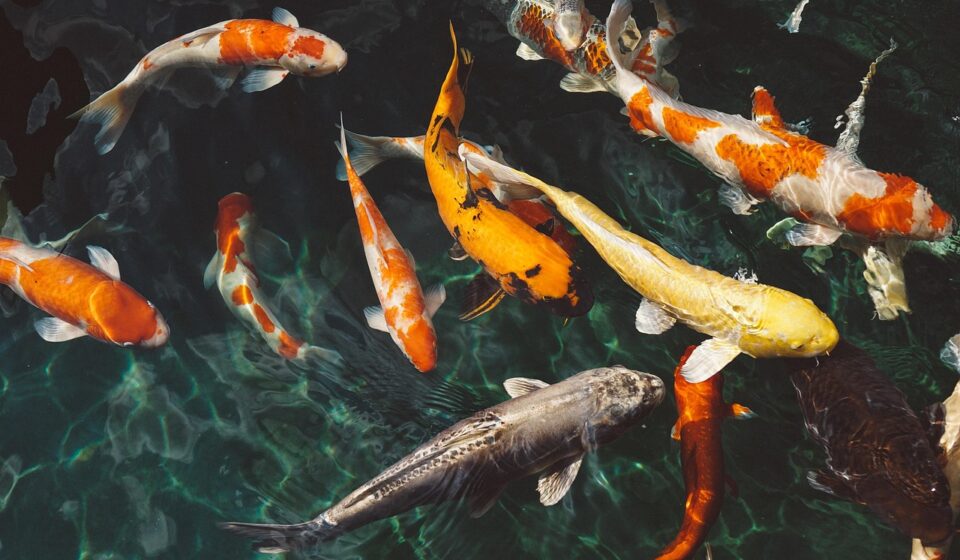
Start with the real goal of koi pond maintenance
Good koi pond maintenance is not just about making the water look clear for a day. The real aim is to keep oxygen, waste, temperature, debris, and nutrients in balance so koi can live with less stress. The most reliable koi pond maintenance tips are built around routine observation, weekly water checks, steady filtration, controlled feeding, and seasonal cleaning, not emergency chemical fixes. Public extension sources such as Oklahoma State University Extension and UF/IFAS Extension make the same practical point: fish ponds are living systems, and the pump, filter, plants, and keeper all affect water quality. (extension.okstate.edu)
For owners managing ponds as part of a garden, facility landscape, or equipment-heavy outdoor feature, the maintenance plan should treat the pond as a small recirculating system. Flow, solids removal, aeration, and scheduled inspection matter as much as appearance. More maintenance tips can help owners think about ponds as systems rather than isolated problems.
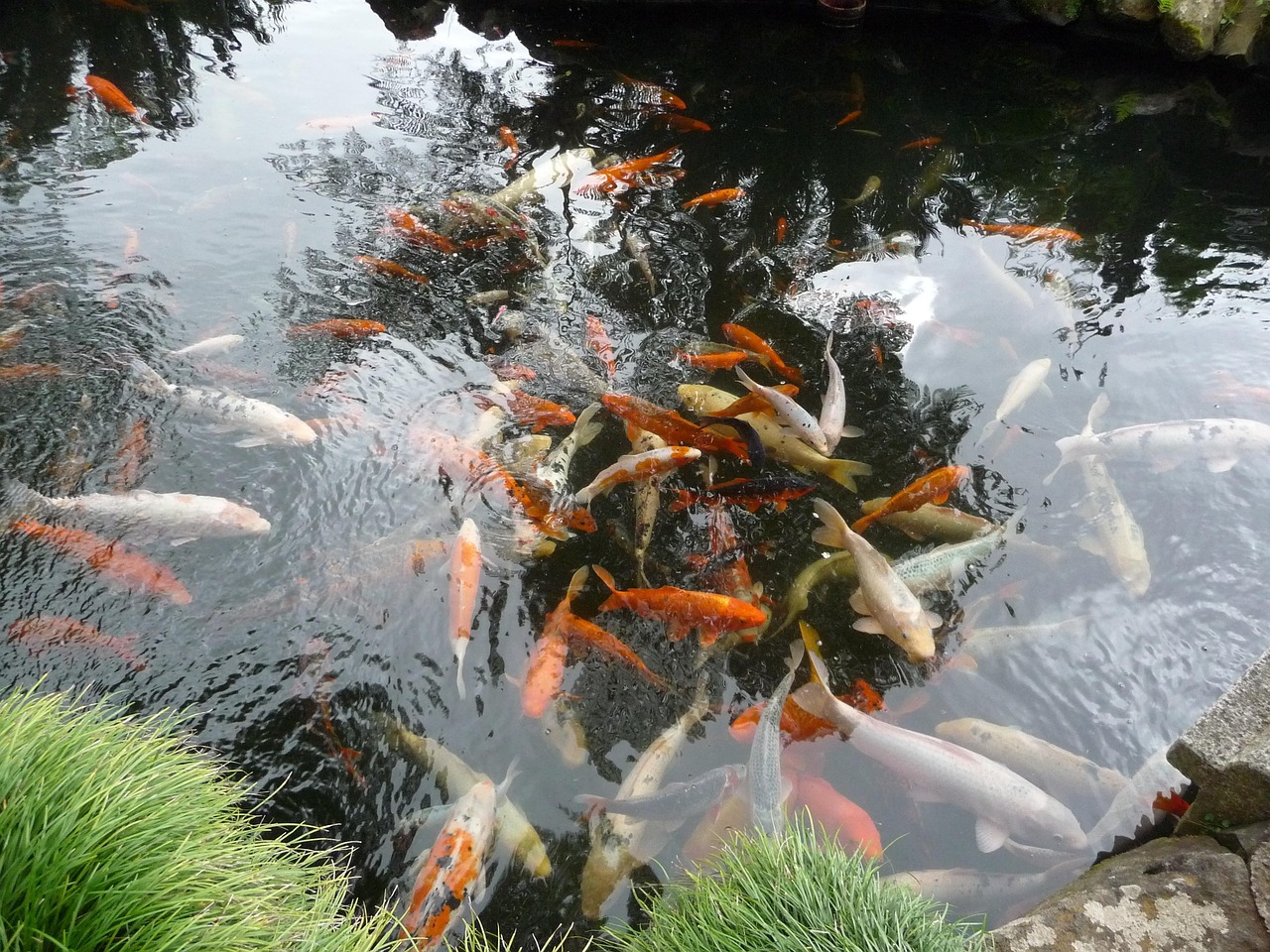
Build a weekly inspection routine
A koi pond can change quickly after heavy rain, high heat, overfeeding, equipment failure, or the introduction of new fish. A short weekly inspection helps prevent small changes from becoming emergencies.
- Watch fish behavior before feeding. Healthy koi usually move steadily, respond to food, and do not gasp at the surface.
- Check the pump and waterfall or return flow. Weak flow can indicate a clogged intake, blocked skimmer, failing impeller, or dirty filter.
- Look at the water level. A sudden drop may point to a leak, splash loss, clogged skimmer, or plumbing problem.
- Remove leaves, dead plant matter, and floating debris before they sink and decompose.
- Inspect fish for flashing, clamped fins, ulcers, frayed fins, or isolation from the group.
- Record water temperature, especially in spring, during summer heat, and through fall feeding transitions.
The value of this routine comes from consistency. A pond owner who knows the normal sound of the pump, the usual surface movement, and typical fish behavior will notice trouble sooner than someone who only checks the pond after the water turns green.
Test water before adding treatments
Clear water is not always safe water. A pond can look acceptable while ammonia, nitrite, pH, alkalinity, or dissolved oxygen move in the wrong direction. Oklahoma State University Extension lists dissolved oxygen, ammonia, nitrite, pH, alkalinity, hardness, carbon dioxide, and contaminants as water quality factors for water gardens. In a koi pond, ammonia and nitrite need close attention because they are directly tied to fish waste, uneaten feed, and biological filtration. (extension.okstate.edu)
| Parameter | Why it matters | Practical maintenance response |
|---|---|---|
| Ammonia | Comes from fish waste and decomposing organic matter. | Stop overfeeding, check biological filtration, improve aeration, and use partial water changes when needed. |
| Nitrite | Signals an incomplete nitrogen cycle or a stressed biofilter. | Reduce feeding, verify filter operation, and avoid adding more fish until readings are stable. |
| pH and alkalinity | Affect fish stress and biofilter stability. | Track trends rather than chasing a single number; avoid sudden corrections. |
| Dissolved oxygen | Supports fish and beneficial bacteria. | Keep aeration reliable, especially in warm weather or after algae die-off. |
| Temperature | Controls fish metabolism and feeding demand. | Adjust feeding and aeration as water warms or cools. |
Testing should be more frequent after adding fish, restarting a filter, doing a major cleanout, treating algae, or experiencing a power outage. Keep a simple log. Trends are more useful than isolated readings because they show whether the system is stabilizing or drifting toward a problem.
Keep filtration and circulation dependable
Koi produce more waste than a lightly stocked ornamental water garden, so filtration cannot be treated as an afterthought. Mechanical filtration captures solids such as leaves, fish waste, and suspended debris. Biological filtration supports bacteria that process dissolved waste. Oklahoma State University Extension distinguishes mechanical filters from biological filters and notes that pond volume should be known before selecting a pump, filter, or chemical treatment. (extension.okstate.edu)
A basic koi pond maintenance routine should include cleaning skimmer baskets, rinsing mechanical pads or screens as recommended by the equipment maker, checking pump intake protection, and confirming that return lines are not restricted. Biological media should be handled more carefully than mechanical pads because it supports useful microbial life. Avoid aggressively washing biological media with untreated chlorinated tap water unless the equipment manufacturer specifically directs otherwise.
Circulation should prevent dead zones where debris settles and oxygen drops. Waterfalls, returns, bottom drains, air stones, and surface skimmers all help when they are correctly placed and maintained. If one area of the pond collects sludge every week, the issue may not be cleaning effort alone. It may be poor hydraulic design, undersized circulation, or an obstructed return path.
Control debris and nutrients before algae takes over
Algae is not automatically a sign of failure. Penn State Extension describes algae as part of pond ecosystems, but also explains that nutrients, sunlight, and suitable growing conditions can make it a nuisance. Its guidance places nutrient reduction near the beginning of algae control, especially by reducing nutrient transport from surrounding land and runoff. Clemson Extension similarly notes that large mats of filamentous algae can interfere with oxygen exchange and photosynthesis when they cover wide areas. (extension.psu.edu)
For a koi pond, nutrient control starts with housekeeping. Remove decaying leaves, trim dead aquatic plant material, avoid lawn fertilizer runoff, and keep soil or mulch from washing into the pond. Do not let grass clippings, pet waste, or stormwater sediment enter the system. Any organic material that decomposes in the pond adds to the waste load the filter and bacteria must handle.
Shade can also help. UF/IFAS Extension notes that algae need sunlight and that water garden plants can shade the water. Oklahoma State University Extension gives a practical rule of thumb that floating or closely shading plants may cover 50 to 75 percent of the surface in water gardens, although koi may damage plants and may need plant protection. (gardeningsolutions.ifas.ufl.edu)
Use algaecides with caution. Killing a heavy bloom quickly can create a new oxygen problem as algae decomposes. When algae becomes severe, first check nutrient inputs, oxygen, circulation, filter capacity, plant balance, and fish load. A pond that repeatedly needs treatment is usually signaling an underlying maintenance or design issue.
Feed koi according to temperature and filter capacity
Feeding is one of the easiest maintenance tasks to get wrong. More food does not always mean healthier koi. Uneaten feed becomes organic waste, and extra waste increases the load on oxygen and filtration. UF/IFAS Extension explains that fish metabolism and activity fluctuate with water temperature and that fish generally slow feeding when water temperatures are at or below 60 degrees Fahrenheit. It also warns that uneaten food adds organic matter and can increase the chance of low oxygen and fish kills as conditions warm. (blogs.ifas.ufl.edu)
A practical rule is to feed only what koi consume quickly, then remove leftovers. In warm water, feeding demand may rise, but oxygen stress can also become more likely. In cool water, koi may still show interest but digest more slowly. Use a pond thermometer rather than air temperature because water changes more gradually than weather.
- Reduce or pause feeding when fish are inactive or water is cooling.
- Never use feeding to force growth in a pond with unstable ammonia or nitrite.
- Feed less after filter cleaning, power interruptions, or major water changes until tests confirm stability.
- Store food dry and fresh; old food can lose quality and foul water faster.
For heavily stocked koi ponds, feeding should be matched to the filtration system rather than to appetite alone. Koi may eat more than the pond can process safely.
Manage water changes and source water safely
Partial water changes can dilute dissolved waste and refresh minerals, but source water must be handled carefully. Many public water systems use chlorine or chloramine as disinfectants. CDC and EPA public information explains that drinking water utilities use disinfectants such as chlorine or chloramine to make tap water safe for people. Pennsylvania’s Department of Environmental Protection specifically notes that chloramine residuals need to be removed from water added to aquariums and fishponds. (cdc.gov) See also: production equipment.
That means pond water added from a municipal supply should be treated with a conditioner appropriate for the disinfectant used by the local water provider. Chloramine is more persistent than free chlorine, so simply letting water sit may not be enough. If the pond has an automatic top-off system, confirm that it does not introduce untreated disinfected water during a leak, stuck valve, or long fill cycle.
Small, regular water changes are usually less stressful than rare, drastic changes. Avoid large swings in temperature or pH. When in doubt, slow down, test both pond and source water, and correct the cause of poor water quality rather than replacing water repeatedly without a plan.
Adapt the checklist by season
Spring startup
Spring is a transition period. Filters may be biologically weak after cold weather while fish activity begins to increase. Clean debris, restart and inspect equipment, test ammonia and nitrite, and increase feeding gradually. Watch for disease signs because fish can be stressed after winter and water quality may fluctuate.
Summer heat
Warm water holds less dissolved oxygen than cold water, while koi metabolism, feeding, algae growth, and bacterial activity all increase. Keep aeration strong, clean mechanical filters before flow drops, provide shade where practical, and avoid overfeeding during heat waves. Inspect pumps more often because a summer pump failure can become urgent quickly.
Fall preparation
Remove falling leaves before they sink. Netting can reduce the debris load in tree-heavy sites. As water temperature drops, reduce feeding and switch routines according to the fish response and food label guidance. Clean equipment before winter rather than leaving sludge to decompose under cold conditions.
Winter care
Winter needs vary by climate and pond depth. In cold regions, koi need unfrozen water below the ice and gas exchange at the surface. Avoid smashing ice, which can shock fish. Maintain a safe opening with appropriate equipment when needed, and check that plumbing exposed to freezing weather is protected.
Know when maintenance is not enough
Some problems cannot be solved by routine cleaning. Repeated ammonia or nitrite spikes may mean the pond is overstocked, the filter is undersized, or the biological media is being disrupted. Chronic green water can point to excess sunlight, nutrients, or weak solids removal. Fish gasping at the surface may indicate oxygen stress and should be treated as urgent.
Health issues also need caution. UF/IFAS Extension fish health guidance emphasizes prevention, water quality, and professional support when disease problems do not resolve through management improvements. Its koi herpesvirus guidance also discusses quarantine and biosecurity when introducing or managing koi. For pond owners, the practical takeaway is simple: do not add new fish directly into the main pond, and do not medicate the whole pond without a clear diagnosis. (ask.ifas.ufl.edu)
If several fish show ulcers, severe flashing, rapid breathing, loss of balance, or sudden deaths, contact an aquatic veterinarian, fish health professional, experienced extension office, or qualified pond specialist. Before calling, gather useful information: pond volume, water temperature, recent test results, recent additions, treatments used, and photos of the pond and fish.
Frequently asked questions
How often should a koi pond be cleaned?
Light cleaning should happen weekly: remove debris, check skimmers, inspect pumps, and observe fish. Deeper cleaning depends on pond size, fish load, leaf input, and filtration. Avoid stripping the pond completely unless necessary because sudden full cleanouts can disrupt biological stability.
Why is my koi pond water clear but fish are still stressed?
Clear water can still contain unsafe ammonia, nitrite, low oxygen, or unstable pH. Test the water rather than relying on appearance. Also check temperature, recent feeding, pump flow, and whether any new fish were added.
Can plants replace a koi pond filter?
Plants help with shade, habitat, and nutrient uptake, but koi often need dedicated mechanical and biological filtration because they create substantial waste. A lightly stocked water garden may balance with plants, but a koi pond should be designed around fish load and circulation.
Should I change all the water if algae appears?
No. A full water change can stress koi and may not fix the cause. First reduce nutrients, remove excess debris, improve shade and filtration, and test water quality. Partial water changes may help, but they should be done with treated source water and stable temperature.
What is the most important koi pond maintenance habit?
The most important habit is regular observation backed by water testing. If you notice fish behavior, flow changes, debris buildup, and test trends early, most maintenance tasks stay small and predictable.