Electrical tools and equipment for safer production lines

What electrical tools and equipment mean in production environments
On a production line, electrical tools and equipment are not limited to drills, grinders, and test meters. The term also covers cord-connected tools, extension cords, power distribution gear, industrial control panels, machine electrical systems, sensors, drives, protective devices, and the personal protective equipment used when electrical hazards may be present. For production managers and maintenance teams, the main question is not only what to buy. It is how each item will be used, inspected, isolated, repaired, and documented across the life of the line.
A practical selection process should connect three priorities: task performance, electrical safety, and maintainability. A tool that works well on day one can become a liability if its cord is repeatedly damaged, its enclosure rating does not match the work area, its test category is wrong for the circuit, or spare parts are unavailable. That is why electrical procurement should be tied to maintenance planning, not handled only as a purchasing decision.
For related coverage of industrial systems and factory assets, see the production equipment section.
The main categories to manage
Production sites usually manage electrical tools and equipment in several overlapping groups. Separating them helps teams assign the right inspection, training, and maintenance rules instead of applying one generic checklist to everything.
| Category | Typical examples | Key management question |
|---|---|---|
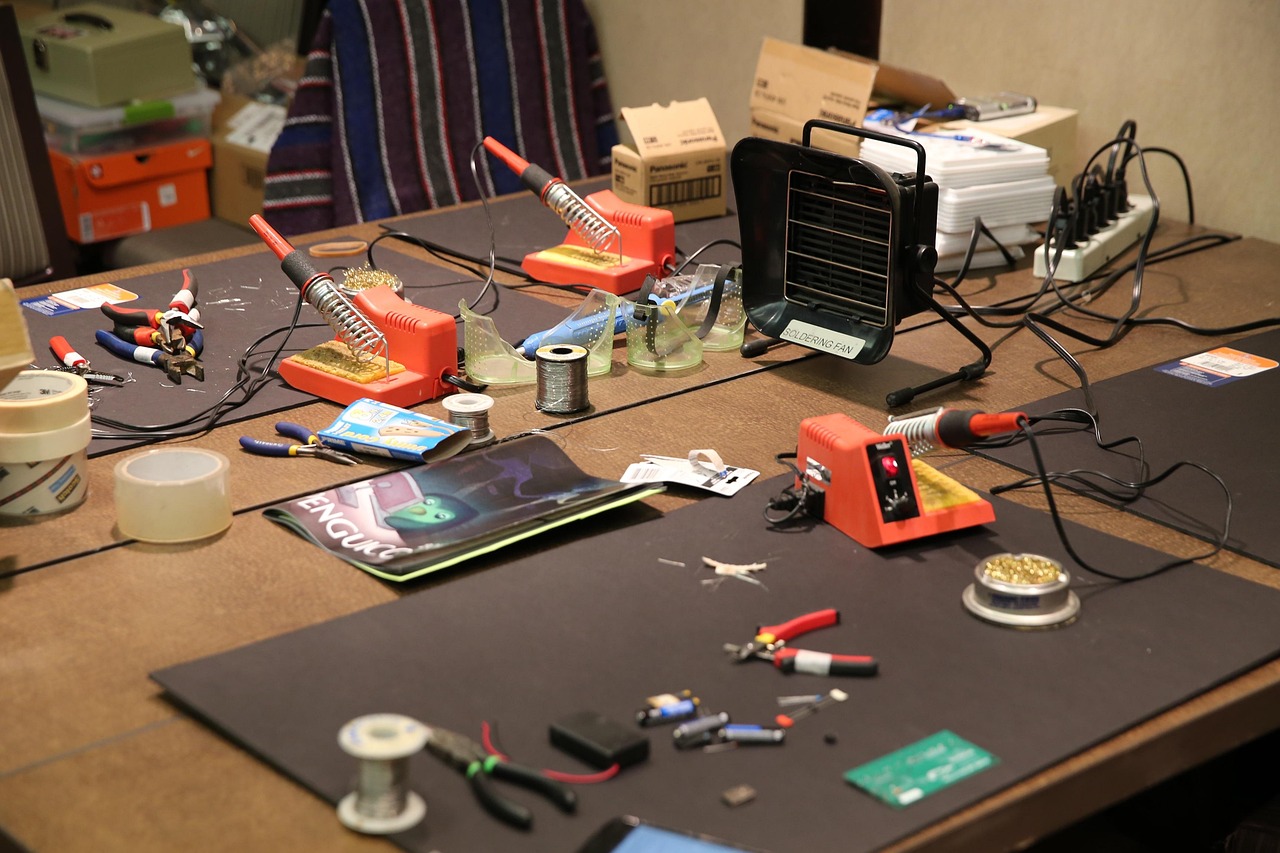
| Portable electric tools | Drills, grinders, saws, heat guns, soldering stations | Is the tool rated for the work, inspected before use, and protected from cord or insulation damage? |
| Test instruments | Multimeters, clamp meters, insulation testers, voltage indicators | Are the instrument, leads, probes, and accessories rated for the circuit and environment? |
| Power distribution items | Extension cords, reels, temporary power boxes, plugs, receptacles | Are grounding continuity, load rating, wet-location suitability, and mechanical protection controlled? |
| Machine electrical equipment | Motors, drives, sensors, actuators, wiring, emergency stop circuits | Does the machine electrical system align with applicable machinery and installation standards? |
| Control and automation equipment | Industrial control panels, PLC cabinets, contactors, relays, disconnects | Are short-circuit ratings, component suitability, markings, and documentation verified? |
| Protective equipment | Insulated gloves, face shields, arc-rated clothing, insulated tools | Is PPE selected for the actual hazard and kept in a safe, tested condition? |
This classification also clarifies ownership. Operators may perform pre-use checks on portable tools, while qualified electrical workers handle energized testing, panel changes, lockout verification, and troubleshooting inside enclosures.
Safety rules that affect everyday tool use
In the United States, OSHA electrical rules for general industry are a critical baseline. OSHA 29 CFR Part 1910 Subpart S covers electrical design safety, work practices, equipment use, and personnel safeguards. The regulation is not a purchasing checklist, but it directly affects how electrical tools and equipment are used on the floor.
For example, OSHA 29 CFR §1910.334 addresses portable cord- and plug-connected equipment and flexible cord sets. It requires visual inspection before use on any shift when portable equipment and extension cords are exposed to damage. Items with defects that may expose an employee to injury must be removed from service until repaired and tested. The same section also addresses grounding-type equipment, wet or conductive locations, plug and receptacle compatibility, and the rating of test instruments.
OSHA 29 CFR §1910.333 is equally important for maintenance work because it requires safety-related work practices when work is performed on or near parts that are or may be energized. The default safety principle is to deenergize exposed live parts before work, unless deenergizing introduces additional hazards or is infeasible because of equipment design or operational limitations. When circuits are deenergized for work, written lockout and tagging procedures, release of stored energy, and verification of the deenergized condition become central controls.
OSHA 29 CFR §1910.335 adds another practical requirement: employees working where electrical hazards may be present need protective equipment suitable for the body part and work being performed. It also requires insulated tools or handling equipment when those tools might contact exposed energized conductors or circuit parts.
Standards and references that shape better decisions
Legal requirements set minimum obligations. Consensus standards and product standards help teams make better engineering choices. The exact standard set depends on the country, industry, equipment type, and local authority having jurisdiction, but several references commonly appear in production environments.
- NFPA 70E is widely used for electrical safety in the workplace, including risk assessment, shock and arc flash considerations, safe work practices, and PPE selection.
- NFPA 70B became the Standard for Electrical Equipment Maintenance in its 2023 edition. Its importance is that maintenance frequency and condition-based tasks should be planned rather than left to informal practice.
- IEC 60204-1 covers safety of machinery and the electrical equipment of machines that are not portable by hand while working, including machine groups operating together in a coordinated manner.
- UL 508A is a major U.S. standard for industrial control panels. It is especially relevant when panels are built, modified, or purchased for production machinery.
- ANSI/ISEA 105-2024 provides a classification system for hand and arm protection, including gloves and sleeves, based on performance criteria such as cut, puncture, abrasion, and other workplace hazards.
The point is not to treat every standard as universally mandatory. The point is to identify which document controls the equipment, the task, and the jurisdiction before a purchase order, retrofit, or maintenance procedure is approved.
How to select electrical tools and equipment
A useful specification starts with the task and then works outward. Maintenance teams should document voltage, current, duty cycle, workpiece material, access constraints, ambient temperature, dust, moisture, vibration, and whether flammable vapors, combustible dust, or conductive liquids may be present. A tool selected for a dry assembly bench may not be suitable for a washdown area, a metal fabrication bay, or a confined machine pit.
Match ratings to the circuit and environment
Test instruments are a frequent weak point. OSHA requires test instruments and associated leads, cables, probes, and connectors to be rated for the circuits and equipment to which they will be connected and designed for the environment where they are used. In practice, procurement should verify voltage rating, measurement category, insulation condition, lead compatibility, and calibration or function-check requirements.
Portable tools need the same discipline. Check nameplate voltage, current, double-insulation or grounding method, enclosure type, connector style, cord type, and manufacturer limits. If a tool will be used in wet or conductive work locations, it must be approved for those conditions. If extension cords are necessary, they should be sized and protected for the expected load, route, and physical exposure.
Evaluate maintenance before purchase
Price is only one part of ownership cost. A lower-cost tool can be more expensive if brushes, batteries, bearings, guards, cords, or chargers are difficult to replace. For fixed electrical equipment, consider whether drawings, spare parts lists, wiring diagrams, software backups, parameter files, and panel markings will be supplied in usable form. Industrial control panels should be documented well enough for technicians to troubleshoot them without relying on memory or undocumented field changes. See also: automation systems.
Do not ignore ergonomics
Electrical safety is essential, but physical risk also matters. Weight, grip design, vibration, trigger placement, noise, cable drag, and visibility all affect safe production work. Poor ergonomics can lead operators to bypass guards, pull cords improperly, or use the wrong tool because the correct one is slow or uncomfortable.
Inspection and maintenance practices that reduce risk
The most reliable electrical tool program is simple enough to follow every shift and strict enough to catch deterioration early. A practical approach uses three inspection levels: pre-use checks by the user, scheduled checks by maintenance, and qualified testing or servicing when electrical integrity must be confirmed.
- Before use: look for cracked housings, missing guards, damaged plugs, loose pins, exposed conductors, crushed cords, broken strain reliefs, unreadable ratings, and signs of overheating.
- During use: stop if the tool trips protection repeatedly, smells hot, sparks abnormally, shocks the user, loses speed under normal load, or behaves differently after a drop.
- After damage: remove the item from service, tag it clearly, and prevent reuse until repair and any necessary tests confirm it is safe.
- For fixed equipment: keep panels closed and labeled, maintain ventilation clearances, control dust buildup, verify torque where applicable, and investigate nuisance trips rather than repeatedly resetting protection.
NFPA 70B is useful because it frames electrical equipment maintenance as a structured program. For production equipment, this supports planned outages, criticality ranking, infrared inspection where appropriate, cleaning, testing, lubrication of mechanical operators, and review of protective devices. The exact tasks and intervals should be based on manufacturer instructions, equipment condition, operating environment, and the consequences of failure.
Current pressures changing electrical equipment decisions
Several industry pressures make electrical tool and equipment decisions more important in 2026 than they were for older production lines. Electrification is increasing the role of motors, drives, switchgear, wire and cable, power electronics, sensors, and connected controls. NEMA’s January 26, 2026 policy agenda emphasized grid expansion, electrical manufacturing capacity, trade alignment, and workforce development as priorities for the U.S. electroindustry.
The Bureau of Labor Statistics describes the electrical equipment, appliance, and component manufacturing subsector as making products that generate, distribute, and use electrical power, including motors, generators, transformers, switchgear, batteries, insulated wire, wiring devices, fuse boxes, and switches. For production teams, the implication is straightforward: electrical systems are no longer support assets only. They are central to throughput, energy management, automation, and resilience.
At the plant level, this changes procurement. A replacement motor, drive, control panel, or portable diagnostic tool should be evaluated for compatibility with the existing electrical infrastructure, cybersecurity and network requirements where connected devices are involved, spare-parts availability, and the ability of in-house staff to maintain it safely. Buying a more sophisticated system without training and documentation can increase downtime instead of reducing it.
A practical checklist for production teams
The following checklist can help teams review electrical tools and equipment before purchase, release to the floor, or scheduled maintenance.
- Define the task, voltage, load, duty cycle, location, and environmental exposure.
- Confirm that the tool, cord, plug, instrument, or panel is rated for the circuit and workplace conditions.
- Identify which OSHA rules, local codes, manufacturer instructions, and consensus standards apply.
- Assign who is allowed to operate, inspect, test, repair, and modify the equipment.
- Require pre-use inspection for portable tools, cords, test leads, probes, and connectors.
- Remove damaged equipment from service immediately and control access until repair is complete.
- Keep drawings, manuals, calibration records, test records, and maintenance history where technicians can find them.
- Review repeated trips, overheating, nuisance faults, and cord damage as system problems, not isolated annoyances.
- Train workers on lockout, wet-location risks, grounding, PPE, and when to call a qualified electrical person.
- Reassess equipment after layout changes, new production loads, washdown changes, or automation upgrades.
Frequently asked questions
Are electrical tools and equipment the same thing?
Not exactly. Electrical tools usually refer to portable or task-specific items such as drills, grinders, soldering equipment, and test instruments. Electrical equipment is broader and can include motors, control panels, wiring systems, drives, disconnects, switchgear, and machine electrical assemblies. In production planning, it is better to manage both under one electrical asset program.
Who should inspect portable electrical tools?
Users can perform basic pre-use visual checks, but repair, testing, and energized troubleshooting should be limited to qualified personnel. OSHA rules specifically require qualified persons for testing work on electric circuits or equipment.
When should a damaged cord or tool be removed from service?
Immediately, if the damage could expose a worker to injury. Examples include a damaged outer jacket, deformed or missing plug pins, exposed conductors, loose parts, crushed insulation, or signs of internal damage. The item should not return to use until repair and necessary testing confirm it is safe.
What is the biggest mistake when buying electrical equipment for a production line?
The most common mistake is buying for function only. Production teams should also check ratings, environmental suitability, applicable standards, maintainability, documentation, spare parts, and worker training. A device that performs the task but cannot be safely inspected, isolated, or repaired is a poor production asset.