Packaging equipment trends reshaping production lines in 2026
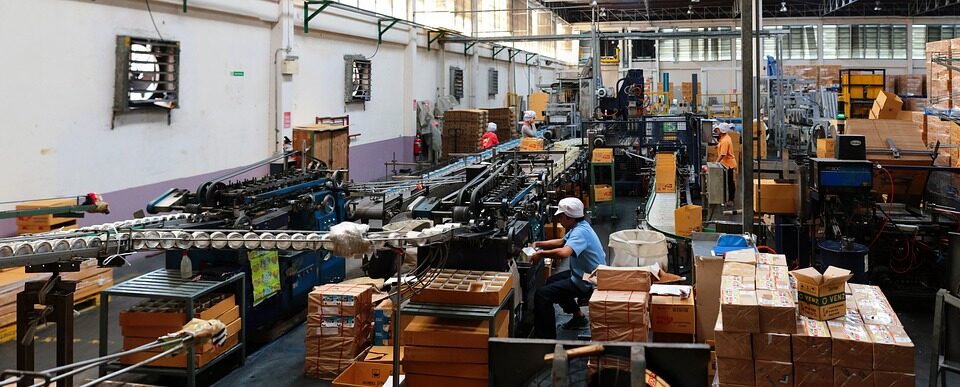
In 2026, packaging equipment decisions are less about isolated machine speed and more about how the full line performs under real production conditions. Production teams are working with more SKUs, faster changeovers, labor shortages, material variation, machine safety requirements, and stricter packaging rules. PMMI reported in its 2026 Packaging State of the Industry materials that U.S. domestic shipments of packaging machinery reached an estimated $11.7 billion in 2025, with food remaining the largest end market. For manufacturers, the practical requirement is equipment that is flexible, serviceable, data-ready, and able to adapt as formats, materials, and compliance demands change. For more related topics, visit our production equipment section.
Why packaging equipment decisions look different in 2026
Packaging lines were once specified around a relatively stable package, a target throughput, and a predictable labor model. That assumption is weaker today. Many manufacturers are managing shorter production runs, more product variations, retail-ready formats, e-commerce packaging, and more frequent package redesigns. A line that performs well on one package but struggles with changeovers can quickly become a constraint.
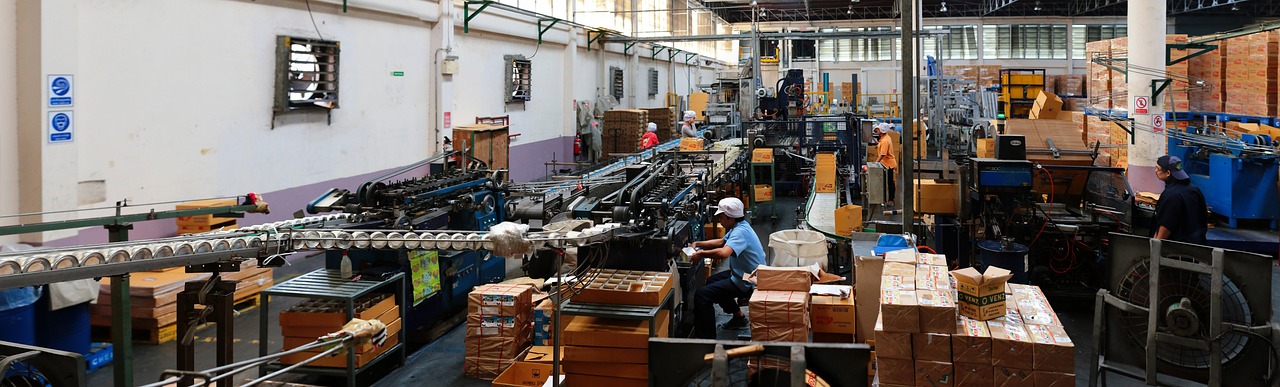
PMMI stated in September 2026 that the U.S. packaging machinery market reached an estimated $11.7 billion in shipment value in 2025, while food accounted for about 44% of the total. The same industry reporting cited SKU proliferation, emerging AI applications, workforce constraints, sustainability requirements, regulatory changes, and rising input costs as forces influencing equipment decisions. These pressures affect what buyers expect from fillers, form-fill-seal machines, case packers, labelers, inspection systems, palletizers, conveyors, and line controls.
As a result, the specification process is more demanding. Production teams are not only asking whether a machine can reach its rated speed. They are also asking whether it can maintain useful output across several formats, whether operators can change it over reliably, whether the OEM can support it through its lifecycle, and whether the control architecture can connect with plant data systems.
The main packaging equipment shifts to watch
Flexible automation is becoming more important than maximum nameplate speed
High rated speed still matters in large-volume operations, but many plants now need equipment that can move between package sizes, materials, and case patterns with less downtime. A machine that runs slightly slower but changes over in minutes may deliver better weekly output than a faster machine that requires long mechanical adjustments.
Important flexibility features include recipe-driven settings, tool-less adjustments, quick-change parts, clear HMI instructions, modular stations, and format sets that are easy to verify. This is especially relevant for food, beverage, personal care, pharmaceutical, and contract packaging operations where product mix can change frequently.
End-of-line automation is receiving more attention
End-of-line work is often repetitive, labor-intensive, and ergonomically difficult. Case erecting, case packing, sealing, labeling, palletizing, stretch wrapping, and load handling are therefore strong candidates for automation. PMMI has identified robotic palletizing, autonomous mobile robots, automated guided vehicles, and integrated case packing as areas connected to broader factory and warehouse automation.
Robotic palletizing can be useful where SKU variety, case sizes, and pallet patterns change often. The decision still needs to be application-specific. A conventional palletizer may be suitable for high-speed, stable formats, while a robot or collaborative system may fit better when pattern flexibility, smaller footprints, or redeployment matter more.
Digital tools are moving from optional features to operating requirements
Digitalization in packaging equipment does not have to mean a fully autonomous factory. For many plants, the first value comes from better alarms, clearer operator instructions, electronic manuals, remote support, downtime tracking, spare-parts visibility, and condition monitoring. AI-enabled tools are beginning to appear in areas such as troubleshooting support, documentation search, specification reuse, and knowledge capture from experienced employees.
The practical question is not whether a machine includes fashionable software. It is whether the data improves uptime, maintenance planning, quality control, or training. Buyers should ask what data is available, how it is exported, whether it follows consistent tag naming, who owns the data, and how cybersecurity is handled.
Material compatibility is becoming a larger specification issue
Sustainability goals and packaging regulations are pushing brands toward recycled content, lighter materials, paper-based alternatives, mono-material structures, reusable formats, and designs that improve recyclability. These changes can affect friction, stiffness, sealing windows, static behavior, machinability, print registration, and package integrity.
A packaging machine that performs well on a legacy film, carton, bottle, pouch, or corrugated case may need adjustment when materials change. Before buying or retrofitting equipment, teams should test the actual materials expected in production, not only ideal samples. Material reduction can save packaging cost, but it can also narrow the operating window if the equipment cannot control tension, sealing, forming, or handling consistently.
Regulation and safety are part of the equipment specification
Regulatory pressure is becoming more visible in packaging decisions. The European Union Packaging and Packaging Waste Regulation entered into force on February 11, 2025, with rules applying in phases from August 12, 2026. Even companies outside Europe may feel its effects if they sell packaged goods into EU markets or supply customers that must document packaging performance, recyclability, labeling, or waste-reduction requirements.
Packaging equipment does not create compliance by itself, but it can support or limit compliance strategies. For example, equipment may need to run alternative substrates, reduce scrap, support traceability, handle new labels, or provide production records. When regulations affect packaging design, the machinery should be reviewed as part of the packaging change, not treated as an afterthought.
Safety is equally important. ANSI/PMMI B155.1-2023 covers safety requirements for packaging and processing machinery and emphasizes risk assessment and risk reduction for new, modified, or rebuilt industrial and commercial machinery. In the United States, OSHA requirements on machine guarding and lockout/tagout also remain central to safe equipment use, servicing, and maintenance. For buyers, this means guarding, interlocks, safe access, emergency stops, stored-energy control, documentation, and training should be reviewed before installation, not after an incident or audit finding.
Packaging equipment comparison by production goal
| Production goal | Equipment direction to evaluate | Key specification questions | Main risk if ignored |
|---|---|---|---|
| More SKUs and shorter runs | Flexible machines with quick-change parts, recipe controls, and modular stations | How long is a verified changeover, and how many adjustments require tools? | Lost capacity through downtime and setup errors |
| Lower manual handling | Case packing, palletizing, conveyors, AMRs, or robotic cells | Which manual tasks create bottlenecks, injuries, or inconsistent output? | Labor dependency remains high even after capital spending |
| Material reduction | Equipment with precise tension, sealing, forming, inspection, and rejection controls | Has the actual lightweight or recycled material been tested at production speed? | Higher scrap, poor seals, jams, or customer complaints |
| Higher quality assurance | Checkweighers, metal detection, vision inspection, seal inspection, serialization, or code verification | What defects must be detected, rejected, documented, and trended? | Defective packs reach customers or rework increases |
| Longer asset life | Controls upgrades, safety retrofits, obsolescence planning, and service agreements | Which components are obsolete, and which spares have long lead times? | Unplanned downtime and expensive emergency replacements |
A practical selection framework for production teams
The strongest packaging equipment projects usually begin with production data, not vendor brochures. Before requesting proposals, teams should define current throughput, changeover time, downtime causes, scrap rates, labor allocation, package formats, material specifications, utilities, cleaning needs, floor-space limits, and maintenance skill levels.
A useful selection process includes the following steps: See also: automation systems.
- Map the real bottleneck. Confirm whether the constraint is filling, sealing, labeling, inspection, case packing, palletizing, conveying, staffing, materials, or maintenance response.
- Define the package family. List current and expected sizes, weights, closures, labels, films, cartons, cases, trays, and pallet patterns.
- Separate must-have requirements from preferences. Safety, sanitation, compliance, throughput range, changeover time, and material compatibility should be treated differently from nice-to-have interface features.
- Request evidence from testing. Ask for factory acceptance testing with representative products and materials, including difficult formats rather than only the easiest run.
- Review lifecycle support. Evaluate spare parts, service response, documentation quality, software support, training, and remote assistance.
- Plan integration early. Confirm line controls, upstream and downstream speed matching, conveyors, reject handling, data exchange, and physical access for maintenance.
For many plants, the best decision is not the most complex machine. It is the machine that reliably solves the defined production problem while leaving room for likely changes in packages, labor availability, and compliance requirements.
When retrofits may be better than new packaging equipment
New machinery is not always the most efficient path. If the mechanical frame is sound and the machine still matches the package family, a retrofit may extend useful life at lower cost and with shorter lead time. Common retrofit areas include controls modernization, HMI replacement, servo upgrades, safety guarding, vision inspection, code verification, conveyor improvements, and remote support capability.
Retrofits are especially attractive when the plant has trained operators, proven mechanical performance, and a clear weakness such as obsolete controls or limited inspection capability. However, retrofits have limits. If the base machine cannot handle required materials, lacks structural stiffness, has poor access for sanitation, or cannot meet expected speed and format changes, a new system may be more practical.
The decision should compare total lifecycle cost rather than purchase price alone. That includes downtime during installation, validation effort, spare-parts availability, energy use, scrap reduction, labor savings, maintenance burden, and risk of future obsolescence.
Implementation risks that are often underestimated
Packaging equipment projects can underperform when teams focus heavily on the machine and lightly on the surrounding system. A filler may meet its speed target, but the line may still fail if the capper, labeler, case packer, or palletizer cannot absorb variation. A robot may be technically capable, but it may not deliver value if case quality is inconsistent or if pallet patterns change without proper programming support.
Training is another common weak point. Modern equipment often depends on operators and technicians using recipes correctly, responding to alarms consistently, and following cleaning and changeover procedures. If knowledge remains informal, performance can vary by shift. Clear standard work, HMI guidance, and maintenance documentation help preserve performance after startup.
Buyers should also avoid assuming that automation automatically removes labor needs. Automation changes the type of labor required. Plants may need fewer people performing repetitive manual tasks but more capability in maintenance, troubleshooting, controls, and production supervision. The equipment plan should therefore include a workforce plan.
What this means for industrial equipment buyers
The packaging equipment market is moving toward systems that are flexible, connected, safe, and easier to support over time. For manufacturers, the winning strategy is not to chase every new technology. It is to match equipment choices to measurable production needs and verify that the system can handle future variation.
In 2026, the most important questions are practical ones. Can the line run the materials the business expects to use? Can operators change formats quickly and correctly? Can maintenance teams keep the equipment available? Can the system support documentation, inspection, and traceability where needed? Can safety risks be reduced without making the machine difficult to operate?
Packaging equipment that answers those questions well will be more valuable than equipment that only looks impressive on a specification sheet. The best projects combine realistic data, careful testing, safety review, material validation, and lifecycle planning before the purchase order is signed.
Frequently asked questions
What is the most important packaging equipment trend in 2026?
Flexibility is one of the most important trends. Many plants need equipment that can handle more SKUs, shorter runs, new materials, and faster changeovers without creating excessive downtime or operator complexity.
Should manufacturers prioritize new packaging equipment or retrofits?
It depends on the condition of the existing asset and the production goal. Retrofits can be effective for controls, inspection, safety, or obsolescence issues. New equipment is usually more appropriate when the existing machine cannot support required formats, materials, sanitation needs, speeds, or safety expectations.
How do sustainability requirements affect packaging machinery?
Sustainability requirements can change materials, package weights, labels, formats, and documentation needs. Packaging machinery may need to handle recycled content, lighter substrates, paper-based materials, reusable packaging, or designs with narrower sealing and forming windows.
What should be tested before buying packaging equipment?
Teams should test representative products, actual packaging materials, difficult package sizes, changeover procedures, reject handling, inspection performance, cleaning access, operator tasks, and integration with upstream and downstream equipment. Testing only ideal samples can hide problems that appear later in production.