Equipment used in construction for earthmoving, lifting, paving, and site work
What equipment used in construction covers
Equipment used in construction includes the machines, vehicles, attachments, and temporary systems that move soil, lift materials, prepare foundations, place concrete, build roads, and support crews on site. The right combination depends on the project type, ground conditions, available space, lifting requirements, schedule, and safety controls. An excavator may drive productivity on a trenching job, while a telehandler, crane, or forklift may be more important on a vertical building site. For roadwork, graders, pavers, rollers, and milling machines often become the core production equipment.
This guide organizes construction equipment by jobsite function rather than by brand or size. That makes it easier for buyers, contractors, and site planners to understand what each category does, where it fits in the workflow, and where selection mistakes commonly occur. For related industrial machinery topics, visit the production equipment section.
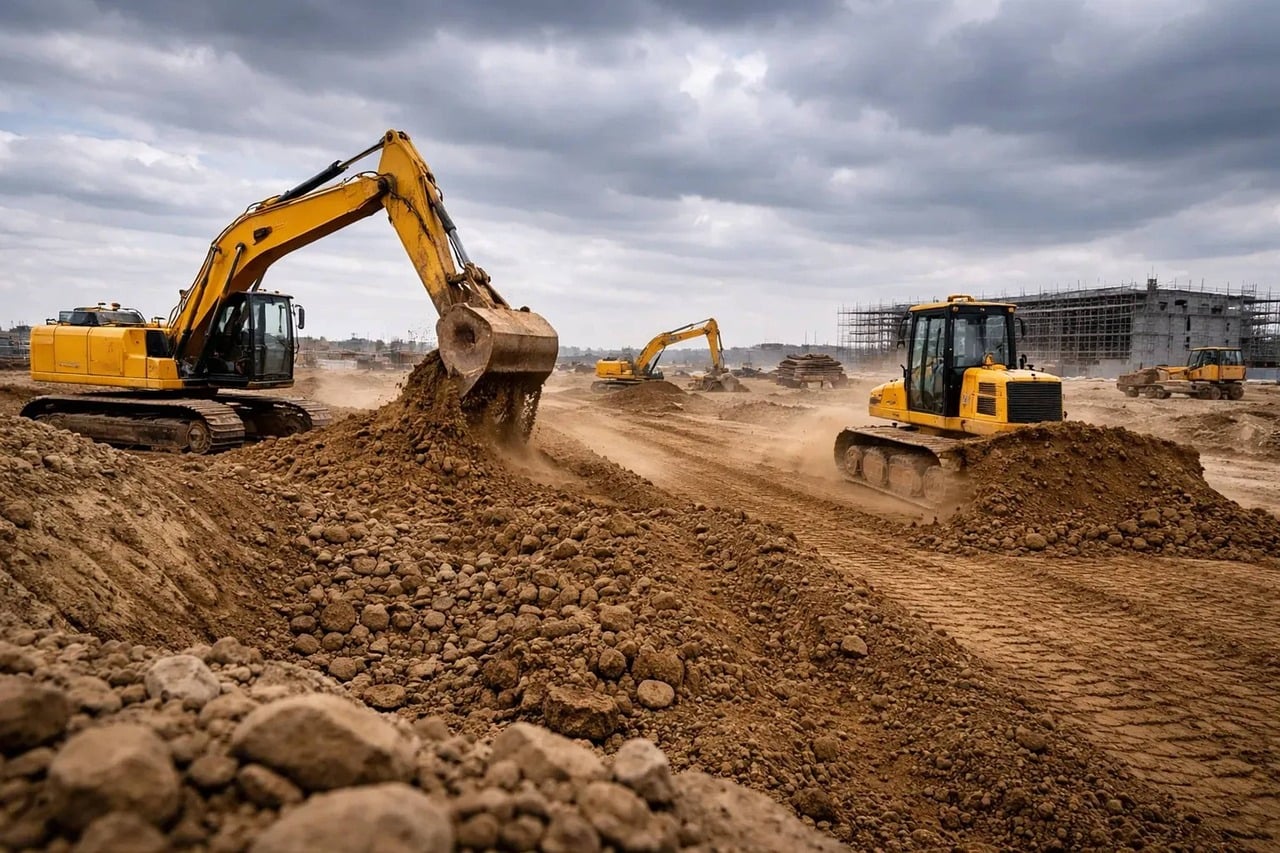
Earthmoving equipment for excavation, grading, and loading
Earthmoving equipment is usually one of the first major machinery groups to arrive on a construction site. Its job is to remove, relocate, shape, and compact soil or aggregate so the structure, road, utility line, or drainage system can be built on a stable base. The key differences between machines are digging reach, bucket capacity, maneuverability, ground pressure, and whether the machine is designed mainly for digging, pushing, carrying, or finish grading.
Excavators
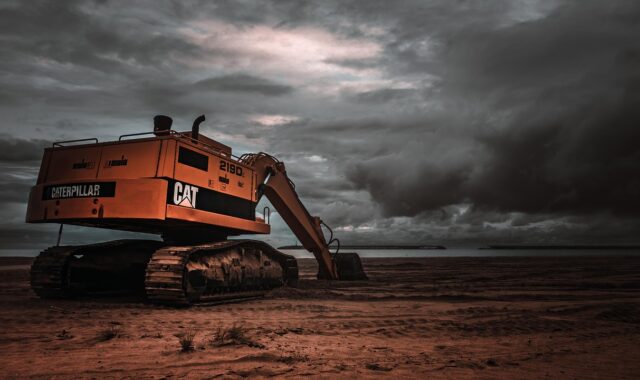
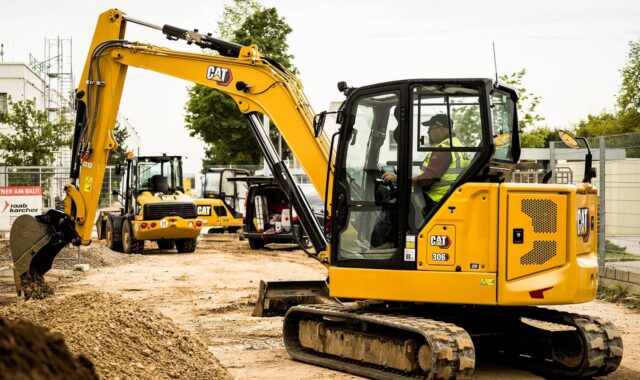
Excavators are used for digging trenches, foundations, basements, ponds, drainage channels, and utility routes. A standard crawler excavator provides stability and digging depth, while a wheeled excavator can move more easily on paved urban sites. Compact excavators are useful where access is limited, including residential work, landscaping, and small utility jobs.
Common attachments include buckets, hydraulic breakers, grapples, augers, shears, and thumbs. This flexibility makes the excavator one of the most useful machines on many jobsites, but attachment choice changes both productivity and risk. A breaker requires different hydraulic flow and inspection routines than a trenching bucket. If the excavator is used for lifting, the team must also consider rated capacity, ground stability, radius, and load control.
Bulldozers and graders
Bulldozers push soil, clear land, spread fill, and carry out rough grading. They are effective on uneven ground and are often used during early site preparation. Motor graders are used for more precise grading, especially on road bases, shoulders, drainage slopes, and large flat surfaces. In simple terms, a dozer creates the rough shape; a grader refines it.
Loaders and backhoes
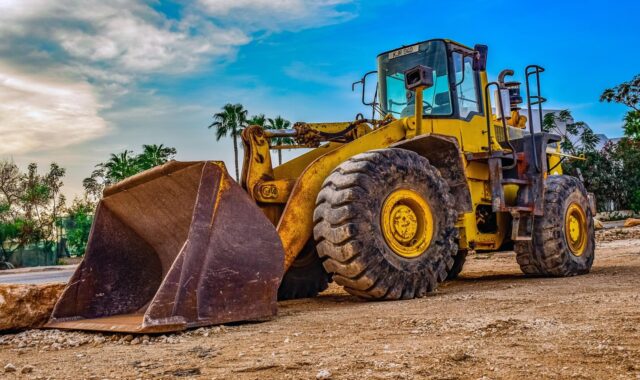
Wheel loaders move stockpiled aggregate, soil, demolition debris, and pallets when fitted with forks. Track loaders provide better traction on soft ground, while skid steer loaders and compact track loaders are common choices in confined areas. Backhoe loaders combine a front loader bucket and a rear digging arm, which makes them practical for municipal repair, small excavation, pipe work, and mixed tasks where one multipurpose machine is more efficient than mobilizing two specialized units.
Lifting and material handling equipment
Lifting equipment moves materials vertically and horizontally in areas where manual handling would be slow, unsafe, or impossible. This group includes cranes, telehandlers, forklifts, hoists, and aerial work platforms. Selection is not only about maximum capacity. It also depends on radius, lift height, ground conditions, access routes, load shape, operator visibility, and communication between workers.
Cranes
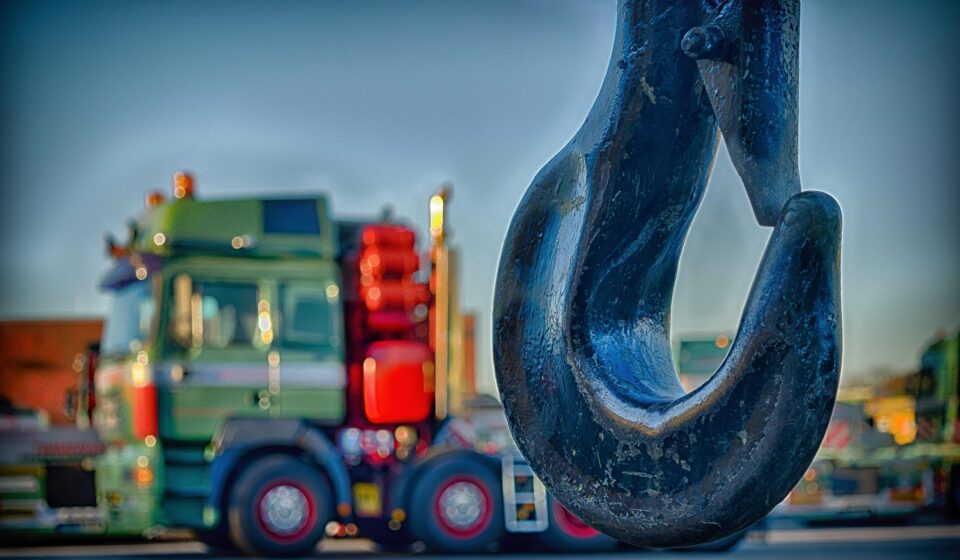
Cranes are used for steel erection, precast concrete placement, heavy mechanical equipment installation, bridge work, tower construction, and other lifts that require significant height or reach. Mobile cranes can move between sites or across large jobsites. Tower cranes are commonly associated with high-rise construction because they provide long reach and repeated lifting coverage over a dense footprint.
Regulators and safety organizations treat crane work as a high-risk activity because lifting failures can affect workers, nearby structures, public areas, and other equipment. Planning normally includes lift charts, ground bearing assessment, rigging checks, exclusion zones, weather limits, and qualified personnel.
Telehandlers and forklifts
Telehandlers bridge the gap between forklifts and cranes. Their telescopic booms allow them to place pallets, bundles, trusses, and other materials at height or across obstacles. Forklifts are better suited to stable, level surfaces and repetitive pallet movement. Rough-terrain forklifts are common on outdoor sites where the ground is uneven, but they still require careful route planning and load control.
Hoists and aerial work platforms
Material hoists and personnel hoists support vertical transport on multistory projects. Scissor lifts and boom lifts provide temporary elevated access for installation, inspection, façade work, electrical work, and maintenance. They should be selected according to platform height, outreach, indoor or outdoor use, tire type, power source, and surface conditions.
Concrete, roadbuilding, and compaction equipment
Concrete and roadbuilding equipment turns prepared ground into durable surfaces and structural elements. These machines are often scheduled tightly because delays in batching, placement, curing, paving, or compaction can affect quality. Unlike general earthmoving machines, much of this equipment performs a specific process and must be matched closely to the material being placed.
Concrete mixers, pumps, and vibrators
Concrete mixer trucks transport ready-mix concrete from batching plants to jobsites. Concrete pumps move the mix through booms or lines when direct chute placement is not practical. Internal vibrators, screeds, and finishing machines help consolidate and level concrete after placement. The sequence matters: poor access for the mixer truck, an undersized pump, or inadequate finishing capacity can lead to cold joints, delays, and surface defects.
Pavers, milling machines, and rollers
Asphalt pavers place hot mix asphalt at a controlled width and thickness. Milling machines remove old pavement before resurfacing. Rollers compact soil, aggregate, asphalt, or other materials to improve density and load-bearing performance. Smooth drum rollers are common for granular materials and asphalt, while padfoot rollers are used more often on cohesive soils. Pneumatic tire rollers can help seal and finish asphalt surfaces.
Compactors for smaller sites
Plate compactors, rammers, and walk-behind rollers are used for trenches, sidewalks, landscaping, small foundations, and repair work. They are smaller than ride-on rollers, but they remain important. Inadequate compaction around utilities, curbs, or narrow edges can cause settlement and surface failure after the main work appears complete.
Support equipment that keeps the site productive
Some construction equipment does not perform the headline task, but it keeps the project moving. These machines supply power, air, water, lighting, access, and temporary site control. They are easy to underestimate during planning because they may not appear in the main production sequence, yet their absence can stop crews from working efficiently.
- Generators: Provide temporary power for tools, lighting, pumps, offices, welding, and emergency backup.
- Air compressors: Support pneumatic tools, cleaning, blasting, and some drilling applications.
- Water trucks: Control dust, assist compaction, and support site cleaning or temporary water needs.
- Light towers: Enable night work, early morning operations, emergency repairs, and safer movement in low-light areas.
- Pumps: Remove groundwater, stormwater, or process water from excavations and low areas.
- Temporary traffic and safety systems: Include barriers, message boards, cones, fencing, and access control equipment.
Support equipment should be planned around work hours, fuel or charging access, noise restrictions, emissions requirements, drainage conditions, and maintenance coverage. A large excavator can sit idle if a small pump is missing from a wet trench. See also: automation systems.
How to choose the right construction equipment
Choosing equipment should start with the work to be performed, not with the machine list from a previous job. A familiar machine can be the wrong choice if the site layout, soil, haul distance, lifting radius, or schedule has changed. A practical selection process compares production needs with operating limits.
| Jobsite need | Typical equipment choices | Selection factors |
|---|---|---|
| Deep excavation or trenching | Excavator, trench box, pump, loader | Dig depth, soil type, groundwater, spoil handling, access width |
| Bulk earthmoving | Dozer, scraper, excavator, articulated truck | Haul distance, slope, ground pressure, cycle time, fuel use |
| Material lifting | Crane, telehandler, forklift, hoist | Load weight, radius, lift height, rigging, ground bearing capacity |
| Road surface construction | Grader, paver, roller, milling machine | Layer thickness, material temperature, compaction target, traffic control |
| Urban or indoor work | Compact excavator, skid steer, electric lift | Noise, emissions, turning radius, floor loading, ventilation |
Match capacity to real work conditions
Rated capacity is measured under defined conditions. Actual jobsite performance can be lower when a machine works on slopes, soft ground, long reach, high altitude, restricted access, or continuous duty cycles. For example, a loader bucket that works well with dry aggregate may be less productive in wet clay, and a crane lift that looks acceptable at short radius may exceed limits when the load must be placed farther from the machine.
Consider ownership, rental, and utilization
Owning equipment can make sense when a machine is used frequently, operators are available, maintenance is controlled, and transport costs are manageable. Renting can be better for specialized machines, short-duration tasks, seasonal peaks, or projects in distant locations. The decision should include more than the daily rental rate or purchase price. Transport, fuel, attachments, insurance, downtime, operator training, inspection, storage, and resale value all affect the true cost.
Plan attachments as part of the machine
Attachments can change a machine’s role, but they are not an afterthought. Buckets, hammers, augers, forks, brooms, grapples, couplers, and compactors require compatibility with hydraulic flow, coupler type, machine weight, and stability limits. An attachment that is too heavy or poorly matched can reduce performance and increase wear.
Safety, compliance, and maintenance considerations
Construction equipment selection is also a safety decision. OSHA and similar workplace safety authorities emphasize hazard recognition, operator training, inspection, traffic control, trench protection, fall protection, and machine guarding. Standards and manufacturer manuals should be treated as practical operating documents, not paperwork kept separate from the job.
Important controls include pre-use inspections, seat belt use where required, backup alarms or spotters where visibility is limited, lockout procedures during service, proper rigging, stable access routes, and clear separation between workers and moving equipment. For excavation work, equipment planning should also consider cave-in hazards, underground utilities, spoil pile location, and safe access into trenches.
Maintenance affects both safety and productivity. Hydraulic leaks, worn tires, damaged tracks, weak brakes, faulty lights, and overdue service can turn a productive machine into a liability. A basic maintenance program should include daily checks, scheduled service, fluid monitoring, attachment inspection, and clear reporting of defects. Larger fleets may also use telematics to track hours, idle time, fault codes, fuel use, and maintenance intervals.
Common mistakes when planning construction equipment
One common mistake is oversizing. A larger machine may move more material per cycle, but it can also damage finished surfaces, require more transport planning, consume more fuel, or be unable to maneuver safely. Undersizing creates the opposite problem: low productivity, excessive machine hours, and schedule pressure.
Another mistake is ignoring site logistics. A crane, excavator, or concrete pump may have enough capacity on paper but still fail in practice if delivery routes, setup space, turning radius, overhead clearance, ground bearing capacity, or traffic control are not planned. Equipment should be selected with the full workflow in mind, including material delivery, staging, fueling, maintenance access, and removal from the site.
A third mistake is separating safety planning from production planning. Safety controls are often seen as restrictions, but they can also prevent delays. Clear haul roads, defined pedestrian zones, planned lifting areas, and reliable communication reduce confusion and allow machines to work with fewer interruptions.
Frequently asked questions
What is the most common equipment used in construction?
There is no single machine that fits every project, but excavators, loaders, backhoe loaders, skid steers, forklifts, compactors, cranes, and concrete equipment are among the most widely used categories. The most common choice depends on whether the job involves earthmoving, building construction, roadwork, utilities, or finishing work.
What equipment is needed for site preparation?
Typical site preparation equipment includes excavators, bulldozers, loaders, graders, compactors, water trucks, pumps, and surveying or layout tools. Projects with trees, rock, contaminated soil, or heavy groundwater may need additional specialized equipment.
How do contractors decide between renting and buying equipment?
Contractors usually compare utilization, project duration, maintenance capacity, financing, transport, storage, and the availability of trained operators. Renting often fits occasional or specialized tasks, while ownership may suit machines used regularly across multiple projects.
Why is equipment matching important in construction?
Equipment matching prevents bottlenecks. An excavator, truck fleet, loader, pump, or paving crew must work at compatible production rates. If one machine is much faster or slower than the rest of the process, the project can lose time and money through waiting, rework, or inefficient cycles.
Key takeaway
The best way to understand equipment used in construction is to connect each machine to the task it performs: earthmoving, lifting, material handling, concrete placement, roadbuilding, compaction, access, or site support. A sound equipment plan balances capacity, safety, logistics, utilization, maintenance, and site conditions. Rather than asking which machine is largest or most popular, project teams should ask which machine can complete the required work safely, efficiently, and within the actual limits of the site.