How to choose automation equipment for flexible manufacturing
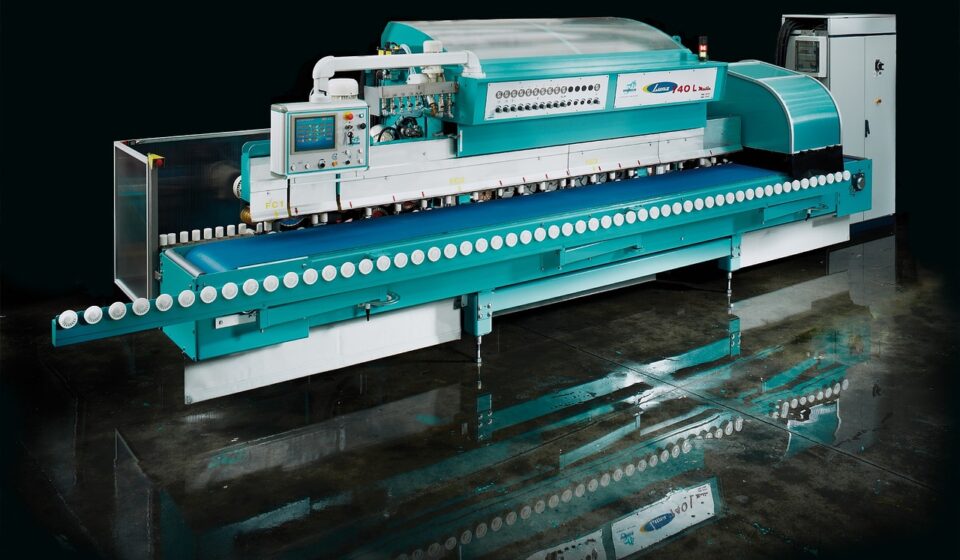
Automation equipment is now a system decision, not a machine decision
Choosing automation equipment today is no longer just a question of buying a faster robot, conveyor, controller, or inspection station. The better question is whether the equipment will improve throughput, quality, safety, and changeover speed while fitting into the plant’s existing controls, workforce, maintenance practices, and data environment. That matters because more factories are investing in automation, and the business case is being examined more closely.
Recent industry signals point in the same direction. The International Federation of Robotics reported on September 24, 2026, that the global operational stock of industrial robots reached a record 5 million units in 2025, up 9% from the prior year. In North America, the Association for Advancing Automation reported that robot orders grew 6.6% in 2025, with broader adoption outside the traditional automotive base. For buyers, this means automation equipment is no longer only a high-volume automotive tool. It is increasingly part of flexible manufacturing, logistics, packaging, metalworking, electronics, food processing, and general industrial operations.
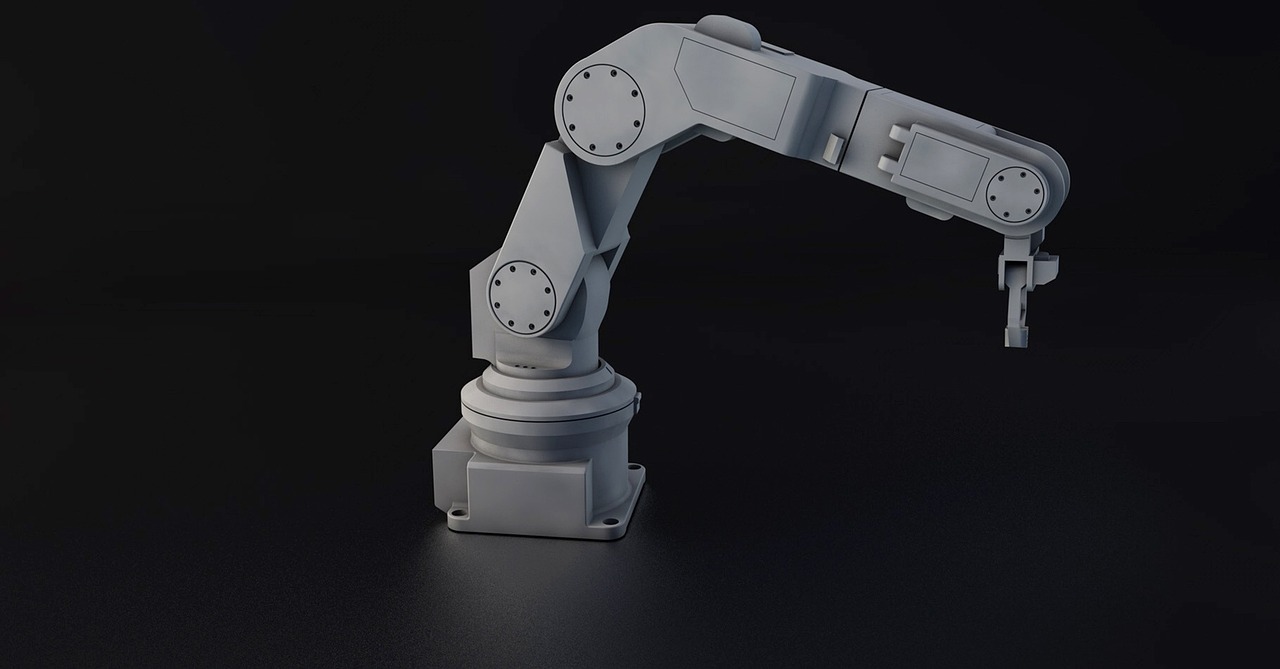
This article explains how to evaluate automation equipment in a practical way: by application fit, integration risk, safety, cybersecurity, lifecycle cost, and readiness for future production changes. For more related coverage, visit our automation systems section.
Define the production problem before selecting equipment
The most expensive automation mistakes often start with a vague objective. “We need automation” is not specific enough. A plant should first define the production constraint it wants to remove. That may be inconsistent manual assembly, excessive scrap, slow palletizing, operator exposure to hazards, limited inspection capacity, or downtime caused by manual material handling.
A useful automation brief should include the current process rate, target rate, product variation, changeover frequency, defect modes, available floor space, utilities, safety constraints, and expected production volume. The same robot cell, vision system, or automated conveyor can perform very differently depending on part presentation, lighting, tooling, upstream variability, and operator interaction.
For example, a six-axis robot may suit welding, machine tending, or complex handling, while a gantry, delta robot, or Cartesian system may be more efficient for repetitive pick-and-place work. Automated guided vehicles or autonomous mobile robots can solve internal logistics problems, but they still require disciplined traffic design, charging strategy, fleet software, and facility layout review.
The decision should start with measurable outcomes. Useful targets include reducing manual lifts per shift, increasing first-pass yield, shortening changeover time, improving line availability, or moving workers away from a hazardous task. These measures help buyers compare equipment options without being distracted by features that do not address the core problem.
Match equipment type to the application and production mix
Automation equipment covers a wide range of industrial technologies. The right choice depends on the task, product mix, required precision, and level of flexibility. A high-speed fixed automation line may deliver excellent unit cost in stable, high-volume production, but it can become restrictive when product designs change often. More flexible robotic or modular automation may cost more per station, but it can support shorter runs and faster reconfiguration.
| Equipment category | Common uses | Selection focus | Typical risk to check |
|---|---|---|---|
| Industrial robots and cobots | Welding, tending, palletizing, dispensing, assembly | Payload, reach, cycle time, end-of-arm tooling, safety concept | Part presentation, guarding, programming skill, downtime recovery |
| Machine vision and inspection | Defect detection, measurement, guidance, code reading | Lighting, camera resolution, algorithm stability, reject handling | False rejects, environmental variation, poor data labeling |
| PLCs, motion control, and drives | Machine control, sequencing, servo motion, process control | I/O needs, scan time, network compatibility, service support | Obsolete components, weak documentation, cybersecurity gaps |
| Conveyors and material handling systems | Line transfer, buffering, sorting, pallet movement | Product geometry, accumulation method, speed, maintainability | Bottlenecks, jam recovery, poor access for maintenance |
| Automated storage and mobile robots | Warehouse movement, work-in-process flow, kitting | Fleet software, route design, charging, traffic separation | Congestion, system downtime, unclear manual override process |
Flexible manufacturing often benefits from modularity. Standardized tooling plates, reusable robot programs, configurable conveyors, and open communication protocols can reduce future engineering work. However, flexibility should be specified carefully. A system that can theoretically handle 50 part variants may still fail in practice if operators need excessive time to change fixtures, verify recipes, or recover from faults.
Integration is where many automation projects succeed or fail
The purchase price of automation equipment is only one part of the real project cost. Integration work can include mechanical design, guarding, controls engineering, robot programming, machine vision setup, network configuration, operator interfaces, data collection, acceptance testing, documentation, and training. These activities determine whether the equipment becomes a stable production asset or an expensive bottleneck.
Buyers should ask integrators and equipment suppliers how the system will connect to existing PLCs, SCADA platforms, manufacturing execution systems, maintenance systems, and quality databases. They should also ask what happens during abnormal conditions. Can operators clear a jam safely? Can maintenance personnel diagnose a fault without calling the supplier every time? Are spare parts available locally? Is the program structure documented well enough for future modification?
Factory acceptance testing and site acceptance testing should reflect realistic production conditions. Testing only with perfect sample parts can hide issues that appear later, such as packaging variation, surface finish changes, burrs, oil, dust, lighting variation, barcode damage, or inconsistent pallet quality. A strong acceptance plan uses real parts, edge cases, defined uptime targets, reject handling tests, emergency stop validation, and restart procedures.
In many projects, the most resilient systems are not simply the ones with the most advanced equipment. They are the ones with clear interface definitions, realistic testing, and a practical plan for operators and maintenance teams after handover.
Safety and cybersecurity should be designed in from the start
Automation equipment changes the risk profile of a workplace. Robots, conveyors, servo axes, presses, lift systems, and mobile equipment can introduce hazards during automatic production and during non-routine tasks such as setup, teaching, cleaning, maintenance, and troubleshooting. OSHA notes that many robot accidents occur during these non-routine conditions, and it also states that there are currently no OSHA standards written specifically for the robotics industry. That makes recognized consensus standards and qualified risk assessment especially important.
For industrial robot systems, ANSI/A3 R15.06-2025 and the ISO 10218 safety series are important references for robot and robot system safety. These standards are not a substitute for local legal review, but they help frame requirements for risk reduction, safeguarding, integration, and information for use. Practical safeguards may include interlocked barriers, presence-sensing devices, safety-rated monitored stops, emergency stops, safe speed functions, safety PLCs, and controlled access procedures.
Cybersecurity has also become part of automation equipment selection. A connected production line may include PLCs, HMIs, industrial PCs, remote access tools, smart sensors, drives, cameras, historians, and cloud dashboards. Each connected component can be a maintenance benefit or a security exposure depending on how it is managed. The ISA/IEC 62443 series is widely used as a framework for industrial automation and control system cybersecurity across the lifecycle, including risk assessment, system design, supplier practices, and operational management.
A practical equipment specification should ask for user access control, patching approach, backup and restore procedures, network segmentation guidance, remote access controls, logging capability, and a clear list of software dependencies. Cybersecurity should not be left until commissioning, because late changes to networks and controls can delay startup and increase cost. See also: production equipment.
Evaluate total cost of ownership, not only payback
Simple payback is useful, but it can be too narrow for automation equipment decisions. A robot cell with a longer payback may still be attractive if it reduces safety exposure, improves quality traceability, supports future product variants, or helps address a chronic labor availability problem. A cheaper system may look better on a spreadsheet but cost more over time if it requires custom parts, specialized support, frequent downtime, or difficult changeovers.
Total cost of ownership should include engineering, installation, floor preparation, guarding, utilities, compressed air, tooling, spare parts, software licenses, training, preventive maintenance, calibration, cybersecurity support, energy use, and expected upgrades. It should also include the cost of downtime during installation and the cost of reduced output while operators learn the system.
Maintenance access deserves special attention. Can technicians reach motors, sensors, valves, filters, belts, and safety devices without dismantling the cell? Are wear parts standardized? Are wiring and pneumatic lines labeled? Is there enough room to remove a gearbox, replace a camera, or adjust a fixture? These details may seem minor during procurement, but they affect line availability for years.
- Ask for maintainability evidence. Drawings, spare parts lists, preventive maintenance schedules, and recommended critical spares should be available before final acceptance.
- Check vendor support depth. Local service, remote diagnostics, training materials, and software access can matter as much as headline equipment specifications.
- Plan for obsolescence. Controllers, drives, cameras, and industrial PCs have lifecycle limits. A replacement path should be discussed before purchase.
- Measure after launch. Compare actual throughput, downtime, scrap, and labor allocation against the original business case.
Build a specification that leaves room for future change
Manufacturers are under pressure to handle more product variation, shorter lead times, and more volatile demand. That does not mean every factory needs the most flexible or most expensive automation equipment. It does mean equipment specifications should avoid locking the plant into a single product or supplier when a more open, modular approach is practical.
Important future-proofing questions include whether recipes can be changed without rewriting core code, whether tooling can be swapped quickly, whether the communication architecture supports additional stations, and whether data from the equipment can be used for quality and maintenance analysis. Buyers should also consider whether the supplier provides clear documentation or whether the system depends on undocumented custom logic.
Data should be treated as an operational asset, not an afterthought. Production counts, faults, cycle times, rejected parts, energy use, and maintenance alarms can help teams identify constraints after startup. However, data collection should be purposeful. A dashboard that displays hundreds of values is less useful than a smaller set of reliable metrics linked to decisions on quality, maintenance, and production planning.
The best automation roadmap usually combines immediate projects with a longer-term architecture. A plant may start with one machine-tending cell, one inspection station, or one palletizing system, but it should still define control standards, safety expectations, network rules, operator interface conventions, and documentation requirements. That discipline makes the second and third projects easier to scale.
Frequently asked questions
What is considered automation equipment?
Automation equipment includes machines, controls, sensors, software, and handling systems that perform production or logistics tasks with limited manual intervention. Common examples include industrial robots, collaborative robots, PLCs, servo drives, machine vision systems, automated conveyors, packaging machines, sorting systems, automated storage systems, and mobile robots.
How do I know if automation equipment is worth the investment?
Start with a measurable production problem. If the equipment can improve throughput, quality, safety, consistency, or labor allocation enough to justify its lifecycle cost, it may be worth evaluating. The business case should include integration, training, maintenance, spare parts, downtime during installation, and future changeover needs, not only the purchase price.
Is flexible automation better than fixed automation?
Neither is automatically better. Fixed automation can be highly efficient for stable, high-volume production. Flexible automation is often stronger when product designs, batch sizes, or customer requirements change frequently. The right choice depends on volume, variation, changeover cost, available skills, and expected product life.
Why are safety standards important when buying automation equipment?
Automation can introduce hazards from moving machinery, stored energy, unexpected startup, and human interaction with robots or conveyors. Standards such as ANSI/A3 R15.06-2025 and ISO 10218 help guide risk reduction for industrial robot systems, while OSHA guidance highlights the importance of safeguarding and attention to non-routine tasks such as maintenance and setup.
Should cybersecurity be part of an automation equipment specification?
Yes. Modern automation equipment is often connected to plant networks, remote support tools, databases, and analytics systems. Specifications should cover access control, backup and restore, patching, remote access, network segmentation, and supplier support. The ISA/IEC 62443 series is a useful reference framework for industrial automation and control system cybersecurity.
Conclusion
Automation equipment selection should begin with the production problem, not the equipment catalog. The strongest projects define measurable goals, compare the right technology options, plan integration realistically, design safety and cybersecurity early, and evaluate lifecycle cost instead of only initial price. As industrial automation adoption broadens, the advantage will go to manufacturers that treat automation as a connected operating system for the factory, not as a collection of isolated machines.