How Do You Choose Heavy Equipment That Works Hard and Lasts Longer?
Why Does Heavy Equipment Choice Matter Before the First Load Moves?
Choosing production equipment should start with one plain question: what will the machine do every day? Heavy equipment is not only a large unit with a high price. It affects labor planning, fuel use, site safety, spare parts inventory, and how quickly a project can restart after a fault. The Association of Equipment Manufacturers reported in March 2026 that the U.S. off-highway equipment manufacturing industry supported 2.2 million jobs and generated $902 billion in total sales activity in 2025, so this is a large supply chain, not a small side market. Your buying decision sits inside that chain, from engine supply to parts service. (aem.org)
Job Scope Defines the Machine Class
Start with the job, not the model name. A wheel loader, crawler excavator, telehandler, compactor, forklift, or crane can all look useful in a brochure, but each one is built for a different kind of work. If you move loose aggregate all day, bucket capacity and cycle time matter more than a long feature list. If you dig trenches in tight ground, digging depth, tail swing, and hydraulic flow should be checked first. For plant handling, turning radius and mast height may matter more than engine power.
Working Conditions Shape Power and Weight
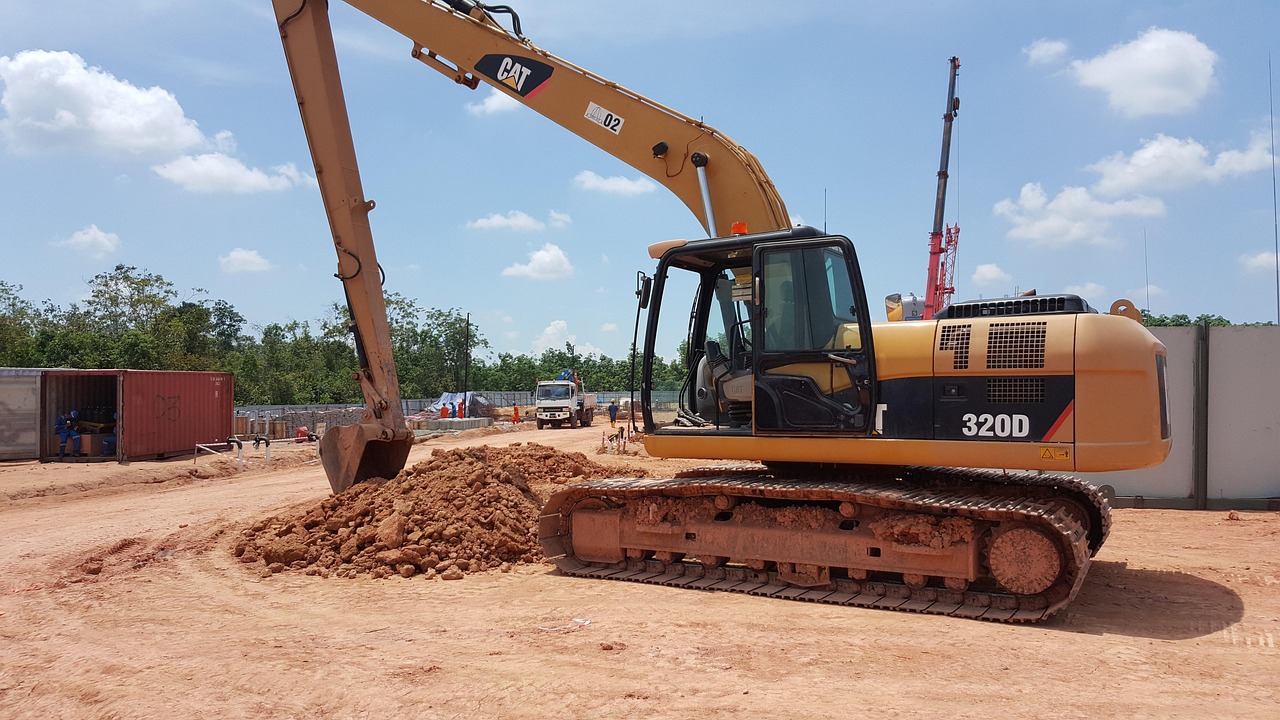
A machine that works well in a dry yard may perform badly in wet clay or on a soft access road. Ground pressure, tire type, track width, slope grade, and cooling capacity are not small points because they decide whether the machine keeps moving or gets stuck before noon. For dusty quarries or metal recycling yards, check air filtration and radiator access with care. Stopping a shift to clean a blocked cooler is common enough, and it costs real working time.
Lead Time Affects the Whole Schedule
Lead time can matter as much as horsepower. If civil works start in eight weeks and a special attachment needs twelve weeks, the order already has a schedule problem. Ask about machine stock, engine brand availability, attachment production, inspection dates, and shipping windows before you compare the final price. A higher quote with a fixed delivery plan can be cheaper than a low quote that keeps moving.
Which Heavy Equipment Types Fit Common Production Jobs?
The best machine is often the one that removes the bottleneck. It is not always the biggest model in the catalog. In real yards and factories, space, operator skill, loading height, floor strength, and maintenance habits often decide the right choice before the brochure does.
Excavators and Loaders for Earth and Bulk Material
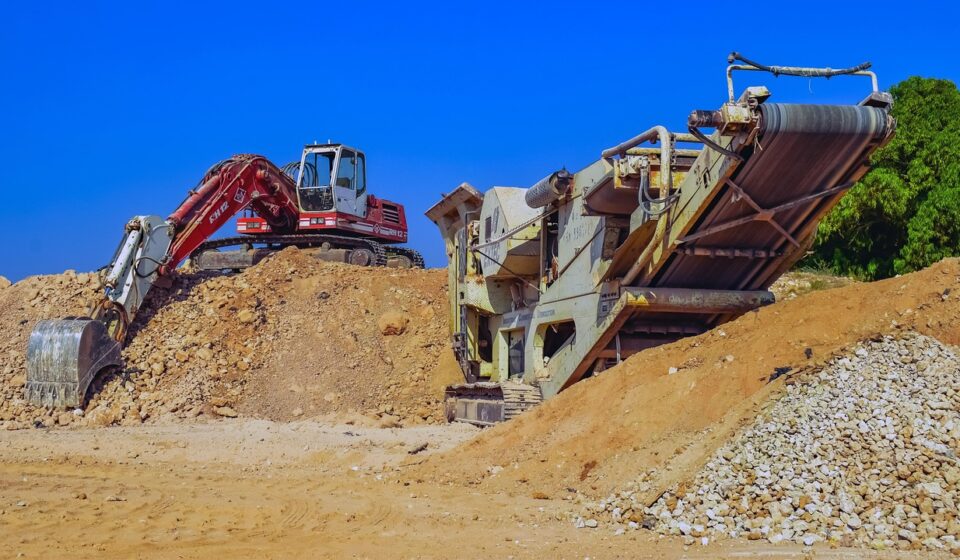
Excavators fit digging, trenching, demolition preparation, ditch cleaning, and heavy loading when control matters. Loaders are better for moving sand, gravel, slag, coal, waste, and bulk raw material over short distances at a steady pace. If you use both, match bucket size with truck body size. A loader that needs six passes to fill one truck wastes time, while an oversized bucket can spill material and put extra stress on the drivetrain.
Forklifts and Telehandlers for Plant Handling
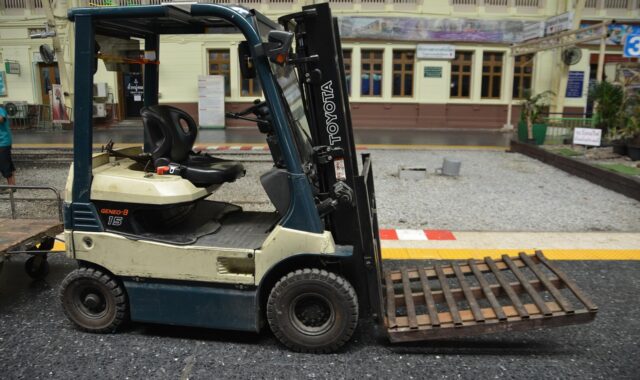
Forklifts work well on prepared floors, loading docks, warehouses, and assembly areas. Telehandlers give more reach and better rough terrain ability, which helps on outdoor industrial sites. For both machines, do not stop at rated capacity. Check load center, lifting height, tire type, mast visibility, and aisle width. A five-ton forklift sounds strong, but the safe load drops when the center of gravity moves forward.
Cranes and Lifting Machines for Heavy Placement
Cranes, gantry systems, and lifting platforms are used when a load needs controlled placement, not simple transport. Buyers should compare lift chart, boom length, outrigger layout, counterweight needs, and site access before signing. A crane that cannot set outriggers correctly on your floor or ground will not solve the lifting job. It becomes a waiting charge with a hook attached.
How Should You Compare Cost Beyond the Purchase Price?
Purchase price is easy to see, so it often gets too much attention. Total cost is less neat, but it is the number that affects the job. It includes fuel, tires or tracks, filters, oil, hydraulic hoses, wear edges, operator time, downtime, finance charges, shipping, tax, training, and resale value. The list is not exciting, but that is where the money usually goes.
Fuel Burn and Idle Time
There is no reliable public fuel number that fits every heavy equipment model, site, and duty cycle. A loader working in deep aggregate will not burn fuel like the same loader moving pallets on flat concrete. Use supplier data as a starting point, then ask for fuel figures linked to load factor and operating mode. Also check idle time. If a machine idles 20 minutes every hour during an eight-hour shift, you lose fuel and add engine hours without adding production.
Maintenance Access and Wear Parts
Good maintenance design feels ordinary until something fails. Wide service doors, grouped grease points, clear filters, easy radiator cleaning, and common wear parts can save many hours over a season. For attachments, ask whether cutting edges, teeth, pins, bushings, seals, and hoses are standard or special. Special parts are acceptable if you stock them in advance. They become a problem when the machine is down and the container is still at sea.
Resale Value and Dealer Support
Resale value depends on brand reputation, local demand, hours, service records, and configuration. Dealer support matters because used buyers prefer machines with parts channels they can trust. Keep service logs, inspection reports, and photos from delivery onward. A clean file can make a used machine easier to sell later, and it also helps your maintenance team find repeated faults.
What Safety Checks Should Come Before Operation?
Safety is not paperwork for the office wall. Heavy equipment moves with force, blind spots, counterweights, raised loads, and sometimes tired operators working near busy crews. OSHA construction guidance says about 75% of struck-by fatalities involve heavy equipment such as trucks or cranes, and one in four struck-by vehicle deaths involve construction workers. That is enough reason for every buyer to check visibility, alarms, guarding, training, and traffic flow before the machine starts work. (osha.gov)
Site Traffic Control and Blind Spots
Separate pedestrians from machine routes where the site allows it. Use marked lanes, cones, barriers, mirrors, spotters, radios, lights, and speed rules. Reverse alarms and cameras help, but they cannot replace a clear traffic plan. On crowded sites, a loader backing near a material pile can hide a person in seconds. The safest route is often the plain one: straight, slow, and clearly marked.
Operator Training and Daily Inspections
Training should cover controls, emergency stop points, load limits, slope use, attachment changes, refueling, lockout steps, and basic fault signs. Daily inspection should not become a checkbox routine. Operators need enough time to look at leaks, tire damage, loose bolts, cracked welds, brake response, horn, lights, mirrors, gauges, and hydraulic hoses. A two-minute walkaround is better than nothing, but a proper check needs real attention.
Attachments, Stability, and Load Limits
Attachments can change the machine more than many buyers expect. A longer boom, grapple, breaker, clamp, or large bucket shifts weight and changes stability. Ask for load charts and attachment approval before use. If the supplier cannot explain safe pairing between machine and attachment, stop and check again. Asking twice is cheaper than repairing a rolled machine. See also: buying guides.
Which Compliance and Documentation Details Matter for Import Buyers?
Import buyers have two jobs at the same time. You need a machine that can work, and you need documents that pass local rules, customs checks, customer audits, and project requirements. Missing paperwork can hold a machine at the worst time, even when the machine itself is in good condition.
Engine Emission Tier and Fuel Quality
For U.S. diesel nonroad machines, the EPA states that heavy equipment rules cover machines such as excavators, forklifts, farm tractors, generators, pumps, and compressors. Its Tier 4 program uses engine and fuel controls, and EPA notes that low-sulfur fuel requirements reduced sulfur levels by more than 99%. If you buy for the U.S. market, check the engine label, model year, certificate status, and fuel requirements before shipment. These details are much easier to confirm before loading than after customs asks questions. (epa.gov)
CE Marking and Machinery Files
For the European market, machinery compliance is moving under Regulation EU 2023/1230. The official EU text links conformity assessment with the EU declaration of conformity and CE marking for machinery and related products. For import buyers, this means you should ask for the declaration, technical file summary, risk information, manuals, nameplate details, and applied standards before final payment. Do not leave these files as a last-minute request, because document correction can take longer than expected. (eur-lex.europa.eu)
ISO Safety Standards as a Buying Clue
ISO 20474-1:2017 covers general safety requirements for earth-moving machinery and is used with machine-family parts for equipment that excavates, loads, transports, drills, spreads, compacts, or trenches material. The standard was confirmed current in 2022, which makes it a useful buying clue when you compare suppliers. It does not replace local law, but it shows whether a supplier understands the normal safety language used in the industry. If a supplier can discuss the standard clearly, the technical communication is usually easier later. (iso.org)
How Can You Choose a Supplier That Will Not Disappear After Delivery?
A supplier is part of the machine. That may sound blunt, but it is true in daily operation. Heavy equipment needs parts, drawings, service notes, warranty response, and honest answers after delivery. A low price does not help much if the seller stops replying when a hydraulic pump fails.
Clear Specifications Before Quotation
Send a practical specification sheet before asking for a quote. Keep it short enough that people read it, but clear enough that the supplier does not have to guess. Include these points:
- Machine type, rated capacity, engine power, and working weight
- Main job, material type, daily working hours, and site conditions
- Required attachments, tires or tracks, cabin type, and safety devices
- Target market, emission requirement, language for manuals, and voltage needs
- Inspection method, packing request, spare parts list, and delivery deadline
Spare Parts and Service Commitments
Ask for a recommended spare parts package for the first 1,000 hours or first year, depending on your work plan. Filters, belts, seals, hoses, sensors, teeth, cutting edges, grease fittings, and service tools often cost less when shipped with the machine. Also ask who answers technical questions, how fast they reply, and whether video support is available. A real answer usually includes names, time zones, and a simple process, not only a promise.
Factory Tests, Photos, and Packaging Records
Before shipment, request factory test videos, nameplate photos, engine plate photos, attachment measurements, paint condition photos, and loading pictures. For sea freight, packaging and rust prevention matter. A machine can leave the factory in good shape and still arrive with scratches, water marks, or missing small parts if packing is careless. Records protect both sides, and that is normal business for heavy equipment orders.
FAQ
Q1: What Is the Best Heavy Equipment for a New Industrial Site? A: The best choice depends on the first bottleneck. If earthwork slows the site, start with an excavator or loader. If material handling slows production, compare forklifts, telehandlers, or cranes.
Q2: Should You Buy New or Used Heavy Equipment? A: Buy new when uptime, warranty, emissions compliance, and exact configuration matter. Used machines can save money, but inspect service history, engine hours, hydraulic condition, frame cracks, and parts supply.
Q3: How Do You Reduce Downtime After Delivery? A: Keep basic parts in stock, train operators, build daily inspection habits, and record every fault. Small leaks and loose pins are cheap early and expensive later.
Q4: What Documents Should an Import Buyer Request? A: Request the invoice, packing list, bill of lading, user manual, parts book, warranty terms, engine label details, compliance documents, and inspection photos before shipment.
Q5: How Can You Tell if a Heavy Equipment Supplier Is Reliable? A: A reliable supplier gives clear specifications, realistic lead times, spare parts support, test records, and direct technical contacts. Slow, vague answers before payment usually get worse after delivery.