How to choose warehouse material handling equipment for safer, faster operations

Warehouse material handling equipment includes the machines, storage systems, controls, and accessories used to move, lift, store, protect, pick, and stage goods inside a warehouse. The right choice is rarely the strongest forklift or the newest robot. It is the mix that fits the facility’s load profile, aisle width, dock activity, order pattern, labor model, safety obligations, and software environment.
A practical specification starts with the work itself: what enters the building, where it is stored, how often it is touched, and what must leave on time. For U.S. facilities, OSHA guidance on warehousing hazards and powered industrial trucks should be treated as a design input, not an afterthought.
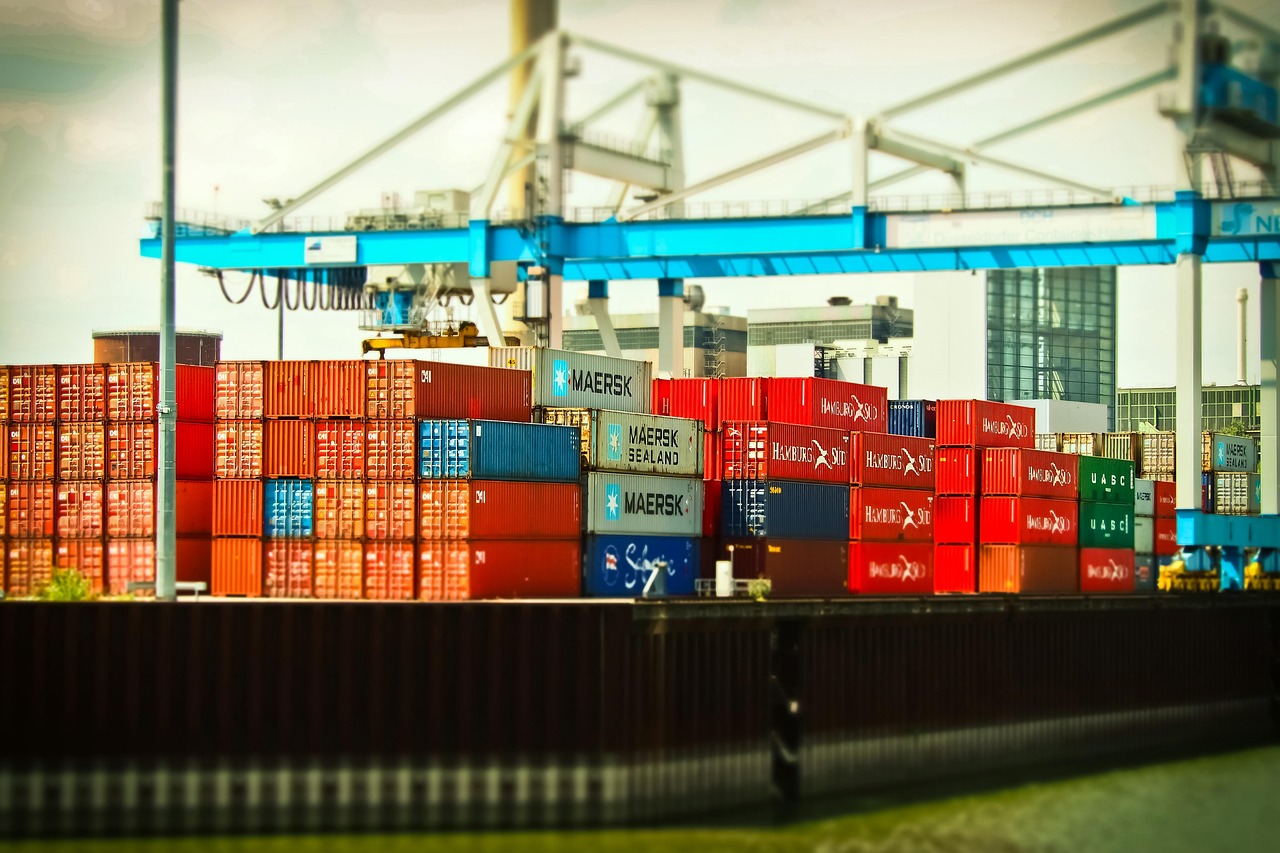
What warehouse material handling equipment includes
The phrase warehouse material handling equipment is broad because warehouse work is not a single activity. It covers receiving, putaway, reserve storage, replenishment, picking, packing, sorting, shipping, returns, and sometimes light assembly. Each step may require a different equipment category.
At a high level, equipment can be grouped into storage systems, transport equipment, lifting equipment, dock equipment, picking aids, conveyor and sortation systems, automated storage and retrieval systems, mobile robots, identification technology, and the control software that connects physical assets. For related industrial equipment topics, see the production equipment section.
| Equipment category | Common examples | Best fit | Key watch point |
|---|---|---|---|
| Storage systems | Pallet rack, shelving, carton flow, cantilever rack, mezzanines | Holding inventory safely and making fast-moving goods accessible | Load capacity, rack damage, fire protection, seismic and building code requirements |
| Manual and powered transport | Hand trucks, carts, pallet jacks, walkie stackers, forklifts, reach trucks | Flexible movement between docks, aisles, workstations, and storage zones | Traffic separation, operator training, battery or fuel management, floor conditions |
| Conveying and sortation | Roller conveyor, belt conveyor, accumulation conveyor, sorters | Repeatable movement of cartons, totes, parcels, or cases | Jam recovery, guarding, maintenance access, upstream and downstream balance |
| Automation | AS/RS, shuttles, AGVs, AMRs, robotic palletizing or depalletizing | High-volume, repeatable flows with measurable labor, speed, space, or accuracy constraints | Integration, change management, exception handling, safety risk assessment |
| Information and control | Barcode, RFID, WMS, WES, PLC controls, sensors, dashboards | Synchronizing inventory, labor, equipment, and order priorities | Data accuracy, wireless coverage, cybersecurity, system ownership |
Start with the work, not the catalog
Many equipment projects run into trouble because the specification starts with a product list instead of a process map. Before comparing brands, capacities, or automation concepts, document the actual warehouse flow. Count touches per order, identify congestion points, record dwell time at docks, and separate average demand from peak demand.
The best equipment for a slow-moving pallet reserve area may be the wrong choice for a high-velocity each-pick operation. The same is true in reverse: equipment designed for rapid carton movement can become expensive clutter if the process does not have the volume or consistency to use it.
Load profile and unitization
Collect the dimensions, weight ranges, packaging strength, pallet types, center of gravity, stacking limits, and damage sensitivity of the items being handled. A warehouse that moves uniform pallet loads can usually specify equipment more directly than a facility handling mixed cartons, drums, long goods, fragile components, and returns.
Load data affects more than rated capacity. It influences rack design, fork length, clamp attachments, conveyor bed width, robot payload, lift-table selection, and ergonomic lift-assist needs.
Building limits and traffic patterns
Equipment must fit the building, not just the load. Clear height, slab condition, column spacing, dock configuration, door width, turning radius, trailer interface, lighting, sprinkler layout, charging rooms, and pedestrian routes can all limit what is practical.
Narrow-aisle trucks may increase storage density, but they require compatible aisle layouts and disciplined traffic control. Conveyors can reduce walking, but they also create fixed paths that may restrict future layout changes.
Throughput and variability
Throughput should be measured by process and time window, not only by daily totals. A facility may average a manageable order volume but still overload packing, staging, or dock doors during a two-hour shipping wave.
That distinction matters. The right answer may be better staging equipment, carton flow, labor scheduling, or WMS rules rather than a large automation investment.
Compare manual, powered, and automated options realistically
Manual equipment remains useful where volumes are low, travel distances are short, items are irregular, or layouts change often. Carts, hand trucks, lift tables, and gravity flow solutions can reduce strain and improve organization without major integration work.
Powered equipment such as forklifts, reach trucks, order pickers, tow tractors, and powered pallet trucks adds capacity and speed. It also brings operator training, maintenance, inspection, traffic management, and energy requirements. Those operating requirements should be part of the comparison, not handled after purchase.
Automation should be evaluated when the work is repeatable enough to define, expensive enough to improve, and stable enough to engineer around. Automated storage and retrieval systems can improve vertical space use and inventory control. Conveyors and sorters can create predictable carton flow. Autonomous mobile robots can reduce walking and provide flexible routing. Robotic palletizing can support repetitive end-of-line work.
None of these systems removes the need for process discipline. In many cases, automation makes weak master data, poor slotting, and unclear exception handling more visible.
MHI, the material handling and supply chain association, and Deloitte released the 2026 MHI Annual Industry Report during MODEX on April 15, 2026. The report, based on responses gathered in December 2025 from more than 500 supply chain leaders, indicates that many organizations are moving from isolated pilots toward integrated operating models. MHI Solutions summarized several reported findings, including that 56% of organizations planned to increase supply chain innovation spending, 52% expected to spend more than $1 million, AI was expected to reach 88% adoption within five years, and robotics and automation were expected to reach 73% adoption within five years.
Those numbers do not mean every warehouse should automate immediately. They do show that equipment decisions increasingly need to account for software, data, labor, and scalability together.
Safety and compliance should shape the specification
Safety is not only a training issue after equipment arrives. It should influence the layout, product selection, controls, traffic plan, and maintenance program from the beginning. OSHA identifies powered industrial trucks, ergonomics, material handling, hazardous chemicals, slips and falls, and robotics as important warehousing hazards. OSHA also states that common warehousing injuries include musculoskeletal disorders, often linked to overexertion in lifting and lowering, and struck-by incidents involving powered industrial trucks and other material handling equipment.
The risk is measurable. The U.S. Bureau of Labor Statistics reported a 2024 total recordable case rate of 4.8 per 100 full-time workers for the warehousing and storage industry, higher than the 2.3 rate reported for private industry overall. OSHA’s updated National Emphasis Program on Warehousing and Distribution Center Operations began inspections on July 31, 2026, making documented hazard control especially important for U.S. operators. See also: automation systems.
Powered industrial trucks require particular attention. OSHA standard 29 CFR 1910.178 covers design, approval, operation, maintenance, and operator training requirements for powered industrial trucks. NIOSH guidance on daily powered industrial truck inspection explains that vehicles should be inspected before being placed in service, or after each shift when used around the clock, consistent with OSHA requirements.
In practical terms, a forklift specification should consider operator visibility, load backrest needs, attachment approval, braking, battery or fuel systems, warning devices, inspection access, and the traffic environment.
Storage systems also need a standards-based approach. The Rack Manufacturers Institute identifies ANSI MH16.1 as the standard for the design, testing, and utilization of industrial steel storage rack systems. Facilities using industrial mobile robots should also be aware of the ANSI/A3 R15.08 series, which addresses safety requirements for industrial mobile robots, systems, applications, and use.
The exact standard and legal obligation depend on the jurisdiction, application, and equipment type, so buyers should verify requirements with qualified safety, engineering, and compliance professionals.
- Separate pedestrians and powered equipment wherever practical.
- Confirm rated loads for racks, trucks, attachments, lifts, conveyors, and mezzanines.
- Plan safe clearances at aisles, doorways, docks, intersections, and charging areas.
- Define inspection, lockout, maintenance, and out-of-service procedures before startup.
- Include ergonomic controls for lifting, lowering, pushing, pulling, reaching, and repetition.
- Train operators on the equipment type and the actual workplace conditions.
Integration matters more than isolated performance
A warehouse can buy capable equipment and still underperform if the assets do not fit the work system. A fast conveyor does not help if packing stations cannot absorb the flow. A robot fleet does not help if inventory locations are inaccurate. A reach truck may be efficient in storage but inefficient overall if replenishment rules create unnecessary travel.
Integration starts with operational ownership. Decide whether the warehouse management system, warehouse execution system, fleet manager, programmable logic controller, or manual supervisor controls task release and priority.
Exception handling also needs to be defined. What happens when a carton is unreadable, a robot path is blocked, a forklift is down, a pallet is overweight, or a dock appointment changes? These details often determine whether equipment performs well under real operating conditions.
Data collection should be included in the specification. Useful metrics include travel time, touches per unit, picks per labor hour, dock-to-stock time, order cycle time, equipment utilization, congestion incidents, damage rate, near-miss reports, battery performance, and maintenance downtime. These measurements help show whether the equipment is improving the process or simply moving the bottleneck.
A practical selection checklist
Before issuing a request for quotation, create a short, evidence-based equipment brief. It should describe the facility, loads, volumes, constraints, safety requirements, integration needs, and success metrics. This reduces the chance of comparing proposals that solve different problems.
- Define the job to be done. Is the goal to reduce travel, increase storage density, improve picking accuracy, remove manual lifting, accelerate shipping, or control damage?
- Map current and future flows. Include receiving, putaway, replenishment, picking, packing, shipping, returns, waste handling, and maintenance access.
- Quantify loads and peaks. Record dimensions, weights, units per hour, lines per order, peak windows, SKU velocity, and seasonal variation.
- Check facility constraints. Confirm slab, clear height, column grid, dock geometry, power, network coverage, fire protection, and traffic routes.
- Screen safety requirements. Identify applicable OSHA rules, consensus standards, local building codes, training needs, and emergency procedures.
- Model life-cycle cost. Include purchase price, installation, downtime, training, energy, maintenance, spare parts, software, support, and future modifications.
- Pilot when uncertainty is high. Use measured trials for AMRs, new picking methods, unusual attachments, ergonomic aids, or layout changes.
- Plan change management. Operators, maintenance teams, supervisors, IT, safety, and engineering should understand how the new process will work.
Common mistakes to avoid
The most common mistake is buying for rated capacity alone. A forklift with enough lift capacity may still be wrong if visibility, aisle width, attachment effects, battery life, or the operator environment are ignored. A rack system with sufficient beam rating may still create risk if impact protection, load placement, seismic design, or inspection routines are weak.
Another mistake is treating automation as a substitute for process design. Automation amplifies rules. If slotting is poor, master data is incomplete, packaging varies unpredictably, or exception handling is informal, the automated system will need workarounds. A stronger sequence is to stabilize the process, identify repeatable flows, then automate the portions with clear payback and manageable risk.
A third mistake is underestimating maintenance and support. Conveyors need inspection and guarding. Forklifts need preventive maintenance and daily checks. Batteries and chargers need safe locations and procedures. Robots need maps, updates, sensors, and floor discipline. Racking needs inspection after impacts and after layout changes. Maintenance access should be designed into the layout rather than added after problems appear.
Frequently asked questions
What is the difference between warehouse equipment and material handling equipment?
Warehouse equipment can include almost anything used in a warehouse, from dock doors to packaging benches. Material handling equipment is the subset focused on moving, storing, lifting, controlling, and protecting goods. In practice, the terms often overlap because storage, movement, picking, and staging are central warehouse functions.
When should a warehouse consider automation?
Automation is worth evaluating when a process has repeatable volume, measurable labor or space constraints, safety exposure, accuracy problems, or service-level pressure that manual methods cannot reliably solve. It should not be selected only because it is popular. The business case should compare the automated option with simpler changes such as slotting, layout redesign, lift assists, better carts, improved replenishment rules, or upgraded scanning.
Are AMRs safer than forklifts?
AMRs can reduce certain risks, especially repetitive walking and some forms of powered truck traffic, but they create their own safety requirements. The result depends on the operating environment, speed, payload, attachments, pedestrian interaction, route design, sensors, integration, and risk assessment. A facility should not assume any mobile system is safe without validating the application.
How often should forklifts be inspected?
NIOSH guidance tied to OSHA powered industrial truck requirements explains that a powered industrial truck should be inspected before being placed in service, or after each shift if it is used continuously around the clock. Operators also need adequate training to conduct inspections properly and to remove unsafe equipment from service.
Which warehouse material handling equipment usually has the fastest payback?
There is no universal answer. Low-cost equipment such as lift tables, carts, pallet flow, label scanning improvements, and slotting changes can pay back quickly when they remove obvious waste or ergonomic strain. Larger systems such as conveyors, AS/RS, and robots may deliver stronger long-term value when they solve high-volume, repeatable bottlenecks, but they require a more rigorous life-cycle cost analysis.