Pressure washing equipment selection guide for industrial facilities
What pressure washing equipment has to deliver on an industrial site
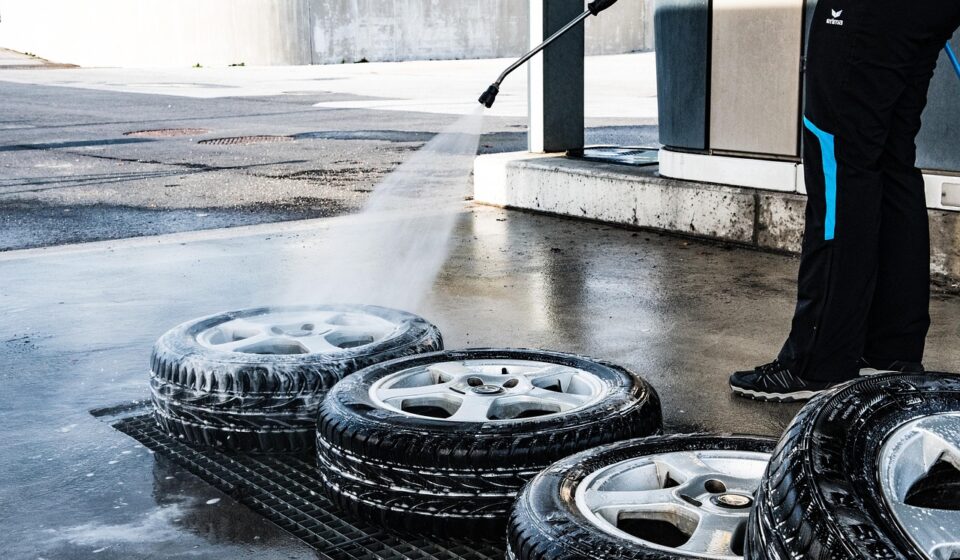
Industrial buyers should select pressure washing equipment by matching pressure, flow, heat, power source, water recovery and safety controls to the surface and soil being cleaned. The highest psi number on a brochure is not a complete specification. CDC public safety guidance describes a pressure washer as a high-pressure power tool used on buildings, farm equipment, roads and other durable surfaces. OSHA and EPA guidance also make clear that worker protection and wastewater control are part of the equipment decision, not separate afterthoughts.
For readers comparing production equipment, the practical purchase is a full cleaning system: pump, motor or engine, hose, trigger gun, nozzles, heater if needed, filtration, containment, personal protective equipment and a maintenance plan.

Facility managers, contractors and procurement teams usually need to answer three practical questions: what to buy, which specifications matter and what risks must be checked before the machine arrives on site. A unit that works well on a concrete loading bay may be unsuitable for painted metal cladding, food-adjacent areas, electrical rooms or indoor maintenance bays. The sections below focus on verifiable selection factors rather than brand rankings or unsupported performance claims.
Match pressure, flow and nozzle setup to the cleaning task
Pressure and flow are the two headline specifications, but they do different jobs. Pressure, expressed in psi in the U.S. market, describes the force concentrated at the spray point. Flow, expressed in gallons per minute, describes how much water is available to carry loosened soil away. A machine with high pressure but low flow may cut aggressively yet rinse slowly. A machine with moderate pressure and higher flow may be more productive on large dirty areas because it moves more water across the surface.
For industrial cleaning, start by listing the surfaces and contaminants before choosing a pump size. Hardened mud on construction equipment, oily residue on a maintenance pad, biological growth on exterior concrete, dust on warehouse doors and residue on transport equipment do not call for the same spray energy. The machine should be strong enough to clean efficiently but controllable enough to avoid etching concrete, driving water behind seals, stripping coatings or forcing contamination into bearings and electrical components.
Why rated psi and gpm should be read together
CETA and PWMA rating discussions are useful because they draw attention to tested pressure and water-flow claims rather than advertising language alone. Public information on CETA CPC 100 and PWMA PW101 describes rating approaches that pair pressure and flow. That matters because a pressure washer is not simply a pump that reaches a peak number for a moment; it must deliver usable pressure and water volume through a nozzle while operating under load.
When comparing units, ask whether the stated pressure and flow are maximum ratings, operating ratings or ratings determined under an industry method. Also confirm whether the figure applies with the supplied nozzle, a recommended production nozzle or a test setup. Two machines with similar psi labels can behave differently if one maintains higher water flow, has a better unloader, uses a longer hose with more pressure loss or ships with a nozzle that changes real working pressure.
Nozzle choice changes risk as much as cleaning power
Nozzles control how pressure is delivered. A narrow spray concentrates force and increases the chance of surface damage or injury. A wider spray spreads energy over a larger area and is often more forgiving for painted, coated or softer materials. Rotating and surface-cleaner attachments can improve productivity on flat areas, but they must be rated for the machine’s maximum pressure, flow and temperature. A mismatch between pump output and accessory rating is a procurement failure, not a minor operator detail.
A complete specification package should include the machine rating, nozzle sizes, hose diameter and length, trigger-gun rating, quick-coupler rating, surface-cleaner rating and maximum water temperature. If procurement buys these items from different vendors, the facility should still treat them as one pressure-rated system.
Decide whether cold water, hot water or steam-capable equipment is justified
Cold-water pressure washing equipment is often sufficient for mud, dust, loose debris and many exterior surfaces. It is simpler, usually lighter and avoids burner maintenance. Hot-water systems add cost, fuel handling, ventilation considerations and more components, but heat can be valuable where oil, grease, waxy residue or heavy industrial grime must be softened before removal. Steam-capable or high-temperature systems may be used for specialized sanitation or degreasing tasks, but they require closer attention to burns, chemical compatibility, pressure ratings and surface tolerance.
The decision should be based on contaminant chemistry, not habit. If detergent dwell time and moderate pressure remove the soil, a hot-water unit may not justify its higher purchase and service cost. If crews repeatedly compensate for cold water by overusing pressure, detergent or labor, heat may reduce total cleaning time and surface damage risk. This is especially relevant in maintenance yards, transport fleets, food support zones, machinery cleaning areas and operations where oily films are common.
For facilities with mixed cleaning needs, a practical approach is to classify work into three groups: routine rinsing, periodic heavy cleaning and controlled washdown of oily or regulated areas. Routine rinsing may use smaller cold-water units. Heavy cleaning may justify higher flow or heat. Regulated areas should be designed around containment and disposal first, with pressure washer selection following the wastewater plan.
Choose the right power source and equipment format
Pressure washing equipment is commonly powered by electric motors, gasoline engines or diesel engines. Electric units are often preferred where exhaust is unacceptable, noise must be reduced or indoor-adjacent work is frequent. They still require careful electrical protection, proper grounding, wet-location-rated components and inspection after any breaker trip or cord damage. CDC guidance on pressure washer safety identifies electrical shock as a recognized hazard when equipment is not used correctly.
Gasoline and diesel units provide mobility and higher output options, but they introduce carbon monoxide and fuel-handling risks. CDC and NIOSH materials warn against using gasoline-powered pressure washers indoors or in partially enclosed spaces because carbon monoxide can accumulate rapidly and may not be visible or smelled. The safer planning assumption is simple: if the engine burns fuel, keep the engine outdoors, away from doors, windows, vents and air intakes, and run only the pressure line to the work area when that arrangement is allowed by the equipment manufacturer and site rules.
Portable, trailer-mounted and stationary systems
Portable cart units fit smaller maintenance tasks and distributed facilities where crews need to move between bays. Trailer-mounted systems suit construction, fleet, municipal and exterior industrial work where water tanks, hose reels, recovery tools and chemical storage must travel together. Stationary systems make sense in dedicated wash bays, manufacturing support areas or fleet depots where operators need repeatable performance, fixed drainage and controlled wastewater routing.
Mobility should not be confused with flexibility. A mobile contractor rig that works well outdoors may be a poor choice inside a plant. A stationary wash bay may cost more at the start, but it can simplify training, wastewater capture, storage, winterization and preventive maintenance. The correct format depends on where cleaning occurs, how often it occurs and who controls the surrounding drainage and ventilation.
Build the purchase around safety requirements
Pressure washing injuries can be deceptive. CDC guidance states that strong spray can cause serious wounds that initially appear minor, increasing the risk that treatment is delayed. That risk should influence the specification. Trigger guns should return safely when released, hoses should be protected from abrasion and traffic, nozzles should be controlled, and operators should be trained never to point the spray at themselves or others. See also: automation systems.
OSHA PPE guidance is not a pressure-washer shopping list, but it establishes the basic workplace principle: employers must assess hazards and select protective equipment suited to the task. For pressure washing, that assessment commonly considers eye and face protection, waterproof and cut-resistant gloves where appropriate, protective footwear, hearing protection near loud engines or pumps, chemical-resistant clothing when detergents or corrosive cleaners are used, and respiratory protection when the safety data sheet or exposure assessment requires it. A face shield alone should not be treated as full eye protection where impact or splash hazards exist.
Electrical and compliance checks should be documented
Electric pressure washers deserve special attention because water, wet surfaces and long cords increase the consequences of poor design or misuse. UL 1776 is an active safety standard covering high-pressure cleaning machines, and public CPSC materials in 2026 show that shock, electrocution and carbon monoxide hazards remain enforcement topics for pressure washers. That does not mean every unit on the market is unsafe, but it does mean procurement should verify certification marks, manuals, cord and plug configuration, ground-fault protection requirements and the seller’s traceability.
For industrial purchasing, documentation is part of the product. Keep manuals, parts diagrams, rating labels, maintenance records, inspection forms and training records with the asset file. If a pressure washer is rented, borrowed or transferred between departments, the same documentation should travel with it. Many serious incidents begin when users operate unfamiliar equipment without the manual, the right nozzle or clear operating limits.
Plan wastewater control before cleaning starts
Wastewater is one of the most overlooked parts of pressure washing equipment selection. EPA stormwater best management practice materials for vehicle and equipment washing emphasize the importance of controlling wash water, using designated areas and preventing pollutants from reaching storm drains or receiving waters. Requirements vary by site, municipality, discharge point, contaminant and permit status, so a procurement team should not assume that outdoor runoff is acceptable simply because the cleaning uses water.
The practical equipment question is whether the site needs berms, drain covers, sump pumps, vacuum recovery, filtration, oil-water separation, solids handling or sanitary sewer coordination. A pressure washer used on clean exterior walls may generate very different wastewater from one used on greasy equipment, painted surfaces, fuel areas, marinas or heavy machinery. Detergents, oils, metals, paint particles and sediment can change disposal obligations.
Before buying equipment, map the work area. Identify storm drains, floor drains, slopes, nearby soil, water bodies, sanitary sewer connections and any existing wash bay infrastructure. Then decide whether cleaning will be done in a permanent bay, a temporary contained area or a mobile setup with recovery. EPA BMP materials also point to practical steps such as minimizing soaps when possible and using controlled wash areas where wastes can be captured for proper disposal. The pressure washer should support that plan rather than create more runoff than the site can manage.
Maintenance and lifecycle cost matter more than purchase price
Industrial pressure washing equipment works in harsh conditions: vibration, water, detergent, grit, heat, freezing temperatures and operator turnover. A low purchase price can disappear quickly if pumps fail, hoses burst, burner coils scale, fittings leak or crews lose time waiting for parts. The maintenance plan should be reviewed before the purchase order is issued.
Key questions include whether pump oil is easy to check and change, whether inlet filters are accessible, whether belts and seals are standard parts, whether the burner can be serviced locally, whether winterization is required, and whether the hose and gun can be replaced without proprietary delays. Facilities using hard water should consider scaling risk in hot-water coils. Operations using detergents should confirm chemical compatibility with seals, hoses and downstream injectors.
Water supply is another lifecycle issue. A high-flow unit can underperform if the building supply cannot feed it consistently. As a simple planning estimate, a 4 gpm machine can use up to 240 gallons in one hour of continuous trigger time, while an 8 gpm machine can use up to 480 gallons. Actual use will vary with trigger time, setup and process discipline, but the calculation shows why water supply, storage tanks and drainage capacity should be checked early.
Specification checklist for industrial pressure washing equipment
| Decision point | What to specify | Why it matters |
|---|---|---|
| Cleaning task | Surface material, soil type, cleaning frequency and damage limits | Prevents oversizing pressure or choosing the wrong nozzle |
| Performance rating | Rated psi and gpm together, plus rating method if available | Improves comparison between vendors and avoids peak-number marketing |
| Water temperature | Cold water, hot water or steam-capable operation | Aligns cleaning energy with oils, grease, mud or general rinsing |
| Power source | Electric, gasoline or diesel, with site ventilation and electrical limits | Controls carbon monoxide, shock, fuel and mobility risks |
| Accessories | Hoses, nozzles, reels, guns and surface cleaners rated for the system | Maintains pressure integrity and operator control |
| Wastewater control | Containment, recovery, filtration and approved discharge route | Reduces stormwater and permit risk |
| Maintenance | Parts availability, service intervals, winterization and training | Protects uptime and total cost of ownership |
The strongest buying decision is usually not the largest machine. It is the machine that cleans the target surfaces within acceptable time, supports safe operation, fits the site’s water and power infrastructure, and does not create uncontrolled wastewater. A short pilot test on a representative surface can be more useful than a long specification sheet, provided the test also checks runoff, noise, operator handling and post-cleaning surface condition.
Frequently asked questions
Is psi more important than gpm for pressure washing equipment?
Neither should be evaluated alone. Psi affects the force at the surface, while gpm affects rinsing and soil removal volume. Industrial buyers should compare the paired rating and then match that combination to the task, nozzle and water supply.
Can pressure washing wastewater go into a storm drain?
Do not assume it can. EPA stormwater BMP materials emphasize controlling vehicle and equipment wash water and preventing pollutants from reaching storm drains. Local rules, permits, contaminants and discharge points determine what is allowed, so facilities should confirm requirements before washing begins.
Is hot-water pressure washing equipment always better?
No. Hot water can improve cleaning of grease and oily residues, but it adds fuel use, burner maintenance, heat hazards and ventilation considerations. Cold water may be adequate for dust, mud and many exterior rinsing tasks.
Can gasoline-powered pressure washers be used indoors?
Gasoline-powered units should not be used indoors or in partially enclosed spaces. CDC and NIOSH guidance warn that carbon monoxide from small gasoline engines can build up quickly and may be fatal. Use equipment designed for the location, and keep fuel-burning engines outside and away from openings and air intakes.