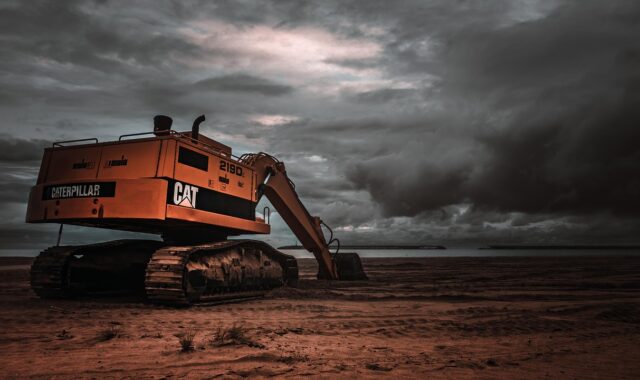
Heavy construction equipment trends shaping fleet decisions in 2026
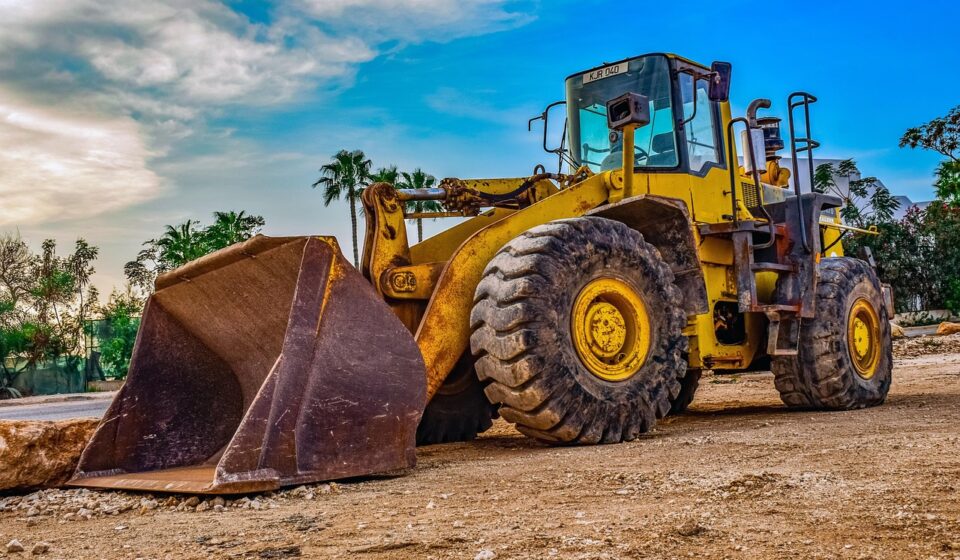
What heavy construction equipment buyers need to know now
Heavy construction equipment decisions in 2026 are less about picking the largest machine available and more about matching capacity, utilization, compliance, data, and safety to the work in front of the fleet. Excavators, wheel loaders, dozers, graders, cranes, compactors, articulated trucks, and large telehandlers remain central to civil, industrial, energy, mining, and public works sites. The harder question is how to source them: own the machine, rent it, buy used, specify more connected technology, or wait for a cleaner powertrain option.
For many contractors and industrial fleet managers, the practical answer is a mixed strategy. Public infrastructure programs and private industrial projects continue to support equipment demand, but high financing costs, uneven backlogs, emissions requirements, labor constraints, and safety exposure make overbuying risky. A more resilient fleet combines owned core machines with rental capacity, selective used-equipment purchases, telematics-based utilization tracking, and clear rules for operator safety and maintenance.
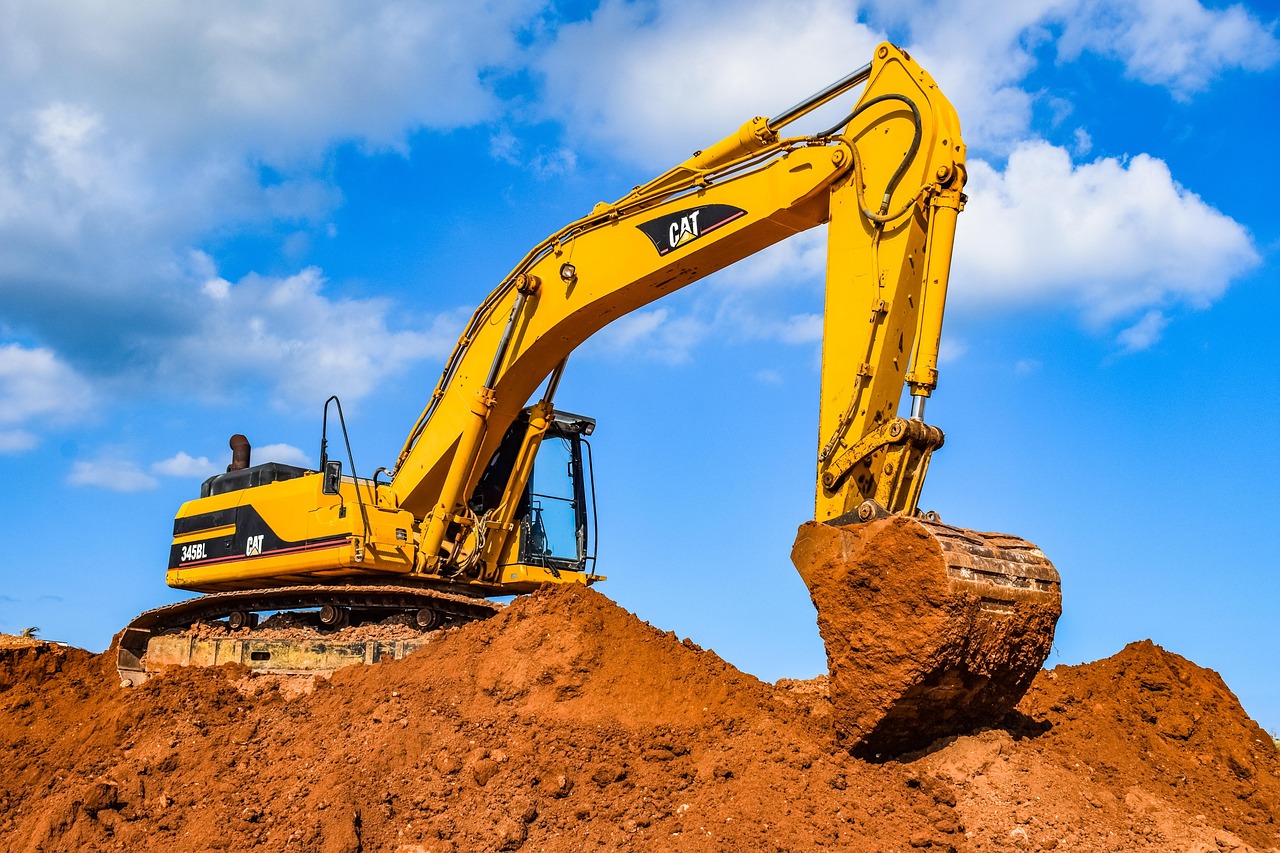
Demand is supported, but not evenly across every equipment class
Demand for heavy construction equipment starts with the type of work being built. Road, bridge, utility, data center, energy, port, airport, water, and industrial projects all use heavy machines, but not in the same mix or at the same point in the schedule. A road contractor may need graders, pavers, rollers, milling machines, dozers, and haul trucks. A vertical industrial project may depend more on cranes, telehandlers, concrete equipment, excavators, forklifts, and temporary power. A utility corridor may require trenchers, compact excavators, crawler excavators, vacuum excavation units, and compactors.
For the U.S. market, the U.S. Census Bureau’s Value of Construction Put in Place survey remains a useful demand indicator because it tracks the monthly value of construction work performed on new structures and improvements. It is not a direct measure of equipment sales, but it helps fleet planners see where construction spending is moving and whether public or private work is carrying more of the load.
Infrastructure policy also affects fleet planning. The Infrastructure Investment and Jobs Act was enacted on November 15, 2021, and funded many transportation, bridge, water, broadband, energy, and resilience programs through the middle of the decade. For heavy equipment fleets, that does not mean automatic growth in every region. It means a longer pipeline of public works bidding, with demand still shaped by state lettings, permitting, labor availability, material costs, and project timing.
| Demand signal | Likely equipment impact | Planning caution |
|---|---|---|
| Public road and bridge work | Higher need for dozers, graders, rollers, excavators, milling and paving support | Project awards can be delayed by permitting, funding cycles, and local bid timing |
| Industrial and data center construction | More demand for cranes, telehandlers, earthmoving, concrete, power, and material handling equipment | Site schedules may change quickly when utility connections or owner financing shift |
| Water, sewer, and utility upgrades | Strong use of excavators, trench support, compactors, pumps, and vacuum equipment | Safety planning is critical around trenches, traffic, and underground utilities |
| Mining, aggregates, and energy work | Greater use of large loaders, haul trucks, drills, dozers, and service trucks | Machine wear, tire cost, fuel use, and downtime can dominate ownership cost |
Rental, used equipment, and ownership are becoming one fleet strategy
The old divide between “owned fleet” and “rental fleet” is becoming less useful. Many contractors still own the machines that work nearly every week, such as core excavators, loaders, dozers, compactors, and support trucks. Rental becomes more attractive for peak demand, specialty equipment, short project phases, remote work, or machines with uncertain utilization.
EquipmentWatch’s 2025 State of the Construction Equipment Economy report indicated that 72% of surveyed contractors had rented equipment in the prior 12 months, while 71% of equipment owners also rented during the year. The same report noted that 27% planned to purchase more used equipment, with cost savings and immediate availability among the drivers. Those figures point to a practical trend: ownership, rental, and used purchases are being blended rather than treated as separate fleet philosophies.
That blend is especially relevant for heavy construction equipment because the cost of a wrong decision is high. A crane, excavator, large loader, or articulated dump truck that sits idle still carries depreciation, insurance, storage, financing, maintenance, and transport costs. At the same time, relying too heavily on rental can expose a project to availability risk, especially during peak regional construction periods.
When ownership makes more sense
- The machine is used consistently across multiple projects.
- Operators are trained on that specific model and attachment setup.
- Maintenance staff can support the engine, hydraulics, undercarriage, electronics, and aftertreatment system.
- Transport distances and mobilization costs are predictable.
- The resale market for that equipment class is stable enough to support lifecycle planning.
When rental may reduce risk
- The job requires a specialized machine for a short phase.
- Project timing is uncertain or dependent on owner approvals.
- The contractor wants to test a newer model, grade control package, or electric machine before purchase.
- Working conditions may create unusual wear that the company does not want in its core fleet.
- The machine is needed in a region where transport from the home yard would be expensive.
Technology is moving from add-on feature to operating requirement
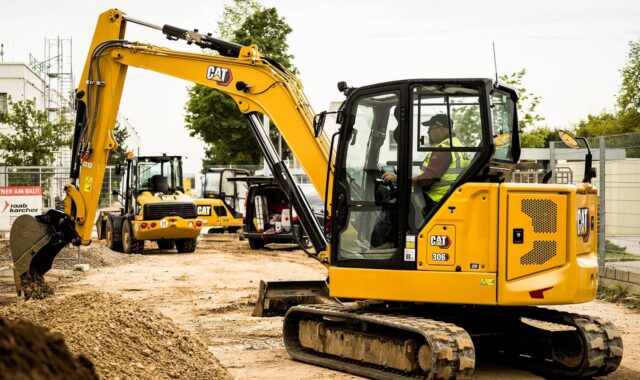
Telematics, machine control, digital project delivery, and remote diagnostics are no longer limited to the largest contractors. They are becoming part of routine fleet control because they answer basic operating questions: where the machine is, how many hours it worked, how much fuel it burned, when service is due, and whether it is being used productively.
The Federal Highway Administration’s Advanced Digital Construction Management Systems program, created under the Infrastructure Investment and Jobs Act, was designed to promote digital systems for construction and engineering activities. The program set contract authority of $20 million per fiscal year from 2022 through 2026. In equipment terms, this matters because public agencies are showing more interest in digital records, electronic inspection, connected workflows, and better documentation of construction progress.
For heavy non-road machines, the most valuable technologies are often practical rather than flashy. Grade control can reduce rework on earthmoving and roadbuilding jobs. Payload systems can help loaders and haul trucks avoid underloading or overloading. Idle-time monitoring can reduce fuel waste. Remote diagnostics can help a service team review fault codes before sending a technician. Geofencing can support site security and utilization control.
The main limitation is integration. A mixed fleet may include machines from several manufacturers, rental units with different systems, and older equipment with little or no built-in connectivity. Fleet managers should therefore avoid buying technology only for the dashboard. The better question is whether the data changes daily decisions around dispatch, maintenance scheduling, operator coaching, fuel management, theft prevention, billing, or project reporting.
Emissions rules and powertrain choices require realistic planning
Diesel remains the dominant power source for heavy construction equipment because it offers high energy density, fast refueling, and proven performance in remote, long-shift, high-load applications. At the same time, emissions requirements have changed engines and maintenance practices. The U.S. Environmental Protection Agency regulates nonroad compression-ignition engines used in equipment such as excavators, construction machines, agricultural tractors, forklifts, pumps, and compressors. EPA Tier 4 standards, adopted through a 2004 final rule and phased in over later years, pushed manufacturers toward advanced emissions control technologies.
For owners, the operational issue is not simply whether a machine is compliant. It is whether the fleet can maintain aftertreatment systems properly. Diesel particulate filters, selective catalytic reduction systems, diesel exhaust fluid, sensors, regeneration cycles, and fault-code procedures all need attention. Poor maintenance can cause downtime that is more expensive than the scheduled service the fleet tried to avoid.
Electric and hybrid machines are gaining attention, especially for compact equipment, indoor or low-noise work, municipal projects, and sites with emissions restrictions. The heavier the equipment and the longer the duty cycle, the more difficult electrification becomes. Charging power, battery size, shift length, ambient temperature, haul distance, and backup plans all matter. For a large excavator, wheel loader, or haul truck, the question is not only whether an electric version exists. It is whether the site can support it without reducing productivity. See also: automation systems.
A practical 2026 specification should compare diesel, hybrid, and electric options by duty cycle rather than by trend. A low-hour municipal loader may be a better early electric candidate than a high-hour quarry loader. A compact excavator working near occupied buildings may justify a battery-electric option sooner than a crawler dozer on a remote earthmoving site.
Safety exposure should influence equipment selection
Heavy equipment is productive because it concentrates force, mass, reach, and motion. Those same characteristics create serious safety exposure. CPWR’s construction safety data identifies the “Focus Four” fatal injury groups as falls to lower level, electrocution, struck-by injuries, and caught-in or between injuries, together accounting for a large share of construction fatalities. Struck-by and caught-in or between categories are especially relevant when moving machines, backing vehicles, rotating upper structures, suspended loads, trench work, and maintenance activities are present.
Safety should be part of equipment selection, not only operator training after delivery. Visibility from the cab, camera systems, proximity alerts, backup alarms, lighting, access ladders, handrails, seat belts, rollover protection, attachment locking systems, and maintenance access can all affect risk. So can the size of the machine. Oversizing equipment for a tight site may reduce maneuvering space and increase blind spots, even if the machine has enough rated capacity on paper.
Good fleet planning also considers who will operate and maintain the machine. Labor shortages can put less experienced workers into equipment-intensive environments. A machine with consistent controls, clear displays, reliable diagnostics, and strong dealer support can reduce the burden on operators and mechanics. That does not replace training, but it can make safe work easier to repeat.
A practical checklist for specifying heavy construction equipment
Before buying or renting heavy construction equipment, fleet managers should define the job in measurable terms. The best specification starts with production requirements, not brand preference. How many cubic yards must be moved per day? What lift radius is required? What ground pressure is acceptable? How far will material be hauled? How often will the machine travel between sites? What attachments are needed? What emissions rules apply? Who will service it?
- Application: Match machine size and configuration to the actual work, including soil, grade, reach, lift, haul distance, and duty cycle.
- Utilization: Estimate annual hours honestly. Low utilization may support rental or used purchase; high utilization may justify new ownership.
- Total cost: Include financing, depreciation, fuel, DEF, tires, undercarriage, ground engaging tools, preventive maintenance, repairs, insurance, transport, and resale value.
- Technology: Specify telematics, grade control, payload monitoring, cameras, diagnostics, and software compatibility only when they improve decisions.
- Compliance: Confirm emissions requirements, jobsite rules, noise restrictions, and contract language before mobilization.
- Safety: Review visibility, access points, guarding, alarms, lighting, operator aids, and maintenance procedures.
- Support: Evaluate parts availability, dealer response, technician capability, rental backup, and warranty terms.
Readers comparing broader categories of machinery can also follow related updates in the production equipment section.
Frequently asked questions
What counts as heavy construction equipment?
Heavy construction equipment generally refers to large, powered machines used for earthmoving, lifting, grading, hauling, demolition, compaction, drilling, paving, and material handling. Common examples include excavators, bulldozers, wheel loaders, motor graders, cranes, articulated dump trucks, compactors, pavers, scrapers, and large telehandlers.
Is it better to rent or buy heavy construction equipment?
Buying is usually stronger for machines with high, predictable utilization across multiple jobs. Rental is often better for short-term needs, specialty equipment, uncertain schedules, or projects far from the owner’s main yard. Many contractors now use a blended model: own the core fleet, rent for peaks, and buy used when availability and price are favorable.
How important is telematics for heavy equipment?
Telematics is increasingly important because it helps track location, hours, fuel use, idle time, fault codes, utilization, and maintenance needs. Its value depends on action. If the data is used for dispatch, service planning, operator coaching, and cost control, it can improve fleet performance. If nobody reviews it, it becomes another unused subscription.
Will electric machines replace diesel heavy equipment soon?
Electric machines will expand in selected applications, especially compact equipment, urban sites, indoor work, and projects with noise or emissions limits. Diesel is likely to remain important for many high-load, long-shift, remote, and large earthmoving applications because of refueling speed, energy density, and established support infrastructure.
What is the biggest mistake in heavy equipment selection?
The biggest mistake is choosing a machine by rated capacity alone. A good decision also considers utilization, transport, ground conditions, attachments, operator skill, maintenance support, emissions compliance, safety visibility, technology compatibility, and resale value.