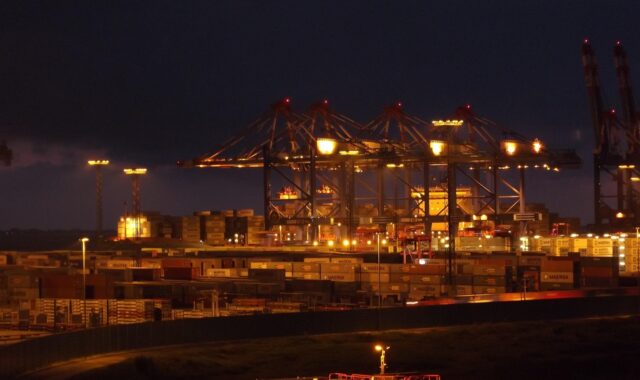
Material handling priorities for industrial warehouses and plants in 2026
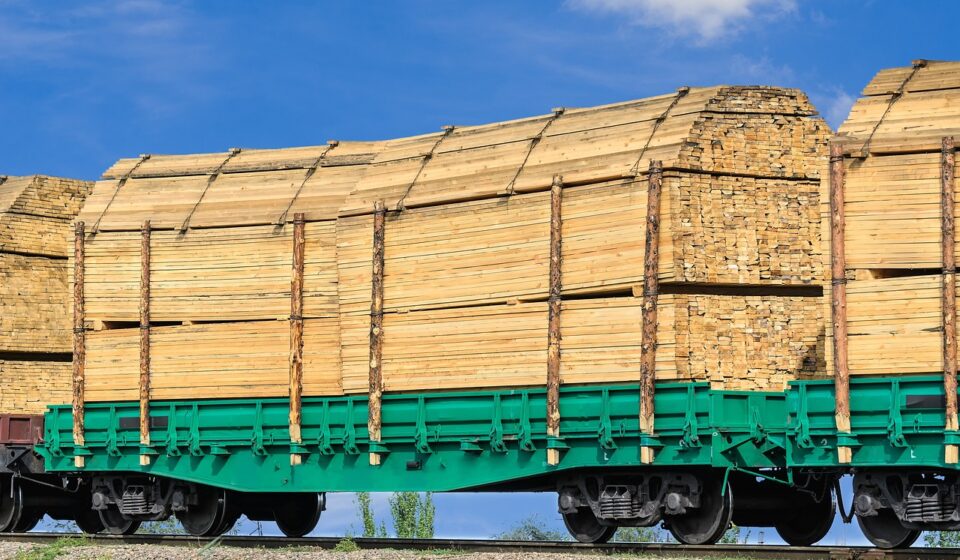
What material handling means in an industrial facility
Material handling is the planned movement, protection, storage and control of materials from receiving through production, storage, picking, packing and shipping. In 2026, the subject is no longer limited to forklifts, conveyors or racks. It also covers how people, equipment, software, data and safety controls work together to keep goods moving without adding avoidable risk, damage or delay.
For warehouses and industrial plants, the practical question is direct: how can each load move the shortest safe distance, at the right time, with the right equipment and the least rework? That makes material handling a design discipline as much as an operating task. A well-planned system reduces touches, protects workers, improves space use and gives managers better visibility into inventory flow.
The core activities behind material flow
Most material handling problems are not caused by a single machine. They usually come from weak connections between receiving, storage, replenishment, work-in-process movement and outbound shipping. A forklift may be fast, but it cannot correct poor slotting, blocked aisles or mismatched pallet sizes. A conveyor may raise throughput in one area, but it can also create a bottleneck if upstream scanning, packing or dock scheduling is not aligned.
Industrial teams should start by mapping the load path. Identify where materials arrive, how they are inspected, where they wait, how often they are moved, what equipment touches them and where errors or congestion occur. This often changes the improvement target from “more automation” to fewer handoffs, fewer empty trips, safer storage and better synchronization between functions.
| Activity | Typical equipment or method | What to evaluate |
|---|---|---|
| Receiving and unloading | Dock equipment, pallet jacks, forklifts, conveyors | Dock capacity, truck dwell time, inspection flow and staging space |
| Storage | Pallet racks, shelving, bins, mezzanines, AS/RS | Load capacity, SKU velocity, rack condition and accessibility |
| Internal transport | Forklifts, tuggers, carts, AGVs, AMRs, conveyors | Travel distance, traffic separation, utilization and battery or charging needs |
| Picking and replenishment | Pick carts, goods-to-person systems, lift assists, scanners | Accuracy, ergonomics, reach zones and replenishment timing |
| Shipping | Sortation, stretch wrapping, dock staging, lift trucks | Order sequencing, damage control, labeling and dock congestion |
Why safety is becoming a design requirement
Safety has always been part of material handling, but recent enforcement attention and faster warehouse operations have made it a front-end design issue. OSHA identifies powered industrial trucks, ergonomics, material handling, slips and trips, falls and robotics among key warehousing hazards. OSHA also notes that common warehousing injuries include musculoskeletal disorders linked to overexertion and struck-by incidents involving powered industrial trucks or other handling equipment.
In the United States, OSHA’s updated National Emphasis Program for Warehousing and Distribution Center Operations began inspections on July 31, 2026. This does not mean every facility faces the same compliance exposure, but it does make warehouse traffic, storage stability, ergonomics and powered industrial truck practices harder to treat as informal shop-floor habits.
Practical safety priorities include certified forklift operation, load stability, aisle clearance, dock-edge controls, pedestrian separation, rack inspection and disciplined battery charging or refueling procedures. OSHA guidance also emphasizes that forklifts should not exceed rated loads, unsafe equipment should be removed from service, and modifications that affect capacity or safe operation require proper manufacturer approval.
Manual handling deserves the same level of review. NIOSH’s Revised Lifting Equation is used to evaluate risk in two-handed manual lifting tasks. It considers factors such as object weight, hand location, vertical travel distance, twisting, frequency, duration, rest time and coupling quality. For facility design, the lesson is straightforward: the safest lift is often the one that has been reduced, assisted, repositioned or eliminated through better layout and equipment selection.
Automation is important, but integration decides the result
Automation is changing material handling, but not every facility needs the most complex system first. The 2026 MHI Annual Industry Report, produced with Deloitte and based on survey responses from more than 500 supply chain leaders, explains why companies are paying attention. The report says 56% of organizations plan to increase supply chain innovation spending, 52% expect to spend more than $1 million and 17% plan to invest more than $10 million.
The same report identifies artificial intelligence as the leading disruptive supply chain technology for the next decade, while robotics and automation rank second. It also reports that 73% of organizations expect to adopt robotics and automation within five years. For material handling teams, this matters because mobile robots, conveyors, automated storage systems, sensors and analytics can reshape how goods move through a building.
The main risk is buying technology before defining the operating problem. A mobile robot fleet may reduce walking and tugger traffic, but only if routes, charging, exception handling, floor conditions and system integration are ready. An AS/RS can improve density and inventory control, but it requires disciplined master data, maintenance capability and a realistic plan for peak demand. Vision systems and sensors can improve visibility, but poor barcode discipline or inconsistent packaging can still break the process.
A stronger approach is staged integration. Start with repeatable, high-volume flows where the business case can be measured. Define the current baseline, including labor hours, touches per order, travel distance, damage rate, near misses and service level. Then compare the automated option with process redesign, ergonomic aids, better slotting or traffic changes. In many facilities, the best early return comes from combining practical equipment changes with better data capture.
A practical framework for choosing material handling improvements
Before selecting equipment, evaluate the facility as a system. The following framework helps prevent isolated purchases that solve one bottleneck while creating another.
- Load characteristics: Record weight, size, shape, fragility, stackability, pallet quality and whether the load is hazardous, temperature controlled or irregular.
- Flow and frequency: Separate fast-moving, seasonal, slow-moving and work-in-process materials. Equipment that works for steady pallet movement may be inefficient for mixed-case picking.
- Space and layout: Check aisle width, turning radius, rack height, dock position, staging space, column spacing, floor condition and emergency access.
- Worker interface: Review lifting height, reach distance, repetition, visibility, training needs and pedestrian interaction with vehicles or robots.
- Control system needs: Determine whether warehouse management software, scanning, sensors, fleet management or maintenance data must connect to the equipment.
- Maintenance and resilience: Consider spare parts, technician skills, battery management, downtime procedures and manual fallback options.
- Compliance and standards: Confirm applicable OSHA requirements, manufacturer instructions and relevant consensus standards for forklifts, racks, conveyors or automated equipment.
This framework also applies to smaller operations. A plant does not need a fully automated warehouse to benefit from structured material handling analysis. Clear aisle markings, verified rack capacities, better storage rules, lift tables, pallet flow lanes and improved staging discipline can all produce measurable gains. See also: production equipment.
Common mistakes that create hidden cost
The first mistake is measuring equipment speed instead of total flow. A faster truck or conveyor section may look productive while orders still wait in staging, inspection or packing. Measure end-to-end time and touches, not only machine activity.
The second mistake is increasing storage density without considering access. Narrow aisles, high rack positions and deep storage can save space, but they may require different trucks, stronger traffic controls and stricter slotting rules. Density is valuable only when the facility can still replenish, pick and ship reliably.
The third mistake is treating safety controls as afterthoughts. Guarding, signage, floor maintenance, dock controls, rack protection and pedestrian routes should be part of the layout decision, not corrections added after incidents or inspections.
The fourth mistake is underestimating data quality. Automation depends on accurate item dimensions, locations, inventory status and order rules. If master data is unreliable, automated handling equipment may simply move bad information faster.
The fifth mistake is ignoring change management. Operators, maintenance staff, supervisors and safety teams need to understand why the new process exists and how exceptions should be handled. A system that depends on workarounds will not deliver stable performance.
Frequently asked questions
What is the main goal of material handling?
The main goal is to move, store and control materials safely and efficiently while reducing unnecessary touches, delays, damage and worker strain. In an industrial facility, effective material handling connects layout, equipment, labor, storage and information flow.
What equipment is most common in material handling?
Common equipment includes forklifts, pallet jacks, carts, tuggers, conveyors, hoists, lift tables, pallet racks, shelving, bins, automated guided vehicles, autonomous mobile robots and automated storage and retrieval systems. The right mix depends on load type, volume, layout, labor availability and safety requirements.
Is automation always the best solution?
No. Automation can improve throughput, consistency and visibility, but it works best when the process is stable and the problem is well defined. Some facilities should first improve slotting, aisle discipline, ergonomic assists, staging rules or data accuracy before investing in advanced automation.
How does material handling affect workplace safety?
Material handling affects lifting, pushing, pulling, vehicle movement, storage stability, visibility and dock activity. Poor design can increase musculoskeletal strain, struck-by risks, falling material hazards and congestion. Safer systems reduce manual effort, separate people from moving equipment and keep loads stable throughout the process.
What should managers review first in an existing facility?
Start with the highest-volume and highest-risk flows. Review receiving, storage, replenishment, picking and shipping routes; inspect rack condition and load practices; evaluate forklift and pedestrian interaction; and identify repetitive manual lifts. These areas usually reveal the clearest improvement opportunities.