Material handling parts guide for conveyors, forklifts and warehouse racks
Why material handling parts are more than replacement items
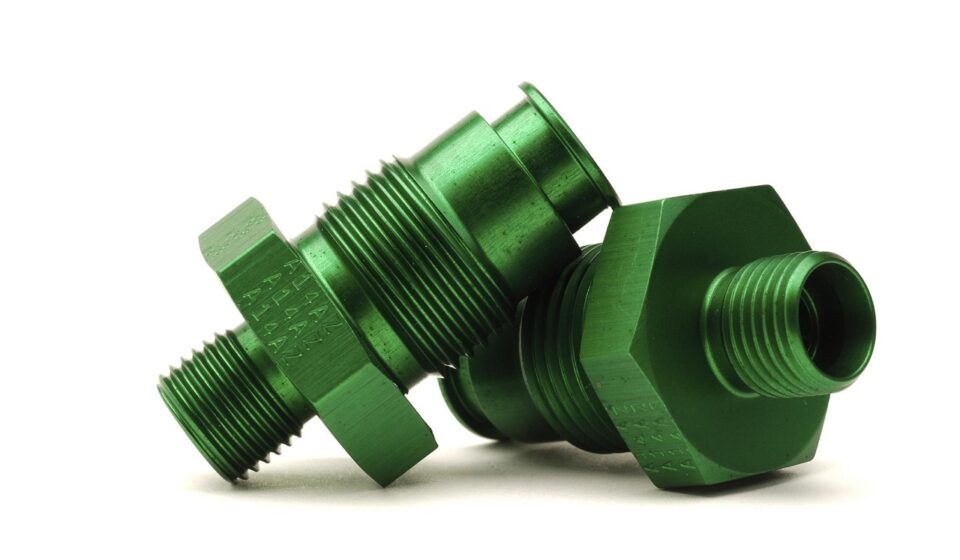
Material handling parts affect uptime, load control, worker safety and the real operating cost of a warehouse or plant. A roller, fork, chain, caster, sensor or rack connector may look like a simple replacement item, but the wrong choice can create downtime or safety exposure if it does not match the equipment design, duty cycle, load rating or operating environment. The practical goal is not to buy every part at the lowest unit price. It is to keep conveyors running, industrial trucks operating safely, racks stable and maintenance teams able to act before wear turns into a stoppage.
For industrial buyers, the most useful way to evaluate material handling parts is by function and risk. Start by asking what the part carries, moves, restrains, senses or protects. Then confirm compatibility, rated capacity, inspection requirements and replacement documentation. For more equipment-focused coverage, visit our material handling section.
What counts as a material handling part
The term covers components used to move, lift, convey, store, position and protect goods inside a facility. It includes wear parts, structural parts, electrical parts and safety-related components. The category is broad because most material handling systems combine conveyors, powered industrial trucks, pallet racks, lift tables, carts, hoists, dock equipment and controls.
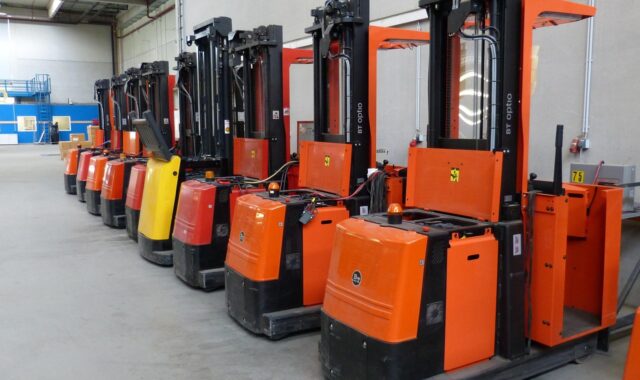
Common conveyor parts include belts, rollers, idlers, pulleys, bearings, motors, gearboxes, drives, chains, sprockets, belt fasteners, cleaners, guards, sensors and emergency-stop devices. Powered industrial truck parts include forks, fork pins, chains, tires, wheels, brakes, batteries, chargers, hydraulic hoses, mast components, warning devices and approved attachments. Storage and rack parts include uprights, beams, beam-locking devices, anchors, row spacers, crossbars, wire decking, protectors and load plaques.
The same part name can cover very different specifications. A roller for a light carton conveyor is not selected the same way as an idler exposed to abrasive bulk material. A wheel for a manual cart is different from a load wheel for a pallet jack. A rack beam connector must match the rack system, not simply look similar. Accurate identification is therefore the first step in any parts plan.
Map each part to the risk it controls
Material handling parts should be managed according to the operational risk created by failure. OSHA’s general materials-handling rules emphasize safe clearances for mechanical handling equipment, clear aisles and stable storage. OSHA’s powered industrial truck standard also states that replacement parts must be equivalent as to safety with those used in the original design. These requirements matter because many purchasing decisions are also safety decisions.
| Part group | What failure can cause | Selection focus |
|---|---|---|
| Conveyor belts, rollers and bearings | Mistracking, product damage, stoppage or overheating | Load, speed, material, contamination, bearing type and alignment |
| Forks, chains and hydraulic components | Dropped loads, reduced lift control or equipment removal from service | OEM specification, rated capacity, wear limits and documented inspection |
| Wheels, casters and tires | Poor maneuvering, floor damage, vibration or ergonomic strain | Floor type, load per wheel, chemical exposure, temperature and rolling resistance |
| Rack beams, pins, anchors and protectors | Dislodged beams, instability or progressive rack damage | System compatibility, rated loads, anchor condition and impact protection |
| Guards, labels, sensors and controls | Delayed hazard recognition or unsafe access to moving parts | Function, visibility, reliability, placement and maintenance procedure |
This risk-based view helps facilities avoid overstocking low-impact spares while overlooking parts that control load stability, personnel separation or system availability. It also gives maintenance teams a better basis for inspection intervals than purchase cost alone.
Key criteria before ordering replacement parts
Confirm model, serial number and configuration
The first rule is to identify the exact equipment and configuration. For forklifts and other industrial trucks, capacity can change with mast type, lift height, load center and attachments. ISO 3691-1 distinguishes rated capacity from actual capacity, with actual capacity tied to the specific truck configuration. That distinction is important when replacing forks, attachments, mast components or hydraulic parts.
For conveyors, record belt width, roller diameter, shaft type, frame style, speed, drive arrangement and product weight. For racks, record upright depth, beam length, connector style, bay load, beam-level capacity and anchoring details. Photographs are useful, but they should support—not replace—measurements and manufacturer information.
Match the duty cycle
A part that performs well in a single-shift packaging area may fail quickly in a three-shift distribution center. Duty cycle includes operating hours, starts and stops, impact frequency, travel distance, acceleration, cleaning cycles and temperature swings. Parts exposed to washdown, freezer rooms, dust, metal chips, oils or corrosive chemicals need different materials and seals than parts used in clean ambient storage.
Check standards and site requirements
Standards do not replace engineering judgment, but they frame safe selection. ANSI MH16.1-2023 addresses the design, testing and utilization of industrial steel storage racks, including several rack systems used in warehouses. CEMA publishes conveyor safety resources such as safety labels, placement guidance and technical information intended to support safe conveyor design, operation and maintenance. OSHA rules define employer responsibilities for materials handling, powered industrial trucks and maintenance-related hazards in U.S. workplaces.
When a part affects structural strength, machine guarding, emergency stopping, lifting capacity or fire protection clearance, treat it as a controlled item. If the correct specification is unclear, involve the equipment manufacturer, a qualified engineer or the authority responsible for site safety.
Conveyors, forklifts and racks need different spare strategies
Conveyor parts
Conveyors usually fail through wear, contamination, misalignment or drive overload. Useful spares often include belts or belt repair material, rollers, bearings, drive components, sensors, photo eyes, fasteners, chains, sprockets and common electrical items. The critical point is not simply having parts on a shelf; it is having parts that match the installed conveyor sections. In mixed systems, different zones may use different roller lengths, motorized rollers or controls.
For conveyor safety parts, replacement should preserve the original protective function. Missing guards, damaged labels, bypassed interlocks or poorly positioned emergency stops can turn a maintenance issue into a safety exposure. CEMA’s guidance indicates that conveyor safety resources support, but do not replace, site-specific risk assessment, training and safe operating procedures.
Powered industrial truck parts
Forklifts, pallet trucks and order pickers combine mechanical, hydraulic, electrical and braking systems. Parts planning should separate normal wear items from safety-critical items. Tires, wheels, hoses, batteries and brake components are common maintenance items. Forks, chains, mast components, controls and attachments require closer attention because they affect load handling and stability.
OSHA’s powered industrial truck requirements include operator training topics such as vehicle inspection and maintenance that the operator is required to perform. OSHA also provides sample daily checklist resources for powered industrial trucks. These resources are useful reminders that many part problems are first detected through routine inspection, not through purchasing reports.
Storage rack parts
Rack parts are often damaged by impacts that appear minor at first. A bent upright, missing beam lock, loose anchor or distorted baseplate can change how loads are transferred through the structure. ANSI MH16.1-2023 is especially relevant for steel storage rack systems, while specialized rack types may require other guidance. Do not mix rack components from different systems unless the manufacturer or a qualified engineer confirms compatibility. See also: production equipment.
Load signage, anchoring, beam locks and protectors are not cosmetic accessories. They help operators understand limits and reduce the chance that impact damage becomes a structural problem. After a significant rack impact, parts replacement should be part of a documented inspection and repair process.
Build a maintenance and replacement workflow
A strong parts program connects purchasing, inspection, maintenance and operations. The following workflow works for many warehouses and plants:
- Create an equipment register. Record make, model, serial number, location, criticality and installed configuration.
- Identify critical parts. Mark items that stop production, affect safe load handling or require long lead times.
- Set inspection intervals. Use daily operator checks, planned maintenance and event-triggered inspections after impacts, abnormal noise, overheating or near misses.
- Document replacement decisions. Keep part numbers, supplier information, work orders, photos and inspection notes.
- Review failures. Repeated failures may point to misalignment, overloading, poor floor condition, operator behavior or incorrect part selection.
- Control substitutions. Do not approve substitutes based only on dimensions. Confirm material, rating, safety equivalence and compatibility.
This workflow also helps reduce emergency buying. Rush orders often happen when facilities carry too many general spares and too few critical spares. A better inventory list is smaller, cleaner and tied to real failure modes.
How automation changes the parts list
Automation is making material handling parts more digital and data-dependent. In MHI’s 2026 Annual Industry Report, as reported by industry media in April 2026, supply chain organizations identified AI, automation, robotics and predictive maintenance as growing areas of adoption. That trend does not eliminate mechanical parts. It adds more sensors, encoders, drives, controllers, battery systems, connectors, communication modules and software-linked diagnostics to the parts strategy.
For automated conveyors, sorters, shuttles and mobile robots, downtime may be caused by a small sensor or cable as easily as by a bearing or belt. Maintenance teams should therefore classify parts by system impact, not by size. A low-cost photo eye that stops a sorter can be more operationally critical than a heavier component with a longer physical life.
Automation also increases the value of condition monitoring. Vibration, temperature, current draw and runtime data can help teams replace parts before failure. However, predictive maintenance only works when spare parts, technician skills and work planning are ready to act on the signal.
A practical purchasing checklist
Before approving material handling parts, review the following points:
- Does the part match the exact equipment model and installed configuration?
- Is the capacity, speed, load or structural rating documented?
- Will the material tolerate the operating environment?
- Does the replacement preserve the original safety function?
- Are installation instructions, inspection criteria or torque requirements available?
- Is the part critical enough to stock on site?
- Could repeated failure indicate a process or design problem rather than a parts problem?
- Has a qualified person approved any substitution?
The lowest-risk purchasing process treats parts as part of the system. A belt, wheel, chain or beam lock may be inexpensive on its own, but it belongs to a larger chain of capacity, movement, control and safety.
Frequently asked questions
What are the most commonly replaced material handling parts?
Common replacements include conveyor rollers, belts, bearings, chains, sprockets, forklift tires, load wheels, hydraulic hoses, batteries, chargers, rack protectors, beam locks and sensors. The exact list depends on equipment type, duty cycle and environment.
Can equivalent parts be used instead of OEM parts?
Equivalent parts may be acceptable when they match the required fit, function, rating and safety performance. For powered industrial trucks, OSHA requires replacement parts to be equivalent as to safety with those used in the original design. Substitutions should be documented and approved through the site’s maintenance or engineering process.
How often should material handling parts be inspected?
Inspection frequency should reflect risk and usage. Some items need daily operator checks, while others fit weekly, monthly or planned maintenance intervals. After impact, abnormal noise, overheating, load instability or visible damage, inspection should happen immediately rather than waiting for the next scheduled interval.
Which parts should be kept in stock?
Stock parts that are critical to uptime, difficult to source quickly or tied to safety functions. Good candidates include high-wear conveyor components, key sensors, forklift wear parts, battery connectors, rack locking devices and any part with a long lead time. Review stock levels against actual work orders at least several times a year.
Why do similar-looking rack or conveyor parts sometimes fail after replacement?
Similar appearance does not prove compatibility. Dimensions, steel grade, connector geometry, bearing load, shaft design, belt tension, speed rating or control logic can differ. Failures after replacement often come from using a part that fits physically but does not match the system requirements.