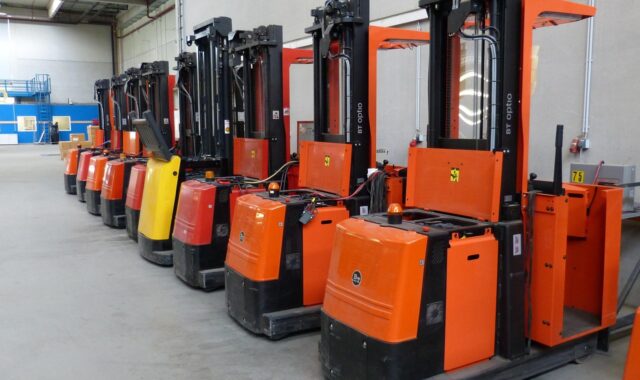
Material handling trucks and how to choose the right type for industrial operations

What material handling trucks cover
Material handling trucks are vehicles and mobile equipment used to move, lift, stack, tow, stage or position goods inside factories, warehouses, yards and distribution centers. The right choice depends less on the catalog name and more on the load, route, lift height, floor condition, operator exposure and compliance duty. For buyers comparing equipment in material handling, the practical question is not simply whether to buy a forklift, pallet truck or tugger. It is which truck will reduce unnecessary touches, keep traffic predictable and fit the work without creating new safety or maintenance problems.
The term is broad. It can include hand trucks and platform carts, manual pallet trucks, powered pallet trucks, walkie stackers, reach trucks, counterbalanced lift trucks, order pickers, tow tractors and rough-terrain forklifts. In U.S. safety terminology, OSHA uses the term powered industrial trucks for many powered vehicles used to carry, push, pull, lift, stack or tier materials. OSHA standard 29 CFR 1910.178 covers powered industrial trucks and includes requirements related to design, fire protection, maintenance, operation and operator training.
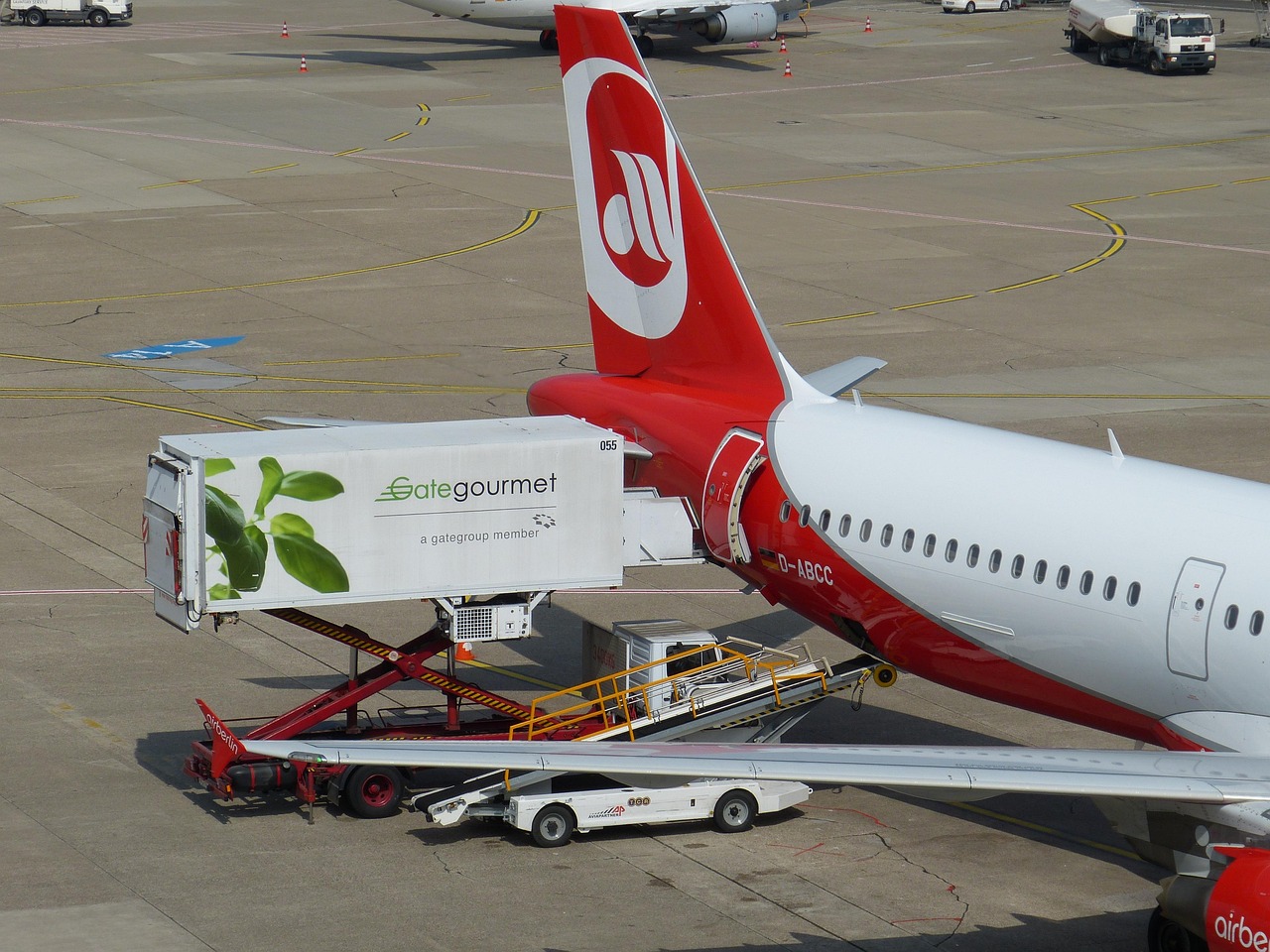
Main types of material handling trucks and where they fit
Different truck types often overlap, but each has a natural operating range. A pallet truck that works well for short dock-to-storage moves may become inefficient on long routes. A counterbalanced forklift that is useful outdoors may consume too much aisle space in high-density racking. The table below summarizes common options without assuming that one type is superior in every facility.
| Truck type | Typical use | Where it fits best | Key limitation |
|---|---|---|---|
| Hand trucks, dollies and platform carts | Moving cartons, small parts and light unit loads | Maintenance rooms, assembly areas, retail back rooms and short manual moves | Limited load capacity and higher ergonomic risk if loads are poorly controlled |
| Manual pallet trucks | Low-level movement of palletized goods | Short, flat routes where lift height is minimal | Not designed for stacking or long-distance travel |
| Powered pallet trucks and walkie riders | Moving pallets at floor level with powered travel and lift | Docks, staging lanes, order consolidation and trailer loading zones | Limited vertical lift compared with stackers or forklifts |
| Walkie stackers | Lifting pallets into low to medium racking | Small warehouses, light manufacturing and areas with moderate throughput | Lower speed and capacity than many rider trucks |
| Reach trucks and narrow aisle trucks | Storing and retrieving pallets in high-density aisles | Warehouses that prioritize cube utilization and high pallet positions | Usually require smoother floors and controlled indoor operating conditions |
| Counterbalanced forklift trucks | General lifting, loading, unloading and transport | Manufacturing plants, yards, docks and mixed indoor-outdoor work | Need more turning space and careful stability management |
| Tow tractors and tuggers | Pulling carts, trains or multiple load carriers | Lean manufacturing routes, parts delivery loops and long horizontal moves | Do not replace lift trucks when vertical stacking is required |
| Order pickers | Raising the operator to pick items from rack locations | Piece-picking operations with many SKUs and vertical storage | Requires fall protection practices and strong traffic control |
| Rough-terrain forklifts | Handling loads on uneven ground | Construction sites, lumber yards, agriculture and outdoor storage | Not a substitute for warehouse trucks in tight indoor aisles |
Selection factors before comparing brands
Load weight, size and stability
Start with the real load, not the average load. Record maximum weight, pallet dimensions, center of gravity, packaging condition, load height and whether the load is fragile, shifting, hot, wet, dusty or irregular. Rated capacity can change when lift height, attachments or load centers change. A truck that looks adequate on paper may be unsuitable if the load is long, off-center or handled on a ramp.
Travel distance, route and traffic pattern
Horizontal distance has a direct effect on the truck decision. Manual pallet trucks make sense for short moves on smooth floors, while powered units can reduce fatigue when operators repeat the same routes across long docks or storage zones. If the site uses frequent milk-run deliveries to production cells, a tugger and cart system may reduce forklift traffic. If the work is dominated by putaway and retrieval from rack, reach trucks or counterbalanced lift trucks may be more appropriate.
Aisle width, floor condition and turning radius
Aisle width is one of the most common hidden constraints. Counterbalanced forklifts typically need more turning room than reach trucks or narrow aisle equipment. Floor condition matters just as much as aisle dimension. Cracked concrete, dock plates, outdoor yards and uneven thresholds can affect wheel type, stability, maintenance cost and operator comfort. Before buying, map the route from receiving to storage, production, packing and shipping, then identify every slope, doorway, intersection and blind corner.
Lift height and storage method
If loads remain at floor level, a pallet truck may be enough. If goods must be stacked two or three levels high, a stacker may be sufficient. If the building depends on high pallet racking, a reach truck, order picker or other warehouse truck may be required. The specification should also account for collapsed mast height when the truck travels through doors, under mezzanines or inside trailers.
Power source and duty cycle
Power choice should reflect duty cycle, ventilation, charging infrastructure and shift pattern. Electric trucks are common indoors because they avoid tailpipe emissions at the point of use and can support lower-noise work areas. Internal combustion trucks still appear in outdoor or heavy-duty applications, depending on site rules and load requirements. Battery charging, opportunity charging, battery changing and fuel storage should be planned as part of the equipment decision, not treated as an afterthought.
Safety and compliance points that should shape the specification
Safety is not only an operator issue; it is also a specification issue. The U.S. Bureau of Labor Statistics reported on February 19, 2026 that transportation and material moving occupations recorded 1,391 fatal work injuries in 2024, with a fatal injury rate of 12.5 per 100,000 full-time equivalent workers. That broad occupational group is not limited to material handling trucks, but it shows why traffic design, training and equipment condition deserve attention in any handling plan.
OSHA 29 CFR 1910.178 requires employers to ensure powered industrial truck operators are competent through training and evaluation. OSHA describes training as a combination of formal instruction, practical training and workplace performance evaluation. The standard also requires refresher training in specified situations, such as unsafe operation, an accident or near miss, assignment to a different type of truck, or workplace changes that affect safe operation. OSHA also requires an evaluation of each operator’s performance at least once every three years.
- Match the truck to the environment. Hazardous or classified locations require appropriate truck designations. Do not assume that any powered truck is suitable for flammable vapor, dust or other special environments.
- Control pedestrians and crossings. Separate walkways, mirrors, signs, speed controls and designated crossing points can be as important as the truck itself.
- Inspect equipment before use. Unsafe trucks should be removed from service until repaired. Check forks, tires, brakes, steering, warning devices, controls, leaks and battery or fuel systems according to the equipment type.
- Respect attachments and load changes. Clamps, extensions, booms and special fixtures can change capacity and stability. Operators should be trained for the actual configuration used.
- Design for visibility. Mast height, load size, aisle layout and lighting all affect what the operator can see. A smaller or different truck type may be safer than forcing a large truck into a crowded zone.
Trends changing material handling truck decisions in 2026
The 2026 decision is increasingly shaped by labor availability, automation strategy and data visibility. MHI and Deloitte’s 2026 Annual Industry Report, based on responses from more than 500 supply chain professionals, described growing adoption of AI, robotics and automation across supply chains. Public summaries of the report noted that AI was already being used by 53% of surveyed organizations, while robotics and automation were expected to reach 73% adoption within five years. For material handling trucks, the practical effect is not that every site must automate immediately. It means buyers should consider whether today’s trucks can fit tomorrow’s connected workflow. See also: production equipment.
For conventional fleets, that may mean telematics, access control, impact monitoring, maintenance alerts and battery data. For automated or semi-automated workflows, it may mean evaluating automated guided vehicles, autonomous mobile robots, automated pallet movers or hybrid systems that still rely on human-operated forklifts in exception zones. The best approach is often incremental: remove unnecessary travel, standardize load carriers, improve traffic rules and then evaluate automation where volume, repeatability and safety justify the investment.
Electrification is another major factor. Battery-powered equipment is already common in indoor warehousing, but the decision should include charger placement, electrical capacity, battery maintenance, downtime risk and emergency procedures. A cleaner power source does not automatically solve congestion, unstable loads or poor route design. Equipment upgrades work best when they are paired with process changes.
A practical specification checklist
- List every load type, including maximum weight, pallet size, load center and stacking condition.
- Map the route, including aisles, dock plates, ramps, doors, elevators, floor quality and pedestrian crossings.
- Define the required lift height, collapsed mast height and whether operators must enter trailers or containers.
- Estimate trips per hour, travel distance, shift length and peak demand rather than only daily average volume.
- Decide whether the truck will operate indoors, outdoors or across both environments.
- Confirm power, ventilation, charging, fueling and maintenance requirements before equipment is ordered.
- Review operator training, evaluation and refresher requirements for the specific truck class and workplace.
- Check whether attachments, clamps or special load-handling devices are needed and how they affect capacity.
- Plan parking, charging, inspection and out-of-service areas to prevent blocked aisles and unsafe shortcuts.
- Compare total cost, including acquisition, maintenance, energy, tires, batteries, downtime, training and facility changes.
Frequently asked questions
What is the difference between a forklift and a material handling truck?
A forklift is one type of material handling truck. Material handling trucks also include pallet trucks, stackers, tow tractors, order pickers, platform trucks, carts and other equipment used to move or position materials. In many workplaces, the term forklift is used casually, but the correct equipment choice may be a pallet truck, reach truck or tugger instead.
Are pallet trucks covered by OSHA powered industrial truck rules?
Powered pallet trucks are generally treated as powered industrial trucks when they are motorized and used to move materials. Manual pallet jacks are different because they are not powered industrial trucks under the same rule, but employers still need to manage ergonomic, traffic and load-control risks. The safest approach is to train workers on the exact equipment and route they will use.
When is a reach truck better than a counterbalanced forklift?
A reach truck is often better in narrow aisles and high-density indoor pallet storage because it can work in tighter spaces and reach into racking. A counterbalanced forklift is usually more versatile for mixed dock, yard and general lifting tasks. Floor condition, aisle width, lift height and load weight should decide the choice.
Should a warehouse choose automated trucks or conventional equipment?
Automation is worth evaluating when routes are repeatable, loads are standardized, traffic can be controlled and the volume justifies the investment. Conventional trucks may remain more flexible for irregular loads, exception handling and changing layouts. Many facilities use a mixed model, with automation handling repetitive transport while operators manage variable tasks.
Final takeaways
Material handling trucks should be selected as part of a handling system, not as isolated vehicles. A strong specification connects load data, route design, storage method, operator safety, power planning and future automation needs. A smaller pallet truck, a tugger route or a reach truck can sometimes deliver more value than a larger forklift if it matches the real work. The goal is to reduce unnecessary movement, protect workers and keep materials flowing without buying equipment the operation cannot fully use.