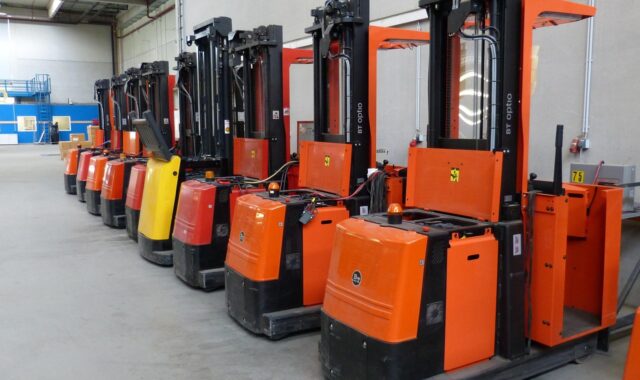
Warehouse material handling equipment selection guide for safer, higher-throughput operations
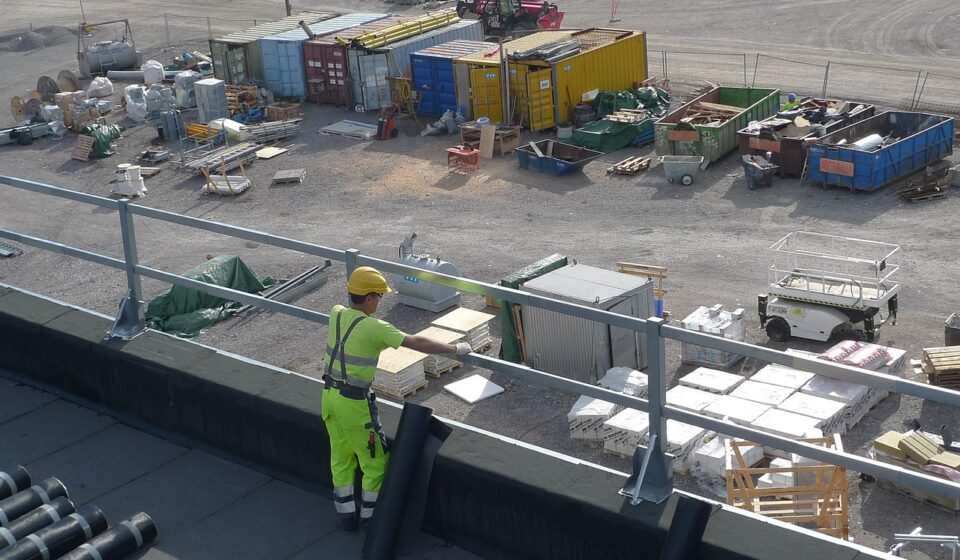
Why equipment choice matters now
Warehouse material handling equipment should be selected around the work that actually happens inside the facility, not around a generic equipment list. The goal is straightforward: move, store, protect, pick, stage, and load goods with less wasted travel, fewer manual lifts, clearer traffic paths, and safer interaction between workers and machines. A small warehouse may need only pallet jacks, shelving, lift tables, and a disciplined dock layout. A high-volume distribution center may need conveyors, sortation, reach trucks, automated storage, robotics, and software integration. The right choice depends on product profile, order patterns, building constraints, labor availability, safety risk, and total operating cost.
For more industrial handling topics, see the material handling category.
Selection has become more important because warehouse safety and throughput pressures are rising together. OSHA’s updated National Emphasis Program on Warehousing and Distribution Center Operations became effective on July 31, 2026, and identifies powered industrial vehicle operations, material handling and storage, walking-working surfaces, means of egress, heat, ergonomics, and fire protection as inspection focus areas. The U.S. Bureau of Labor Statistics also reported in January 2026 that private industry employers recorded 2.5 million nonfatal workplace injuries and illnesses in 2024, while overexertion and contact incidents were the largest event categories for cases involving days away, restricted duty, or job transfer during 2023-2024. In practice, equipment decisions affect productivity, risk, and regulatory readiness at the same time.
Start with the material flow, not the catalog
A useful equipment plan begins with a map of how goods move through the building. The map should show receiving, quality checks, putaway, reserve storage, replenishment, forward picking, packing, value-added work, staging, shipping, returns, waste handling, and maintenance access. Each handoff is a point where equipment can remove travel, improve control, or create a new bottleneck.
Three questions should come before brand or model selection:
- What is being handled? Consider pallet dimensions, case weight, carton stability, totes, drums, long loads, temperature sensitivity, fragility, and hazardous material classification.
- How often does it move? Slow-moving reserve pallets require different equipment than fast-moving split-case orders or parcel sortation.
- Where does the constraint sit? The bottleneck may be dock doors, aisle width, lift height, pick-face replenishment, packing labor, battery charging, floor condition, or software visibility.
Many equipment mistakes come from solving one local problem while shifting cost elsewhere. A narrow-aisle reach truck can improve storage density, but it may also require better floor flatness, operator training, battery planning, and stricter pedestrian separation. A conveyor can reduce walking in a pick module, but it can reduce flexibility if the SKU mix or order profile changes. A lift assist device can reduce ergonomic exposure, but only when it is placed at the exact task where workers repeatedly lift, lower, twist, or reach.
Core equipment categories and where they fit
Warehouse material handling equipment can be grouped by function. Most facilities use a mix of manual, powered, and automated systems rather than one technology for every task.
| Equipment category | Typical examples | Best-fit use case | Key selection risk |
|---|---|---|---|
| Mobile handling | Manual pallet jacks, electric pallet trucks, forklifts, reach trucks, order pickers, tuggers | Moving pallets, cases, carts, and unit loads between zones | Traffic conflicts, operator training, floor condition, lift height, battery or fuel management |
| Storage systems | Pallet rack, cantilever rack, shelving, carton flow, mezzanines, automated storage and retrieval systems | Increasing cube utilization and organizing inventory for access | Load rating, rack impact, fire protection clearance, reconfiguration control |
| Conveying and sortation | Belt conveyors, roller conveyors, accumulation conveyors, sorters, spiral conveyors | High-frequency movement between fixed process points | Inflexibility, maintenance downtime, guarding, emergency stop layout |
| Lifting and positioning | Lift tables, scissor lifts, hoists, cranes, vacuum assists, balancers, dock levelers | Reducing manual lift height, reach, bending, and awkward handling | Capacity mismatch, pinch points, inspection discipline, task fit |
| Automation and robotics | AGVs, AMRs, robotic palletizers, goods-to-person systems, AS/RS, automated forklifts | Repeatable flows, labor-constrained operations, high-volume picking or transport | Integration complexity, exception handling, change management, cybersecurity and data quality |
The table is not a ranking. Each category solves a different handling problem. Forklifts are flexible, but they create traffic and training obligations. Conveyors are efficient on repeatable routes, but they can be expensive to change. Rack improves storage density, but it must be engineered, protected, inspected, and operated within rated limits. Automation can improve consistency, but only when the process is stable enough to justify the investment.
Safety and compliance checks that shape equipment choices
Safety requirements should be built into the layout before equipment is purchased. OSHA’s general material handling rule at 29 CFR 1910.176 requires sufficient safe clearances where mechanical handling equipment is used, including aisles, loading docks, doorways, turns, and passageways. It also requires materials to be stored in a way that does not create a hazard. In practical terms, a design that leaves operators squeezing through blind turns or stacking unstable loads is not a good design, even if the equipment is technically capable.
Powered industrial trucks add another layer. OSHA’s powered industrial truck standard, 29 CFR 1910.178, covers operator training, truck condition, use, maintenance, and related requirements for forklifts and many powered pallet trucks. Equipment selection should therefore include traffic studies, pedestrian walkways, mirrors or warning systems where appropriate, charging or fueling areas, daily inspection routines, and clear rules for attachments. If a facility adds a personnel platform, clamps, extensions, or another load-handling attachment, capacity and manufacturer approval issues need to be reviewed before use.
Racking also deserves early attention. Designers and rack engineers commonly refer to standards such as ANSI/RMI MH16.1 for industrial steel storage racks. Operators should keep load plaques visible, control rack modifications, replace damaged components, and treat impact protection as part of the system rather than an accessory. A rack layout should also account for sprinkler clearance, flue spaces, aisle marking, pallet quality, and lift-truck turning radius.
Ergonomics is equally important. NIOSH’s Revised Lifting Equation evaluates manual lifting risk using factors such as load weight, horizontal reach, vertical location, travel distance, twisting, frequency, and grip quality. This matters because there is no universal safe weight that applies to every worker and every task. A 30-pound carton lifted from floor level every few seconds can be more demanding than a heavier load handled occasionally at waist height with mechanical support. Lift tables, pallet positioners, vacuum assists, height-adjustable workstations, and goods-to-person picking can reduce exposure when they are placed at high-frequency tasks.
How to match equipment to common warehouse profiles
Small parts and e-commerce picking
Small-parts operations usually benefit from shelving, carton flow, totes, carts, batch picking, pick-to-light or voice systems, and packing stations designed around reach distance. Conveyors may help when order volume is steady and packing is centralized. Goods-to-person automation can be attractive when SKU count is high and walking consumes too much labor, but it requires accurate inventory data and disciplined replenishment.
Pallet-in, pallet-out distribution
For full-pallet operations, the main decisions involve pallet rack type, lift truck class, aisle width, dock staging space, and trailer loading process. Counterbalance forklifts offer flexibility, while reach trucks and very-narrow-aisle equipment can improve storage density. The tradeoff is that denser storage often raises the need for better traffic control, rack protection, battery planning, and operator skill.
Mixed case and pallet operations
Many facilities handle both pallets and cases. These operations often need reserve pallet storage, forward pick locations, replenishment rules, pallet jacks, order pickers, conveyors, and ergonomic packing stations. The important design question is where to separate pallet traffic from people-intensive picking. If the same aisle supports replenishment, picking, and staging at the same time, congestion and near-miss risk can grow quickly. See also: production equipment.
Heavy, long, or awkward loads
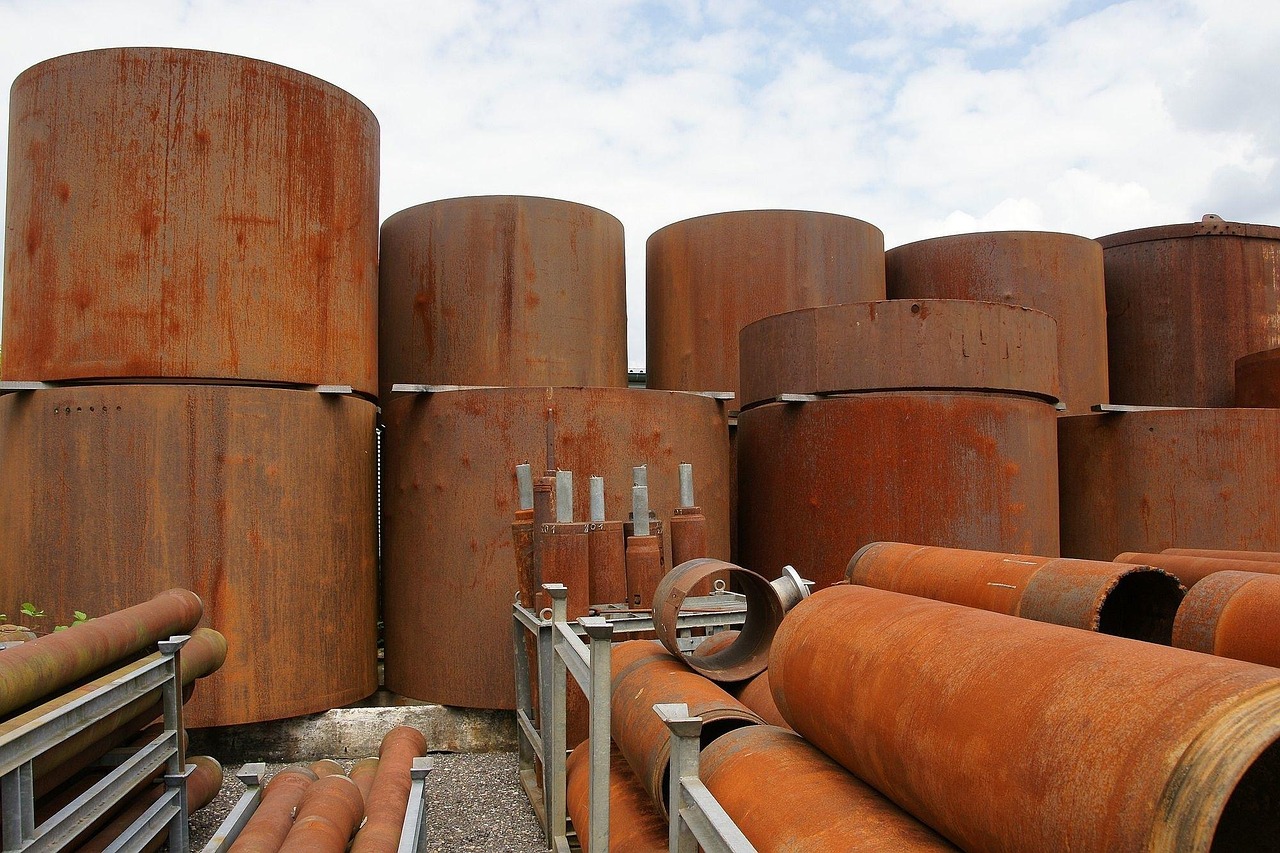
Long material, drums, machinery parts, and unstable loads require more than standard pallet equipment. Cantilever racks, cranes, hoists, specialized fork attachments, load backrests, clamps, cradles, and custom carts may be needed. Capacity should be checked for the full handling system, including floor rating, rack rating, truck capacity at load center, attachment weight, and travel path.
Automation is a fit decision, not a trend decision
MHI’s recent industry reporting with Deloitte highlights continuing interest in supply chain technologies such as automation, robotics, artificial intelligence, and data-driven systems. That does not mean every warehouse should automate the same process. Automation is most defensible when the flow is repeatable, the data is accurate, exceptions are understood, and the cost of manual work is visible.
Before selecting AGVs, AMRs, AS/RS, robotic palletizers, or goods-to-person systems, managers should define the measurable problem. Is the goal to reduce travel, increase storage density, improve pick accuracy, handle labor shortages, reduce manual lifting, extend operating hours, or stabilize throughput? Each goal points to a different system. AMRs may help with flexible transport in a changing pick environment. AS/RS may fit high-density storage with controlled inventory. Robotic palletizing may help when case sizes are predictable and end-of-line labor is constrained.
Facilities should also plan for exceptions. Automation must know what to do with damaged pallets, unreadable labels, overweight cartons, blocked aisles, network interruptions, emergency stops, and last-minute order changes. A pilot that ignores exceptions can look successful during demonstrations and still fail during peak season.
A practical selection framework
A structured review helps prevent overbuying and under-specifying. The following framework can be used for manual equipment, powered equipment, and automation projects:
- Define the task. State the load, route, frequency, lift height, travel distance, operator interaction, and environmental conditions.
- Measure the current baseline. Document travel time, touches per order, damage rate, near misses, congestion points, maintenance downtime, and injury exposure where data is available.
- Identify constraints. Include floor condition, column grid, ceiling height, dock layout, fire protection, electrical capacity, charging space, IT integration, and training capacity.
- Compare alternatives. Review at least one low-tech option, one process change, and one equipment or automation option. Sometimes slotting changes or better staging rules solve more than new machinery.
- Check safety and compliance. Review OSHA requirements, manufacturer instructions, applicable consensus standards, and internal safety rules before purchase orders are issued.
- Calculate total cost. Include acquisition, installation, permits, training, maintenance, energy, downtime, spare parts, software, floor repairs, and future reconfiguration.
- Pilot when uncertainty is high. Test the equipment in the actual aisle, dock, workstation, or picking zone where it will be used.
The strongest equipment plans usually combine input from engineering, operations, maintenance, safety, IT, and frontline operators. Operators often know where pallets catch, where labels are hard to scan, where carts are abandoned, and where visibility is poor. Their observations can reveal problems that drawings and equipment brochures miss.
Frequently asked questions
What is the most common warehouse material handling equipment?
Common equipment includes pallet jacks, forklifts, reach trucks, order pickers, pallet racks, shelving, carts, conveyors, dock equipment, lift tables, and packing workstations. The right mix depends on whether the facility mainly handles pallets, cases, totes, parcels, long materials, or temperature-controlled goods.
When should a warehouse consider automation?
Automation becomes more practical when flows are repeatable, order volume is high enough to justify investment, inventory data is reliable, and manual work creates measurable bottlenecks or ergonomic exposure. It is less suitable when SKU mix, packaging, order patterns, or building layout change constantly without a stable process design.
How does equipment selection affect OSHA readiness?
Equipment affects aisle clearance, pedestrian separation, powered industrial truck training, rack safety, material storage stability, dock hazards, egress, ergonomics, and fire protection. Because OSHA’s 2026 warehousing emphasis program focuses on these areas, equipment and layout decisions should be reviewed with safety requirements from the start.
Is buying a higher-capacity forklift always safer?
No. Capacity matters, but safety also depends on load center, attachment weight, lift height, floor condition, visibility, turning radius, operator training, speed control, maintenance, and traffic management. A larger truck can create new risks if aisles, docks, racks, and pedestrian routes were not designed for it.
What is a good first step for improving material handling?
Start by mapping the highest-frequency flows and the highest-risk manual tasks. If workers repeatedly lift, twist, reach, or walk long distances, the first improvement may be better slotting, a lift assist, a pallet positioner, a conveyor section, improved staging, or a change in work method rather than a large automation project.